
Surviving a kitchen renovation is a true test of patience, planning, and flexibility. If you’ve ever walked into a home with a shiny new kitchen, you probably admired the look without thinking much about the journey. But behind every beautiful kitchen is a story of dust, noise, confusion, and, at times, chaos.
For many, a kitchen renovation is the biggest remodeling project in the home. The kitchen is the heart of daily life—it’s where you cook, eat, gather, and even work. When it’s out of service for weeks, or sometimes months, life can feel upside down.
Still, with the right strategies and mindset, you can manage the stress and even enjoy parts of the process. This guide will give you clear, practical advice to help you survive a kitchen renovation from start to finish. You’ll learn how to plan, set up a temporary kitchen, keep your routine, and avoid common mistakes.
Let’s help you keep your cool—and your appetite—until the dust settles and you can finally enjoy your new kitchen.
Understanding The Renovation Timeline
Before the first cabinet is removed, it’s important to know how long your kitchen will be out of commission. Most kitchen renovations last between 6 to 12 weeks, but bigger projects can stretch to four months or more. Delays are common, often from backordered materials, hidden plumbing or electrical issues, or changes you request.
Knowing the timeline helps you plan meals, routines, and expectations. Ask your contractor for a detailed schedule. Don’t be afraid to request updates if something changes. Some homeowners make the mistake of believing the project will go faster than planned—avoid this by preparing for the long haul.
Preparing Your Home And Family
Renovating your kitchen affects the whole house. Dust travels, construction noise is constant, and workers will come and go daily. Take steps to limit stress on your family and your home.
- Clear Out the Kitchen: Empty all cabinets, drawers, and counters. Store items you won’t need in another room or in labeled boxes.
- Protect Other Spaces: Cover furniture, seal doorways with plastic sheets, and move valuables away from work areas.
- Talk to Your Family: Prepare everyone for the disruption. Discuss meal plans, temporary kitchen setups, and new routines.
- Plan for Pets: Construction can stress animals. Set up a safe space for pets away from noise and dust.
A common oversight is underestimating how much dust spreads. Fine particles can reach bedrooms and electronics. Seal off vents and change HVAC filters often.
Setting Up A Temporary Kitchen
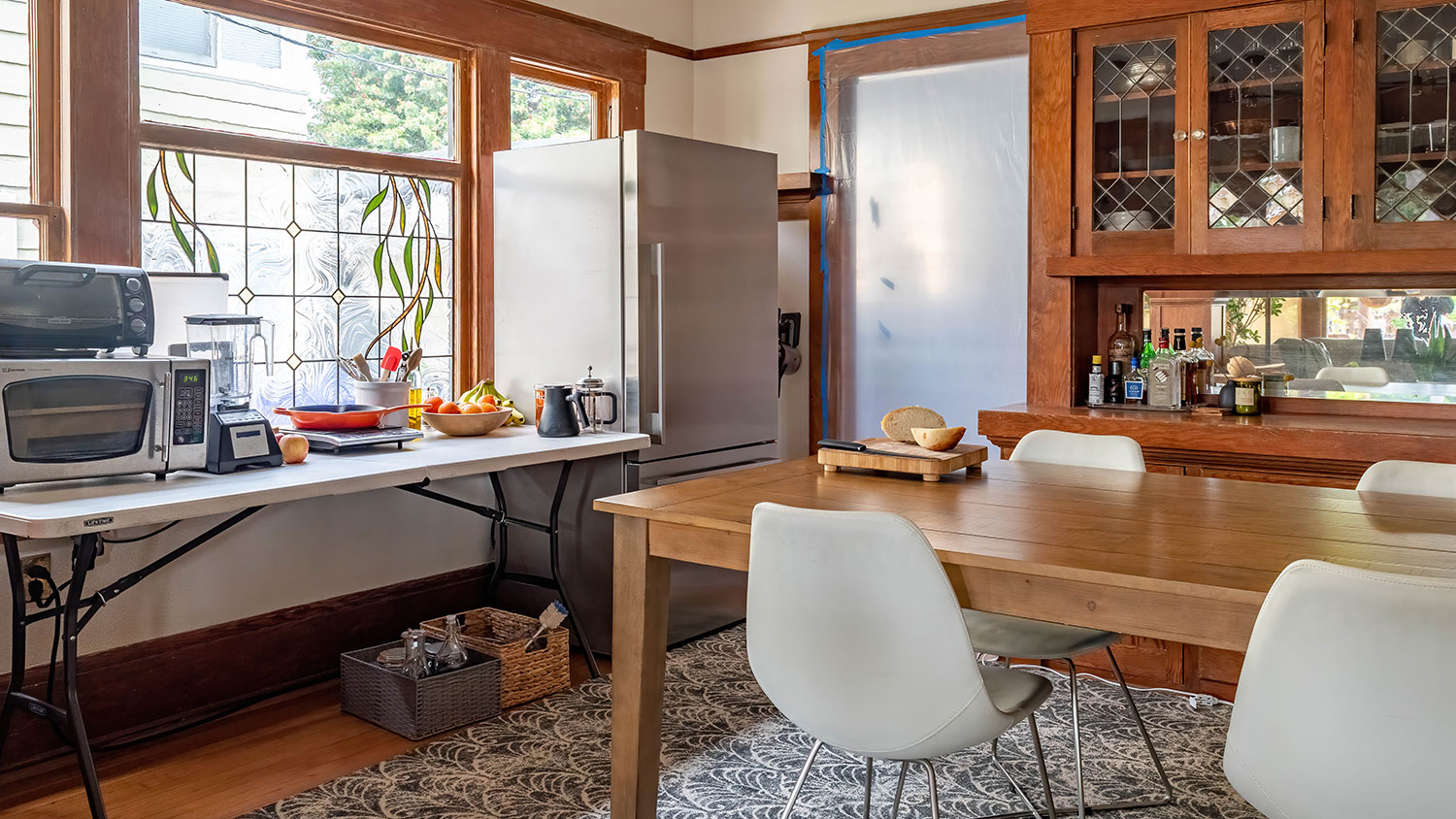
You’ll need a place to prepare simple meals while your main kitchen is out of service. This “mini kitchen” can be in the dining room, basement, or even a garage. The key is to make it as functional and comfortable as possible.
What To Include In Your Temporary Kitchen
- Microwave: Heats up leftovers, makes oatmeal, or steams vegetables.
- Mini fridge or cooler: Stores essentials like milk, eggs, cheese, and drinks.
- Electric kettle or coffee maker: For hot drinks and instant meals.
- Toaster oven or portable cooktop: Offers more cooking options.
- Slow cooker or Instant Pot: Great for one-pot meals.
- Basic utensils: Knives, cutting board, can opener, mixing bowl.
- Disposable plates and cutlery: Reduces the need for washing dishes.
- Dish tub and soap: For hand-washing a few items in the bathroom or laundry sink.
Pick a spot with access to water and an electrical outlet. Don’t overload outlets with too many appliances at once.
Storage And Organization Tips
Keep only what you’ll use every day in your temporary kitchen. Store bulk foods and extras elsewhere. Use clear bins to organize snacks, breakfast items, and dinner essentials. Label everything—when you’re tired or in a rush, this makes things easier.
A non-obvious tip: Create a “grab-and-go” snack bin for kids. They’ll have something to eat without asking you every time.
Managing Meals During Renovation
When your kitchen is torn apart, cooking feels complicated. But eating out every night is expensive and unhealthy. With a little planning, you can keep your meals simple, affordable, and satisfying.
Meal Planning Strategies
- Batch cook before demolition: Prepare and freeze meals in advance. Soups, stews, and casseroles reheat well.
- Use semi-prepared foods: Bagged salads, rotisserie chicken, and pre-cut veggies save time.
- Plan around appliances: Focus on what you can cook with your microwave, toaster oven, or slow cooker.
- Embrace simple meals: Sandwiches, salads, and wraps are quick and require little cleanup.
- Schedule some takeout: Set a budget for eating out once or twice a week. Make it a treat, not the norm.
A common mistake is forgetting about breakfast and snacks. Stock up on yogurt, granola bars, fruit, and instant oatmeal.
Sample Weekly Menu For A Temporary Kitchen
Here’s a sample menu to help you visualize easy meals during renovation:
| Day | Breakfast | Lunch | Dinner |
|---|---|---|---|
| Monday | Overnight oats | Turkey sandwich | Microwave chili (pre-made) |
| Tuesday | Yogurt + fruit | Salad kit + rotisserie chicken | Slow cooker stew |
| Wednesday | Granola bars | Wraps with veggies | Toaster oven pizza |
| Thursday | Toast + peanut butter | Leftover stew | Takeout night |
| Friday | Hard-boiled eggs | Bagged salad | Microwave rice bowl |
Credit: www.finehomebuilding.com
Keeping Your Sanity: Routines And Self-care
Living without a kitchen can feel chaotic. It’s easy to let healthy routines slide, but keeping some normalcy is important for your mental health.
Tips For Staying Calm
- Stick to a schedule: Try to keep wake-up, meal, and bedtime routines as normal as possible.
- Get outside daily: Fresh air and a walk help clear your head.
- Set aside a “quiet zone”: A room with no construction noise or dust where you can relax or work.
- Plan small rewards: Watch a movie, visit friends, or treat yourself to a favorite meal at the end of each week.
Remember, frustration is normal. Even the best-planned renovations have surprises. Accept that things won’t always go perfectly.
A tip many people overlook: keep a small notebook to jot down what’s working and what’s not. This helps you adjust your routine and improves your outlook.
Communicating With Your Contractor
Good communication with your contractor can prevent many headaches. Be clear about your expectations and ask questions if you don’t understand something.
- Have regular check-ins: Agree on a weekly meeting or call to discuss progress and any issues.
- Set boundaries: Decide which areas are off-limits and what hours workers can enter your home.
- Clarify change orders: Any changes to plans, materials, or costs should be in writing.
- Ask about delays: If something is late, ask why and how it will affect the finish date.
A non-obvious insight: Keep a renovation journal. Document conversations, delivery dates, and decisions. This can resolve disputes if they arise.

Credit: edgewoodcabinetry.com
Managing Dust, Noise, And Safety
Construction can turn your home into a work zone. Dust, loud tools, and sharp objects are part of the process, but you can reduce risks.
Dust Control
- Seal doorways with plastic sheets and painter’s tape.
- Cover vents to keep dust out of the HVAC system.
- Vacuum daily with a HEPA filter vacuum.
- Remove shoes before entering clean areas.
Reducing Noise
- Use earplugs or noise-canceling headphones, especially if you work from home.
- Schedule calls and meetings outside of peak construction hours.
- Communicate with workers about when you need quiet for important events.
Safety Tips
- Keep children and pets out of construction zones.
- Store tools and chemicals safely each night.
- Check for nails or sharp debris before walking barefoot.
- Review emergency exits in case of fire or other hazards.
Many people forget to check for tripping hazards at night, especially when lighting is poor. Use nightlights in hallways and near temporary kitchen areas.
Budget Control And Dealing With Surprises
Even with a good plan, unexpected costs happen. Maybe there’s water damage behind a wall or an appliance is out of stock.
Strategies For Staying On Budget
- Build in a 10–20% contingency fund for surprises.
- Track all expenses in a spreadsheet or app.
- Approve changes in writing so you know the cost.
- Prioritize must-haves over nice-to-haves.
If you need to cut costs, consider postponing extras like under-cabinet lighting or fancy fixtures. Focus on the essentials first.
Sample Kitchen Renovation Budget Breakdown
Here’s an example of how your renovation budget might look:
| Category | Percentage of Total Budget | Common Range (USD) |
|---|---|---|
| Cabinetry & Hardware | 30-35% | $6,000–$12,000 |
| Appliances | 15-20% | $3,000–$7,000 |
| Countertops | 10-15% | $2,000–$5,000 |
| Labor | 20-30% | $4,000–$10,000 |
| Flooring | 7-10% | $1,500–$3,000 |
| Lighting & Electrical | 5-7% | $1,000–$2,000 |
A useful insight: Don’t forget to budget for eating out, storage units, or pet boarding costs—they add up quickly but are often overlooked.
Staying Flexible And Adapting
No renovation goes exactly as planned. Materials arrive late, weather interrupts work, or you might change your mind about a feature. Being flexible will help you avoid frustration.
- Expect delays: If something is held up, ask your contractor how it affects the timeline.
- Adjust your routine: If noise is worse than expected, move work calls to a local café.
- Be open to alternatives: If a chosen material is unavailable, ask for similar options.
- Keep your eye on the goal: Remember why you started the renovation and visualize the finished kitchen.
A less obvious tip: Take progress photos every week. It’s easy to forget how far you’ve come when you’re stuck in the messy middle.
Keeping Spirits High: Involving Family And Friends
Renovation is stressful, but it’s also a chance to connect with others. Involve your family in decisions, and ask friends for help when needed.
- Let kids help choose paint or backsplash colors.
- Host a meal swap with friends—exchange home-cooked meals to reduce your cooking stress.
- Celebrate milestones—have a pizza night when cabinets are installed or the old kitchen is demolished.
These small moments create positive memories, even during a challenging time.
When To Move Out Temporarily
Some kitchen renovations are so disruptive that staying at home isn’t practical. If your project includes removing walls, relocating plumbing, or updating electrical systems, you might lose water or power for days.
Consider moving out if:
- The kitchen is your only source of water for cooking and cleaning.
- The renovation makes your home unsafe for children or pets.
- Allergies or health issues make dust a serious problem.
- You work from home and cannot function during construction.
If you decide to leave, talk with your contractor about security and access. Take valuables with you and set up mail or package forwarding as needed.
After The Dust Settles: Moving Back In
When the renovation is finished, you’ll be eager to use your new kitchen. But take time to inspect everything carefully before signing off with your contractor.
Post-renovation Checklist
- Test all appliances: Make sure they run properly.
- Check cabinets and drawers: Open and close each one to ensure alignment.
- Inspect plumbing: Look for leaks under the sink and dishwasher.
- Verify lighting and outlets: Test every switch and plug.
- Examine finishes: Look for paint drips, scratches, or loose hardware.
- Request a final cleaning: Construction dust lingers, so a thorough cleaning is important.
Only make your final payment after all items are fixed. Take photos and keep receipts for future reference.
A pro tip: Wait a few days before filling cabinets. This lets new paint or finishes cure and any remaining odors disappear.

Credit: www.houzz.com
Real-life Stories: Lessons From Homeowners
Hearing what others learned during their kitchen renovation can help you avoid common mistakes.
- Mina, 42, from Chicago: “I thought I could cook most meals with just a microwave. By week three, we were so tired of the same foods. I wish I’d bought a slow cooker earlier.”
- Anil, 35, from Toronto: “We didn’t realize how noisy it would be. My wife teaches online, so she ended up working from her mom’s house. Next time, I’d plan a quiet workspace from the start.”
- Rachel, 29, from London: “I underestimated how much stuff was in my kitchen. Packing took days, and I lost some small items. Label everything and make an inventory list.”
These stories show the value of preparing for the unexpected and learning from others’ experiences.
Frequently Asked Questions
How Long Does A Typical Kitchen Renovation Take?
Most kitchen renovations last 6 to 12 weeks. However, bigger projects with custom cabinets or major layout changes can take 3–4 months. Weather, material delays, or changes to the plan often add extra time.
Can I Use My Kitchen During Renovation?
Usually, your kitchen is not usable during renovation. There may be times when you can use the fridge or microwave, but expect days or weeks with no water or power in the kitchen. Setting up a temporary kitchen elsewhere in your home is the best solution.
How Do I Keep Dust Out Of The Rest Of My House?
Seal doorways with plastic sheets and painter’s tape, cover air vents, and use a vacuum with a HEPA filter daily. Change HVAC filters often and keep doors to bedrooms and living areas closed as much as possible.
What Should I Do If I Find Hidden Problems During Renovation?
Hidden issues like water damage, mold, or outdated wiring are common. Talk with your contractor about the best fix and get a written estimate for extra costs. This is where having a contingency fund is helpful.
Where Can I Learn More About Kitchen Renovation Planning?
For more in-depth guides and tips, the National Kitchen & Bath Association is a reliable resource: National Kitchen & Bath Association.
Surviving a kitchen renovation takes patience, creativity, and flexibility. With good planning, clear communication, and a sense of humor, you’ll get through the mess and enjoy a space that truly feels like home. When you finally cook your first meal in your new kitchen, you’ll know it was all worth it.