
A dishwasher is a wonderful kitchen helper, but when it suddenly overflows or doesn’t drain, the problem often hides in a small, often ignored part: the air gap. Many people don’t know what an air gap does or why it matters, but this simple device keeps dirty water from flowing back into your clean dishes. Over time, the air gap can get clogged with food, grease, or even mold. Cleaning it is not hard, but you need to do it right to keep your dishwasher working smoothly. By the end of this guide, you will know not just how to clean an air gap, but also how to keep it clean, spot early problems, and avoid mistakes that many beginners make.
What Is A Dishwasher Air Gap And Why Does It Matter?
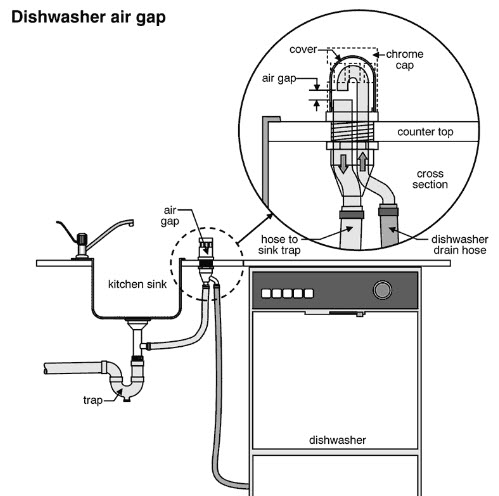
The dishwasher air gap is a small cylinder usually placed on top of your sink or countertop. Its main job is to prevent dirty water from your sink from going back into the dishwasher. This happens when there’s a problem in the drain line or a big blockage. Without an air gap, your dishwasher can fill up with soapy, dirty water, leading to bad smells and even health risks.
Many homes, especially in the United States and Canada, require an air gap by plumbing codes. It is a simple device, but it plays a big role in keeping your dishes safe and your kitchen healthy.
How The Air Gap Works
The air gap has two hoses underneath:
- One hose connects your dishwasher to the air gap.
- The second hose connects the air gap to your sink drain or garbage disposal.
If the sink drain gets blocked, the air gap lets water escape through its vent instead of pushing dirty water back into the dishwasher.
Key Insight: Many people think if the dishwasher is draining slowly, the problem is always inside the dishwasher. But often, the air gap is the first place you should check.
Signs Your Dishwasher Air Gap Needs Cleaning
Not every dishwasher problem comes from the air gap, but these warning signs mean it’s time to look at it:
- Water leaking from the air gap onto your counter or sink.
- Gurgling sounds or bubbling in the sink when the dishwasher runs.
- Standing water in the bottom of your dishwasher after a cycle.
- Unpleasant odors from the air gap or sink.
- Dishwasher not draining or draining slowly.
Ignoring these signs can lead to bigger problems, including water damage or mold growth. The air gap is small, but it can shut down your dishwasher if blocked.

Credit: www.dummies.com
Tools And Supplies Needed
Before starting, gather these basic tools. Most people already have them at home:
- A small cup or mug
- Old toothbrush or small bottle brush
- Toothpicks or a straightened paperclip
- Bowl or bucket for draining water
- Sponge or rag
- Mild dish soap
- White vinegar (for deeper cleaning)
- Adjustable pliers (in rare cases, for stuck covers)
- Gloves (optional, for protection)
Having everything ready saves time and prevents mess.
Step-by-step Guide: How To Clean Air Gap On Dishwasher
Cleaning the air gap is simple if you follow these steps. You do not need plumbing skills, just a little patience and care.
1. Turn Off The Dishwasher
Always turn off the dishwasher before you start. If it is running, press the cancel or off button. You do not need to disconnect power for air gap cleaning, but avoid turning on the dishwasher until you finish.
2. Locate The Air Gap
Find the air gap on your sink or counter. It looks like a small metal or plastic dome, usually about the size of an egg. Sometimes, it’s next to the faucet.
3. Remove The Air Gap Cover
Gently pull the cover straight up. Some covers twist off; others lift with a gentle wiggle. If it’s stuck, use adjustable pliers, but don’t squeeze too hard, or you may break the cover.
Pro Tip: Place a towel under the air gap to catch any drips.
4. Inspect The Inside
Under the cover, you’ll see a plastic cylinder with slots or holes. Look for:
- Food bits or grease
- Gunk or mold
- Signs of hard water deposits
If you see black or brown buildup, it’s time for a deep clean.
5. Clean The Air Gap With A Brush
Use an old toothbrush or bottle brush to scrub inside the air gap. Scrub around the slots, inside the cylinder, and any visible parts.
- For stubborn grime, dip the brush in white vinegar.
- Use a toothpick to poke out food stuck in small holes or corners.
6. Flush The Air Gap
Place a cup or mug over the air gap opening. Pour a small amount of hot water (not boiling) through the air gap to flush out loose debris. Let it drain into the sink or a bowl.
If water backs up through the air gap, you may have a deeper clog in the hose below.
7. Clean The Hoses (if Needed)
Sometimes, the clog is in the hose, not just at the top.
- Go under the sink and locate the two hoses attached to the air gap.
- The larger hose goes to the drain or garbage disposal.
- If comfortable, loosen the clamp on the larger hose with a screwdriver and gently remove it.
- Use a flexible brush or poke gently with a straightened hanger to remove debris.
- Flush the hose with warm water.
Caution: Always have a bowl or towel ready to catch any water.
8. Reassemble The Air Gap
Put the air gap back together:
- Place the cylinder back if you removed it.
- Snap or twist the cover back on.
- Make sure it sits tight and upright.
9. Test The Dishwasher
Run a short rinse cycle. Watch the air gap for leaks or water overflow. The water should flow smoothly with no backing up or spills.
Key Insight: If water still comes out of the air gap after cleaning, the problem may be in the drain line or garbage disposal, not the air gap itself.
How Often Should You Clean The Dishwasher Air Gap?
Most experts recommend cleaning the air gap every 3 to 6 months. In homes with hard water or heavy dishwasher use, check it monthly. If you notice any warning signs, clean it right away.
Regular cleaning prevents costly repairs and keeps your dishwasher smelling fresh.
Common Problems And How To Fix Them
Even after cleaning, you may face some problems. Here are the most common issues and what to do:
Water Still Leaks From The Air Gap
- Check for blockages in the hose to the drain or garbage disposal.
- Make sure the hose is not kinked or bent.
- If you have a garbage disposal, run it to clear any blockages.
Air Gap Smells Bad
- Scrub with vinegar and a brush.
- Pour a mix of baking soda and vinegar down the air gap, let it fizz, then flush with hot water.
Dishwasher Still Doesn’t Drain
- Clean the filter at the bottom of the dishwasher.
- Check the drain hose for clogs.
- If you cannot find the problem, you may need a plumber.
Non-Obvious Insight: Sometimes, a new garbage disposal is installed without removing the “knockout plug” where the air gap hose connects. This blocks drainage completely. Always check for this if you just replaced your disposal.
Comparing Air Gap Vs. High Loop Drain Method
Some homes use a high loop instead of an air gap. A high loop means the dishwasher drain hose is attached high under the sink before going down to the drain.
Here’s a quick comparison for clarity:
| Feature | Air Gap | High Loop |
|---|---|---|
| Backflow Protection | Excellent (physical break in water path) | Good (gravity, but not perfect) |
| Required by Code? | Yes (in most places) | No (usually not allowed alone) |
| Maintenance Needed | Regular cleaning | Almost none |
| Clog Risk | Can clog with food/grease | Less likely, but possible |
| Easy to Install? | Simple, but needs a hole in sink/counter | Very easy, just reroute hose |
Key Point: If your home requires an air gap by code, you must use it. A high loop is not a legal substitute in most U.S. states.
Mistakes To Avoid When Cleaning The Air Gap
Even simple jobs can go wrong. Here are five mistakes beginners often make:
- Forcing the cover: If it’s stuck, don’t pry or twist too hard. Plastic can crack easily.
- Using harsh chemicals: Bleach or strong cleaners can damage plastic parts.
- Skipping the hose check: If the air gap is clean but still leaking, always check the hoses underneath.
- Forgetting to test: Always run the dishwasher after cleaning to check for leaks.
- Ignoring repeat clogs: If you clean the air gap often but it keeps clogging, there may be a bigger drain problem.

Credit: www.youtube.com
How A Clogged Air Gap Affects Dishwasher Performance
You might be surprised at how much trouble a little clog can cause. Here’s what happens:
- Dirty dishes: If water can’t drain, food bits and dirty water stay in the machine.
- Standing water: Pooled water creates bad smells and can encourage bacteria.
- Leaks and floods: Water may escape onto your counter, cabinets, or floor.
- Increased repair costs: Ignoring air gap problems can damage the dishwasher pump.
Data Point: According to the Environmental Protection Agency, a leaky dishwasher can waste more than 10 gallons of water per cycle if not fixed quickly.
When To Call A Professional
Most air gap problems are easy to fix, but call a plumber if:
- You find mold or bad smells that don’t go away after cleaning.
- The hoses are cracked or leaking.
- There is standing water under your sink.
- You are not comfortable removing hoses or parts.
Experience-Based Guide: Homeowners often wait too long to call for help, leading to water damage. If you are unsure, a quick call can save time and money.
How To Prevent Air Gap Clogs In The Future
Prevention is always better than repair. Here are practical ways to keep your air gap clear:
- Scrape plates before loading. Large food bits can clog hoses and the air gap.
- Run hot water in the sink before starting the dishwasher. This helps flush grease through the system.
- Clean the air gap every 3 to 6 months.
- Use dishwasher cleaner tablets monthly to reduce grease and buildup.
- Avoid harsh drain cleaners. They can damage plastic and rubber parts.
Non-Obvious Insight: If you notice white or chalky buildup, your home may have hard water. A water softener or vinegar rinse can help reduce mineral deposits in the air gap.
Troubleshooting: What If Problems Continue?
Sometimes, even after cleaning, problems remain. Here’s a summary table to help you diagnose:
| Symptom | Possible Cause | What to Do |
|---|---|---|
| Water leaks from air gap during every cycle | Clogged hose or drain line | Remove and clean hoses; check garbage disposal |
| Bad smell from air gap | Food or grease buildup | Deep clean with vinegar and brush |
| Standing water in dishwasher | Blocked air gap or filter | Clean both air gap and dishwasher filter |
| No improvement after cleaning | Drain line problem or installation error | Check drain hose for kinks; call a plumber |
| Repeated clogs | Too much food entering dishwasher | Scrape plates, rinse with hot water |
Air Gap Maintenance For Different Dishwasher Brands
While the basic air gap is similar across brands, some differences exist:
- Bosch: Air gaps are required for warranty in many regions.
- Whirlpool/Maytag: Use standard air gap fittings but may differ in cover design.
- LG/Samsung: Often use a high loop in other countries, but U.S. models still need air gaps in many cases.
Always check your user manual. Some brands have extra screens or filters near the air gap; clean these too.
How To Tell If Your Air Gap Needs Replacement
Cleaning helps most of the time, but sometimes, the air gap needs replacing. Signs include:
- Cracked or broken plastic
- Rust or corrosion on metal parts
- Persistent leaks even after cleaning
Replacement air gaps are inexpensive and sold at hardware stores. Bring your old one to match the size.
Environmental Impact Of A Clogged Air Gap
A blocked air gap does not just hurt your dishwasher. It can cause water to spill onto floors, leading to wasted water and even mold in your kitchen. Mold is not only unsightly but can also cause allergies and health problems.
Fact: The average U.S. household uses 10 gallons of water per dishwasher cycle. A small leak each time can add up to hundreds of gallons wasted per year.
Key Benefits Of Regular Air Gap Cleaning
By keeping your air gap clean, you:
- Prevent expensive repairs
- Keep dishes healthier and cleaner
- Avoid kitchen odors
- Reduce water waste
- Prolong the life of your dishwasher
These benefits save both money and stress over time.
How To Clean An Air Gap In Apartments Or Shared Housing
If you rent or share a home, you may not have access under the sink. In these cases:
- Ask your landlord or property manager before removing parts.
- Clean only the top of the air gap with a brush and hot water.
- Report leaks or persistent problems quickly to avoid damage and disputes.
Comparing Different Air Gap Designs
Air gaps come in different styles and materials. Here’s a comparison of common types:
| Type | Material | Durability | Maintenance |
|---|---|---|---|
| Basic plastic | Plastic | Good | Easy to clean, can stain |
| Metal cap | Metal (stainless or chrome) | Very good | Resists stains, but can scratch |
| Designer/colored | Plastic/Metal mix | Varies | Match sink style, but may need special cleaning |
Choose a design that fits your sink and is easy to remove for cleaning.
Additional Resources
For more information on dishwasher installation and plumbing codes, you can visit the Wikipedia page on Air Gap (Plumbing). This resource covers the technical background and why air gaps are required in many regions.
Frequently Asked Questions
Why Does My Air Gap Leak During Every Dishwasher Cycle?
This usually means the drain hose or garbage disposal is clogged. Water cannot flow out, so it backs up through the air gap. Clean the hoses, check for kinks, and run the garbage disposal to clear any blockages.
Can I Use A High Loop Instead Of An Air Gap?
A high loop is better than nothing, but most U.S. codes require an air gap for dishwashers. A high loop does not offer the same level of backflow protection. Always check your local plumbing rules.
How Often Should I Clean My Dishwasher Air Gap?
Most homes should clean the air gap every 3 to 6 months. If you use your dishwasher daily or notice slow drainage, check it more often.
What Should I Do If I See Mold In The Air Gap?
Wear gloves, scrub the air gap with a brush and white vinegar, and rinse well. If mold returns or the smell stays, you may need to replace the air gap or clean the hoses.
Is Cleaning The Air Gap A Diy Job, Or Do I Need A Plumber?
Most people can clean the air gap themselves with basic tools. If you find leaks, cracked hoses, or cannot remove the clog, call a plumber for help.
Keeping your dishwasher’s air gap clean is a simple but powerful way to protect your kitchen and appliances. A few minutes every few months will keep your dishwasher working like new and save you from big problems later on.
Credit: www.subzero-wolf.com