
Remodeling your kitchen can be exciting, but it often brings stress and disruption to daily life. For many families, the kitchen is the heart of the home—a place for cooking, eating, and gathering. So, when your kitchen is out of action for weeks or months, life can feel upside down. That’s why knowing how to set up a temporary kitchen during remodel is essential. With the right planning and a few smart strategies, you can keep your routine smooth, save money, and avoid the temptation of eating out every day.
A temporary kitchen doesn’t need to be fancy, but it should be functional. The goal is to create a space where you can prepare simple meals, wash dishes, and store essentials. In this guide, you’ll find practical steps, expert tips, and some often-overlooked advice to help you survive your remodel with less hassle.
From picking the best spot to organizing your supplies and making the most of small spaces, every detail matters. Let’s dive into how you can set up an efficient, comfortable temporary kitchen until your dream kitchen is ready.
Why You Need A Temporary Kitchen
When construction takes over your kitchen, basic routines like making coffee or packing lunches become hard. Many people underestimate how quickly costs add up when eating out or buying convenience foods. A well-planned temporary kitchen helps you:
- Control your food budget
- Eat healthier meals
- Keep a sense of normalcy at home
- Reduce stress for your family
Even a small, simple setup can make a huge difference. It’s not just about cooking—it’s about keeping your life running as smoothly as possible.
Choosing The Right Location
The first step is to pick a spot for your temporary kitchen. The best location depends on your home’s layout, but certain factors are always important.
Proximity To Water
Having access to a water source saves time and effort. If possible, set up near a bathroom, laundry room, or utility sink. Carrying dishes to wash in a tub gets tiring fast. Even a short walk can feel long after a few days.
Access To Power Outlets
Most small appliances need electricity. Make sure your chosen area has enough power outlets. If not, invest in a heavy-duty extension cord, but never overload circuits.
Ventilation
Cooking—even with a microwave or toaster oven—creates heat and odors. Good ventilation prevents your space from feeling stuffy. Open windows, use a fan, or choose an area with good air flow.
Space And Safety
Avoid high-traffic areas where kids or pets play. Safety is key when using hot appliances or sharp tools. A corner of the dining room, basement, or garage can work well, as long as it’s safe and accessible.
Table: Comparing Possible Locations
| Location | Access to Water | Power Outlets | Ventilation | Space | Suitability |
|---|---|---|---|---|---|
| Dining Room | Low | High | Medium | High | Good |
| Basement | Medium | Medium | Low | High | Average |
| Garage | Low | Medium | High | High | Average |
| Laundry Room | High | Medium | Medium | Low | Good |
| Outdoor Patio | Low | Low | High | High | Only in Good Weather |
Essential Appliances And Tools
Not every kitchen tool is needed for a temporary setup. Focus on multi-purpose appliances and tools that save time and space.
Must-have Small Appliances
- Microwave – Heats up leftovers and cooks simple meals.
- Toaster Oven – Bakes, toasts, and even roasts in small batches.
- Electric Kettle – Boils water for coffee, tea, instant noodles, or oatmeal.
- Hot Plate or Portable Induction Burner – For stovetop cooking like boiling, sautéing, or frying.
- Coffee Maker – If you rely on your morning cup.
- Mini-Fridge – Keeps essentials fresh. If possible, move your main fridge to the temp kitchen.
Useful Extras
- Slow Cooker or Instant Pot – Ideal for one-pot meals with little supervision.
- Blender – Great for smoothies or soups.
- Rice Cooker – Not just for rice—can cook oatmeal, steam veggies, or even make soups.
Essential Tools
- Cutting board
- Chef’s knife
- Paring knife
- Basic utensils (spoon, spatula, tongs)
- Mixing bowl
- Measuring cups and spoons
- Can opener
- Colander
Keep it simple. The fewer tools, the easier cleanup becomes.
Table: Appliance Functions At A Glance
| Appliance | Main Function | Extra Uses | Space Needed |
|---|---|---|---|
| Microwave | Reheat | Steam veggies, cook eggs | Small |
| Toaster Oven | Toast, bake | Broil, roast small items | Medium |
| Instant Pot | Slow cook, pressure cook | Rice, yogurt, stews | Medium |
| Electric Kettle | Boil water | Instant soup, oatmeal | Small |
Food Storage And Organization
A cluttered space makes cooking harder. Organize your temp kitchen so everything is easy to find and reach.
Dry Goods
Store basics like pasta, rice, cereal, canned beans, and sauces in clear bins or baskets. Label everything. Choose stackable containers to maximize limited space.
Refrigeration
If you can move your main refrigerator, do it early. If not, a mini-fridge or cooler with ice packs can handle essentials like milk, eggs, cheese, and leftovers.
- Tip: Plan meals to use perishable items first, reducing waste.
Non-perishable Snacks
Keep grab-and-go snacks handy—granola bars, nuts, crackers, and dried fruit. These are lifesavers for busy mornings or when you can’t cook.
Freezer Options
If you have a chest freezer or extra fridge in the garage, use it for bulk meals or frozen veggies. This reduces trips to the store and helps with meal planning.
Table: Food Storage Options
| Storage Type | Best For | Capacity | Special Considerations |
|---|---|---|---|
| Mini-Fridge | Milk, eggs, leftovers | Small | Organize by use-date |
| Cooler with Ice Packs | Drinks, small perishables | Very Small | Replace ice daily |
| Plastic Bins | Dry goods, snacks | Medium | Label clearly |
| Garage Freezer | Frozen meals, veggies | Large | Check power supply |
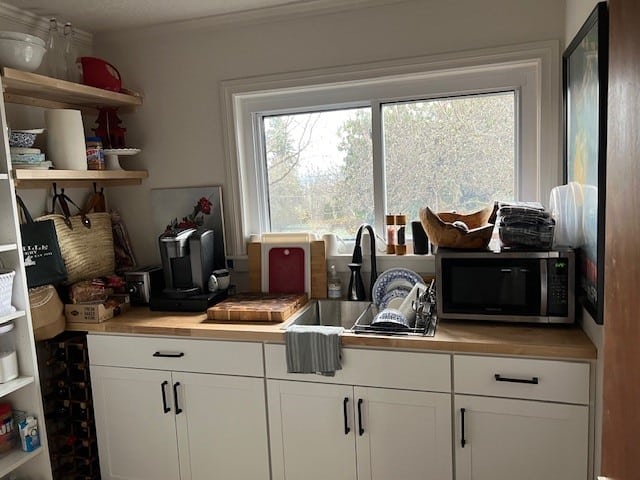
Credit: www.neilkelly.com
Cleaning And Dishwashing Solutions
One of the biggest challenges is washing dishes without a kitchen sink. Planning ahead can save time and frustration.
Portable Dishwashing
- Use a large plastic tub or basin for washing and another for rinsing.
- Wash dishes in a bathroom, laundry room, or utility sink.
- Avoid pouring food scraps down non-kitchen drains to prevent clogs.
Disposable Vs. Reusable
Disposable plates and cutlery can make life easier, but they add up in cost and waste. Try a mix: use reusable mugs and bowls for breakfast, disposables for busy nights.
Drying Rack
A foldable drying rack saves counter space. Lay out a clean towel if you don’t have one.
Cleaning Supplies
Keep these handy:
- Dish soap
- Sponge and scrub brush
- Trash bags
- Paper towels
- All-purpose cleaner
Reduce Dirty Dishes
- Plan one-pot meals to use fewer pans.
- Reuse the same mug or bowl for multiple meals a day.
Meal Planning And Cooking Strategies
Cooking in a temporary kitchen is different from your normal routine. Keep meals simple, flexible, and quick.
Focus On Simple Recipes
Choose recipes with minimal ingredients and steps. Think stir-fries, salads, sandwiches, or wraps. Slow cooker recipes are great—just toss everything in and let it cook.
Batch Cooking
Cook larger portions and enjoy leftovers for lunch or dinner the next day. This reduces cooking and cleanup time.
Prepped Ingredients
Buy pre-cut veggies, rotisserie chicken, or pre-cooked rice to save time. These can be more expensive, but the convenience is worth it during a remodel.
Cold Meals
Don’t forget about no-cook options:
- Yogurt and fruit
- Overnight oats
- Deli meats and cheese platters
- Fresh salads
Grilling Outdoors
If weather allows, fire up the grill for burgers, chicken, or veggies. This adds variety and keeps heat out of your home.
Example One-week Meal Plan
- Monday: Slow cooker chili, salad
- Tuesday: Grilled chicken, steamed veggies, rice
- Wednesday: Sandwiches, chips, fruit
- Thursday: Pasta with jarred sauce, green beans
- Friday: Stir-fry with frozen vegetables and tofu
- Saturday: Scrambled eggs, toast, berries
- Sunday: Pre-made pizza, salad
Non-obvious Tips
- Use your freezer: Prep and freeze meals before the remodel starts.
- Invest in a large thermos: Keeps soups or coffee hot for hours without reheating.
Organizing Your Temporary Kitchen
A little organization goes a long way, especially in small spaces.
Shelving And Storage
Portable shelving units, rolling carts, or even a folding table provide extra storage and workspace. Stackable bins keep food and tools tidy.
Zone Setup
Divide your space into zones:
- Prep area (cutting, mixing)
- Cooking zone (appliances)
- Clean-up zone (dish tubs, trash)
This helps everyone know where things are and keeps traffic moving smoothly.
Label Everything
Label bins, drawers, and containers so family members can find what they need—especially helpful if kids or guests are helping out.
Keep Essentials Handy
Store everyday items at the front. Pack away anything you won’t use during the remodel.
Managing Food Waste And Garbage
Garbage can pile up quickly without your normal kitchen setup.
- Use a trash can with a lid to control odors.
- Set up a recycling bin nearby.
- If your remodel blocks access to your main bin, plan regular trips to the outside trash.
Food Scraps
Collect food scraps in a small container and empty it daily. If you compost, keep a sealed bin outside to avoid attracting pests.
Reduce Waste
Buy smaller quantities of perishables. Use leftovers within two days to avoid spoilage.
Keeping Your Sanity: Family And Routine Tips
A kitchen remodel can feel like chaos, but you can keep life manageable with a few habits.
Set Expectations
Talk to your family about the changes. Let everyone know where things are and how they can help.
Meal Rotation
Create a rotating list of easy meals everyone enjoys. It reduces decision fatigue and keeps things predictable.
Involve Kids
Give kids simple tasks like setting the table, clearing dishes, or packing lunches. It keeps them involved and less frustrated by the disruption.
Take Breaks
It’s okay to order takeout or eat out sometimes. Don’t put too much pressure on yourself to cook every meal.
Celebrate Progress
Mark milestones—like the first day with new countertops or cabinets—with a special treat. It helps everyone stay positive.
Common Mistakes To Avoid
Many people make the same errors when setting up a temporary kitchen. Avoid these to save time, money, and stress.
1. Bringing Too Much Stuff
Only keep what you’ll use regularly. Too many gadgets clutter your space.
2. Ignoring Electrical Limits
Don’t plug several high-wattage appliances into one outlet. This can cause outages or even fire hazards.
3. Skipping Meal Planning
Without a plan, you’ll end up eating out more and wasting groceries.
4. Forgetting Cleaning Supplies
A clean space is safer and more pleasant. Stock up before the remodel begins.
5. Underestimating Time
Remodels often take longer than expected. Set up your temp kitchen for comfort, not just survival.
Timeline: Setting Up And Breaking Down
Before The Remodel Starts
- Pack up non-essential kitchen items first.
- Move your fridge, microwave, and key tools to the temp kitchen.
- Clean and set up your workspace.
- Stock up on easy foods and snacks.
During The Remodel
- Keep the temp kitchen organized.
- Adjust your setup if you notice problems (like lack of space or poor lighting).
- Track what you’re running out of and restock as needed.
After The Remodel
- Clean your temp kitchen area thoroughly.
- Return borrowed furniture or appliances to their original spots.
- Unpack your new kitchen slowly, organizing as you go.
Safety Considerations
Safety is essential in a temporary kitchen, especially when using appliances outside their normal settings.
- Never leave appliances unattended while in use.
- Keep cords away from water and out of walkways.
- Use surge protectors for extra safety.
- Store sharp knives and cleaning supplies out of reach of children.
- Make sure your smoke detector batteries are fresh.
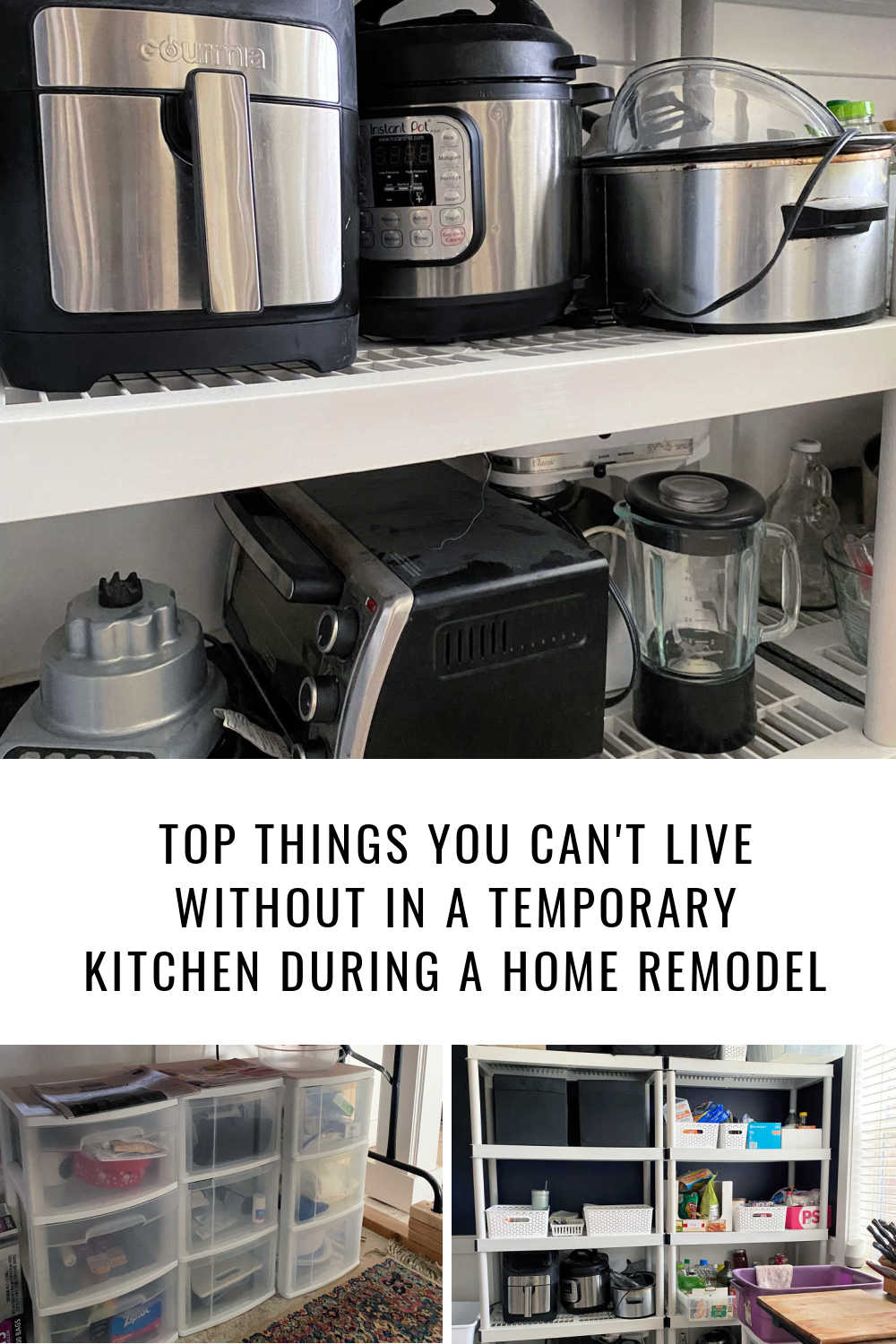
Credit: www.rachelteodoro.com
Cost-saving Ideas
Remodels are expensive, so it’s smart to keep your temp kitchen budget-friendly.
- Borrow appliances from friends or neighbors.
- Buy gently used items at thrift stores or online marketplaces.
- Use what you have before buying new gadgets.
- Plan meals around what’s on sale or in your pantry.
You don’t need to spend a lot to eat well during a remodel.
Making The Most Of Limited Space
Many people feel overwhelmed by the lack of counter space. Here are a few tricks:
- Use a large cutting board over the sink or on a sturdy box.
- Store appliances under the table and pull them out as needed.
- Hang utensils from hooks or a pegboard.
- Use vertical storage—shelves or stackable bins—to maximize space.
When To Get Creative
A temporary kitchen is a chance to try new things. You may find you enjoy simpler meals or eating together in new places.
- Picnic in the backyard or living room.
- Try international recipes that use minimal tools.
- Host a “no-cook” dinner party and ask friends to bring dishes.
You might discover new family favorites you’ll keep even after your kitchen is finished.
Resources For More Help
Remodeling is a big project, and sometimes you need extra advice. For more tips on setting up a temporary kitchen and surviving a renovation, check out Houzz.
%20(2)-1.png)
Credit: www.mclennancontracting.com
Frequently Asked Questions
How Long Do I Need To Use A Temporary Kitchen During A Remodel?
The average kitchen remodel takes 6-12 weeks, but delays happen. Plan for your temporary kitchen to last a few weeks longer than the contractor’s estimate. Some large projects can stretch to several months, especially if custom cabinets or major plumbing work are involved.
What Can I Cook Without A Stove Or Oven?
You can prepare many meals with just a microwave, toaster oven, or slow cooker. Think salads, sandwiches, reheated leftovers, one-pot stews, and grilled foods (if you have an outdoor grill). Many grocery stores also offer pre-cooked proteins and cut veggies to make meal prep easier.
How Do I Keep My Temporary Kitchen Organized?
Use portable shelves, labeled bins, and baskets to keep food and tools tidy. Store everyday items at the front and pack away things you won’t use. Clean up after each meal to prevent clutter and make cooking more enjoyable.
Is It Safe To Use Multiple Appliances At Once?
It’s safe if you don’t overload electrical circuits. Avoid plugging several high-wattage appliances into the same outlet. Use surge protectors and check your home’s electrical limits. If unsure, ask your contractor or an electrician for advice.
How Can I Reduce Waste And Keep Costs Down?
Plan meals ahead, buy only what you need, and use leftovers. Mix reusable and disposable dishes to balance convenience and cost. Borrow or buy used appliances instead of new ones, and focus on simple meals to avoid extra spending.
Setting up a temporary kitchen during a remodel takes effort, but with careful planning, you’ll keep your home life running smoothly. Once your new kitchen is ready, you’ll appreciate it even more—and you might pick up a few handy habits along the way.