
Homemade caramel brings a special touch to desserts, drinks, and even breakfast foods. Its rich taste, smooth texture, and versatility make it a favorite in kitchens around the world. But after the excitement of making your own caramel, many people ask the same question: How do you store it safely and keep it tasting just as fresh as the day you made it? The truth is, caramel is a bit sensitive to air, moisture, and temperature. If you store it wrong, it can harden, separate, or spoil quickly.
Knowing the right ways to store caramel can make a big difference. You’ll not only keep the flavor and texture, but you’ll also avoid wasting your hard work. This guide will show you, step by step, how to store homemade caramel perfectly.
You’ll learn about containers, temperatures, shelf life, freezing, reheating, and solutions to common problems. Whether you made a soft caramel sauce, chewy caramels, or brittle shards, this article will help you keep your caramel delicious for weeks or even months.
Why Proper Storage Matters For Homemade Caramel
Making caramel at home is rewarding, but improper storage can ruin your efforts in a short time. Caramel is made from sugar, butter, and sometimes cream, and it reacts quickly to air and moisture. If left exposed, it can crystalize, dry out, or attract bacteria.
Homemade caramel usually lacks the preservatives found in store-bought versions. This means it has a shorter shelf life and needs more careful handling. If you store caramel poorly, it can become sticky, grainy, or unsafe to eat. Sometimes, it can even develop mold or strange flavors.
Proper storage keeps your caramel tasty and safe, and it also helps with portion control—especially if you want to enjoy caramel slowly, over several weeks.
Not all caramel is the same, though. Caramel sauce, caramel candies, and caramel shards each have their own storage needs. The storage method affects not just how long the caramel lasts, but also its taste and texture when you use it later.
Different Types Of Homemade Caramel And Their Storage Needs
Before choosing how to store your caramel, you need to know what type you have. Caramel comes in a few main forms, and each has unique properties.
Caramel Sauce
This is the liquid or pourable form, often used on ice cream or in coffee. It contains cream or milk, making it more likely to spoil. Caramel sauce is sensitive to both air and bacteria, so it must be stored airtight and, usually, in the refrigerator.
Soft Caramel Candies
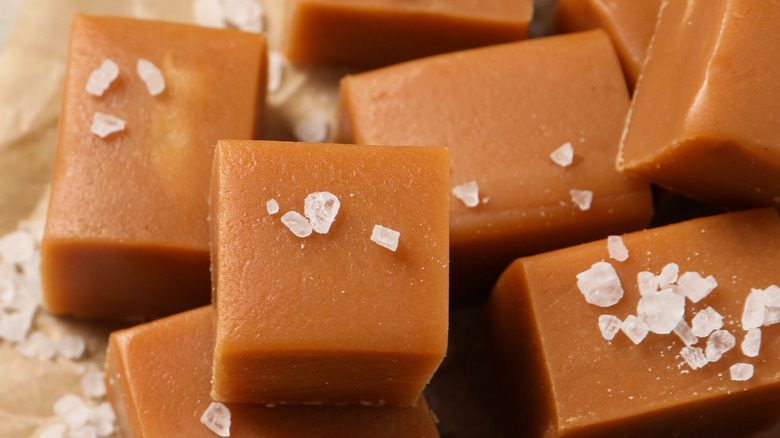
These are chewy, bite-sized pieces. They are firmer than sauce, but still soft and flexible. Because they have less water, they last longer at room temperature, but can still dry out if not stored properly.
Caramel Shards Or Brittle
These are hard pieces, often used for decorations or as snacks. They have very little moisture and are mostly sugar, so they are stable at room temperature but can absorb moisture from the air and become sticky.
The type of caramel you have will determine the best storage method and how long it will last.

Credit: natashaskitchen.com
Choosing The Right Container For Caramel Storage
The container you use is almost as important as where you put it. The wrong container can let in air, moisture, or smells from other foods, all of which can spoil your caramel.
Air-tightness Is Key
Air exposure is the main reason caramel dries out or changes texture. Always use containers that can close tightly. Some of the best options include:
- Glass jars with tight lids (like Mason jars)
- Plastic food storage containers with a strong seal
- Resealable plastic bags (for candies or shards)
- Silicone containers for freezer storage
Avoid containers that are hard to seal or that let in air, such as open bowls covered with foil.
Material Matters
Some materials are better than others for caramel storage:
- Glass: Does not absorb smells or colors. Great for sauce.
- Plastic: Lightweight and convenient but can stain or hold odors.
- Silicone: Flexible, good for freezing, and easy to clean.
- Metal tins: Good for candies or brittle, but avoid for sauce, as caramel can react with some metals.
Size
Pick a container that fits the amount of caramel you have. Too much empty space lets in more air, which can dry out the caramel. For sauces, fill jars almost to the top but leave a little space for expansion if freezing.
Wrapping Caramel Candies
If you have soft or chewy caramel candies, individually wrapping them can make a big difference. Use wax paper, parchment, or special candy wrappers. This keeps candies from sticking together and protects them from air and moisture.
Storing Caramel Sauce
Caramel sauce is delicious but more delicate than other types. The cream and butter in the recipe can spoil if left out.
Cooling Before Storing
Never pour hot caramel sauce directly into a closed container. Let it cool until just warm (about 30–60 minutes) before sealing. This prevents condensation, which can make the sauce watery or cause mold.
Refrigeration
Once cooled, pour the sauce into a sterilized glass jar or airtight container. Seal tightly and place in the refrigerator. Most caramel sauces last up to 3 weeks in the fridge.
Freezer Storage
For longer storage, caramel sauce can be frozen. Pour into a freezer-safe container, leaving about 1 inch of space at the top for expansion. Caramel sauce can be frozen for up to 3 months. Thaw in the fridge overnight when ready to use.
Preventing Crystalization
Sometimes, caramel sauce can turn grainy if sugar crystals form. To avoid this:
- Don’t stir too much after cooking.
- Store in a clean, dry container.
- Make sure the lid is tight to keep out moisture.
Signs Of Spoilage
Watch for changes in smell, color, or texture. If you see mold, sour smells, or separation that doesn’t mix back together, it’s time to throw it out.
Storing Soft Caramel Candies
Soft caramel candies are a treat, but they can quickly become hard or sticky if not stored correctly.
Wrapping For Freshness
Wrap each piece in wax paper, parchment, or cellophane. This keeps air and moisture out and stops candies from sticking together. Store wrapped candies in a tin or airtight container.
Room Temperature
If your home is cool and dry (below 70°F/21°C), you can keep wrapped soft caramels at room temperature for up to 2 weeks. Avoid sunny spots, as heat can melt them.
Refrigeration And Freezing
For longer storage, place the wrapped candies in an airtight container and refrigerate. They’ll last about 1 month in the fridge. For even more time, freeze them (see “How to Freeze Caramel” below).
Humidity Warning
Caramel absorbs moisture from the air, which can make it sticky or cause sugar to crystalize. In humid climates, always keep caramels in a tightly sealed container.
Storing Caramel Shards And Brittle
Caramel shards are mostly sugar, so they’re less likely to spoil. However, they can become sticky or cloudy if not stored right.
Keep Dry
Moisture is the main enemy of caramel shards. Always store in an airtight container in a cool, dry place. Add a small food-safe desiccant packet or a few grains of dry rice to the container to absorb extra moisture (be sure not to eat them).
Avoid The Fridge
Refrigerators are humid, so they can make caramel brittle sticky. Room temperature is best, as long as it’s not too warm.
Shelf Life
Properly stored caramel shards can last for several weeks at room temperature. If they start to get sticky, you can bake them for a few minutes at a low temperature (about 250°F/120°C) to dry them out again.
How To Freeze Caramel
Freezing is an excellent way to store caramel for months. But not all types freeze equally well. Here’s how to do it right.
Freezing Caramel Sauce
- Let the sauce cool to room temperature.
- Pour into a freezer-safe container (glass or plastic).
- Leave at least 1 inch of space at the top for expansion.
- Seal tightly and label with the date.
- Freeze for up to 3 months.
To use, thaw in the refrigerator overnight. If the sauce separates, stir gently after reheating.
Freezing Soft Caramel Candies
- Wrap each piece individually.
- Place in a freezer bag or container.
- Squeeze out as much air as possible before sealing.
- Freeze for up to 6 months.
Let candies sit at room temperature for about 30 minutes before unwrapping and eating. This prevents them from absorbing moisture as they thaw.
Freezing Caramel Shards
Caramel shards can be frozen, but they’re best stored at room temperature. If you must freeze them, make sure they’re in a completely airtight container to prevent condensation.
Avoid These Freezing Mistakes
- Don’t freeze caramel while it’s still warm.
- Don’t freeze in thin plastic bags alone—use a hard container to prevent crushing.
- Label everything with the date to track how long it’s been frozen.
Thawing And Reheating Caramel
Proper thawing and reheating can restore caramel to its best texture and taste.
Thawing Caramel Sauce
Move the container from the freezer to the refrigerator and let it thaw overnight. Don’t rush by microwaving directly from frozen—it can separate.
Reheating Caramel Sauce
- Heat gently in a saucepan over low heat.
- Stir constantly to avoid burning.
- For microwave: Use 15-second bursts, stirring in between.
If the sauce looks separated, whisk it gently or add a spoonful of cream to bring it back together.
Thawing And Enjoying Soft Caramels
Let caramels come to room temperature before unwrapping. This prevents condensation from making them sticky.
Fixing Texture Problems After Freezing
If the caramel feels grainy or too hard, warm it slightly and stir or knead it gently. Adding a tiny bit of butter or cream can help soften it.
Common Caramel Storage Problems And Solutions
Even with good storage, problems can happen. Here’s how to fix the most common issues.
Caramel Sauce Turned Grainy
This usually means sugar crystals have formed. To fix:
- Warm the sauce gently and stir until smooth.
- Add a teaspoon of warm water or cream if needed.
Caramel Candies Stuck Together
If candies are stuck, put them in the fridge to firm up, then gently pull apart and rewrap.
Caramel Became Too Hard
This happens if caramel dries out. Try warming it slightly (microwave for 5 seconds at a time) or knead with butter.
Sticky Or Wet Caramel Shards
Moisture is the cause. Dry the pieces in the oven at low heat, then store in a dry, airtight container.
Mold Or Sour Smell
If you ever see mold or smell anything sour, throw the caramel away. It’s not safe to eat.
How Long Does Homemade Caramel Last?
Shelf life depends on storage method, type, and ingredients. Here’s a quick comparison:
| Caramel Type | Room Temperature | Refrigerator | Freezer |
|---|---|---|---|
| Caramel Sauce | 2 days | 3 weeks | 3 months |
| Soft Caramel Candies | 2 weeks | 1 month | 6 months |
| Caramel Shards/Brittle | 4 weeks | Not recommended | 3 months |
These are general guidelines. Always check your caramel for signs of spoilage before eating.
Credit: www.thekitchn.com
Mistakes To Avoid When Storing Homemade Caramel
Some mistakes are common, especially for beginners. Avoid these to keep your caramel perfect:
- Storing warm caramel in a closed container (causes condensation).
- Using containers that are not airtight.
- Leaving caramel in the sun or a warm place.
- Not wrapping candies individually (leads to sticking).
- Storing caramel near strong-smelling foods (caramel absorbs odors).
- Freezing in thin bags that can tear or let in air.
- Not labeling containers with dates.
- Ignoring signs of spoilage.
- Refrigerating caramel shards (adds moisture and makes them sticky).
- Overfilling containers (no space for expansion when freezing).
- Using metal containers for sauce (can react with acids in caramel).
- Not cleaning containers well before use (introduces bacteria).
- Unwrapping candies while still cold (can cause wet, sticky surfaces).
- Not stirring reheated sauce (can burn or separate).
- Skipping the cooling step before sealing.
Advanced Tips For Keeping Caramel Fresh
If you want your caramel to taste bakery-fresh, try these expert tips:
- Store caramel candies with a small piece of wax paper between layers to prevent sticking.
- For large batches, portion caramel into several containers so you only open what you need.
- If using a glass jar, sterilize it first by boiling for 10 minutes and letting it dry.
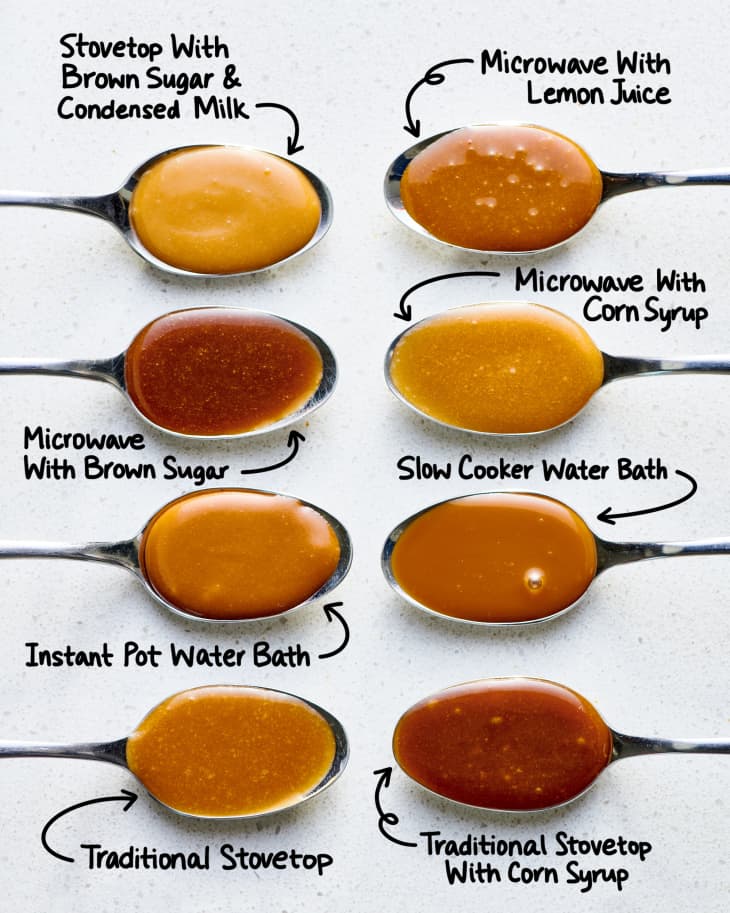
- Add a drop of lemon juice or corn syrup to the recipe to help prevent crystallization.
- For caramel sauce, press a piece of plastic wrap directly onto the surface before sealing to keep out air.
- For longer shelf life, consider vacuum sealing candies or caramel shards.
- Always use clean utensils when scooping caramel to avoid contamination.
Comparing Homemade Vs. Store-bought Caramel Storage
Many people wonder if homemade caramel needs different storage than store-bought. The answer is yes.
| Feature | Homemade Caramel | Store-Bought Caramel |
|---|---|---|
| Preservatives | No | Often Yes |
| Shelf Life | Shorter | Longer |
| Refrigeration Needed | Usually | Sometimes |
| Texture Changes | Possible | More Stable |
Homemade caramel is fresher and often tastes better, but you must be more careful with storage to avoid spoilage.
How To Store Caramel For Gifting
If you want to share your homemade caramel, storage is even more important. Here’s how to keep it fresh and beautiful for gifts:
- Wrap candies or pieces individually in wax paper or cellophane.
- Place them in decorative tins or boxes with a tight lid.
- Add a note with storage instructions (e.g., “Keep in a cool, dry place”).
- For caramel sauce, use small glass jars and seal well.
- Deliver or ship as soon as possible after making.
If shipping, avoid sending during very hot months to prevent melting.
Storing Caramel With Other Foods
Caramel can absorb odors easily. Don’t store caramel near onions, garlic, or other strong-smelling foods. Also, keep caramel separate from foods with high moisture, like fresh fruit, to avoid stickiness.
If storing multiple sweets together, use layers of wax paper or parchment to keep items from sticking.
Recognizing When Caramel Has Gone Bad
Sometimes, caramel can go bad even with good storage. Here are signs to watch for:
- Mold on the surface
- Sour or off smell
- Unusual color (gray, green, or white patches)
- Separation that doesn’t mix back together
- Slimy or sticky texture (when it shouldn’t be)
When in doubt, throw it out. Food safety always comes first.
Credit: www.tastingtable.com
Frequently Asked Questions
How Do I Keep Caramel Sauce From Separating In The Fridge?
Separation happens when the butter and sugar split. To prevent this, always cool the sauce before chilling, store in an airtight container, and stir gently when reheating. If separation occurs, whisk the sauce while warming to bring it back together.
Can I Store Homemade Caramel At Room Temperature?
It depends on the type. Caramel sauce should be refrigerated. Soft caramels can stay at room temperature for up to two weeks if wrapped and in a cool, dry place. Caramel shards last longest at room temperature if kept dry.
Always check for signs of spoilage.
What’s The Best Way To Freeze Caramel?
For sauce, cool completely, then freeze in a hard, airtight container with space at the top. For candies, wrap individually and freeze in a bag or container. Label with the date and thaw slowly in the fridge or at room temperature.
Why Did My Caramel Turn Grainy After Storing?
Graininess is caused by sugar crystallization. It can happen if moisture gets in or the caramel is stirred too much after cooking. Always use dry, airtight containers and avoid sudden temperature changes. If it happens, reheat gently and stir until smooth.
Where Can I Learn More About Caramel Chemistry And Storage?
You can find more about the science of caramel and food storage at the Wikipedia Caramel page.
Homemade caramel can be simple to store if you use the right methods. With these tips, you’ll enjoy every last spoonful or chewy bite, keeping your caramel tasting fresh and delicious for as long as possible.