
Many people have faced the problem of their refrigerator rolling or moving when they open the door, load groceries, or clean behind the unit. This is not just an annoyance—if your refrigerator is not stable, it can affect its cooling performance, create safety risks, and even shorten the life of the appliance.
You might think that a rolling refrigerator is just an inconvenience, but in reality, it can damage your floor, cause leaks, or even lead to injuries if it tips.
Luckily, there are several practical ways to stop your refrigerator from rolling. Some methods are simple and quick, while others might require a bit more effort or special equipment. This article will walk you through every step, explain why refrigerators move, and provide reliable solutions that work.
By the end, you will know exactly how to secure your refrigerator, keep your kitchen safe, and avoid common mistakes that could make things worse.
Why Do Refrigerators Roll Or Move?
Before fixing the problem, it helps to understand why refrigerators roll in the first place. Most modern refrigerators come with wheels (also called casters) so you can move them for cleaning or repairs. But these wheels can cause trouble if not managed correctly.
- Uneven floors: Many kitchens have floors that are not perfectly level. A slight slope can cause the fridge to roll, especially when the heavy door is opened.
- Unengaged leveling legs: Some refrigerators have both wheels and leveling legs. If the legs are not lowered to the floor, the unit sits on the wheels and moves easily.
- Worn or damaged wheels: Over time, the wheels can become loose or damaged, making the refrigerator unstable.
- Incorrect installation: When a refrigerator is not installed correctly, it may not be balanced, causing it to shift or roll.
These issues can affect both old and new refrigerators. Addressing the root cause will help you find the right solution.
Quick Ways To Check If Your Refrigerator Is Stable
Before you start fixing, do a few simple checks to understand the problem:
- Gently push the refrigerator from the side. Does it move?
- Open the door quickly. Does the fridge slide forward?
- Check the floor with a level tool. Is the floor sloped?
- Look under the fridge to see if it sits on wheels, legs, or both.
These checks will help you pick the right method to stop the movement.
Engage The Leveling Legs
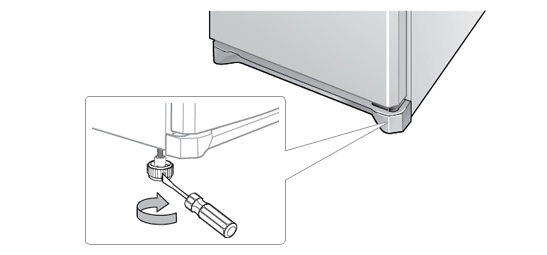
Most refrigerators are designed with leveling legs that can be adjusted to lift the wheels off the floor. This is one of the most effective solutions.
- Find the leveling legs: Usually, they are located at the front corners under the refrigerator. You might need to remove a grille or kick plate.
- Adjust the legs: Use a wrench or pliers to turn the legs. Turning them clockwise typically lowers the legs, lifting the wheels off the floor.
- Check balance: Use a bubble level on top of the fridge. Adjust until the refrigerator is level front-to-back and side-to-side.
- Test stability: Open and close the door. The fridge should not roll.
If your refrigerator only has wheels, or if the legs are broken or missing, you will need other solutions.
Example: Leveling Leg Adjustment
A homeowner noticed her fridge rolled forward every time she opened the door. By lowering the front leveling legs, the wheels were lifted off the floor, and the fridge stayed in place—even on her slightly sloped kitchen tiles. This simple fix took less than 10 minutes.
Use Wheel Locks Or Caster Cups
If your refrigerator has wheels only (no leveling legs), wheel locks or caster cups can help.
- Wheel locks attach to the wheels and prevent them from turning.
- Caster cups are rubber or plastic pads that sit under the wheels to stop movement.
How To Install Wheel Locks
- Buy locks that fit your refrigerator’s wheel size. Check the manual or measure the wheels first.
- Lift the fridge slightly (get help if needed).
- Snap or screw the locks onto the wheels.
- Lower the fridge and check for movement.
How To Use Caster Cups
- Place the cups on the floor where the wheels usually rest.
- Roll the fridge so each wheel sits inside a cup.
- The rubber grip increases friction, stopping the fridge from rolling.
Real-world Tip
Many people use furniture grippers for sofas or beds under their fridge wheels. While cheap, these may not last long under heavy weight. Always check the weight limit before using.

Credit: www.reddit.com
Level The Floor Under The Refrigerator
If your floor is the main reason for movement, leveling it can make a big difference.
- Use shims (thin, wedge-shaped pieces) under the wheels or legs to adjust for the slope.
- For uneven tiles or old wooden floors, try thicker rubber pads or custom-cut wood blocks.
How To Level With Shims
- Slide the fridge forward carefully.
- Place shims under the low side until the fridge sits evenly.
- Test with a bubble level.
- Trim any shims that stick out.
Pro insight: Some professionals use self-leveling floor compounds for major slopes, but this is rarely needed just for a fridge.
Add Non-slip Mats Or Pads
A simple non-slip mat or pad can increase friction and reduce movement. These mats are made from rubber or silicone.
- Choose a mat slightly larger than the fridge’s base.
- Place the mat where the fridge will sit, then move the fridge on top.
- The textured surface grips both the floor and the fridge.
Non-obvious insight: Non-slip pads work best on smooth floors (like tile or wood), but may not be as effective on carpet.
Secure The Refrigerator To The Wall
For extreme cases—such as in earthquake-prone areas or homes with children—anchoring the fridge to the wall adds extra safety.
How To Anchor
- Buy a refrigerator wall-anchoring kit.
- Attach the straps to strong points on the fridge’s rear frame.
- Screw the other end into wall studs, not just drywall.
- Leave a little slack so the fridge can be moved slightly for cleaning.
This method is common in hospitals and schools, where safety is critical.
Replace Worn Or Broken Wheels
If your fridge keeps rolling even after adjustment, check the wheels. Damaged wheels can’t grip the floor or hold the fridge steady.
- Remove the kick plate or grille to access wheels.
- Look for cracks, flat spots, or loose fittings.
- Order replacement wheels from the manufacturer or appliance store.
Practical example: A family noticed their fridge always drifted forward after a move. They found a broken rear caster that was not supporting weight. After replacement, the fridge stayed in place.
Compare Different Solutions
Here is a helpful comparison of the main methods to stop a refrigerator from rolling:
| Method | Cost | Difficulty | Effectiveness | Recommended For |
|---|---|---|---|---|
| Engage Leveling Legs | Free | Easy | High | Most fridges with legs |
| Wheel Locks/Caster Cups | Low | Easy | Medium-High | Fridges with wheels only |
| Level the Floor | Low-Medium | Medium | High | Sloped/uneven floors |
| Non-Slip Mats/Pads | Low | Easy | Medium | Tile/wood floors |
| Wall Anchoring | Medium | Hard | Very High | Earthquake zones/safety needs |
| Replace Wheels | Medium | Medium | High | Damaged casters |
Mistakes To Avoid When Securing Your Refrigerator
Many people try to fix a rolling refrigerator but make common mistakes:
- Ignoring the root cause: Just using a heavy object in front of the fridge does not solve the main issue and can be dangerous.
- Forcing the fridge into place: Pushing the fridge into a tight corner can damage the compressor by blocking airflow.
- Using cheap or weak materials: Thin pads or poor-quality locks can fail under the fridge’s weight.
- Not checking for water lines or electrical cords: When moving or adjusting, always check for hoses or wires to avoid damage.
- Skipping regular checks: Floors or wheels can change over time, so check stability every few months.
When To Call A Professional
Sometimes, the problem is too complex or risky to fix yourself. Call a professional if:
- The refrigerator is very large or heavy, and you cannot move it safely.
- The floor is badly damaged or rotted.
- The wheels, legs, or base of the fridge are broken and need special parts.
- The fridge is built into cabinetry or a custom kitchen setup.
Professionals have the right tools and experience to make sure everything is safe and secure.
How Refrigerator Movement Affects Performance
It’s not just about safety or convenience. A rolling refrigerator can:
- Cause uneven cooling if not level, making food spoil faster.
- Make the compressor work harder, using more energy and shortening its life.
- Damage water lines or electrical cords, leading to leaks or shorts.
- Mark or scratch floors, especially soft wood or vinyl.
A stable fridge works better, saves energy, and lasts longer.
Compare Refrigerator Types And Movement Risk
Different types of refrigerators have different risks for rolling:
| Type | Movement Risk | Why |
|---|---|---|
| Top Freezer | Medium | Moderate weight, often on wheels |
| Bottom Freezer | High | Heavier base, more moving parts |
| Side-by-Side | Medium | Wide, but usually has good leg support |
| French Door | High | Large, heavy doors increase rolling risk |
| Mini Fridge | Low | Lightweight, often without wheels |
Knowing your refrigerator type helps you choose the best way to stop movement.
Real-life Example: Fixing A Rolling Fridge In An Apartment
A renter in a high-rise apartment found that his new French door refrigerator slid every time he grabbed a drink. The kitchen floor was slightly uneven, and the fridge sat on wheels. The landlord refused to drill into the floor or wall. The renter solved the problem by:
- Placing thick rubber caster cups under each wheel to stop sliding.
- Adding shims on the low side to keep the unit level.
- Checking the fridge’s balance with a bubble level each month.
This combination kept the fridge stable, did not damage the floor, and met the landlord’s requirements.

Credit: www.amazon.com
Choosing The Right Solution For Your Home
With so many options, how do you choose? Consider these factors:
- Floor type: Tile, wood, and vinyl need different pads or cups.
- Refrigerator size: Heavier models need stronger solutions.
- Rental vs. owned home: Renters should avoid drilling or permanent changes.
- Budget: Some solutions are free; others cost more.
- Personal safety: If you have kids, pets, or live in an earthquake zone, anchor the fridge.
Expert advice: Start with the simplest methods (leveling legs or pads), then move to advanced solutions if needed.
How To Maintain Refrigerator Stability Over Time
Stopping your refrigerator from rolling is not a one-time job. To keep it stable:
- Check the leveling legs or pads every 6 months.
- Clean under the fridge to remove dust or spilled liquids that can cause slipping.
- Inspect wheels for wear.
- Re-level the fridge if you move it for cleaning or repairs.
- Watch for new floor problems, like cracked tiles or sagging wood.
Routine checks prevent big problems later.
Credit: www.samsung.com
Safety Tips When Moving Or Adjusting Your Refrigerator
Moving or adjusting a heavy fridge can be risky. Follow these safety tips:
- Unplug the fridge before moving to avoid electric shock.
- Empty the fridge of heavy items to make it lighter.
- Get help—never move a large fridge alone.
- Protect your floor with cardboard or a rug when sliding.
- Move slowly to avoid damaging water lines or cords.
- Wear gloves to protect your hands from sharp edges.
A little caution can prevent injuries and costly repairs.
How Fridge Design Has Changed Over Time
Older refrigerators often had fixed feet instead of wheels, making them less likely to move but harder to clean behind. Modern designs use wheels for convenience, but this creates new movement problems.
Manufacturers now add:
- Locking wheels or legs
- Heavier bases for better stability
- Anti-tip brackets for built-in models
When buying a new refrigerator, look for these features to avoid future rolling issues.
Environmental Factors That Can Worsen Fridge Movement
Some homes have special situations that make rolling more likely:
- High humidity: Moisture can make floors slippery.
- Frequent cleaning: Wet mops or cleaners can reduce friction.
- Nearby vibrations: Washing machines or heavy foot traffic can shake the floor.
In these cases, check stability more often and use heavy-duty pads or anchors.
How To Stop Refrigerator From Rolling: Step-by-step Summary
Here’s a quick step-by-step guide:
- Check the fridge’s balance and identify if it sits on wheels or legs.
- Engage leveling legs if present to lift the wheels off the floor.
- If no legs, install wheel locks or caster cups under each wheel.
- For uneven floors, use shims or pads to level and stabilize.
- On smooth floors, add non-slip mats under the fridge.
- For extra safety, anchor the fridge to the wall (if possible).
- Replace damaged wheels if you find cracks or flat spots.
- Regularly check and adjust as needed.
By following these steps, you can keep your refrigerator stable, safe, and working well for years.
Frequently Asked Questions
Why Does My Refrigerator Move Every Time I Open The Door?
The most common reasons are unengaged leveling legs, worn wheels, or an uneven floor. When the fridge sits on wheels instead of legs, it can roll easily, especially when the heavy door is opened quickly.
Is It Safe To Put Something Heavy In Front Of The Fridge To Stop It From Rolling?
No, this is not a good idea. Blocking the fridge can prevent proper airflow to the compressor, making the appliance less efficient and potentially causing damage. It’s better to use leveling legs, pads, or locks designed for this purpose.
Can Rolling Affect My Refrigerator’s Cooling?
Yes. If the refrigerator is not level, the coolant may not flow properly, and the doors may not seal tightly. This can lead to food spoiling faster and higher energy bills.
How Often Should I Check The Stability Of My Refrigerator?
Check the stability every 6 months or after any big cleaning or move. This helps spot problems early and keeps your fridge safe and efficient.
Where Can I Find More Information About Refrigerator Installation And Maintenance?
You can find detailed guidelines and tips at the official ENERGY STAR website, which covers refrigerator setup, maintenance, and efficiency.
A rolling refrigerator is more than just a minor annoyance—it can affect your kitchen’s safety, the appliance’s performance, and your peace of mind. By choosing the right solution and maintaining your fridge regularly, you can keep it steady and safe for years to come.