
Storing onigiri, the beloved Japanese rice ball, is more than just keeping a snack fresh. It’s about preserving its texture, flavor, and safety so you can enjoy it later without disappointment. Many people, especially beginners, run into issues like hard rice, soggy seaweed, or even spoiled fillings.
With the right methods, you can avoid these problems and keep your onigiri delicious for hours or even days. This guide will walk you through everything you need to know, from choosing the best ingredients to using smart storage tricks.
Whether you make onigiri for lunch, picnics, or meal prep, learning how to store it properly will make a big difference in taste and quality.
Why Storing Onigiri Correctly Matters
Onigiri may look simple, but storing it is a careful balance. The soft, sticky rice needs moisture to stay tender, while the nori (seaweed) should remain crisp. If you store onigiri the wrong way, the rice gets dry, the seaweed turns limp, and bacteria can grow, especially with certain fillings.
For people who pack onigiri for lunch or travel, poor storage often leads to disappointment.
Japanese convenience stores solve this with special packaging, but at home, you need other solutions. Understanding the risks—like food poisoning, loss of flavor, or texture changes—will help you see why storage is so important. For example, cooked rice left at room temperature can develop harmful bacteria after just a few hours.
Tuna mayo or chicken fillings spoil quickly without refrigeration. Even simple salted rice balls can dry out and become hard if left exposed.
The Main Enemies Of Onigiri Freshness
Before learning how to store onigiri, it helps to know what you’re protecting against:
- Moisture Loss: Rice dries out fast when exposed to air.
- Humidity: Too much moisture makes onigiri mushy and ruins nori’s crispness.
- Bacteria Growth: Warm, moist rice is a perfect place for bacteria to multiply.
- Cross-Contamination: Storing onigiri with other foods can lead to unwanted flavors or spoilage.
- Texture Changes: Refrigerators make rice hard; freezers can damage the shape.
Knowing these problems helps you pick the right storage method for your needs.
Choosing The Right Ingredients For Longer Storage
Some ingredients last longer than others. If you know you’ll need to store onigiri, choose fillings and wrappers wisely.
Rice Selection
- Use Japanese short-grain rice. It’s sticky and holds together well.
- Freshly cooked rice keeps moisture better; don’t use day-old rice unless you plan to reheat and reshape.
Fillings
Some onigiri fillings store better than others. Here’s a quick comparison:
| Filling | Refrigerator Life | Room Temp Life | Notes |
|---|---|---|---|
| Umeboshi (pickled plum) | 2-3 days | 8-12 hours | Natural preservative, very safe |
| Grilled Salmon | 1-2 days | 4-6 hours | Needs chilling |
| Tuna Mayo | 1 day | 2-4 hours | Mayonnaise spoils fast |
| Okaka (bonito flakes with soy sauce) | 2 days | 6-8 hours | Moderate shelf life |
| Kombu (seaweed) | 2 days | 6-8 hours | Safe if cooked |
Tip: Salted fillings and pickled items are safest for longer storage. Avoid raw fish or dairy-based fillings if you can’t refrigerate.
Nori (seaweed)
- Toasted nori is best for immediate eating.
- If storing for later, keep nori separate and wrap just before eating. This keeps it crisp.
Methods For Storing Onigiri
There is no single “best” way to store onigiri. The right method depends on how long you need to keep it, your environment, and what ingredients you use.
Short-term Storage (up To 6 Hours)
If you plan to eat your onigiri within a few hours, focus on keeping the rice moist and the nori crisp.
- Wrap Each Onigiri Individually
- Use plastic wrap to cover each rice ball completely.
- Press out as much air as possible.
- This keeps moisture in and blocks bacteria.
- Separate Nori Until Eating
- Store nori in a sealed bag or container.
- Add nori to the rice ball just before eating.
- Use an Insulated Lunch Bag
- Place wrapped onigiri in a lunch bag with an ice pack.
- Keeps temperature safe and prevents spoilage.
- Avoid Direct Sunlight
- Heat speeds up spoilage and dries out rice.
Insight: Many people forget that even short trips (like a commute) can heat up their lunch. Always use an ice pack, even for a few hours.
Medium-term Storage (6–24 Hours)
If you need to store onigiri overnight, refrigeration is needed—but it brings challenges.
- Wrap onigiri tightly in plastic wrap
- Minimizes air exposure.
- Prevents the rice from absorbing fridge smells.
- Place in an airtight container
- Extra protection from drying out.
- Keep nori separate
- Store in a dry, sealed bag.
- Add just before eating to avoid sogginess.
- Reheat before eating
- Cold rice gets hard. Microwave for 20–30 seconds with the plastic wrap on (but loosen it a little).
- Let it rest a minute to even out heat.
Tip: Don’t reheat onigiri with nori attached. The seaweed will become tough and chewy.
Long-term Storage (more Than 1 Day)
For longer periods, freezing is your best option. Freezing rice works surprisingly well if you use the right steps.
- Form onigiri and wrap individually
- Use plastic wrap, making sure no rice is exposed.
- Place in a freezer-safe bag
- Squeeze out extra air before sealing.
- Label with date and filling
- Helps you use oldest ones first.
- Keep nori separate
- Never freeze with nori attached.
- Thaw and reheat properly
- Remove from freezer, leave wrap on, and microwave for 1–2 minutes, depending on size.
- Let sit for 2–3 minutes before opening.
- Add fresh nori after reheating
| Storage Method | Best For | Rice Texture | Max Storage Time |
|---|---|---|---|
| Room Temp (with ice pack) | Lunch, short trips | Soft, fresh | 6 hours |
| Refrigerator | Overnight, meal prep | Can get hard | 24 hours |
| Freezer | Batch making, long-term | Good if reheated | 1 month |
Non-obvious insight: To keep rice soft after freezing, add a single drop of water inside the wrap before reheating. It creates steam and helps restore texture.

Credit: livejapan.com
How To Store Onigiri For Bento Boxes
Onigiri are a classic bento (Japanese lunch box) food. Storing onigiri in bento boxes has extra challenges: you want to keep flavors separate, avoid soggy rice, and keep the meal safe until lunch.
- Always wrap onigiri in plastic first. This keeps moisture in and stops rice from sticking to the box.
- Use bento boxes with separate compartments. This stops onigiri from touching wet foods like fruit or salad.
- Add an ice pack under the box. Keeps everything cold for several hours.
- Bring nori separately. Let each person wrap their onigiri at lunch for maximum crispness.
Practical tip: Line the bento section with a small piece of parchment paper before adding wrapped onigiri. This prevents condensation from making the bottom soggy.
Mistakes To Avoid When Storing Onigiri
Even experienced cooks make mistakes. Here are common errors and how to avoid them:
- Storing at Room Temperature Too Long
- Cooked rice can develop bacteria like Bacillus cereus after 2–6 hours at room temperature.
- Always use an ice pack or refrigerate if you’re not eating soon.
- Adding Nori Too Early
- Nori absorbs moisture fast. Only add it right before eating.
- Not Wrapping Tightly
- Loose wrapping lets moisture escape and air in, causing dry rice.
- Using Wet Fillings
- Wet fillings (like mayonnaise or creamy sauces) make rice soggy and shorten shelf life.
- Refrigerating Without Extra Wrapping
- Rice dries out quickly in the fridge if not double-wrapped.
- Forgetting to Label Frozen Onigiri
- Different fillings have different freezer lives. Always label to avoid confusion.
Expert tip: When making onigiri for travel or picnics, pack a small packet of salt. If the rice dries a little, a pinch of salt before eating can bring back flavor and moisture.

Credit: www.youtube.com
The Best Containers And Tools For Onigiri Storage
While plastic wrap is the most common tool, there are other helpful items for onigiri storage:
- Onigiri molds with lids: Shape and store onigiri in the same container; good for bento.
- Sealable silicone bags: More eco-friendly than plastic wrap and keep rice moist.
- Vacuum-sealed bags: Remove most air for longer freshness; great for freezing.
- Reusable wax wraps: A good choice for short-term storage if you avoid plastic.
- Mini ice packs: Fit easily in lunch bags and keep food safe.
Non-obvious insight: Japanese stores sell special onigiri wrappers with a plastic divider for nori. You can buy these online and recreate the “conbini” (convenience store) experience at home.
How To Store Onigiri For Picnics And Travel
Taking onigiri outside is popular, but it needs special care. Here’s how to keep your rice balls safe and tasty during a day out:
- Pack each onigiri in plastic wrap.
- Use an insulated lunch bag with 1–2 ice packs.
- Keep nori in a separate dry bag.
- Store in the coolest part of your bag, away from sunlight.
- If eating after 4–5 hours, check for sour smell or hard rice—signs of spoilage.
- Bring a small container of soy sauce or salt for extra flavor if needed.
Practical note: For hiking or long trips, choose umeboshi or salted salmon fillings. These are less likely to spoil in changing temperatures.
Comparing Different Wrapping Materials
What you wrap your onigiri in affects both freshness and taste. Here’s a quick look:
| Material | Moisture Control | Eco-friendly | Best Use |
|---|---|---|---|
| Plastic Wrap | Excellent | No | All types, freezing |
| Wax Paper | Good | Yes | Short trips, quick eating |
| Bamboo Leaf | Natural, mild | Yes | Traditional, picnics |
| Aluminum Foil | Fair | No | Outdoor, short-term |
| Silicone Bag | Very Good | Yes | Lunch boxes, eco-friendly |
Extra tip: Bamboo leaves, called “sasa,” are traditional in Japan for wrapping onigiri. They have a mild antibacterial effect and add a subtle aroma.
How To Reheat Stored Onigiri
Cold rice is not pleasant to eat. Here’s how to restore your onigiri’s soft texture after storing:
- If refrigerated: Leave plastic wrap on, microwave for 20–30 seconds per onigiri. Rest 1 minute before opening.
- If frozen: Do not thaw at room temperature. Microwave straight from frozen for 1–2 minutes. Let sit for 2–3 minutes.
- If using wax paper or bamboo: Remove wrapping before microwaving. Cover with a damp paper towel for best results.
Important: Always reheat rice to at least 74°C (165°F) for safety. Letting reheated onigiri cool too long can allow bacteria to grow again.
How To Store Onigiri Without Refrigeration
Sometimes you don’t have a fridge or ice pack. Here’s how to keep onigiri safe for a few hours:
- Use only salted rice and salty fillings (like umeboshi or salted salmon).
- Wrap tightly and keep in a shaded, cool place.
- Eat within 4–6 hours.
- Avoid creamy, meat, or egg fillings.
Insight: Traditional Japanese workers wrapped onigiri in bamboo and kept them in cloth bags. The salt and pickled fillings acted as natural preservatives.
Onigiri Storage For Large Batches And Meal Prep
Making onigiri in bulk saves time, but also increases food safety risks. Here’s a safe workflow:
- Shape and wrap each onigiri immediately after making.
- Cool quickly to room temperature (under 1 hour), then refrigerate or freeze.
- Use different colored wraps or labels for different fillings.
- Don’t refreeze onigiri that have already been thawed.
- Eat refrigerated onigiri within 24 hours for best quality.
Pro tip: For meal prep, freeze plain rice balls and add fillings or nori after reheating. This keeps flavors fresher and lets you vary your lunch each day.
Food Safety And Onigiri
Rice is a high-risk food for bacteria if not stored properly. Here are key safety rules:
- Cool cooked rice quickly: Don’t leave rice out longer than 1 hour after cooking.
- Use clean hands and tools: Wash hands and use gloves or plastic wrap to shape onigiri.
- Keep hot foods hot, cold foods cold: Never let onigiri sit in the “danger zone” (4–60°C or 40–140°F) for more than 2 hours.
- If in doubt, throw it out: If onigiri smells sour, feels sticky, or looks strange, do not eat it.
For more on rice safety, see this guide from Wikipedia.
How Japanese Convenience Stores Store Onigiri
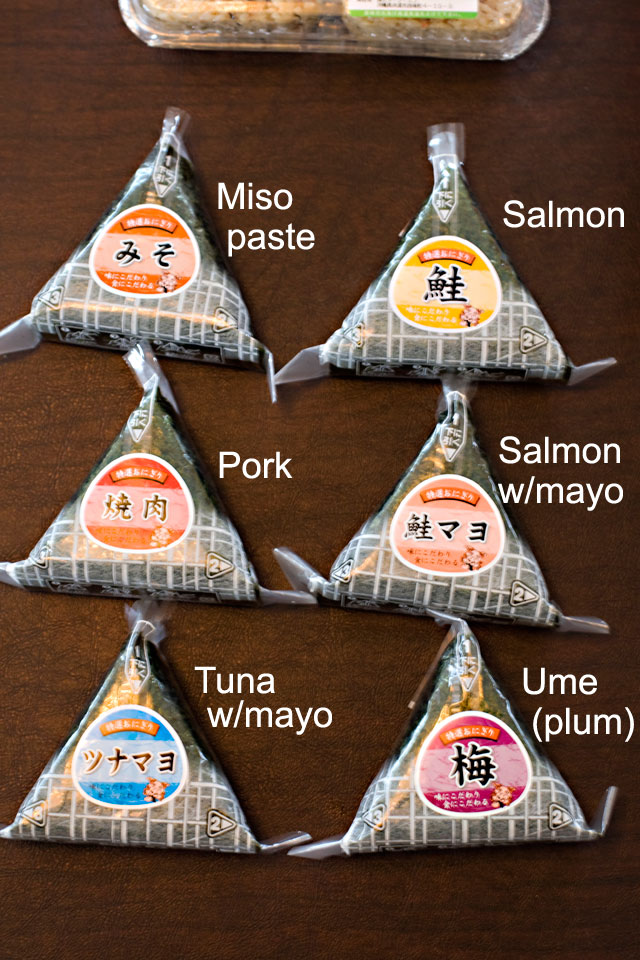
If you’ve ever bought onigiri from a Japanese “conbini,” you might wonder how they stay fresh. These stores use special packaging with a thin plastic divider that separates rice from nori. When you open it, the nori is crisp, and the rice is moist.
They also use preservatives, temperature control, and rapid delivery to keep food safe. While you can’t copy all these tricks at home, buying similar wrappers online helps you come close.
Credit: okinawahai.com
Frequently Asked Questions
How Long Can I Keep Onigiri At Room Temperature?
It is safest to eat onigiri within 4–6 hours at room temperature if you use salty or pickled fillings. If the room is hot (above 25°C/77°F), limit storage to 2–3 hours. Always use an ice pack if possible.
Can I Freeze Onigiri With Any Filling?
Not all fillings freeze well. Umeboshi, cooked salmon, and seasoned kombu do fine. Tuna mayo and egg fillings can change texture or leak water. For best results, freeze plain onigiri and add sensitive fillings after reheating.
Why Does My Rice Get Hard In The Fridge?
Refrigerators dry out rice and cause starch to crystallize, making rice hard. Wrapping tightly and reheating with a drop of water helps restore softness.
Can I Make Onigiri The Night Before?
Yes, but store them in the fridge, tightly wrapped. Keep nori separate and add it just before eating. For best taste, reheat the rice ball before eating.
Is It Safe To Pack Onigiri For A Picnic?
Yes, but use only safe fillings (like pickled plum or salted fish), wrap tightly, and use ice packs. Avoid creamy or raw fillings. Eat within 6 hours for safety.
Storing onigiri well means you’ll always have a tasty, safe snack or meal ready whenever you need it. With these tips and tricks, you can enjoy perfect rice balls at home, at work, or on the go.