
Storing tomato paste in the freezer is a smart way to reduce waste, save money, and always have this essential ingredient ready for your recipes. Many people use just a spoonful or two of tomato paste at a time, leaving the rest to spoil in the fridge.
Freezing solves this problem, but there are right and wrong ways to do it. Let’s explore every detail, tip, and method, so your tomato paste stays fresh, flavorful, and safe to use for months.
Why Freeze Tomato Paste?
Tomato paste is rich in flavor and concentrated nutrients. You often use only a small amount, but once the can is open, it spoils quickly in the refrigerator. Freezing helps you:
- Reduce food waste by storing leftovers for later use
- Save money by maximizing every can or tube you buy
- Maintain flavor and nutrients for a longer time
Most people don’t realize that tomato paste can spoil in a few days in the fridge. Mold or sour smells can develop even if it looks fine. Freezing is a much better solution.
But there’s more: freezing also keeps your cooking routine smooth. Imagine you’re halfway through a recipe and realize you need just a spoonful of tomato paste. If you have frozen cubes ready, you don’t have to open a new can or worry about leftovers. This small habit makes meal prep easier and less stressful.
Many cooks are surprised to learn how quickly tomato paste loses its punch in the fridge. Even if it doesn’t grow mold right away, the flavor dulls after just a few days. Freezing helps lock in that deep, fresh tomato taste that makes sauces and stews stand out.
Plus, you don’t need to add preservatives or extra salt, which keeps your dishes healthier.
Choosing The Right Tomato Paste For Freezing
Not all tomato pastes are the same. Some types freeze better than others. Here’s what to consider:
- Canned Tomato Paste: Most common and affordable. Works well for freezing, but you must remove it from the metal can. Once opened, the paste is exposed to air, which speeds up spoilage, so freezing quickly is important.
- Tube Tomato Paste: Slightly more expensive. Stays fresh longer even after opening, but can also be frozen for extended storage. Tubes are convenient if you use tomato paste often, but for longer breaks between cooking, freezing is still best.
- Homemade Tomato Paste: If you make your own, freezing is the best way to keep it safe without preservatives. Homemade paste usually lacks the stabilizers found in store-bought versions, making freezing almost essential.
Practical tip: Always check the label for added ingredients. Some pastes have oil or spices that may affect texture after freezing. For example, tomato paste with olive oil can become grainy or separate more after thawing. If you notice your paste has herbs or garlic, try freezing a small test portion first before committing the whole batch.
Some people ask if organic or conventional paste freezes better. In practice, both types freeze well. The key difference is the texture: certain brands may be thicker or thinner, which can change slightly after freezing. If you have a favorite brand for flavor, stick with it—freezing won’t change the taste much as long as you use proper methods.
The Best Containers For Freezing Tomato Paste
Choosing the right container can make a big difference. Here are the best options:
- Ice Cube Trays: Ideal for portioning. Each cube is usually 1 tablespoon, so you can easily grab what you need. Ice cube trays are especially handy because you can freeze several portions at once, and the cubes pop out easily for storage.
- Small Airtight Containers: Good for larger amounts (¼ cup or more). Look for freezer-safe plastic or glass. These are great if you often cook recipes that require more paste, like big batches of sauce.
- Plastic Wrap or Parchment Paper: You can roll small spoonfuls and wrap them individually, then place all in a zip-top freezer bag. This method helps if you have limited freezer space or want to avoid washing extra containers.
- Silicone Freezer Molds: Flexible and easy to pop out portions. Silicone is non-stick, so paste comes out cleanly without breaking or sticking.
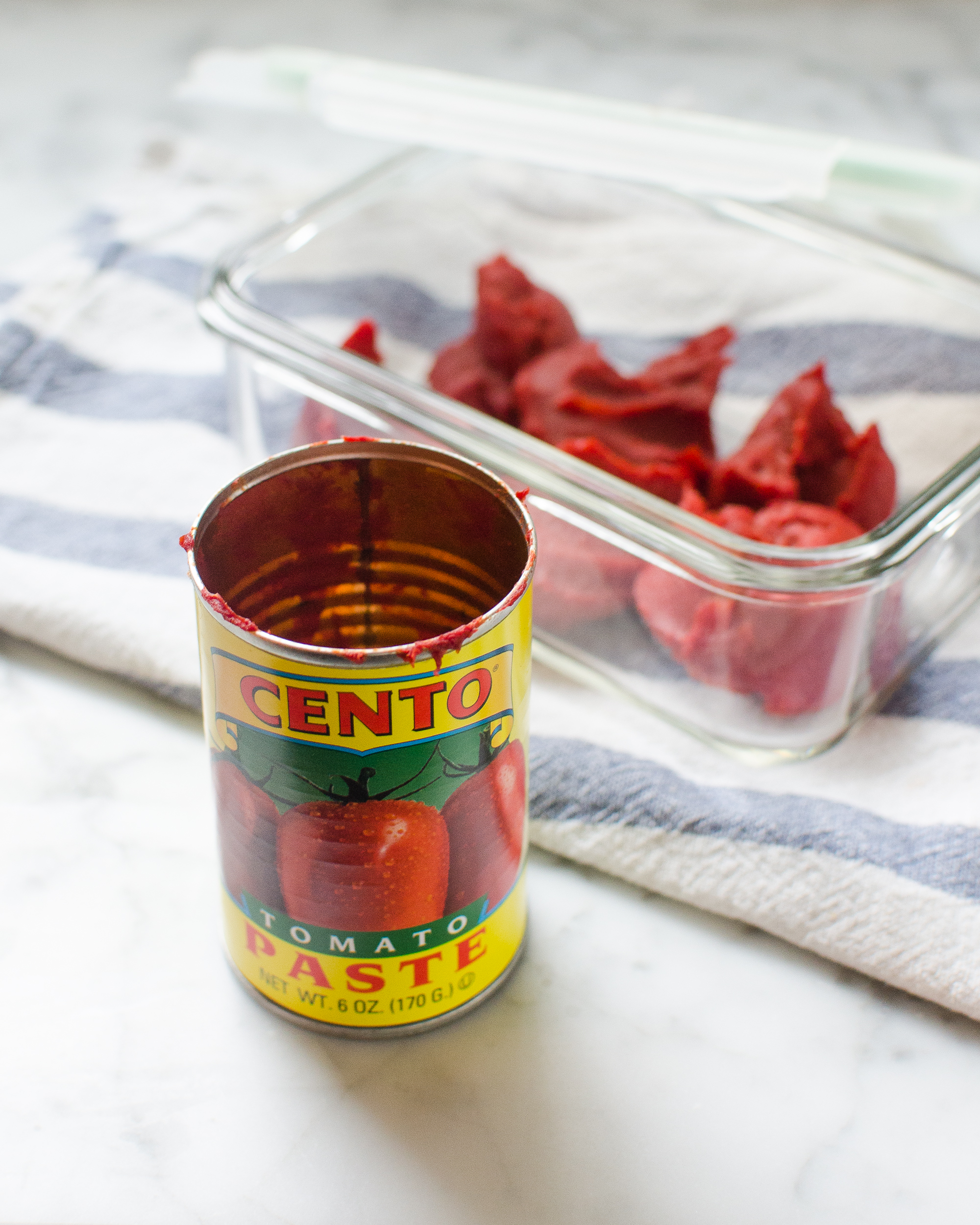
Avoid using the original metal can. Metal reacts with tomato acids and may affect flavor or safety. In fact, frozen tomato paste left in a can may develop a metallic taste or even rust, which makes it unsafe to eat.
When choosing a container, consider your freezer space and how quickly you plan to use the paste. For example, if you have a small freezer, plastic wrap “logs” or piped dots (see below) take up less room than rigid containers.
Reusable containers are best for the environment and save you money over time. Wash them well between uses to avoid lingering flavors or smells.
| Container Type | Best For | Typical Portion Size | Reusable? |
|---|---|---|---|
| Ice Cube Tray | Small portions (1 Tbsp) | 1 Tbsp (15g) | Yes |
| Small Container | Larger portions (¼ cup+) | 60g+ | Yes |
| Plastic Wrap | Single uses, small amounts | 1-2 Tbsp | No |
| Silicone Mold | Flexible portion sizes | 10-30g | Yes |
Step-by-step: How To Freeze Tomato Paste
Freezing tomato paste is easy, but a few steps can make it more effective. Follow these for best results:
1. Prepare The Paste
Spoon out the leftover tomato paste from the can or tube. Remove any oil or water that has separated. If the paste looks dry or has started to darken on the surface, scrape off the top layer and use only the fresher paste underneath.
If you’re freezing homemade paste, let it cool completely first. Warm paste can create condensation, forming ice crystals that harm texture and flavor.
2. Choose Your Portion Size
Decide how much you typically use in your recipes. Most people need 1 tablespoon at a time, so ice cube trays are perfect. If you cook for a large family or often make big pots of sauce, consider freezing some larger portions, too.
3. Fill Your Container
- Ice Cube Tray: Spoon tomato paste into each section. Level with a knife or spoon. Tap the tray gently on the counter to remove air bubbles.
- Plastic Wrap: Place a spoonful on a small square, wrap tightly, and twist the ends. Try to keep each wrapped portion flat for faster freezing and easier stacking.
- Small Container: Spoon in desired amount, flatten top, and seal with lid. Press plastic wrap directly on the surface before closing the lid to limit air exposure.
- Silicone Mold: Fill to the top, smoothing the surface. Silicone is great for odd shapes—try freezing teaspoon-sized pieces for recipes that need just a hint of tomato flavor.
4. Cover And Label
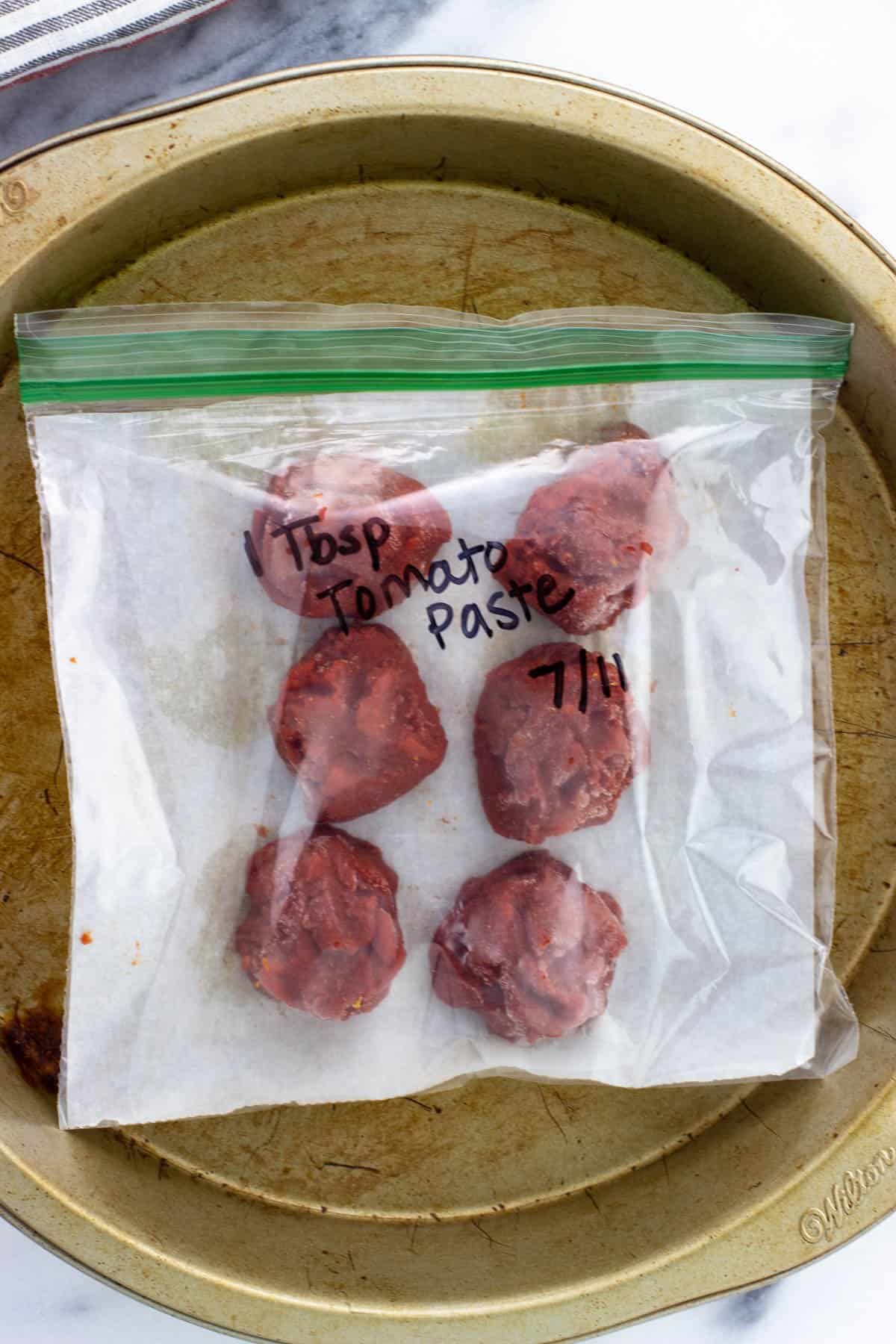
If using a tray or mold, cover with plastic wrap or a freezer-safe lid. Write the date and amount on a piece of tape or label. It’s easy to forget how long something’s been in the freezer, so labeling is essential.
5. Freeze Until Solid
Place the tray or container in the coldest part of your freezer. Wait at least 2-3 hours until completely solid. If your freezer is full, try not to crowd the tray—good air flow helps the paste freeze quickly and evenly.
6. Transfer And Store
Remove cubes or portions from the tray and place in a zip-top freezer bag. Squeeze out as much air as possible to prevent freezer burn. Return to freezer.
Non-obvious insight: Removing air is critical. Even small pockets of air can cause freezer burn and affect taste. For best results, use a straw to suck out air from the bag before sealing, or use a vacuum sealer if you have one.
7. Keep Track
Store bags or containers upright, and keep similar items together. Rotate older portions to the front so you use them first. If you freeze other ingredients, keep a small list on your freezer door as a reminder of what you have.
Extra tip: If you freeze paste in different sizes, label each bag with the portion size to avoid guessing later.
How Long Can You Store Tomato Paste In The Freezer?
Tomato paste can last a long time in the freezer, but best quality is usually for 2 to 3 months. After that, the flavor and color may start to fade, but it’s still safe to eat for up to 6 months.
A few factors affect shelf life:
- Freezer temperature: The colder and more stable, the better.
- Air exposure: Less air means longer shelf life.
- Cleanliness: Using clean utensils prevents contamination and spoilage.
Signs Your Paste Has Gone Bad
- White or gray patches: Could be freezer burn.
- Off smell: Sour or musty odor means it’s spoiled.
- Ice crystals: Some are normal, but large ones mean the paste is drying out.
If in doubt, throw it out. Freezing keeps food safe, but not forever.
Helpful note: Even if tomato paste is safe after 6 months, the flavor may be weak. For best results in recipes where tomato is the main flavor (like pizza sauce), use within the 2-3 month window.
Using Frozen Tomato Paste In Recipes
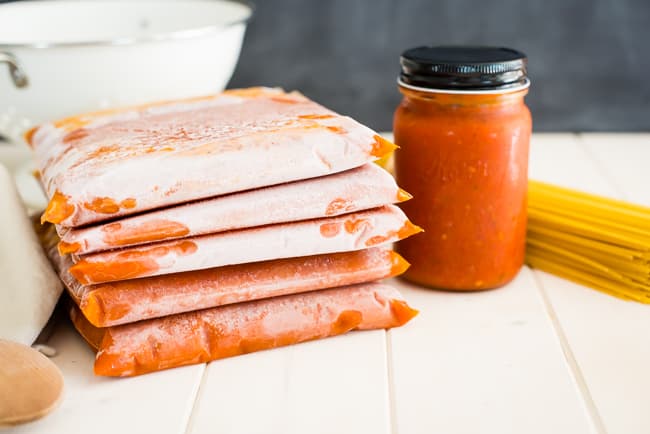
One of the biggest benefits of freezing is convenience. You can add frozen tomato paste directly to hot dishes—no need to thaw. Here’s how:
- Soups and Stews: Drop a cube into your pot and stir until dissolved. The heat melts the paste quickly, blending it into the broth.
- Sauces: Add cubes straight to your pan while cooking. This helps thicken and flavor the sauce without any extra steps.
- Pizza or Pasta: Thaw a portion in the microwave or in a small bowl before spreading. For pizza, a smooth, spreadable paste works best.
Pro tip: If you want a smoother texture, thaw in the fridge overnight or use the microwave on low power. If you’re making a cold dip or spread, let the paste thaw naturally for a few hours in the fridge for best consistency.
Some recipes call for tomato paste to be sautéed with onions or garlic at the start. In these cases, you can toss the frozen cube right into the hot pan. The water in the paste will evaporate as it cooks, so you won’t lose the rich, concentrated flavor.
If you use more than one portion, space out the cubes in your pan to help them melt evenly. Stir often to prevent scorching.
Credit: ohmyveggies.com
Creative Ways To Freeze Tomato Paste
Most people use trays or small containers, but you can be more creative:
- Piping Bag Method: Pipe small “buttons” of paste onto a lined tray, freeze, then store in a bag. This is perfect for precise portions and works well if you like to add just a teaspoon at a time.
- Measuring Spoon Drops: Drop exact spoonfuls onto parchment and freeze. Once solid, peel off and store together in a bag.
- Pre-mixed Paste: Mix paste with broth or herbs, then freeze in portions for quicker cooking later. For example, mix tomato paste with minced garlic, Italian seasoning, and a dash of olive oil, then freeze in small dollops. You’ll have instant flavor bombs for sauces or soups.
Another creative approach is to blend tomato paste with other ingredients you use frequently, such as chopped onions or peppers, and freeze these mixtures for quick meal starters. This saves extra chopping and mixing time during busy weeknights.
If you like spicy food, try mixing a bit of chili paste with your tomato paste before freezing. The extra kick can boost the flavor of stews and curries without any extra prep.
Comparing Storage Methods: Freezer Vs. Fridge
How does freezing compare to refrigerating tomato paste? See the differences below:
| Storage Method | Shelf Life | Flavor Retention | Risk of Spoilage |
|---|---|---|---|
| Refrigerator | 5-7 days | Good (short-term) | High |
| Freezer | 2-3 months (best), up to 6 months | Excellent | Very Low |
| Room Temp (unopened can) | 1-2 years | Excellent | Very Low |
Key insight: Freezing is the best method for opened tomato paste if you can’t finish it within a week.
Another non-obvious benefit: Freezing locks in nutrients and flavor, while refrigeration only slows spoilage. As days pass in the fridge, the acidity and taste of tomato paste start to fade, even before obvious spoilage sets in. Freezing preserves both taste and nutrition.
Common Mistakes When Freezing Tomato Paste
Many people make small errors that affect the quality or safety of frozen tomato paste. Avoid these:
- Leaving Paste in the Can: Metal can react with tomato acids and may develop rust or off-flavors.
- Not Portioning: Freezing in a large lump means you’ll have to thaw the whole thing each time.
- Skipping the Label: You may forget the date or amount, leading to waste or confusion.
- Using Thin Bags Alone: Thin plastic bags can tear or allow freezer burn. Double bag if possible.
- Not Removing Air: Trapped air causes freezer burn and drying.
- Re-freezing: Thawed tomato paste should not be re-frozen. Only thaw what you plan to use.
Non-obvious insight: Even airtight containers should be filled as full as possible to reduce air inside.
Another common mistake: Not checking for spoilage before freezing. Always examine your paste for odd smells or colors. Freezing will not kill bacteria or mold already present.
Tips For Best Results
- Freeze in Small Amounts: Most recipes call for 1-2 tablespoons. Small portions thaw faster and reduce waste.
- Use Quality Paste: Better paste gives better results after freezing.
- Keep Freezer Cold: Paste freezes best at 0°F (-18°C) or lower.
- Label Everything: Write the date and amount on every bag or container.
- Rotate Stock: Always use the oldest first.
If you want extra-long storage, wrap each portion in plastic wrap before placing in a bag. This double layer reduces air contact and freezer burn risk.
Another tip: If you notice ice forming inside your container, open it and wipe out the moisture, then reseal. Moisture leads to ice crystals and changes the paste’s texture.
Tomato Paste Serving Size And Measurements
When you freeze tomato paste, you’ll want to know exactly how much you’re using. Here’s a quick reference:
| Form | Volume | Weight (approx.) | Common Use |
|---|---|---|---|
| Cube (Ice Tray) | 1 Tbsp | 15g | Soups, sauces |
| Small Spoonful | 2 tsp | 10g | Quick flavor boost |
| Quarter Cup | 4 Tbsp | 60g | Large batch cooking |
Practical tip: If you want exact measurements, use a kitchen scale to portion before freezing.
If you like precise recipes, weigh out each cube or portion before freezing and write the weight on your freezer bag. This is especially helpful if you follow recipes from different countries using grams or ounces.
Troubleshooting: Fixing Common Problems
Even with care, you might face some issues. Here’s how to solve them:
Freezer Burn
- Prevention: Use airtight bags, fill containers full, and remove as much air as possible.
- Solution: If only the surface is affected, scrape off freezer-burned parts and use the rest.
Watery Texture After Thawing
- Why it happens: Some separation is normal after freezing.
- Solution: Stir well before using. For sauces, the difference is usually not noticeable.
Loss Of Flavor
- Why it happens: Storing too long or exposure to air causes flavor loss.
- Solution: Use within 2-3 months for best taste.
Paste Sticks Together
- Prevention: Freeze individual portions first, then transfer to a bag.
- Solution: Let the bag sit at room temperature for 1-2 minutes, then gently break apart.
Paste Smells “off” After Freezing
- Why it happens: Either the paste was old before freezing, or air got in during storage.
- Solution: Always freeze paste when fresh and use airtight containers. Discard if the smell is sour or musty.
Credit: www.mysequinedlife.com
How To Thaw And Use Frozen Tomato Paste
Tomato paste is very forgiving. Here’s how to use it:
- Direct Use: Add frozen cubes directly to hot dishes.
- Microwave Thaw: Place a cube in a small bowl and microwave for 10-15 seconds.
- Fridge Thaw: For cold recipes, thaw overnight in the fridge.
Important: Only thaw what you need. Do not re-freeze thawed tomato paste.
If you’re in a hurry, you can thaw paste by placing the container in a bowl of warm water for a few minutes. This works well for plastic-wrapped portions.
Remember, if you plan to mix the paste into a raw salad or cold dip, always thaw fully and stir well to restore texture.
Safety And Food Quality Guidelines
Tomato paste is acidic, so it freezes well. But safety still matters:
- Clean utensils: Always use clean spoons to avoid introducing bacteria.
- Quick freeze: The faster you freeze, the better the quality.
- Don’t freeze old paste: Only freeze fresh, good-smelling, and good-looking paste.
According to the USDA Food Safety and Inspection Service, freezing keeps food safe indefinitely, but quality drops over time.
For best results, keep your freezer at a steady temperature and avoid opening the door often. Sudden temperature changes can cause freezer burn or ice crystals.
Is Freezing Tomato Paste Worth It?
Absolutely. Freezing tomato paste is one of the easiest ways to stop waste and save money. You’ll always have a fresh, flavorful base ready for your next meal—no more scraping moldy leftovers from the back of the fridge.
Two facts most beginners miss:
- Tomato paste can be frozen and thawed multiple times if you only remove what you need each time. The key is freezing in small, separate portions.
- Freezing does not destroy nutrients. Vitamins and antioxidants remain stable in frozen tomato paste for several months.
What’s more, frozen tomato paste is a secret weapon for quick weeknight dinners. With just a cube or two, you can add depth to soups, stews, stir-fries, curries, and even salad dressings. You’ll never feel pressured to finish a can quickly or waste money on spoiled leftovers.
Frequently Asked Questions
How Long Does Tomato Paste Last In The Freezer?
Tomato paste lasts 2 to 3 months in the freezer with the best flavor and color. It is safe up to 6 months, but quality drops after the first few months.
Can You Freeze Tomato Paste In Its Can?
No, it is not safe to freeze tomato paste in its original can. The metal can react with the acids, and expansion during freezing may cause the can to break or warp. Always transfer to a freezer-safe container.
Do You Need To Thaw Tomato Paste Before Using?
Usually, no. Frozen tomato paste cubes can be added directly to hot dishes like soups and sauces. For recipes needing a smooth spread (like pizza), thaw first in the fridge or microwave.
What Is The Best Way To Portion Tomato Paste For Freezing?
The best way is to use an ice cube tray or silicone mold. Each cube is about 1 tablespoon, which is perfect for most recipes. Once frozen, store cubes in a zip-top bag.
How Do You Know If Frozen Tomato Paste Is Bad?
Signs include freezer burn (white or gray patches), a sour or musty smell, or a watery, separated texture after thawing. If you see or smell anything unusual, discard the paste.
Storing tomato paste in the freezer is a simple step that makes life in the kitchen much easier. With the right containers, careful labeling, and a few practical methods, you’ll always have just the right amount of tomato paste on hand—fresh, safe, and ready to use.
Credit: www.thekitchn.com