
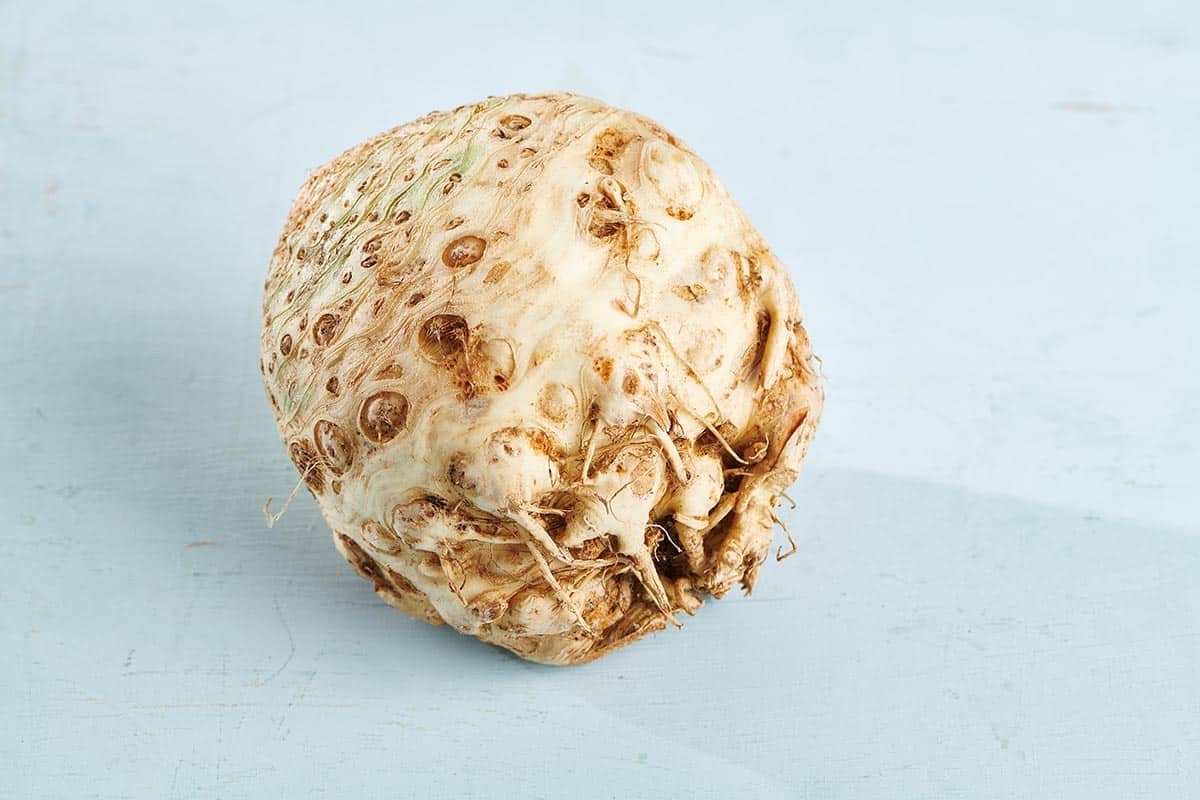
Celeriac, also known as celery root, is a unique and underrated vegetable. Its knobby, rough appearance might scare some people away, but inside, you’ll find crisp, white flesh with a mild, nutty flavor. Whether you grow it in your garden or buy it from the store, learning how to store celeriac properly makes a big difference. With the right methods, you can keep celeriac fresh for months, reducing waste and enjoying its taste in many dishes. This guide will walk you through everything you need to know about storing celeriac, from the moment you pick it up until the day you cook it.
What Is Celeriac And Why Is Proper Storage Important?
Celeriac is a root vegetable closely related to celery. While celery is prized for its crunchy stalks, celeriac is grown for its edible root. Its flavor is similar to celery but earthier and slightly sweet. Proper storage is essential because celeriac can spoil easily if not handled correctly.
Unlike potatoes or carrots, celeriac tends to dry out, rot, or lose its crispness if exposed to too much moisture or air.
Storing celeriac well means you get more value for your money and less food waste. This is especially important if you buy celeriac in bulk or harvest it from your garden. Many people don’t realize that celeriac can last up to six months under the right conditions, but it can rot in less than a week if stored poorly.
Another reason proper storage matters is celeriac’s relatively high price compared to other root vegetables. Because it’s less common, you don’t want your purchase to go to waste. Also, when you store it well, you can enjoy its flavor at different times of the year, especially in winter when fresh produce options are limited.
It’s not just about avoiding spoilage; it’s about having a reliable ingredient for soups, stews, or even raw salads whenever you want.
Choosing The Best Celeriac For Storage
Not all celeriac is equal when it comes to storage. The first step is to pick the right roots.
- Look for firmness: The root should feel solid and heavy in your hand. Soft spots mean decay has started.
- Check the skin: The skin should be dry, rough, and free from deep cuts or cracks. Light scarring is normal, but avoid roots with large wounds.
- Size matters: Medium-sized celeriac (about the size of a baseball or softball) tend to store best. Very large or small roots may not last as long.
- Avoid sprouting or green tops: Fresh green tops are fine, but wilted or sprouting tops are a sign the root is old.
Selecting quality celeriac at the start makes storage much easier and increases your chances of long-term freshness.
A common beginner mistake is choosing the largest root thinking it’s the best value. In reality, oversized celeriac can be woody inside and doesn’t store as well as medium roots. If you’re shopping at a farmers’ market, don’t be afraid to ask the seller when the celeriac was harvested.
Fresher roots always last longer.
Credit: themom100.com
Preparing Celeriac For Storage
Before you put celeriac away, it needs some preparation. This prevents mold, rot, and flavor loss.
Cleaning
Dirt on the root can hold moisture and microbes. However, washing before storage isn’t recommended because water can cause rot. Instead:
- Brush off dirt gently using a dry brush or cloth.
- Avoid using water unless you plan to eat it soon.
- For very dirty roots, a quick rinse is okay if you dry them completely with paper towels.
This dry cleaning is more important than many realize. Even small amounts of damp soil can introduce bacteria that start to break down the skin. Celeriac is more sensitive to this than potatoes, so being thorough helps a lot.
Trimming
Celeriac often comes with green tops or small roots. These should be removed:
- Cut off leaves about 1 inch above the root. Leaving a short stub helps prevent drying out.
- Trim off long rootlets but leave the main skin intact.
Trimming prevents moisture loss and keeps the root from decaying due to attached leaves.
If you’re saving the leafy tops, you can use them as an herb in soups or salads, but store them separately in the refrigerator and use within a few days.
Drying
If the celeriac is damp, let it air-dry in a cool, ventilated spot for a few hours. This step is key for long-term storage.
Some gardeners let their celeriac “cure” for about a week in a sheltered, cool spot before storing. This helps toughen the skin, making it more resistant to rot. If you have space, this extra step can extend storage life by several weeks.
Methods For Storing Celeriac
There are several ways to store celeriac, each with its benefits and challenges. Your choice depends on how long you want to keep it and the storage space you have.
Storing Celeriac At Room Temperature
If you plan to use celeriac within a week, room temperature is fine. However, this method is not suitable for long-term storage.
- Place celeriac in a cool, dry, and dark place.
- Keep it away from heat, sunlight, and moisture.
- Store in a basket, open paper bag, or on a shelf.
At room temperature (about 20°C or 68°F), celeriac will last up to 7 days before it starts to shrivel or rot.
Room temperature storage is handy if you cook with celeriac often or have limited refrigerator space. Still, check the root daily for signs of softening or mold, as spoilage can develop quickly. If your kitchen is humid or warm, celeriac may only last a few days.
Refrigeration
For most homes, the refrigerator is the best place to store celeriac.
How To Store In The Fridge
- Wrap the celeriac in a paper towel to absorb moisture.
- Place it inside a perforated plastic bag or a loose produce bag.
- Store in the crisper drawer where humidity is higher, but not wet.
In the fridge (ideally 0-4°C or 32-39°F), celeriac stays fresh for 3 to 4 weeks.
A key detail: Don’t overcrowd celeriac in the crisper drawer. Good air circulation prevents moisture from collecting, which is a common reason for rot in root vegetables. If you have a humidity-controlled drawer, set it to medium.
Comparing Storage Containers
Here is a quick comparison of different containers for storing celeriac in the fridge:
| Container Type | Moisture Control | Airflow | Recommended? |
|---|---|---|---|
| Perforated Plastic Bag | Moderate | Good | Yes |
| Paper Bag | Absorbs excess | Moderate | Yes |
| Sealed Plastic Bag | High (too much) | Poor | No |
| Open Tray | Low | High | Not ideal |
If you don’t have a perforated bag, poke a few holes in a regular plastic bag. This simple trick can make a big difference in preventing condensation. For even better results, place a second dry paper towel in the bag and replace it every week.
Root Cellar Or Cold Storage
If you have a root cellar, basement, or unheated garage, you can store celeriac for several months.
How To Store In A Root Cellar
- Place celeriac in a shallow box or crate.
- Cover roots with damp sand, peat moss, or sawdust to keep humidity around 90-95%.
- Keep temperature between 0-5°C (32-41°F).
- Avoid letting roots touch each other to prevent spread of rot.
Properly stored, celeriac can last 3 to 6 months in a root cellar.
Real-world Example
Many gardeners use this method to keep their harvest all winter. For example, a small family can store 10-20 celeriac roots in a box with sand in a cool basement and enjoy fresh roots until spring.
One extra tip: Check your sand or peat every few weeks. If it dries out, mist it lightly with water. If it feels soggy, leave the lid off for a day or two to let moisture escape. Finding this balance keeps celeriac from shriveling or molding.
Freezing Celeriac
Celeriac can be frozen, but only after blanching. Freezing raw celeriac leads to poor texture and flavor.
Freezing Steps
- Wash, peel, and cut celeriac into cubes or slices.
- Blanch in boiling water for 3-4 minutes.
- Cool quickly in ice water.
- Drain and pat dry.
- Pack into freezer bags, removing as much air as possible.
- Label with date.
Frozen celeriac keeps for up to 8 months. It is best used in soups, stews, or purees after thawing.
A non-obvious insight: Blanching not only helps preserve flavor and texture, but also stops enzymes that would otherwise cause browning and off-flavors in the freezer. Skipping this step is a common mistake.
Comparing Fresh Vs. Frozen Celeriac
| Aspect | Fresh (Refrigerated) | Frozen (After Blanching) |
|---|---|---|
| Texture | Crisp, firm | Softer, less crisp |
| Flavor | Mild, nutty | Slightly muted |
| Best For | Raw salads, roasting | Soups, purees |
| Storage Time | 3-6 weeks | 6-8 months |
If you freeze celeriac, try to use it directly from frozen in cooked dishes. Thawing and then storing can make it even softer.
Storing Cooked Celeriac
If you have leftover cooked celeriac, such as mash or roasted pieces, store it in an airtight container in the refrigerator. It will last for 3 to 5 days. For longer storage, freezing is possible, though the texture will be even softer.
To keep cooked celeriac tasting fresh, cool it quickly after cooking and put it in the fridge within two hours. This reduces the chance for bacteria to grow. When reheating, heat thoroughly until steaming hot.
Storing Celeriac In Sand Or Peat Moss
A traditional method, especially for gardeners, is to store celeriac in damp sand or peat moss. This technique is similar to root cellar storage but can be adapted to smaller spaces.
- Fill a box or bucket with damp sand or peat.
- Bury celeriac roots so they don’t touch each other.
- Keep the container in a cool, dark place (like a garage or shed).
- Check every few weeks for rot or sprouting.
This method keeps celeriac moist and prevents shriveling.
For apartment dwellers, a small bucket of peat moss in a cool closet can work surprisingly well for a few roots. Just be sure to keep the medium only slightly damp, not wet.
Vacuum Sealing
Vacuum sealing is a modern storage method that removes air, slowing down spoilage.
- Peel and cut celeriac.
- Blanch if you plan to freeze.
- Vacuum seal in bags.
- Store in the fridge (for a few weeks) or freezer (for several months).
Vacuum sealing works well for those who want to meal prep or save space.
If you don’t have a vacuum sealer, pressing out as much air as possible from freezer bags is a good alternative. Remember, vacuum sealing does not remove the need for refrigeration or freezing.
Credit: crazyforgardening.com
How Long Does Celeriac Last?
The storage life of celeriac depends on the method you choose.
| Storage Method | Temperature | Humidity | Expected Shelf Life |
|---|---|---|---|
| Room Temperature | 20°C / 68°F | Low | Up to 1 week |
| Refrigerator | 0-4°C / 32-39°F | Moderate | 3-4 weeks |
| Root Cellar | 0-5°C / 32-41°F | High (90-95%) | 3-6 months |
| Frozen | -18°C / 0°F | N/A | 6-8 months |
If you plan to keep celeriac for more than a month, root cellar storage is the best. Otherwise, the refrigerator is the most practical choice for most people.
Keep in mind that the storage times above are for good-quality roots. If your celeriac was already soft when you bought it, expect a shorter shelf life.
Recognizing Spoiled Celeriac
Knowing when celeriac has gone bad saves you from eating spoiled food and helps you avoid waste.
Signs of spoilage include:
- Soft spots or mushy areas
- Dark or black patches
- Slimy surface
- Strong, unpleasant odor
- Visible mold
If only a small section is bad, you can cut it away and use the rest if it looks and smells normal. However, if the root is soft or smells sour, it’s best to discard it.
Another sign to watch for is shrinking or wrinkling. If the celeriac becomes very light and spongy, it has lost most of its moisture and flavor. While not dangerous, it won’t taste good.
Common Mistakes When Storing Celeriac
Many beginners make simple errors that ruin their celeriac. Here are mistakes to avoid:
- Washing before storage: Water promotes rot. Only wash right before cooking.
- Storing in sealed plastic: Lack of airflow causes moisture buildup and mold.
- Keeping near ethylene-producing fruits: Apples, bananas, and tomatoes release ethylene, which speeds up spoilage.
- Letting roots touch: Close contact spreads rot quickly.
- Forgetting to check regularly: Inspect stored celeriac often and remove any bad roots.
Avoiding these mistakes extends celeriac’s shelf life and keeps it tasty.
A less obvious mistake is storing celeriac in a very dry place. While you don’t want it wet, too little humidity causes it to shrivel. If your home is dry in winter, check your stored roots and add a damp paper towel nearby (not touching the root) to increase humidity.
Special Tips For Gardeners
If you grow celeriac, your storage process starts at harvest.
- Harvest before hard frost: Celeriac tolerates light frost but not freezing solid.
- Leave soil on: Some gardeners leave a light layer of soil on roots for longer storage.
- Cure before storing: Let roots sit in a cool, shaded place for a week to toughen skin.
- Store with carrots or beets: These root vegetables have similar needs and can share storage space.
A non-obvious tip is to rotate the roots every few weeks so that pressure spots don’t develop, which can cause rot.
Another overlooked detail: handle celeriac gently during harvest and storage. Cuts and bruises are easy entry points for rot and mold. If you notice roots with even small injuries, plan to use those first.
Creative Ways To Use Stored Celeriac
After storing celeriac, it’s time to enjoy it. Many people only use it in soups, but celeriac is versatile.
- Roasted: Cut into cubes, toss with olive oil and spices, then roast until golden.
- Pureed: Boil and blend with potatoes for a creamy mash.
- Raw salads: Grate and mix with mayonnaise, lemon, and herbs for a French remoulade.
- Fries: Slice into sticks and bake for a healthier alternative to potatoes.
- Soups: Add to vegetable or chicken soup for extra depth.
Celeriac’s subtle flavor pairs well with apples, carrots, and parsnips.
You can also try it in savory pancakes, gratins, or even as a pizza crust base. Its mild flavor absorbs spices and herbs easily, making it adaptable to many cuisines.
Storing Celeriac With Other Vegetables
Celeriac can be stored with other root vegetables, but choose companions carefully.
- Good companions: Carrots, beets, parsnips, rutabaga.
- Bad companions: Onions, potatoes, apples.
Onions and potatoes give off gases that make celeriac spoil faster. If you use sand or peat moss, layer the roots so they don’t touch each other.
A practical tip: If you notice any one root starting to rot, remove it immediately to protect the rest.
For those with limited space, keeping different vegetables in separate bags or boxes can prevent cross-contamination and keep all your produce fresher for longer.
:max_bytes(150000):strip_icc()/ms-celeriac-celery-root-roots-tubers-201-d110486_horiz-ddbb8ca6bc764fef929ab09d7a7a106c.jpg)
Credit: www.marthastewart.com
Nutritional Value And Storage Impact
Celeriac is low in calories, rich in fiber, and provides vitamins B6, C, and K. Proper storage helps keep most of these nutrients. However, celeriac loses vitamin C over time, especially if exposed to air and light. Freezing slows down this loss, but texture suffers.
If you want to keep the highest nutrition, use fresh celeriac within a few weeks of harvest or purchase.
Another insight: eating celeriac raw (such as grated in salads) preserves more vitamins than cooking, so if you have a very fresh root, try it this way at least once. For cooked dishes, gentle steaming keeps more nutrients than boiling.
Environmental Benefits Of Proper Storage
Storing celeriac well helps the environment by reducing food waste. Globally, about 30% of food is lost after harvest, much of it due to poor storage. By keeping your celeriac fresh, you save money and help the planet.
For more information on food storage and waste, you can check resources like the Wikipedia page on food waste.
On a small scale, proper storage means fewer trips to the market, less packaging waste, and more use of local produce when it’s in season.
Frequently Asked Questions
How Do You Store Celeriac Long-term?
For long-term storage, keep unwashed celeriac in a root cellar or cool basement packed in damp sand or peat moss. The temperature should be 0-5°C (32-41°F) with high humidity. Check roots monthly and remove any that show signs of rot.
Can You Freeze Celeriac Without Blanching?
No, freezing raw celeriac will give poor results. The texture becomes mushy and the flavor fades. Always blanch celeriac pieces in boiling water for 3-4 minutes, cool them in ice water, and then freeze.
Is It Safe To Eat Celeriac With Brown Spots?
Small brown spots on the surface can be cut away. However, if the celeriac is soft, smells bad, or has deep black areas, it’s best to discard it. Always check for mold or an off smell before eating.
Should You Wash Celeriac Before Storing?
No. Washing adds moisture, which can cause rot. Brush off dirt with a dry brush or cloth. Only wash celeriac right before you use it.
Can You Store Celeriac With Potatoes Or Onions?
It’s better to keep celeriac away from potatoes and onions. These vegetables release gases that can speed up spoilage. Store celeriac with carrots, beets, or parsnips for best results.
Storing celeriac may seem tricky at first, but with the right steps, you can keep this unique vegetable fresh and flavorful for months. Whether you have a garden full of roots or just a single celeriac from the market, these methods will help you enjoy it at its best.
Proper storage is the key to less waste, better taste, and more creative meals all year round.