
A hot plate is a versatile tool that can make life easier in many situations. Maybe you live in a small apartment without a full kitchen, need an extra burner for a party, or want to cook in your dorm room.
Even scientists and hobbyists use hot plates for experiments and projects. But, just plugging in a hot plate and turning a knob is not enough. Understanding how to use a hot plate safely and effectively is important. This guide will walk you through every detail, from picking the right model to cleaning up after you’re done.
By the end, you will feel confident using a hot plate for cooking, experiments, or anything else.
What Is A Hot Plate?
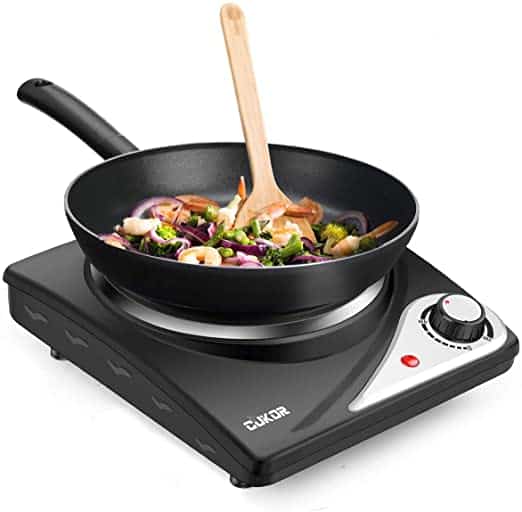
A hot plate is a small, portable device that heats food, liquids, or other materials. It usually has a flat surface, where you place a pot or pan, and a control to adjust the temperature. Hot plates are powered by electricity, though some use gas or induction technology.
You can find them in homes, labs, offices, and even on camping trips. Unlike a full stove, a hot plate is easy to move and store.
There are three main types:
- Electric coil hot plate – Uses a metal coil that gets hot.
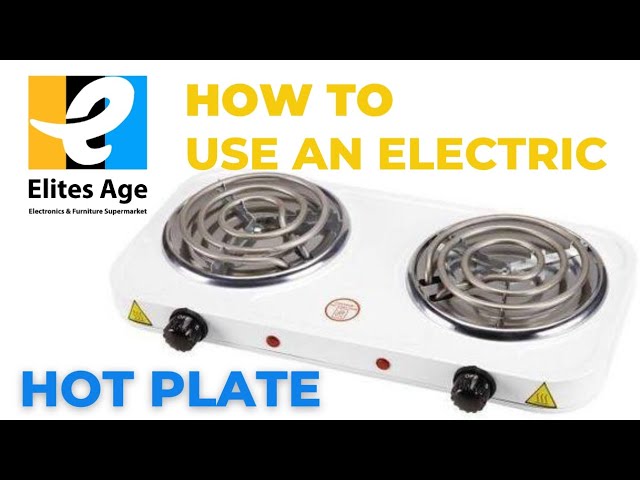
- Ceramic or infrared hot plate – Has a smooth glass or ceramic top that heats up.
- Induction hot plate – Uses magnetic energy; only works with certain pots and pans.
Each type has its own benefits and limitations. Knowing what you need will help you choose the best one.
Why Use A Hot Plate?
Hot plates are popular because they are:
- Portable – Easy to move from room to room.
- Space-saving – Perfect for small kitchens, dorms, or offices.
- Affordable – Cheaper than installing a new stove.
- Energy-efficient – Heats up quickly and uses less power for small jobs.
Many people use hot plates for:
- Cooking simple meals
- Boiling water or making tea
- Keeping food warm at parties
- Science experiments in schools or labs
- Crafting or DIY projects
Some users overlook that hot plates can help during emergencies, such as power outages (if you have a gas model) or kitchen repairs.
Choosing The Right Hot Plate
Before buying a hot plate, think about your needs. Here’s what matters most:
1. Type Of Hot Plate
- Electric coil: Good for basic cooking, low price, but harder to clean.
- Ceramic/Infrared: Smooth surface, heats evenly, easy to clean.
- Induction: Fast heating, energy efficient, but only works with magnetic pots.
2. Number Of Burners
- Single burner: Saves space, for simple tasks.
- Double burner: Cooks two dishes at once, more flexible.
3. Power Rating (wattage)
Higher watts mean faster heating. For example, 1000-1500W is common for home use.
4. Size And Weight
Check the size to make sure it fits your counter or bag if you plan to travel.
5. Temperature Controls
Some have a simple dial (low-medium-high), others have exact temperatures. Choose what works for you.
6. Safety Features
Look for automatic shut-off, non-slip feet, and cool-touch handles.
7. Price And Brand Reputation
Sometimes, a cheap hot plate costs more in the long run if it breaks quickly.
Comparison Of Hot Plate Types
Here’s a side-by-side look at the main types:
| Type | Heating Speed | Ease of Cleaning | Compatible Cookware | Price Range |
|---|---|---|---|---|
| Electric Coil | Medium | Harder | All types | Low |
| Ceramic/Infrared | Fast | Easy | All types | Medium |
| Induction | Very Fast | Very Easy | Magnetic only | High |
Common Mistake: Ignoring Cookware Compatibility
Many beginners buy an induction hot plate but don’t realize their pans may not work. Induction requires magnetic cookware. Test with a magnet; if it sticks to the pan, it will work.
Setting Up Your Hot Plate
Before you start using your hot plate, follow these steps:
1. Read The Manual
Every model is different. Check the instructions to learn about temperature settings, safety, and cleaning.
2. Find A Safe Location
Put your hot plate on a flat, stable surface away from water and flammable materials. Leave space around it so heat can escape.
3. Check The Outlet
Make sure you plug the hot plate into a proper electrical outlet. Do not use extension cords unless they are heavy-duty. Weak cords can overheat and cause fire.
4. Inspect The Hot Plate
Look for cracks, exposed wires, or damage. Never use a broken hot plate.
5. Gather The Right Cookware
Use flat-bottom pots and pans for best contact with the hot plate. For induction, make sure your cookware is magnetic.
Example: Preparing A Simple Cooking Station
Suppose you want to cook pasta in your dorm. You set the hot plate on your desk (away from books or curtains), plug it directly into the wall, and use a flat-bottom steel pot. You keep a fire extinguisher nearby, just in case.
How To Use A Hot Plate For Cooking
Cooking on a hot plate is similar to using a stove, but with a few differences. Here’s a step-by-step guide:
1. Turn On The Hot Plate
Plug it in and set the temperature or power level. Start with a lower setting if you are unsure.
2. Preheat If Needed
Some hot plates, like ceramic or coil types, need 2-5 minutes to heat up. Induction models heat almost instantly.
3. Add Cookware And Ingredients
Put your pot or pan on the plate. Do not place empty cookware on a hot plate for long—it can damage the surface or the pot.
4. Adjust The Heat
Turn the knob or press the buttons to control the temperature. Start low for boiling water, simmering, or frying eggs. Use higher settings for searing meat or boiling pasta.
5. Monitor Your Food
Because hot plates may heat unevenly, move your food or pan sometimes. Stir often to avoid burning.
6. Turn Off When Done
Switch off the hot plate and unplug it. Let it cool before cleaning or moving.
7. Clean Up
Wipe the surface with a damp cloth after it cools. For stubborn stains, use a little dish soap.
Cooking Example: Making Soup
Let’s say you want to make vegetable soup. You chop your ingredients, place them in a pot with water and spices, and set the pot on your hot plate. You start on a high setting to boil, then turn down to simmer.
Stir occasionally. When the vegetables are soft, you turn off the hot plate and enjoy your soup.
Tips For Cooking Success
- Use even, flat pans to help distribute heat.
- Do not overload the hot plate with large pots.
- Avoid deep frying; most hot plates are not designed for very hot oil.
- Use lids to speed up boiling and save energy.
How To Use A Hot Plate For Laboratory Work
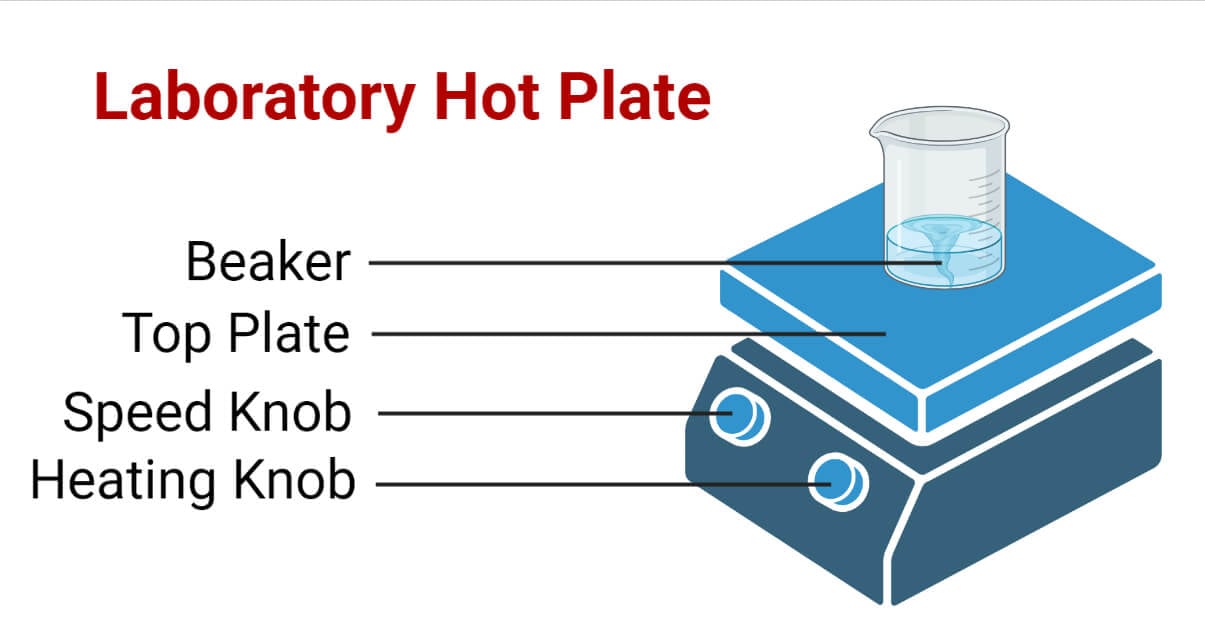
Hot plates are common in labs for heating chemicals, melting solids, or preparing samples. Safety is even more important here.
1. Choose The Right Lab Hot Plate
Lab hot plates often have extra features like magnetic stirrers and precise temperature controls.
2. Set Up Safely
Place the hot plate on a clean, level lab bench. Keep flammable solvents far away.
3. Use The Correct Vessels
Use heat-resistant glassware (like Pyrex) or metal. Never use plastic unless it is rated for high temperatures.
4. Monitor At All Times
Never leave a lab hot plate unattended. Chemical spills or overheating can cause fires or explosions.
5. Control The Temperature
Use a thermometer or built-in sensor to watch the temperature. Many lab hot plates can heat up to 350°C (662°F) or more.
6. Use A Magnetic Stir Bar (if Available)
Some hot plates can stir and heat at the same time. Drop a magnetic stir bar into your solution to mix while heating.
7. Wear Protective Gear
Always wear safety goggles, gloves, and a lab coat.
Lab Example: Heating A Solution
Suppose you need to dissolve salt in water for an experiment. You add water and salt to a beaker, place it on the hot plate, and set the temperature to 80°C. If you have a stirring hot plate, add a stir bar.
Watch the solution until the salt dissolves, then turn off the hot plate.
Non-obvious Insight: Hot Plate Surfaces Stay Hot
Even after turning off the hot plate, the surface can stay hot for 10-30 minutes. Many burns happen when people touch the plate too soon.
Using A Hot Plate For Keeping Food Warm
Hot plates are great for keeping food hot at parties or family dinners. Here’s how to do it right:
1. Set To Low Or Warm Setting
Too much heat will overcook or dry out food.
2. Use Covered Dishes
Lids help keep in moisture and heat.
3. Stir Occasionally
This prevents sticking or burning at the bottom.
4. Do Not Leave Unattended For Hours
Some hot plates are not designed for long-term use. Check the manual.
5. Check Food Temperature
Food should stay above 60°C (140°F) to prevent bacteria growth.
Example: Keeping Soup Warm For A Party
Put soup in a covered pot, set the hot plate to “warm,” and check every 30 minutes. Stir to prevent sticking.
Hot Plate Safety Tips
Hot plates can be dangerous if used incorrectly. Here are important safety tips:
1. Never Leave Unattended
A hot plate can overheat or start a fire if left alone.
2. Keep Away From Water
Water can cause electric shock or damage the device.
3. Do Not Overload Outlets
Plug only one hot plate into an outlet. Avoid using extension cords.
4. Use The Right Cookware
Thin, uneven, or plastic pans can melt or tip over.
5. Keep Flammable Items Away
Do not put paper towels, curtains, or plastic near the hot plate.
6. Let It Cool Before Cleaning
Wait for the plate to be cool before wiping or washing.
7. Check For Damage Regularly
Replace hot plates with worn cords, cracked surfaces, or weak heating.
Common Mistake: Using Hot Plates Near Children Or Pets
Children may touch the hot surface or pull on the cord, causing burns or spills. Always keep hot plates out of reach.
Credit: microbenotes.com
Cleaning And Maintenance
A well-maintained hot plate lasts longer and works better. Follow these steps:
1. Unplug And Cool Down
Always unplug and let it cool before cleaning.
2. Wipe The Surface
Use a damp cloth for the top. For stubborn food, use a soft sponge and mild soap.
3. Clean The Coil (if Removable)
Some coil models let you remove the coil for cleaning. Wipe gently; do not soak.
4. Do Not Submerge In Water
Never put the whole hot plate in water. Electric parts can be damaged.
5. Clean The Controls
Dust and grease can build up around knobs or buttons. Use a dry brush or cloth.
6. Store Properly
Keep your hot plate in a dry place. If you travel, use a bag to prevent scratches.
Example: Removing Burnt Food
For a burnt spot, sprinkle baking soda on the area, add a few drops of water, and let it sit for 15 minutes. Wipe with a soft cloth. Avoid steel wool or harsh cleaners.
Troubleshooting Common Problems
Even good hot plates can have issues. Here’s how to solve the most common problems:
1. Hot Plate Will Not Turn On
- Check the outlet and plug.
- Try another outlet.
- If still not working, the fuse or heating element may be broken.
2. Heats Unevenly
- Use flat, heavy-bottomed cookware.
- Clean the surface; dirt can cause poor contact.
- Some cheaper models heat less evenly.
3. Makes Strange Noises
- A clicking sound is normal for induction models.
- Buzzing or popping may mean a loose part. Unplug and check.
4. Burns Food Too Fast
- Use a lower setting; hot plates may heat faster than expected.
- Stir your food often.
5. Smells Like Burning Plastic
- Unplug immediately. Check for melted parts or food.
- Do not use until you find the cause.
Troubleshooting Table
Here’s a quick look at common issues and what to do:
| Problem | Possible Cause | Solution |
|---|---|---|
| No power | Outlet, cord, fuse | Check all; replace if needed |
| Uneven heating | Cookware, dirt, model quality | Use better cookware, clean |
| Strange noises | Induction, loose parts | Normal for induction; check for damage |
| Burnt food | High heat, thin pan | Lower heat, use heavy cookware |
| Burning smell | Melted parts, food stuck | Unplug, inspect, clean or repair |
Using A Hot Plate For Camping And Travel
Hot plates are not just for home or lab. They are perfect for camping, road trips, or hotel stays (if allowed).
1. Check For Power Sources
Most hot plates require electricity. Some camping models use propane or butane instead.
2. Pack Light
Choose a small, lightweight hot plate for travel. Double burners are heavier but more flexible.
3. Mind The Rules
Some hotels or dorms do not allow hot plates for safety. Always check first.
4. Bring Simple Cookware
Non-stick pans are easiest to clean on the road.
5. Clean Up Properly
Wipe down before packing to avoid mess in your bags.
Example: Cooking On A Trip
On a road trip, you bring a small electric hot plate. You cook oatmeal in the morning and heat soup at night, all using one small pot.
Advanced Uses And Creative Ideas
Hot plates are not only for food. Here are some creative uses:
- Candle making: Melt wax evenly in a pot.
- Soap making: Control the temperature for safe mixing.
- Crafts: Heat glue or dyes for art projects.
- Science fair projects: Safely heat solutions without a gas burner.
- Home canning: Sterilize small jars (follow canning safety rules).
Non-obvious Insight: Temperature Control Is Key For Crafts
Many crafts fail because the hot plate is too hot or too cold. Use a thermometer or a model with precise temperature control for best results.
Environmental Impact And Energy Saving
Hot plates use less energy than full-size stoves for small jobs. Here’s how to make your cooking even greener:
- Use lids to speed up boiling and save energy.
- Turn off the hot plate a few minutes before food is done; it will stay hot and finish cooking.
- Use the lowest effective setting for warming food.
According to the U.S. Department of Energy, using a hot plate for a small meal can save up to 25% energy compared to using a large stove.
When Not To Use A Hot Plate
There are times when a hot plate is not the best choice:
- Deep frying large amounts: Too risky; oil can spill and catch fire.
- Cooking for a crowd: Too slow with only one or two burners.
- Heavy cookware: Large pots can stress the hot plate or tip over.
- Unattended cooking: Always stay nearby.
If you need to cook large meals often, invest in a proper stove.
Credit: thedaringkitchen.com
Hot Plate Buying Mistakes To Avoid
- Choosing the cheapest model: It may break or heat unevenly.
- Ignoring safety features: Lack of auto shut-off or non-slip feet can be dangerous.
- Not checking power needs: Some models require more amps than your outlet provides.
- Forgetting cookware compatibility: Especially important for induction.
- Picking the wrong size: Too big or small for your space or needs.
Research before buying, and read reviews from real users.
Real-life Example: Hot Plate Saves The Day
During a kitchen remodel, Maria used a hot plate for all her meals. She made pasta, stir-fry, and even pancakes. She learned to use lids to save energy and always kept a timer handy to avoid burning food. When her main stove was finally installed, she kept the hot plate as a backup for busy days or parties.
Credit: www.youtube.com
Frequently Asked Questions
What Cookware Can I Use On A Hot Plate?
You can use most flat-bottom pots and pans on electric or ceramic hot plates. For induction hot plates, you need cookware made from magnetic metals like cast iron or some types of stainless steel. To check, hold a magnet to the bottom of your pan. If it sticks, it should work.
Can I Use A Hot Plate For Deep Frying?
It is not recommended. Hot plates are less stable than deep fryers or stoves, and the oil can easily overheat or spill, causing a fire. If you must fry, use a small amount of oil, never leave it unattended, and keep a lid or fire extinguisher nearby.
Is A Hot Plate Safe For Student Dorms?
Many schools do not allow hot plates in dorms due to fire risk. Always check your dorm’s rules first. If allowed, use the hot plate safely by keeping it away from flammable items, never leaving it unattended, and making sure the cord is not a tripping hazard.
How Do I Clean A Hot Plate After Use?
Let it cool, then wipe the surface with a damp cloth and mild soap. For stuck-on food, use a little baking soda and water. Never submerge the hot plate in water or use harsh cleaners.
Where Can I Find More Information About Hot Plates?
A good place to start is the Wikipedia hot plate page, which covers history, types, and uses in detail.
Using a hot plate can be simple and safe if you follow these tips. Whether you’re cooking, experimenting, or crafting, your hot plate can be a reliable tool in your kitchen or workspace. With a little care, it will serve you well for years to come.