
Storing beans after soaking is a simple task—yet many people make mistakes that ruin taste, safety, or nutrition. You might soak beans to cut down cooking time, improve texture, or remove some naturally occurring compounds. But what you do next is just as important as the soaking step.
If you store soaked beans the wrong way, they can spoil fast, develop off smells, or even become unsafe to eat. With the right methods, your beans will stay fresh, safe, and ready for recipes—no matter if you’re meal prepping for the week or just planning ahead for tomorrow’s dinner.
This guide will walk you through every aspect of storing beans after soaking. You’ll learn how to prepare beans before storage, the best containers to use, and how long you can keep them in the fridge or freezer. We’ll cover safety tips, troubleshooting, and even some common myths that confuse beginners.
Plus, you’ll find practical advice and data-backed comparisons so you can make the best choices for your kitchen.
Why Proper Storage Of Soaked Beans Matters
Many people think soaking beans is enough to make them last longer. In reality, soaked beans are more prone to spoilage than dry beans. When you add water, you create the perfect environment for bacteria and mold to grow—especially at room temperature. This is why knowing how to store soaked beans properly is vital.
Storing soaked beans the right way preserves their nutritional value. Beans are rich in protein, fiber, and important minerals. Poor storage can lead to nutrient loss, bad smells, and even food poisoning. According to the USDA, improperly stored beans can develop harmful bacteria like Bacillus cereus or Clostridium perfringens, which cause foodborne illness.
Another reason is texture. Soaked beans can get mushy or slimy if left out too long or stored in the wrong container. Proper storage keeps their texture ideal for soups, salads, and other dishes.
Preparing Beans For Storage
Before you store your beans, there are a few important steps to follow. These steps prevent spoilage and set you up for easy meal prep later.
1. Drain And Rinse Thoroughly
After soaking, always drain the beans and rinse them well with fresh water. This removes oligosaccharides—compounds that cause gas—and any dirt or debris. Rinsing also washes away sugars released during soaking that can feed bacteria.
2. Sort And Check Beans
Look for any beans that are split, mushy, or have odd colors. Discard these. Only store beans that feel firm and look fresh. Damaged beans can spoil faster and ruin the whole batch.
3. Cool Down Quickly
If your beans are still warm after soaking (for example, if you used hot water), let them cool to room temperature before storage. Hot beans can raise the temperature inside your storage container, leading to condensation and bacteria growth.
4. Portion For Easy Use
Divide your soaked beans into portions you’ll use at one time. This makes meal prep easier and reduces how often you open the storage container, which can introduce bacteria.

Credit: pantryandlarder.com
Choosing The Best Storage Containers
The container you use to store soaked beans can make a big difference in freshness and safety. Here’s a quick comparison to help you decide:
| Container Type | Advantages | Disadvantages |
|---|---|---|
| Glass Container with Lid | Non-reactive, easy to clean, no odors | Heavier, breakable |
| BPA-Free Plastic Container | Lightweight, affordable, stackable | Can absorb odors, may stain |
| Resealable Freezer Bag | Saves space, easy to label | Less sturdy, can puncture |
| Stainless Steel Container | Durable, non-reactive, sustainable | Heavier, more expensive |
Key tips for containers:
- Use airtight containers to keep out bacteria and moisture.
- Choose food-safe materials like glass, stainless steel, or BPA-free plastic.
- For freezing, use containers designed for the freezer to prevent cracking.
Storing Beans In The Refrigerator
The refrigerator is the most common place to store soaked beans if you plan to cook them soon. But how you store them matters.
How Long Can You Store Soaked Beans In The Fridge?
Soaked beans can last 3–5 days in the refrigerator if stored correctly. The clock starts as soon as soaking is done, not when you put them in the fridge.
Steps To Store Beans In The Fridge
1. Drain Completely
Excess water speeds up spoilage. Beans should be moist but not submerged.
2. Transfer To An Airtight Container
Make sure the lid is secure. This prevents beans from absorbing fridge odors and keeps out bacteria.
3. Label With Date
Write the date you soaked the beans on the container. This helps you remember when they need to be cooked.
4. Place In The Coldest Part
Store the beans at the back of the fridge, where temperatures are most consistent (usually around 4°C/39°F).
Example:
If you soak beans on Monday night and refrigerate them, plan to cook or freeze them by Friday at the latest.
Signs Of Spoilage To Watch For
- Sour smell
- Slimy texture
- Bubbles or foam
- Unusual color
If you notice any of these, discard the beans immediately.
Storing Beans In The Freezer
Freezing is the best way to keep soaked beans for weeks or even months. It stops bacteria and mold, locks in nutrients, and keeps texture good for most recipes.
How Long Can You Freeze Soaked Beans?
Soaked beans last up to 6 months in the freezer without losing quality. After that, they’re still safe but may get freezer burn or a dry texture.
Freezing Steps For Best Results
1. Drain And Rinse Again
Even if you rinsed before, do it again to remove any remaining sugars or bacteria.
2. Dry The Beans
Pat beans dry with a clean towel to avoid ice crystals, which can damage texture.
3. Portion And Pack
Divide beans into meal-sized portions. Place them in freezer bags or containers, leaving a little space for expansion.
4. Label And Date
Clearly mark the container with “Soaked Beans,” the type, and the freezing date.
5. Freeze Quickly
Put beans in the coldest part of the freezer. Quick freezing keeps texture better.
Thawing Frozen Soaked Beans
When ready to use, transfer the beans to the fridge overnight or thaw under cool running water. Do not thaw at room temperature; this can let bacteria grow.
Example:
If you freeze black beans on June 1, they’ll be best used by December 1. Cook them directly from frozen in soups or stews, or thaw for salads and other dishes.
Should You Store Beans In Water After Soaking?
This is a common question with a clear answer: No, do not store soaked beans in water. Once soaking is complete, always drain and rinse beans before storage. Storing beans in water leads to:
- Faster spoilage
- Slimy texture
- Loss of nutrients into the water
- Higher risk of bacteria
If you must keep beans in water for a few hours (for example, if you’re delayed), change the water and keep beans in the fridge, but do not store them this way for more than 8–12 hours.
Room Temperature Storage: Why It’s Not Safe
Some people wonder if it’s safe to leave soaked beans out at room temperature. The answer is almost always no.
Dangers Of Room Temperature Storage
The danger zone for bacterial growth is 4°C to 60°C (39°F to 140°F). Soaked beans left out for more than 2 hours can quickly reach unsafe levels of bacteria, even if they look or smell fine. This can lead to food poisoning.
Exception: Short-term Use
If you plan to cook the beans within one hour after soaking, it’s usually safe to leave them on the counter. But for any longer, always store in the fridge.
Storing Beans For Different Recipes
How you store soaked beans can depend on your planned recipe.
For Soups And Stews
Portion beans into amounts you’ll use for each recipe. You can freeze them in the same containers you’ll use for cooking. Some people even freeze beans with chopped vegetables for easy meal prep.
For Salads Or Cold Dishes
Beans for salads need to keep their shape and texture. Store them in shallow containers, not stacked, to avoid crushing. Pat them dry before storage.
For Baking Or Purees
If you plan to blend beans for dips or baking, texture is less important. You can store them in bags or containers, even if some beans split during soaking.
Storing Different Types Of Beans
All beans have similar storage rules, but a few types need special attention.
| Bean Type | Special Note | Storage Time (Fridge) | Storage Time (Freezer) |
|---|---|---|---|
| Black Beans | Firm texture, holds shape well | 3–5 days | 6 months |
| Kidney Beans | Change water after soaking (to remove toxins) | 3–5 days | 6 months |
| Chickpeas (Garbanzo) | More prone to drying, use airtight container | 3–4 days | 6 months |
| Lentils | Soak for shorter time, store quickly | 2–3 days | 4 months |
| Red Beans | Like kidney beans, must change water | 3–5 days | 6 months |
Tip: Always drain and rinse kidney and red beans especially well, as their soaking water contains compounds called phytohemagglutinin, which is toxic if not removed.
Common Mistakes When Storing Soaked Beans
Mistakes at this stage can ruin your beans or even make you sick. Watch out for these:
1. Forgetting To Drain Beans
Storing beans in soaking water creates a breeding ground for bacteria.
2. Using Non-airtight Containers
This leads to faster spoilage and bad fridge odors.
3. Leaving Beans At Room Temperature
Even a few hours can be risky, especially in warm climates.
4. Not Labeling Containers
It’s easy to forget when beans were soaked. Always label with the date.
5. Re-using Soaking Water
Always discard the soaking water; don’t use it for cooking or storage.
6. Overpacking Containers
Beans need a little space, especially if freezing. Too tight, and you get mushy beans.
Advanced Tips For Longer Freshness
People who meal prep regularly or cook beans often can use these tips for even better results.
Use A Salad Spinner
After rinsing, spin beans in a salad spinner to remove extra water. This prevents sliminess in the fridge.
Add A Paper Towel
For beans stored in the fridge, placing a clean paper towel in the container absorbs extra moisture and helps beans stay fresh longer.
Flash Freeze For Perfect Texture
If freezing, spread beans out on a baking sheet and freeze until solid, then transfer to a bag or container. This keeps beans from sticking together and makes it easy to use just what you need.
Vacuum Sealing
For the longest freezer life, use a vacuum sealer. This removes all air and prevents freezer burn, keeping beans fresh up to a year.
Meal Prep Packs
Combine soaked beans with other meal ingredients (like chopped onions, garlic, or spices) in a freezer bag. When you’re ready to cook, just add to your pot—no need to thaw separately.
Safety And Food Hygiene
Keeping beans safe is just as important as keeping them fresh. Follow these safety rules:
- Wash hands and utensils before handling soaked beans.
- Clean containers well with hot, soapy water before each use.
- Don’t taste beans that have been stored more than 5 days in the fridge.
- If in doubt, throw it out. If beans smell or look off, don’t risk it.
According to the Centers for Disease Control and Prevention (CDC), food poisoning can be avoided by following basic hygiene and storage rules. This is especially important for beans, which can develop harmful bacteria quickly if not handled properly.
:max_bytes(150000):strip_icc()/__opt__aboutcom__coeus__resources__content_migration__serious_eats__seriouseats.com__images__2014__09__20140910-black-beans-soak-faq-01-a0a751b8406c48399d47c1a52e302003.jpg)
Credit: www.seriouseats.com
Myths And Misconceptions About Storing Soaked Beans
Many home cooks believe myths about bean storage. Here’s what you should know:
- Myth: “Beans are safe as long as they don’t smell bad.”
Fact: Harmful bacteria can grow without obvious signs.
- Myth: “You can soak beans on the counter overnight, no problem.”
Fact: In warm climates, this is risky. Always refrigerate if soaking more than 8 hours.
- Myth: “You must cook beans immediately after soaking.”
Fact: You can store beans safely if you follow the proper steps.
- Myth: “Soaked beans last as long as dry beans.”
Fact: Dry beans last years; soaked beans spoil in days.
- Myth: “Freezing changes the flavor.”
Fact: Freezing preserves beans with little change in taste, especially if you avoid freezer burn.
Environmental And Cost Benefits Of Storing Beans Properly
Storing soaked beans the right way reduces food waste. Beans are an affordable, nutritious food, but if you let them spoil, you waste both money and resources. Proper storage also means you can buy beans in bulk, which is cheaper and uses less packaging than canned beans.
Cooking with beans you’ve stored yourself is also better for the environment. You cut down on the energy used for canning and transport, and you avoid the added sodium and preservatives found in canned beans.
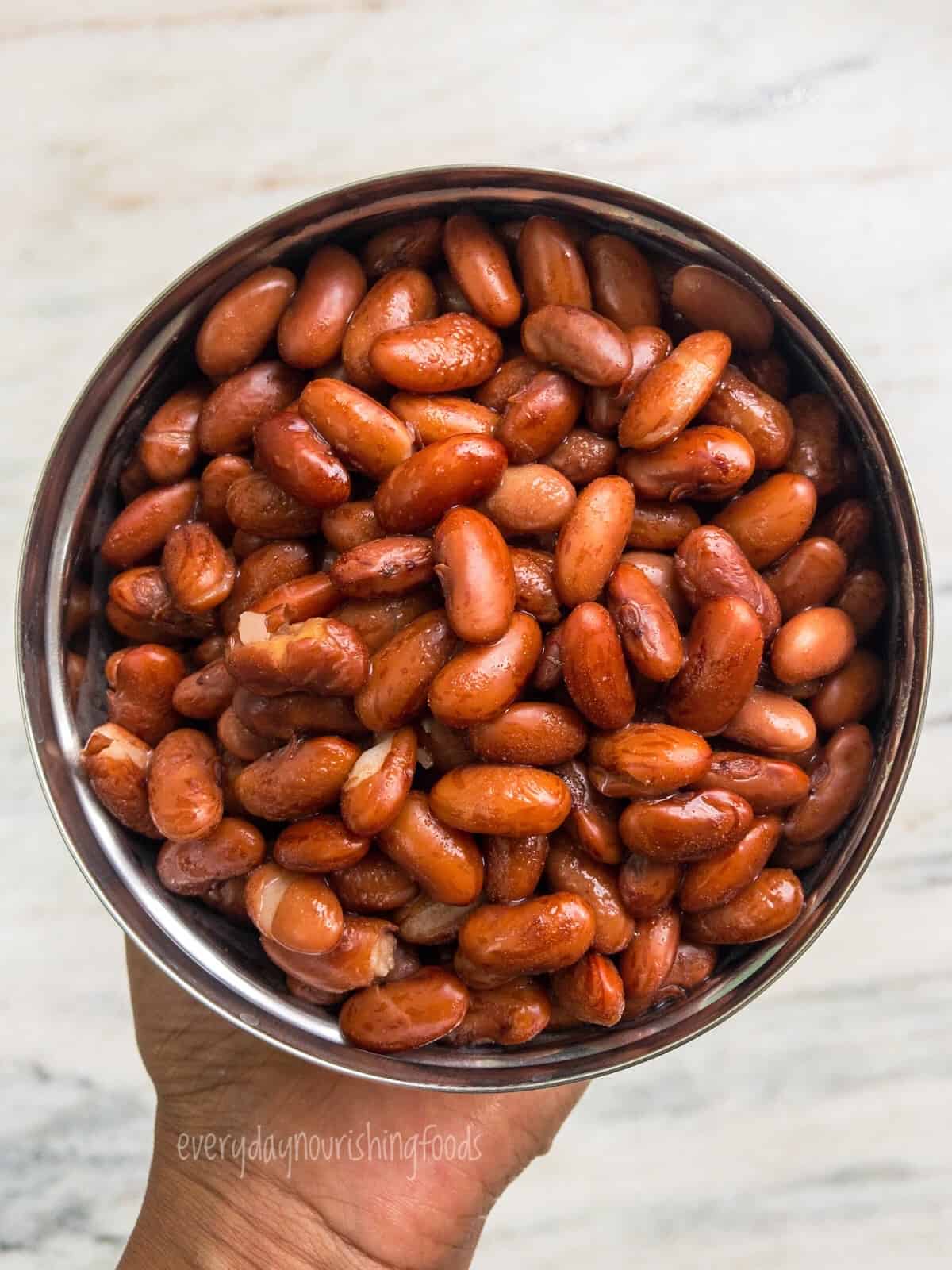
Credit: everydaynourishingfoods.com
How To Use Stored Soaked Beans
Soaked beans are versatile. Here are some easy ideas for using them:
- Soups and stews: Add beans directly to the pot.
- Salads: Rinse and toss with vegetables and dressing.
- Dips: Blend with olive oil, garlic, and lemon for hummus or bean dip.
- Curries: Stir into your favorite curry recipe.
- Tacos or burritos: Mash and season for a quick filling.
For even more ideas, check out resources like the US Dry Beans Council for creative recipes and tips.
Frequently Asked Questions
How Long Can I Keep Soaked Beans In The Refrigerator?
Soaked beans last 3 to 5 days in the fridge if stored in an airtight container and drained well. Always check for off smells or slime before using.
Can I Freeze Soaked Beans?
Yes, you can freeze soaked beans for up to 6 months. Drain and dry them first, portion into freezer-safe containers, label, and freeze quickly for best results.
Why Do My Soaked Beans Smell Sour After Storage?
A sour smell means spoilage. This happens if beans were stored too long, not drained well, or kept at the wrong temperature. Discard sour-smelling beans; do not cook or eat them.
Is It Safe To Soak Beans On The Kitchen Counter?
Soaking on the counter is safe only for a few hours (up to 8 in cool climates). In warm weather or longer soaks, always refrigerate to prevent bacteria growth.
Should I Store Soaked Beans In Water Or Dry?
Always store soaked beans drained and dry. Storing in water increases the risk of spoilage and bacteria. If you must store briefly in water, refrigerate and use within 8–12 hours.
Storing beans after soaking is easy once you know the right steps. With these tips, you’ll keep beans fresh, safe, and ready for any recipe—while saving money, time, and effort in the kitchen.