
Using a mini egg cooker can feel like a small change in your kitchen, but it makes a big difference in daily life. If you love eggs for breakfast, snacks, or meal prep, this little device saves time and delivers consistent results.
Still, many people don’t use their mini egg cooker to its full potential, or they get stuck with undercooked or overcooked eggs. Maybe you just bought one, or perhaps yours has been sitting in the cupboard untouched. This guide will help you unlock everything your mini egg cooker can do.
We’ll cover setup, every cooking method, cleaning, troubleshooting, creative recipes, and tips for better eggs every time. You’ll also find answers to common questions at the end.
Getting To Know Your Mini Egg Cooker
Mini egg cookers are designed for simplicity. Most models cook between 1 and 7 eggs at a time and use steam to gently cook eggs. They are small, easy to clean, and only require a power outlet. Common brands include Dash, Elite Gourmet, and Cuisinart, but they share many features.
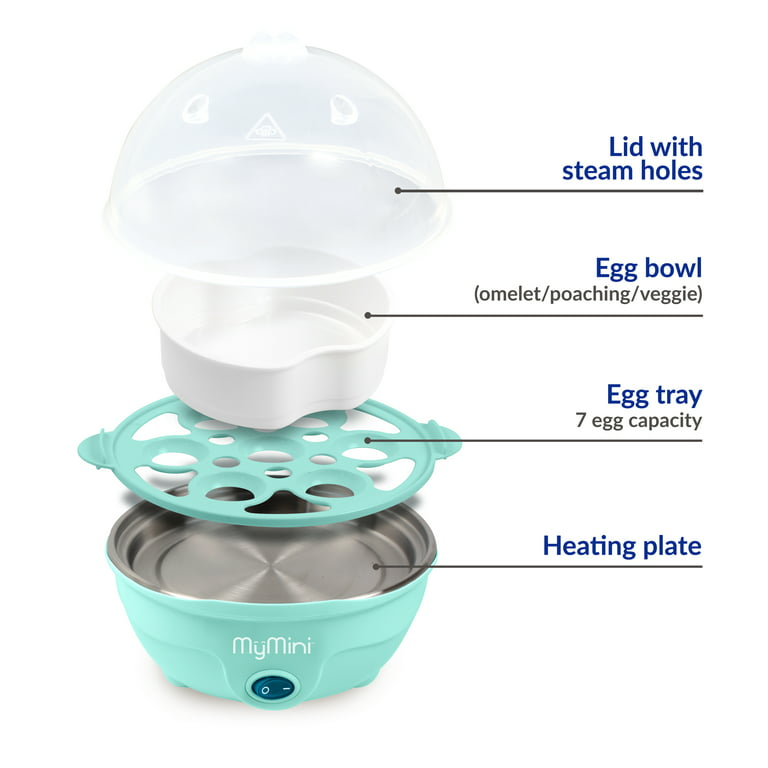
Key Parts And What They Do
- Heating plate: The base heats up water to create steam.
- Egg tray: Holds eggs upright, preventing rolling.
- Lid: Traps steam inside for even cooking.
- Measuring cup: Lets you add the right amount of water for soft, medium, or hard eggs. Sometimes has a pin for piercing eggs.
- Poaching/omelet tray: Some models include a small tray for poaching eggs or making omelets.
Why Use A Mini Egg Cooker?
- Consistency: Eggs cook the same way every time.
- Speed: Most eggs are ready in 7–12 minutes.
- Effortless: No need to watch a pot or worry about boiling over.
- Versatility: Hard, medium, soft eggs, poached eggs, and omelets.
- Energy efficient: Uses less electricity than boiling water on a stove.
Non-obvious insight: The amount of water you add—not the time—controls how cooked your eggs are. More water means longer cooking and firmer eggs.
First-time Setup
Before your first use, it’s smart to do a quick setup.
- Unpack and wash: Wash all removable parts with warm soapy water. Wipe the heating plate with a damp cloth.
- Check for damage: Look for cracks or missing parts.
- Dry completely: Moisture on the heating plate can cause rust.
- Find a safe spot: Place the cooker on a level, heat-resistant surface, away from walls.
- Read the manual: Every brand has small differences—if you have it, glance through your instruction booklet.
Credit: www.walmart.com
Cooking Eggs: Step-by-step
Cooking eggs with your mini egg cooker is simple, but a few details make a big difference.
1. Decide How You Want Your Eggs
Most cookers can make:
- Soft-boiled eggs: Slightly runny yolk, set white.
- Medium-boiled eggs: Creamy yolk, firm white.
- Hard-boiled eggs: Fully cooked yolk and white.
- Poached eggs: Soft eggs without shells, in a small tray.
- Omelets: Beaten eggs with fillings, cooked in a tray.
2. Measure And Add Water
Use the measuring cup that comes with your cooker. Most cups have marks for soft, medium, and hard eggs. Fill the cup with cold water to your desired level.
Pro tip: Use cold water every time for accurate results. Warm water can change cooking time and egg texture.
Pour water onto the heating plate in the base. Don’t overfill.
3. Prepare Your Eggs
- If your cooker comes with a pin (often at the bottom of the measuring cup), use it to pierce the large end of each egg. This stops eggs from cracking and leaking during cooking.
- Place eggs in the egg tray, pointy side down.
Non-obvious insight: Piercing the egg isn’t just for stopping cracks. It also makes peeling easier, especially for hard-boiled eggs.
4. Assemble And Start
- Place the egg tray (with eggs) on the base.
- Put the lid on top and lock it if your model has locking clips.
- Plug in and turn on. Some cookers have a button; others start when plugged in.
5. Wait For The Signal
- The cooker will steam and may sputter a little.
- When all water evaporates, it usually sounds a buzzer or turns off automatically.
- Cooking time depends on how much water you used.
6. Remove And Cool Eggs
- Unplug the cooker.
- Use oven mitts or a towel to lift the lid—hot steam can burn!
- Place eggs in cold water or an ice bath for 5–10 minutes for easier peeling.
7. Peel And Enjoy
- Gently tap and roll eggs to crack shells.
- Peel under running water for best results.
Using The Poaching And Omelet Trays
Many mini egg cookers include extra trays for more cooking options.
Poached Eggs
- Lightly oil the poaching tray.
- Add a little water to each cup if your model suggests it.
- Crack an egg into each cup.
- Place tray on the egg tray, then cover and cook.
- Use less water for softer poached eggs, more for firmer ones.
Mini Omelets
- Whisk 1–2 eggs with salt, pepper, and any fillings (cheese, ham, veggies).
- Oil the omelet tray.
- Pour mixture in, place tray in cooker.
- Add water to the base as for hard eggs.
- Cook until the signal sounds.
Practical tip: For fluffy omelets, beat eggs with a fork until light, and don’t overfill the tray.
Cooking Time And Water Comparison
Cooking time in a mini egg cooker depends on water volume. Here’s a typical guide:
| Egg Style | Water (ml) | Approx. Time (min) | Texture |
|---|---|---|---|
| Soft-boiled | 25 | 7 | Runny yolk |
| Medium-boiled | 35 | 9 | Creamy yolk |
| Hard-boiled | 45 | 12 | Firm yolk |
| Poached | 45 | 10 | Soft center |
| Omelet | 45 | 12 | Fluffy, cooked through |
*Exact numbers may vary by brand and altitude. Always start with your cooker’s instructions. *
Cleaning And Maintenance
Keeping your mini egg cooker clean makes it last longer and prevents odd smells or flavors.
After Each Use
- Unplug and cool: Let it cool completely.
- Remove parts: Take out the lid, trays, and egg holder.
- Wash: Use warm soapy water for all removable parts.
- Wipe base: Clean the heating plate with a damp cloth. Never immerse the base in water.
Removing Stains And Mineral Buildup
Over time, white spots (minerals from water) may appear on the heating plate.
- Fill the measuring cup with equal parts vinegar and water.
- Pour onto the plate and run the cooker (no eggs) for one cycle.
- Let cool, then wipe with a soft cloth.
Do this every 1–2 months to keep your cooker working well.
Storage
- Dry all parts completely before storing.
- Store with the lid off or slightly open to prevent odors.

Credit: www.youtube.com
Troubleshooting Common Problems
Even simple tools can have issues. Here’s how to handle the most common problems.
My Eggs Are Undercooked Or Overcooked
- Check water amount: Too little water = undercooked, too much = overcooked.
- Egg size matters: Large eggs may need a bit more water than medium eggs.
- Altitude: At high altitudes, water boils at a lower temperature. Add more water or cook a bit longer.
Eggs Crack Or Leak
- Pierce eggs: Always pierce the big end if your cooker comes with a pin.
- Don’t overcrowd: Only cook as many eggs as the tray holds.
- Room temperature eggs: Very cold eggs straight from the fridge may crack more easily.
The Buzzer Is Too Loud Or Quiet
- Some models have loud alarms. If yours is too quiet, set a kitchen timer as backup.
There’s A Burnt Smell
- Minerals may be building up on the heating plate. Clean with vinegar and water.
- Never run the cooker dry—always use enough water.
Peeling Is Difficult
- Older eggs peel more easily than very fresh ones.
- Chill eggs in ice water after cooking.
Advanced tip: For perfect peeling, gently crack eggs all over and soak in cold water for 10 minutes before peeling.
Creative Ways To Use Your Mini Egg Cooker
Most people use mini egg cookers for simple boiled eggs, but you can do much more.
1. Meal Prep For The Week
Hard boil a batch of eggs at the start of the week. Store peeled eggs in a sealed container in the fridge for up to 5 days. They’re great for salads, sandwiches, or snacks.
2. Make Egg Bites
Mix eggs with cheese, cooked bacon, or spinach. Pour into the poaching tray and cook. These mini egg bites are perfect for breakfast on the go.
3. Steamed Veggies
Some trays hold small vegetables (like broccoli or carrots). Add a little water, cover, and steam. This works best for quick, small portions.
4. Quick Single-serve Desserts
You can use the omelet tray to make small custards or bread puddings. Mix milk, egg, sugar, and vanilla, and cook with the same method.
5. Heat Leftovers
Use the poaching tray to warm small portions of rice, pasta, or cooked vegetables.
Surprising insight: The mini egg cooker’s steam is gentle, so it’s great for reheating delicate foods without drying them out.
Mini Egg Cooker Vs. Traditional Boiling
Is a mini egg cooker really better than boiling eggs on the stove? Here’s a quick comparison:
| Feature | Mini Egg Cooker | Boiling on Stove |
|---|---|---|
| Time to Cook | 7–12 minutes | 10–20 minutes (includes heating water) |
| Attention Needed | Very little | Must watch for boiling over |
| Consistency | High | Medium (may overcook or undercook) |
| Energy Use | Low | Higher (stove uses more energy) |
| Peeling Ease | Easy (if pierced) | Varies |
| Batch Size | Up to 7 eggs | Any number (limited by pot size) |
| Other Foods | Poaching, omelets, egg bites | Mainly just boiling |
Safety Tips For Using A Mini Egg Cooker
Steam is powerful—treat your cooker with care to prevent burns or accidents.
- Never open the lid during cooking. Wait until the signal sounds.
- Use oven mitts when lifting the lid. Steam can burn quickly.
- Keep out of reach of children when in use.
- Unplug after use to avoid electrical hazards.
- Don’t overfill with water or eggs.
If your model has a cord, keep it away from water and stove burners.
Choosing The Right Mini Egg Cooker
If you’re thinking of buying, or want to upgrade, here’s what to consider:
Capacity
How many eggs do you need at once? Mini models hold 1–7 eggs. Larger families may want a bigger model.
Extra Trays
Some models come with poaching and omelet trays. If you want more than boiled eggs, these are a must.
Build Quality
Look for stainless steel heating plates and BPA-free plastic lids.
Ease Of Cleaning
Removable, dishwasher-safe parts make cleanup easier.
Price
Prices range from $15–$40. Basic models work well; extra features add cost.
Warranty And Support
Choose brands with good customer service and clear manuals.
Here’s a quick comparison of three popular models:
| Brand | Egg Capacity | Extra Trays | Warranty | Price (USD) |
|---|---|---|---|---|
| Dash Rapid | 6 | Poach, omelet | 1 year | 20 |
| Elite Gourmet | 7 | Poach, omelet | 1 year | 18 |
| Cuisinart CEC-7 | 7 | Poach | 3 years | 35 |
For more on different brands, check the official Egg cooker Wikipedia page.
Smart Ways To Use Leftover Eggs
If you cook a full batch and have leftovers, here are some ideas:
- Egg salad: Chop hard-boiled eggs, mix with mayo, mustard, and herbs.
- Deviled eggs: Slice eggs in half, mix yolks with mustard and mayo, refill.
- Sandwiches: Sliced eggs with cheese, tomato, and lettuce.
- Rice bowls: Add chopped eggs to fried rice or grain bowls.
- Curry: Hard-boiled eggs are great in spicy curries.
Pro tip: Store peeled eggs in water with a pinch of salt in the fridge to keep them moist.
Cleaning And Caring For Your Mini Egg Cooker Long-term
Deep cleaning isn’t just about appearance—it affects taste and performance.
- Descale every month if you have hard water.
- Avoid harsh scrubbers that can scratch the heating plate.
- Replace trays if they crack or discolor.
- Check the cord and plug for wear every few months.
If your cooker stops working, check the warranty before trying to fix it yourself.
Frequently Asked Questions
How Do I Know How Much Water To Add?
Use the measuring cup that comes with your cooker. Match the water level to your egg style (soft, medium, hard). If you lose your cup, about 25 ml for soft, 35 ml for medium, and 45 ml for hard is a good guide.
Always use cold water.
Can I Cook Fewer Eggs Than The Cooker’s Maximum?
Yes. Mini egg cookers work well with just one or two eggs. The cooking time stays the same—just measure water for your desired doneness.
Why Do My Eggs Sometimes Crack?
Eggs can crack due to rapid temperature changes or not being pierced. Always pierce the large end with the pin provided, and try using room temperature eggs.
How Can I Make Eggs Easier To Peel?
Pierce the egg before cooking, cool eggs in ice water after cooking, and use eggs that are a few days old. Fresh eggs are harder to peel.
Is It Safe To Leave My Mini Egg Cooker Plugged In?
No. Always unplug after use. This prevents electrical hazards and saves energy.
Using your mini egg cooker is more than just pressing a button—it’s about small habits that bring better, tastier results. With the right water amount, careful cleaning, and a few creative ideas, you’ll get perfect eggs every time and unlock more uses than you thought possible.
Whether you’re a breakfast lover, meal prepper, or just want an easier way to make eggs, your mini egg cooker is a tool you’ll reach for again and again.

Credit: www.amazon.com