
Using a slow cooker can make your life much easier. Meals cook slowly, flavors develop, and you get home to a hot dinner. But, if you’ve ever faced the challenge of cleaning a sticky, greasy slow cooker, you know that part isn’t as fun. This is where slow cooker liners come in. They promise to make cleanup quick and simple. Still, many people are unsure how to use them the right way. Some worry about safety, while others wonder if liners affect the taste or quality of food.
In this guide, you’ll learn exactly how to use a slow cooker liner—from choosing the right one to tips for cooking, serving, and cleaning up. You’ll also discover practical advice, safety facts, and answers to common questions. Whether you’re a slow cooker beginner or you use your crockpot every week, this article will help you use liners like a pro.
What Is A Slow Cooker Liner?
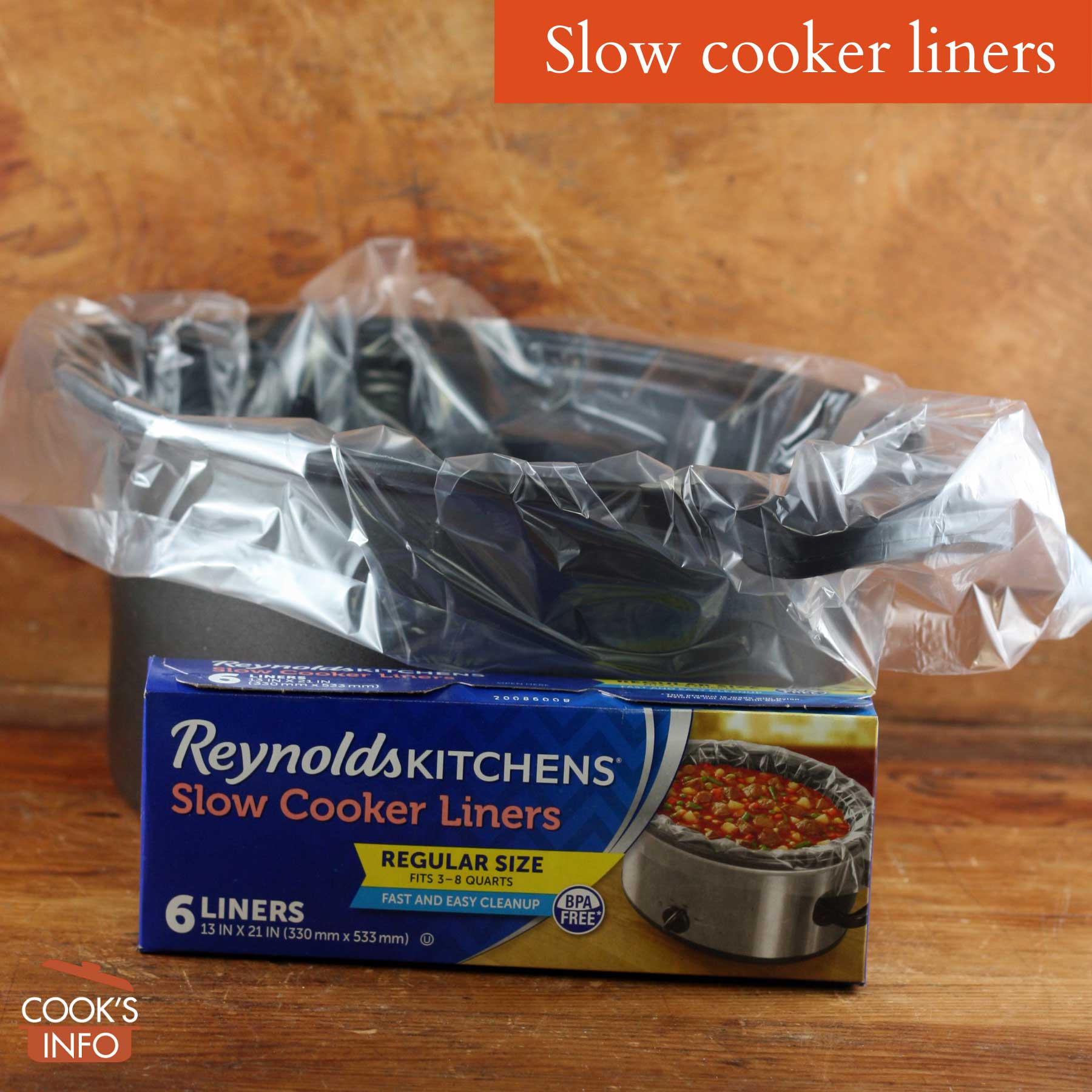
A slow cooker liner is a heat-resistant, food-safe plastic bag designed to fit inside your slow cooker. It acts as a barrier between your food and the pot. When you finish cooking, you simply lift out the liner with leftovers, and the pot stays clean.
Most liners are made from nylon resin or polyethylene. These materials can withstand temperatures up to 400°F (204°C), which is much higher than a slow cooker’s typical heat (170°F–300°F). Liners are one-time use, so you throw them away after each meal.
Main benefits:
- No scrubbing. You rarely need to wash the pot.
- Saves time. Cleanup takes seconds.
- Less stuck-on food. Liners help prevent burnt edges and sticky messes.
Why Use A Slow Cooker Liner?
Many people wonder if liners are really necessary. Here are some reasons why they’re helpful:
- Easy cleanup – After cooking, you usually only need to wipe the pot, not scrub it.
- Protect your slow cooker – Liners can help prevent scratches in ceramic pots.
- Great for sticky meals – Barbecue, chili, cheesy casseroles, and desserts are less likely to stick.
- Convenient for parties – Serving and storing leftovers is easier. You can lift out the liner and place it in a container.
- Saves water and detergent – Less washing means you use fewer resources.
A non-obvious insight: Liners can also help if you have hard water, which sometimes leaves stains on slow cooker pots. Liners keep the inside looking new for longer.
Are Slow Cooker Liners Safe?
Safety is a top concern. Most big brands, like Reynolds Kitchens and PanSaver, test their liners to meet FDA standards for food safety. They are BPA-free and do not melt or break down at slow cooker temperatures.
Important facts:
- Never use a liner at temperatures above 400°F.
- Liners are not for the oven, stovetop, or broiler—only slow cookers.
- Do not reuse liners. They are for one-time use only.
Some people wonder if plastic liners add taste or chemicals to food. Multiple tests show that, when used correctly, they do not affect flavor or release harmful substances. For more information, see the FDA’s Food Contact Substances Program.
Practical tip: If you’re sensitive to smells, rinse the liner with water before placing it in the cooker. This removes any “new plastic” scent.
Choosing The Right Slow Cooker Liner
Not all liners are the same. Some are made for small slow cookers, others fit larger models. Picking the right size and type prevents leaks and messes.
Sizes And Brands
Most liners are designed for 3 to 8 quart slow cookers. Common brands include Reynolds Kitchens and PanSaver.
Here’s a quick comparison of standard liner sizes:
| Liner Brand | Fits Cooker Size | Material | Max Temp |
|---|---|---|---|
| Reynolds Kitchens | 3–8 quarts | Nylon resin | 400°F |
| PanSaver | 3–6.5 quarts | Polyethylene | 400°F |
| Generic Store Brands | 4–7 quarts | Nylon or Polyethylene | 400°F |
How to pick:
- If your slow cooker is 6 quarts, choose a liner that fits up to 8 quarts.
- For smaller 3-quart cookers, check if the liner bunches up—cut off extra length if needed.
- Never use oven bags, roasting bags, or plastic wraps. Only use liners marked for slow cookers.
Shape
Slow cookers come in round and oval shapes. Most liners are flexible enough for both, but make sure the liner fully covers the sides.
How To Use A Slow Cooker Liner Step By Step
Using a liner is simple, but following these steps will prevent leaks, tears, or other problems.
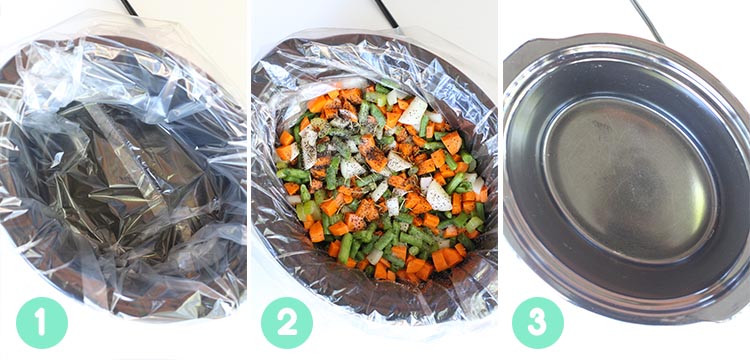
1. Open The Liner
Take one liner from the box. Gently shake it open. Do not stretch or poke holes.
2. Place The Liner Inside The Pot
Fit the liner into the slow cooker’s ceramic insert. Press it down so it touches the bottom and sides. Make sure the liner hangs over the edges by 2–3 inches.
Tip: If the liner slips, lightly wet the inside of the pot with water before placing the liner. This helps it stick in place.
3. Fold The Liner Over The Rim
Pull the top edge of the liner over the rim of the slow cooker. The liner should stay in place when you put the lid on.
4. Add Ingredients
Pour your recipe ingredients directly into the lined pot. Spread food evenly so the liner doesn’t bunch in one spot.
5. Cook As Usual
Put the lid on, plug in your slow cooker, and set your desired cooking time and temperature.
Expert insight: Avoid stirring too hard or using sharp utensils, which can tear the liner. Use a wooden or silicone spoon.
6. Serving
When the food is ready, you can serve directly from the liner. For large meals, lift the liner carefully, holding both sides, and pour leftovers into containers.
Safety tip: The liner and food will be hot. Use oven mitts or a towel to avoid burns.
7. Cleanup
After the pot cools, lift out the liner and throw it away. Wipe the pot with a damp cloth if needed. Usually, no washing is required.
Step-by-step Summary
Here’s a quick checklist for using a slow cooker liner:
- Open liner
- Place in cooker
- Fold edges over rim
- Add ingredients
- Cook as usual
- Serve food
- Remove liner and discard
Tips For Best Results With Slow Cooker Liners
Even though using a liner is easy, these tips will help you get the best results.
Prevent Leaks And Tears
- Make sure the liner fits smoothly with no sharp folds.
- Don’t use knives or metal utensils inside the liner.
- If cooking a large roast or bone-in meat, check that bones aren’t poking the liner.
Avoid Overfilling
- Fill your slow cooker no more than two-thirds full.
- Overfilling causes food to spill over the top or push the liner out of place.
Use The Right Recipes
- Liners work well for soups, stews, chili, casseroles, and desserts.
- For dry roasting (like bread or cake), grease the liner lightly to prevent sticking.
- Some recipes (like caramel or cheese) may still stick a little. Spray the inside of the liner with cooking spray first.
Stirring And Lifting
- Stir gently to avoid tearing.
- When removing the liner, support it from the bottom, not just the sides.
Storing Leftovers
- Never store leftover food in the liner inside the cooker. Transfer to a container and refrigerate.
- Liners are not made for long-term storage.
Reheating
- Do not reheat food in the liner on the stovetop, oven, or microwave.
- Always move leftovers to a microwave-safe dish.
Non-obvious insight: If you need to cook two dishes at once (for example, two types of soup), you can use two liners at the same time. Place each liner on one side of the pot, being careful not to spill or overfill. This trick works best for thick recipes, not liquids.
Common Mistakes When Using Slow Cooker Liners
Even experienced cooks sometimes make errors. Here are the most frequent mistakes and how to avoid them:
- Using in the wrong appliance: Liners are only for slow cookers, not pressure cookers, ovens, or air fryers.
- Cutting or trimming liners: Don’t cut the liner to fit; use the right size instead. Cut edges can open during cooking.
- Leaving liner over the rim: Make sure the liner is under the lid so steam doesn’t escape.
- Using sharp utensils: Metal spoons or forks can cause small tears.
- Overfilling: This can make the liner collapse into the food or leak.
- Storing leftovers in the liner: Always transfer food to proper containers.
- Reusing liners: Liners are for single use only. Washing and reusing is unsafe and can cause them to break.
Pro tip: Always check the liner for holes before adding ingredients. Even a tiny tear can cause leaks during cooking.
Comparing Cooking With And Without Slow Cooker Liners
Many people wonder if liners change the quality of food or slow cooker performance. Let’s look at the main differences.
| Feature | With Liner | Without Liner |
|---|---|---|
| Cleanup | Very easy, just discard liner | May require scrubbing and soaking |
| Food Sticking | Rare, especially with liquids | Common with cheesy or sugary foods |
| Flavor | No difference when used properly | Unchanged |
| Pot Protection | Protects from scratches and stains | Pot may discolor over time |
| Cost | Extra cost per meal | No extra cost |
Bottom line: Liners do not change the taste or performance of your slow cooker, but they make cleanup and maintenance easier.
Are Liners Worth The Cost?
A box of slow cooker liners (usually 4–6 liners) costs between $3 and $5. That’s about $0. 75–$1. 25 per meal. For many, the time saved on cleaning is worth this small extra cost.
Consider liners if you:
- Cook sticky or messy meals often
- Hate scrubbing pots
- Have limited water or detergent
- Host parties and need fast cleanup
If you use your slow cooker rarely or only for simple recipes, you might not need liners every time.
Slow Cooker Liner Myths And Truths
There are a few myths about slow cooker liners. Here’s what you need to know:
Myth 1: Liners Add Plastic Taste To Food.
Truth: If you use a food-safe, FDA-approved liner, it should not add any taste. If you do notice a smell, try rinsing the liner before use.
Myth 2: Liners Can Melt And Cause Chemicals To Leak Into Food.
Truth: Liners are made for slow cooking temperatures and will not melt under normal use. Never use at higher temperatures or for broiling.
Myth 3: You Can Reuse Liners If You Wash Them.
Truth: Reusing is not safe or recommended. Liners can weaken after one use.
Myth 4: Liners Are Only For Stews Or Soups.
Truth: You can use liners for casseroles, desserts, dips, and more.
Myth 5: Liners Are The Same As Oven Bags.
Truth: Oven bags are designed for higher temperatures and may not fit or seal properly in a slow cooker.
Credit: thefamilyfreezer.com
Environmental Concerns
Some people avoid liners due to concerns about plastic waste. It’s true that liners are single-use and not recyclable. However, if you use a lot of water, soap, and energy to wash your slow cooker, liners may still be a greener choice in some cases.
Tips to reduce waste:
- Use liners only for messy meals, not every time.
- Wipe out the pot after dry recipes instead of using a liner.
- Look for liners made from recycled or compostable materials (rare, but some brands are starting to offer them).
Popular Brands And Where To Buy
Most grocery stores, big box retailers, and online shops sell slow cooker liners. The most popular brands are:
- Reynolds Kitchens Slow Cooker Liners
- PanSaver Slow Cooker Liners
- Store brands (like Kroger, Great Value, etc.)
Where to buy:
- Supermarkets (Walmart, Target, Kroger, Safeway)
- Online (Amazon, Walmart.com)
- Some discount stores and dollar stores
Pro tip: Store liners in your pantry near your slow cooker so you don’t forget to use them.
Recipes That Work Well With Slow Cooker Liners
Liners are best for recipes that can be messy or sticky. Here are some examples:
1. Chili
Chili often sticks to the pot and leaves stains. With a liner, cleanup is a breeze.
2. Barbecue Pulled Pork
Barbecue sauce is sticky and can burn onto the sides of your cooker. Liners help prevent this.
3. Cheesy Casseroles
Cheese is famous for sticking and burning. With a liner, the cheese lifts out easily.
4. Stews And Soups
Lots of ingredients and broth make for easy cleanup with a liner.
5. Slow Cooker Desserts
Recipes like cobblers, bread puddings, or caramel sauce can be tough to clean. Liners make it much easier.
Tip: Always check your recipe to make sure it’s suitable for slow cooking and liners.
Using Slow Cooker Liners For Special Situations
Cooking For Allergies
If you cook for someone with allergies, liners help prevent cross-contamination. You can cook allergy-friendly meals with less risk of residue from previous recipes.
Cooking For Parties
Liners are great for parties when you need to make several dishes. Quick cleanup means you can swap recipes fast.
Traveling With Food
If you bring your slow cooker to potlucks or family events, a liner helps keep the pot clean and makes transporting leftovers easier.
How To Store And Handle Slow Cooker Liners
- Keep liners in a dry, cool place.
- Do not store near sharp objects.
- If a box is damaged, check each liner before use.
- Liners usually have a shelf life of several years if kept sealed.
Practical tip: If you have a small kitchen, store liners inside your slow cooker between uses.
Slow Cooker Liner Alternatives
If you don’t want to use liners, you have a few options:
1. Cooking Spray
Spray the inside of your pot with nonstick spray before cooking. This helps but doesn’t prevent all sticking.
2. Parchment Paper
Some people line the pot with parchment, but it doesn’t fit as well and may shift during cooking.
3. Soaking And Scrubbing
Soak the pot with hot water and baking soda after cooking to loosen stuck-on food. This is more work but saves on plastic.
4. Silicone Liners
A few brands make reusable silicone liners. These are more expensive but can be washed and used again.
| Alternative | Reusable? | Effectiveness | Cost |
|---|---|---|---|
| Cooking spray | No | Medium | Low |
| Parchment paper | No | Low | Low |
| Soaking & scrubbing | Yes | High | None |
| Silicone liner | Yes | High | High (one-time) |
| Slow cooker liner | No | Very High | Medium (per use) |
Credit: www.cooksinfo.com
When Not To Use A Slow Cooker Liner
Liners are not ideal for every situation. Avoid using them when:
- Cooking at temperatures above 400°F
- Using an Instant Pot, oven, or air fryer
- Cooking recipes that require browning or searing in the pot first
- Making yogurt or other recipes that need very gentle heating and stirring
Tip: For baking or recipes that stick easily, use a liner but spray it with oil first.
Frequently Asked Questions
Can I Use A Slow Cooker Liner In The Oven Or Microwave?
No, slow cooker liners are not designed for ovens or microwaves. They can melt or release chemicals at high temperatures. Use only in slow cookers.
Are Slow Cooker Liners Safe For All Types Of Food?
Yes, as long as you use food-safe, FDA-approved liners, they are safe for all foods cooked at normal slow cooker temperatures.
Can I Use A Slow Cooker Liner For Sous Vide Or Pressure Cooking?
No, liners are not made for high-pressure or water bath cooking. Use only in traditional slow cookers.
Do Slow Cooker Liners Affect The Taste Or Smell Of Food?
They should not affect taste or smell if used correctly. If you notice a smell, rinse the liner with water before using.
Is It Okay To Lift A Full Liner With Hot Food?
Yes, but be careful. Always use oven mitts and support the liner from the bottom to avoid spills or burns.
Slow cooker liners are a simple tool that can make cooking and cleanup much easier. When used properly, they protect your pot, save time, and let you enjoy more meals with less effort. By following the steps and tips in this guide, you can use liners confidently and get the most out of your slow cooker.

Credit: www.reynoldsbrands.com