
If you’ve ever watched water take forever to boil on your stove, you know how frustrating it can be, especially when you’re in a hurry. GE has a solution called Power Boil, a feature found on many of their modern stoves. This powerful option is designed to speed up cooking by delivering high heat quickly. But many users don’t realize how to get the most from it, or even when (and when not) to use it. In this guide, you’ll learn everything you need to know about using Power Boil on a GE stove, from how it works to step-by-step instructions, safety tips, cleaning advice, and answers to common questions.
What Is Power Boil On A Ge Stove?
Power Boil is a special burner setting on many GE stoves that provides extra-high heat output. Most standard burners deliver between 7,000 and 9,500 BTUs (British Thermal Units) for gas stoves, or equivalent wattage for electric. Power Boil burners can reach 15,000 to 18,000 BTUs or higher, depending on the model. This means water boils faster, and large amounts of food heat up more quickly.
It’s not just for boiling water. The high heat is great for cooking pasta, blanching vegetables, or searing meat. But it’s important to understand when to use it and when to avoid it, because Power Boil is not suitable for every cooking task.
How Power Boil Works
Power Boil burners are larger and produce more heat compared to regular burners. On electric stoves, this means a higher wattage coil or radiant element. On gas stoves, it’s a bigger burner with more gas flow.
Some GE stoves have a dedicated Power Boil burner, while others let you select the Power Boil setting on a multi-purpose burner. In both cases, the goal is fast, intense heat. This can save several minutes when boiling water for pasta or preparing large meals.
Power Boil Vs. Standard Burner
Here’s a comparison to help you understand the difference:
| Feature | Power Boil Burner | Standard Burner |
|---|---|---|
| Heat Output | 15,000–18,000 BTUs (gas) 3,000+ Watts (electric) | 7,000–9,500 BTUs (gas) 1,200–2,500 Watts (electric) |
| Best For | Boiling, searing, large pots | Simmering, light cooking |
| Boiling Time (4qt water) | 5–7 minutes | 10–14 minutes |
Identifying The Power Boil Burner On Your Ge Stove
Before using Power Boil, you need to locate it. On most GE stoves, the Power Boil burner is clearly marked.
- Gas stoves: The Power Boil burner is usually the largest one, often at the front left or right.
- Electric coil stoves: Look for a larger coil. It may have a “Power Boil” label near the knob.
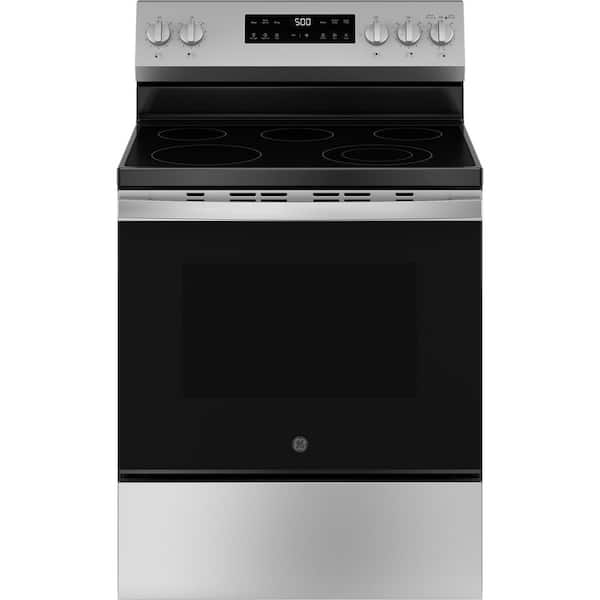
- Smooth-top electric stoves: The Power Boil burner is often outlined with a double or triple ring.
Check your stove’s user manual for exact details, or look for a “Power Boil” marking on the cooktop or control panel.
When To Use Power Boil
Many home cooks don’t realize that Power Boil is not always the best choice for every recipe. Here’s when it shines:
- Boiling water: Making pasta, potatoes, or blanching vegetables.
- Searing meat: Getting a good crust on steaks or chops.
- Heating large pots: Soups, stews, or chili in big batches.
- Quick stir-frying: If your pan can handle high heat.
But it’s not for everything. Avoid using Power Boil for delicate sauces, simmering, or foods that can scorch easily.

Credit: www.youtube.com
Step-by-step: How To Use Power Boil On Your Ge Stove
Using Power Boil is simple, but there are important details that make a big difference. Here’s how to do it safely and effectively.
1. Choose The Right Pot Or Pan
Not every pot is suitable for high heat.
- Heavy-bottomed pots (stainless steel, cast iron, or quality nonstick) are best.
- Thin pans can warp or burn food quickly.
For electric smooth-top stoves, use flat-bottomed cookware for full contact with the burner.
2. Place The Pot On The Power Boil Burner
Center the pot on the burner. If the pot is too small, the handles can get hot and food can scorch.
3. Add Water Or Food
For boiling, fill the pot with water. Don’t overfill—leave space to avoid boiling over.
4. Turn The Knob To Power Boil
- On most GE stoves, the Power Boil burner has its own knob or setting.
- For gas: Turn the knob to the highest flame.
- For electric: Select the “Power Boil” or “High” setting.
Wait for the burner to reach full heat before adding food, especially for searing.
5. Watch Closely
Power Boil is fast. Water can boil in a few minutes. Stay nearby—never leave the kitchen.
6. Adjust As Needed
Once boiling or searing is achieved, turn the heat down to prevent boiling over or burning.
7. Turn Off When Done
When finished, turn off the burner. Use oven mitts to handle hot pots.
Safety Tips For Using Power Boil
High heat means more risk. Here are key safety steps:
- Never walk away from the stove when Power Boil is on.
- Use proper cookware: Heavy, flat-bottomed, and larger than the burner.
- Avoid glass or cheap nonstick pans on Power Boil—they can crack or warp.
- Keep pot handles turned inward to avoid knocking them over.
- Watch for boiling over, especially with pasta or potatoes.
- Clean spills immediately (when cool) to prevent stains or damage.
A common mistake is using Power Boil with small pots—this can lead to burns, boil-overs, or even cracked cookware.

Credit: www.reddit.com
Power Boil On Different Ge Stove Types
GE offers several stove designs. The Power Boil feature works a bit differently on each.
Gas Stoves
- Burner size: Power Boil burners are larger and have more flame holes.
- Flame control: Adjust the knob for full heat or lower as needed.
- Ignition: Wait for the burner to light fully before placing the pot.
Electric Coil Stoves
- Coil design: The Power Boil coil is larger and higher wattage.
- Temperature: Heats up fast; adjust the dial as soon as boiling starts.
Electric Smooth-top Stoves
- Radiant elements: Power Boil is often a double or triple ring for faster heating.
- Cookware: Use flat, heavy-bottomed pans for best results.
Induction Stoves
Some GE induction models have a Power Boil function, which uses magnetic energy to heat pots quickly.
- Compatible pans: Only ferrous (magnetic) cookware will work.
- Speed: Induction Power Boil is often the fastest, boiling water in 3–5 minutes for medium pots.
Here’s a look at boiling times on different GE stove types:
| Stove Type | Power Boil (4qt water) | Standard Burner (4qt water) |
|---|---|---|
| Gas | 5–7 min | 12–15 min |
| Electric Coil | 6–8 min | 13–16 min |
| Smooth-Top Electric | 7–9 min | 14–18 min |
| Induction | 3–5 min | 8–12 min |
Cooking Tips For Power Boil
Getting the most from Power Boil is about more than just turning the knob to high. Here are practical tips:
- Preheat the pot: For searing, let the pot heat up before adding oil or food.
- Salt after boiling: When boiling water, add salt after it comes to a boil to prevent pitting in stainless steel pots.
- Use a lid: Covering the pot speeds up boiling and saves energy.
- Don’t overfill: Leave room for boiling bubbles.
- Stir occasionally: Prevents sticking and scorching, especially with starches.
Many beginners forget to reduce the heat once boiling starts. Leaving Power Boil on can cause boil-overs or burned food. Always adjust as soon as you see a rolling boil.
Cleaning And Maintenance
Power Boil burners need extra care because of the high heat. Here’s how to keep them working well.
Cleaning The Burner
- Gas burners: Remove grates and burner caps. Wash with warm, soapy water. Use a needle to clear clogged holes.
- Electric coils: Wipe when cool. Never immerse coils in water.
- Smooth-top: Use a cooktop cleaner and a soft cloth. Avoid abrasive pads.
Cleaning Spills
Spills are more likely with Power Boil. Wipe up as soon as the stove cools. For stuck-on stains, use a cooktop scraper (smooth-top) or a non-abrasive sponge.
Preventing Damage
- Never use oversized pots that block airflow or touch controls.
- Avoid dropping heavy pans on smooth tops—they can crack.
- Don’t use foil under burners; it can block heat sensors.
Common Mistakes And How To Avoid Them
Many users make errors that can damage their stove or ruin food. Here are the most common Power Boil mistakes:
- Using the wrong cookware: Thin or warped pans can burn food and get damaged.
- Leaving Power Boil unattended: Boil-overs and fires can happen quickly.
- Overfilling pots: This leads to spills and mess.
- Not reducing heat after boiling: Food can burn or boil over rapidly.
- Using Power Boil for delicate tasks: Sauces, melting chocolate, or simmering require lower heat.
A non-obvious tip: If you have a double-ring Power Boil burner, use the inner ring only for smaller pots. This gives you more control and saves energy.
Credit: www.homedepot.com
Advanced Uses For Power Boil
Experienced cooks use Power Boil for more than just boiling water. Here are some advanced ideas:
- Blanching vegetables: Quickly cook and cool vegetables for freezing or salads.
- Canning: The high heat is perfect for bringing large canning pots to a boil.
- Quick soups: Speed up broth or soup recipes that start with a rolling boil.
- Batch cooking: Boil big amounts of pasta, potatoes, or grains for meal prep.
- Making stocks: Get large stockpots up to temperature quickly, then reduce heat for simmering.
Many home cooks don’t realize that using Power Boil for the initial heat-up, then lowering the temperature, can cut cooking times for big family meals.
Energy Efficiency And Power Boil
Power Boil uses more energy while it’s on, but because it works so quickly, it can be more efficient overall. Boiling water in 6 minutes instead of 14 means the burner is on for less time.
Here’s a quick comparison:
| Boiling 4 qt Water | Time on Power Boil | Time on Standard Burner | Estimated Energy Use |
|---|---|---|---|
| Gas Stove | 6 min | 13 min | Lower on Power Boil (if turned down after boiling) |
| Electric Stove | 7 min | 15 min | Lower on Power Boil (if used only as needed) |
But if you leave Power Boil on high after the water boils, you’ll waste energy and risk burning food. So, use Power Boil to start cooking, then reduce the heat.
Troubleshooting Power Boil Problems
Sometimes Power Boil doesn’t work as expected. Here are solutions to common problems:
- Water isn’t boiling fast: Check that you’re using the right burner and pan. Large, flat pots work best.
- Burner won’t ignite (gas): Make sure the burner cap is properly seated and the holes aren’t clogged.
- Burner cycles on and off (electric): This is normal for smooth-tops to prevent overheating.
- Spills and stains: Clean as soon as the cooktop cools.
- Cookware discoloration: Use heavy, quality pots to avoid marks.
If the Power Boil burner stops working, check for tripped breakers or gas supply issues. If the problem continues, contact GE customer service or a qualified repair technician.
How To Know If Your Ge Stove Has Power Boil
Not all GE stoves have Power Boil. If you’re shopping for a new stove or want to check your current model:
- Look for “Power Boil” labels on the cooktop or control panel.
- Check the stove’s user manual or product listing.
- Visit the GE Appliances website and enter your model number.
- On gas stoves, the largest burner is often Power Boil.
- On electric, look for burners with multiple rings or higher wattage.
If you’re buying a new stove and want this feature, compare specifications closely. Some models call it “Rapid Boil” or “Express Boil” instead.
Power Boil And Cookware Compatibility
Choosing the right cookware is essential for safe, effective Power Boil use.
- Best: Stainless steel, enameled cast iron, heavy-duty nonstick (for stir-frying or searing).
- Avoid: Thin aluminum, glass, or lightweight nonstick pans.
- For induction: Only magnetic (ferrous) pans will work.
A real-world tip: When using Power Boil, always check the manufacturer’s instructions for your cookware. Not all nonstick pans are rated for high heat.
How Power Boil Compares To Other High-heat Features
GE and other brands offer different high-heat options. Here’s how Power Boil compares:
- Power Boil: GE’s branding for high-output burners.
- Rapid Boil/Express Boil: Similar features on other brands.
- Dual/triple ring burners: Offer flexibility for pan size but not always as much power.
- Induction Boost: Super-fast on induction stoves.
If speed matters most, induction Power Boil is usually fastest. But for traditional gas cooking, GE’s Power Boil burner is a top performer.
For more details on cooktop features, check GE Appliances official burner guide.
Power Boil For Large Families And Entertaining
If you cook for a crowd, Power Boil is a game-changer. Boiling large pots of pasta, potatoes, or soup goes much faster. Here’s how to make the most of it:
- Use your biggest, heaviest pot.
- Fill only to the “max fill” line to prevent spills.
- Start with hot tap water to save even more time.
- Use a lid for faster results.
- Reduce heat after boiling to avoid scorching.
A non-obvious tip: For back-to-back cooking (like pasta then vegetables), leave the burner on Power Boil and switch pots quickly. This keeps the burner hot and saves time.
Power Boil Maintenance: What Owners Forget
High heat puts extra stress on stoves. Many owners forget these critical maintenance steps:
- Clean burner caps and rings monthly (gas).
- Check for discoloration or pitting on smooth-tops.
- Tighten burner knobs if they become loose.
- Inspect power cords and gas lines yearly.
These small steps keep your Power Boil burner working at full strength and prevent expensive repairs.
Frequently Asked Questions
What Is The Difference Between Power Boil And Regular Burners?
Power Boil burners provide much higher heat output (up to 18,000 BTUs or more) compared to standard burners (7,000–9,500 BTUs). This means water boils much faster and large pots heat up quickly. Standard burners are better for gentle cooking or simmering.
Can I Use Any Pot Or Pan On Power Boil?
No. It’s best to use heavy-bottomed, flat cookware. Thin, lightweight, or glass pans can warp, crack, or burn food. For induction Power Boil, use only magnetic pans.
Is Power Boil Safe For All Types Of Food?
Power Boil is great for boiling, searing, or large-batch cooking, but not for delicate foods like sauces or melting chocolate. High heat can scorch or burn these foods quickly. Lower the heat for sensitive recipes.
Why Does My Power Boil Burner Cycle On And Off?
This is normal on electric smooth-top stoves. The burner cycles to prevent overheating and protect the cooktop. The heat is still much higher than a regular burner, so boiling is faster.
How Do I Clean Power Boil Burners?
For gas, remove and wash burner caps and rings. For electric coils, wipe when cool. For smooth-tops, use a cooktop cleaner and soft cloth. Avoid harsh scrubbers and clean spills quickly to prevent stains.
Power Boil is one of the best features for fast, efficient cooking. With the right techniques and safety habits, you’ll save time and enjoy perfect results every time you use your GE stove. Whether you’re a busy parent, a meal-prepper, or just love to cook, mastering Power Boil makes kitchen life easier.