
Few things are more worrying than finding out your shower is leaking behind the wall. Not only does it damage your home, but it can also create a perfect spot for mold to grow. Mold behind walls is difficult to notice at first, and by the time you do, the damage can be expensive and risky to your health. Many people miss the early signs, thinking a small leak is harmless. But hidden moisture feeds mold that spreads fast, causes bad odors, and can even make you sick.
Understanding why this happens, how to spot the warning signs, and what to do about it can save you thousands of dollars and protect your family. This article covers everything you need to know about shower leaks behind walls and the mold problems they cause. You’ll learn how to identify leaks, spot mold early, fix the issue, and avoid mistakes that many beginners make. We’ll look at real examples, give practical advice, compare repair options, and answer common questions. If you want to keep your home safe and dry, read on.
Why Shower Leaks Behind Walls Cause Mold
A shower leak behind the wall often starts small. A loose pipe, damaged grout, or broken tile lets water drip into spaces you can’t see. Over time, this hidden moisture builds up. Walls, insulation, wood, and drywall absorb the water, creating a damp environment. Mold spores, which are always present in the air, need three things to grow: moisture, organic material (like wood or drywall), and darkness. The space behind your shower wall provides all three.
Mold can start growing within 24–48 hours of moisture exposure. The longer the leak continues, the more mold spreads. It feeds on organic material, breaking it down and causing structural damage. Mold behind the wall is especially dangerous because:
- You can’t see it easily, so it grows unchecked.
- It releases spores into the air, causing allergies, asthma, and other health issues.
- It weakens walls, floors, and ceilings.
- It attracts pests and creates bad odors.
Many people don’t realize the leak exists until they smell something musty or see stains. By then, the mold may be widespread.
Common Signs Of Shower Leaks And Hidden Mold
Spotting a hidden shower leak early is tricky, but certain signs can help. Here are the most common:
- Musty Odor: Mold produces a strong, earthy smell. If your bathroom smells musty, even after cleaning, mold could be growing behind the wall.
- Stains on Walls or Ceiling: Dark spots, yellow stains, or bubbling paint near the shower often mean water is leaking and mold is forming.
- Soft or Spongy Walls: Press gently on the wall next to your shower. If it feels soft or bends, water has damaged the drywall or wood.
- Tile or Grout Damage: Cracked tiles, missing grout, or loose caulk allow water to escape into the wall.
- Visible Mold: Sometimes, mold grows out of the wall and becomes visible around shower corners, baseboards, or vents.
- Increase in Allergies or Asthma: Mold spores in the air can make breathing difficult, especially for people with allergies.
- Water Bills Spike: An unexplained jump in your water bill can mean there’s a hidden leak.
One insight beginners often miss: Sometimes, mold appears far from the leak. Water can travel along pipes or framing and cause stains in other parts of your home.

Credit: www.youtube.com
How Mold Behind Walls Threatens Your Health
Many people think mold is only a cosmetic problem. In reality, mold behind walls can seriously affect your health. Mold spores spread through the air and enter your lungs. The most common symptoms are:
- Runny nose
- Itchy eyes
- Sneezing
- Coughing
But for people with asthma, allergies, or weak immune systems, the effects can be worse. Mold exposure can cause:
- Asthma attacks
- Chronic sinus infections
- Skin rashes
- Headaches
- Fatigue
Some types of mold, like black mold (Stachybotrys chartarum), produce toxins that are especially dangerous. Children, elderly people, and pets are at higher risk. Long-term exposure can even lead to lung infections.
Many homeowners ignore mild symptoms, thinking they are caused by dust or pollen. If you notice your symptoms get worse at home, especially near the bathroom, consider mold as a possible cause.
Why Leaks Happen Behind Shower Walls
Understanding the root causes helps you fix leaks and prevent mold. The main reasons for shower leaks behind walls are:
- Old Plumbing: Pipes can rust, crack, or come loose over time.
- Poor Installation: If pipes or shower trays are not sealed properly, water escapes.
- Damaged Grout or Caulk: These materials seal the joints between tiles. If they break, water seeps in.
- Faulty Fixtures: Shower heads, valves, and faucets can leak due to worn-out washers or seals.
- Movement in the Building: Foundation shifts or settling can cause gaps in pipes or tiles.
- DIY Mistakes: Improper repairs or upgrades often leave small gaps that cause leaks later.
One non-obvious insight: Leaks often start with tiny cracks or holes. Even a slow drip can cause major mold problems over time.
How To Find A Leak Behind Your Shower Wall
Locating a hidden leak takes patience and careful observation. Here are steps to help you find the source:
- Look for Stains: Check for discoloration, bubbling, or peeling paint around the shower.
- Feel for Dampness: Touch walls, baseboards, and floors. Damp spots are a sign of leaks.
- Check Grout and Caulk: Examine tile joints for cracks, gaps, or missing material.
- Inspect Plumbing Fixtures: Look for drips around shower heads, valves, and faucets.
- Use a Moisture Meter: These devices measure moisture levels in walls and floors. High readings mean there’s a leak.
- Remove Wall Panels: If you suspect a leak, carefully remove a small section of drywall behind the shower to check for mold and moisture.
Many beginners miss this: Water can run along pipes and framing, so the leak might be far from the stain or smell. Follow any clues and check the entire area.
Comparing Mold Types Found Behind Shower Walls
Different types of mold grow behind walls, but some are more dangerous than others. Here’s a comparison of common molds:
| Mold Type | Appearance | Health Risks | Growth Rate |
|---|---|---|---|
| Black Mold (Stachybotrys) | Dark green/black, slimy | Toxic, causes severe reactions | Slow but persistent |
| Aspergillus | White, yellow, or green | Allergic reactions, respiratory issues | Moderate |
| Cladosporium | Black or olive green | Allergy, asthma symptoms | Fast |
| Penicillium | Blue/green | Allergic reactions | Very fast |
Some molds, like black mold, are more toxic and require professional removal. Others can be cleaned if caught early.
How To Fix A Shower Leak And Remove Mold
Fixing a shower leak behind the wall is not just about patching the hole. You must address the leak, remove mold, and repair damage. Here’s a step-by-step guide:
Step 1: Stop Using The Shower
Do not use the shower until the leak is found and fixed. More water means more mold growth.
Step 2: Find The Leak
Inspect tiles, grout, fixtures, and pipes as explained earlier. Use a moisture meter for hidden spots.
Step 3: Remove Damaged Materials
Cut away moldy drywall, insulation, or wood. Wear gloves, goggles, and a mask. Bag all debris tightly.
Step 4: Dry The Area
Use fans, dehumidifiers, and open windows to dry the space. Mold cannot grow without moisture.
Step 5: Clean And Kill Mold
Spray affected areas with a mold remover (like hydrogen peroxide or a commercial product). Scrub thoroughly. For severe mold, use professional help.
Step 6: Repair The Leak
Replace broken pipes, seal gaps, and install new fixtures as needed. Use waterproof grout and caulk.
Step 7: Rebuild The Wall
Install new drywall, insulation, and tiles. Paint with mold-resistant paint.
Step 8: Monitor For Future Problems
Check regularly for stains, smells, or dampness.
Beginner mistake: Only cleaning visible mold without fixing the leak. Mold will return unless the source of moisture is stopped.
Comparing Repair Options: Diy Vs. Professional Help
Should you fix the leak and mold yourself or hire a professional? It depends on the size of the problem and your skill level.
| Option | Cost | Time Required | Risks | Best For |
|---|---|---|---|---|
| DIY Repair | $100–$500 | Several days | Missing hidden leaks, incomplete mold removal | Small leaks, visible mold |
| Professional Help | $500–$3,000+ | 1–3 days | Higher cost, but thorough | Large leaks, toxic mold |
For small leaks and minor mold, DIY is possible if you have basic tools. For black mold, large leaks, or structural damage, professionals are safer.
Preventing Mold From Shower Leaks
The best way to handle shower leak mold is prevention. Here’s how to keep your bathroom safe:
- Inspect Regularly: Check tiles, grout, and fixtures for signs of wear or damage.
- Seal Joints Properly: Use waterproof caulk and grout. Replace them every few years.
- Fix Leaks Fast: Repair dripping faucets, pipes, or shower trays immediately.
- Ventilate: Use exhaust fans or open windows to reduce humidity.
- Clean Often: Remove soap scum, dirt, and debris from tiles and grout.
- Install Mold-Resistant Materials: Use mold-proof paint and drywall in bathrooms.
- Check Water Bills: Track your water usage. Unexpected increases can mean a hidden leak.
Many homeowners forget about ventilation. Good airflow dries surfaces quickly and stops mold from growing.
Real-life Example: Shower Leak Mold Disaster
Let’s look at a real example. In 2021, a family in Florida noticed a musty odor in their bathroom. They cleaned regularly but the smell stayed. Over months, the odor got worse, and their child developed asthma symptoms.
When they finally checked behind the shower wall, they found black mold covering the drywall and framing. The leak had started from a tiny crack in the tile grout. The repair cost over $7,000, including removing mold, replacing pipes, drywall, and tiles.
The lesson: Small leaks can cause big problems. Early detection and fast action are critical.
Comparing Costs: Mold Removal And Leak Repair
Repair costs depend on the size of the leak and how much mold is present. Here’s an overview:
| Repair Type | Average Cost | Includes |
|---|---|---|
| Minor Leak Repair | $100–$300 | Fixing pipes, resealing grout/caulk |
| Mold Removal (Small Area) | $500–$1,500 | Cleaning, replacing drywall |
| Mold Removal (Large Area) | $2,000–$6,000 | Professional removal, extensive repairs |
| Complete Bathroom Renovation | $7,000–$15,000 | Replacing all affected materials |
Insurance may cover some costs, but many policies exclude mold damage caused by slow leaks.
Mistakes To Avoid When Dealing With Shower Leak Mold
Many homeowners make errors that make the problem worse. Avoid these mistakes:
- Ignoring Musty Smells: Waiting too long lets mold spread.
- Only Cleaning Visible Mold: Mold behind walls can’t be cleaned with sprays alone.
- Using Bleach on Porous Surfaces: Bleach does not kill mold deep in drywall or wood.
- Failing to Fix the Leak: Mold returns if moisture is not stopped.
- Not Wearing Protection: Mold removal exposes you to spores. Use masks, gloves, and goggles.
- Skipping Professional Help for Black Mold: Toxic mold needs experts.
One insight beginners miss: Mold can cause hidden structural damage. Check framing, insulation, and flooring for rot.
How To Choose A Mold Removal Professional
If you need help, pick a qualified expert. Here’s what to look for:
- Certification: Choose professionals certified by the Institute of Inspection, Cleaning and Restoration Certification (IICRC).
- Experience: Ask about past projects and mold types handled.
- References: Check reviews and ask for client references.
- Inspection Process: Make sure they inspect all affected areas, not just visible mold.
- Guarantee: Reliable companies offer a warranty on their work.
- Safety Practices: They should use protective gear and contain mold during removal.
Don’t choose the cheapest option. Proper mold removal protects your health and home.
Mold Testing: When Is It Needed?
Sometimes, you’re not sure if mold is present. Professional mold testing can help. It measures mold spores in the air and checks wall samples. Testing is needed when:
- You smell musty odors but see no mold.
- Family members have unexplained symptoms.
- You want proof for insurance claims.
- After repairs, to confirm mold is gone.
Testing costs $250–$600. Results show mold type and quantity. For more information, see EPA Mold Resources.
Credit: www.reddit.com
Mold-resistant Materials For Bathroom Walls
If you’re renovating, use mold-resistant materials:
- Mold-resistant drywall: Special coating stops mold growth.
- Cement board: Strong, water-resistant, great for shower walls.
- Waterproof paint: Seals walls and stops moisture.
- Epoxy grout: Lasts longer than regular grout and is water-resistant.
These materials cost more upfront but save money by preventing leaks and mold.
How Mold Spreads Behind Walls
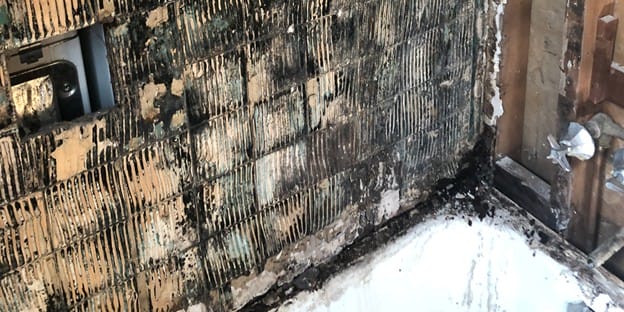
Mold spreads quickly behind walls because it’s hidden and undisturbed. Spores move through the air, attach to moist surfaces, and grow. Water travels through framing, insulation, and drywall, carrying mold spores along. Mold can spread from the bathroom to bedrooms, hallways, or even below the floor.
One insight: Leaks in upstairs bathrooms can cause mold in ceilings below. Always check floors and ceilings for stains and soft spots.
Credit: fivestarbathsolutions.com
Health Risks For Children And Pets
Children and pets are extra sensitive to mold. Kids breathe faster and closer to the ground, where mold spores settle. Symptoms can include:
- Skin irritation
- Breathing problems
- Poor appetite
- Lethargy
Pets may develop coughing, sneezing, or itchy skin. If you notice symptoms, check your home for leaks and mold.
Insurance And Shower Leak Mold
Home insurance may cover sudden leaks, but often excludes mold caused by slow leaks or neglect. Always check your policy. If you find a leak, report it quickly. Document everything with photos and receipts. Some companies require proof that you fixed the leak and removed mold professionally.
Tips For Keeping Your Bathroom Mold-free
Here are practical tips to avoid mold from shower leaks:
- Use a squeegee after showering to remove water from tiles.
- Keep the bathroom door open after showers to let air circulate.
- Clean grout and tiles weekly.
- Install a humidity monitor and keep levels below 60%.
- Fix leaks immediately, even small drips.
Many people skip weekly cleaning, but regular care stops mold before it starts.
Frequently Asked Questions
What Are The First Signs Of Shower Leak Mold?
The most common early signs are musty odors, stains on walls or ceilings, and soft or spongy drywall near the shower. If your bathroom smells earthy or you see paint bubbling, check for leaks and mold.
Can I Remove Mold Myself?
You can remove small patches of surface mold if you wear protective gear and fix the leak first. For large areas, toxic mold, or mold inside walls, hire a professional.
How Long Does It Take For Mold To Grow After A Leak?
Mold can start growing within 24–48 hours of moisture exposure. If you notice a leak, act quickly to prevent mold.
Is Black Mold Dangerous?
Black mold releases toxins that can cause severe health problems, especially for children, elderly people, and those with weak immune systems. It requires professional removal.
Will Home Insurance Cover Mold Removal?
Insurance may cover sudden leaks but usually excludes mold caused by slow leaks or neglect. Check your policy and report leaks immediately.
Protecting your home from shower leaks and mold is easier when you know the signs, understand the risks, and act quickly. Regular inspection, fast repairs, and proper cleaning can stop problems before they start. If you suspect hidden mold, don’t wait—your health and safety depend on it.