
Have you ever walked into your home and caught a sudden, sharp scent that reminds you of sitting in a dentist’s chair? It’s a very specific smell—clean, a bit chemical, maybe even slightly sweet or minty—and it can be both confusing and unsettling. Many homeowners wonder why their living space would smell like a dentist office. The answer isn’t just about air fresheners or cleaning products. There are multiple reasons your house may take on this unusual aroma, and understanding them can help you fix the root cause and breathe easy again.
This article will dive deep into the science of smells, common and uncommon causes behind a dentist office scent in your home, and practical ways to solve the problem. You’ll get clear, actionable advice, plus important insights that most people (even experienced homeowners) often overlook.
What Is The “dentist Office” Smell?
Before jumping to causes, it’s helpful to know exactly what people mean by the “dentist office” smell. Most people describe it as:
- Sterile or very clean
- Chemical-like
- Sometimes minty or sweet
- Slightly sharp or “clinical”
Dentist offices often use special products and machines that create these smells. The scent usually comes from a mix of disinfectants, sterilizing agents, and sometimes fluoride or mint-flavored polishes.
The main chemicals responsible are:
- Eugenol (from clove oil, used in dental work)
- Phenol or formaldehyde (strong disinfectants)
- Alcohols and peroxides (sterilizing agents)
- Glutaraldehyde (used to disinfect instruments)
- Menthol (in mint polishes and pastes)
If your house smells like this, something is likely releasing similar chemicals, or creating a reaction that mimics them.
Why Does My House Smell Like A Dentist Office? The Most Likely Causes
Let’s explore the main reasons why your home could develop this unique odor. Some causes are harmless or easy to fix. Others may point to bigger issues.
1. Use Of Strong Cleaning Products
Many modern cleaning products use bleach, ammonia, or alcohol-based agents. These substances kill germs and clean well, but they also create a “sterile” or chemical aroma. Some brands even add a minty or sweet scent to mask the harshness, which can amplify the dentist office vibe.
If you’ve recently deep-cleaned your kitchen, bathroom, or floors, that lingering scent might be coming from:
- Disinfectant sprays (Lysol, Clorox, etc.)
- Bleach-based cleaners
- Air sanitizers
- Toilet bowl cleaners
Non-obvious insight: Mixing different cleaning chemicals can create new odors that are far stronger (and sometimes more dangerous) than using one product alone. Always use products as directed, and never mix bleach with ammonia.
2. Air Purifiers, Ozone Generators, Or Ionizers
Many people buy air purifiers or ozone machines to keep their homes fresh. These devices use high-energy processes to clean the air, but they can also create a sharp, sterile smell. Ozone in particular has a scent that’s often described as “clean” but can be biting or sweet, similar to a dentist’s office.
Why this happens: Ozone reacts with particles in the air, breaking them down. The byproducts and the ozone itself can smell like chemicals or disinfectants.
Practical tip: If you have a device running in the background, switch it off for a day and ventilate the house. If the smell fades, the machine is the cause.
3. Plumbing Issues: Drains And Sewer Gases
Sometimes, a dentist office smell doesn’t come from cleaning at all, but from your plumbing. Dry or partially blocked drains can allow sewer gases (like hydrogen sulfide or methane) to enter your home. While these usually smell like rotten eggs, other gases in the mix can mimic the sharp, clinical scent of a dental clinic.
Common sources:
- Rarely used guest bathrooms
- Basement utility sinks
- Laundry room drains
Hidden detail: Bacteria in your pipes can produce phenolic or chlorinated compounds, both of which are used in dental disinfectants.
4. Mold Or Mildew Growth
Not all mold smells musty. Some types, especially white mold or penicillium, can create a “sweet” or “sterile” scent that’s easily confused with the dentist office smell.
Why does this happen? As mold grows, it produces volatile organic compounds (VOCs). Some of these VOCs are nearly identical to the chemicals used in dental offices.
Where to check:
- Under sinks
- Behind walls with water leaks
- Inside HVAC systems
Non-obvious insight: HVAC mold is often missed, since it releases odor only when the system is running.
5. Hvac System Issues
Your home’s heating, ventilation, and air conditioning (HVAC) system can sometimes be the hidden source of odd smells. If there’s moisture, mold, or chemical buildup inside the ducts, the air gets a sharp, chemical scent.
Common causes:
- Cleaning or disinfecting the air ducts with strong chemicals
- Mold in the evaporator coil or air handler
- A filter sprayed with deodorizer or disinfectant
6. Off-gassing From New Materials
Off-gassing is when new products release chemicals into the air as they age or dry. This is common with:
- New flooring (vinyl, laminate, carpet)
- Fresh paint or varnish
- Assembled furniture (especially particleboard)
- New plastic items
Many of these materials use formaldehyde or phenol-based resins, which can mimic that dentist office smell. The scent is often strongest in the first few weeks after installation, then fades.
7. Recent Dental Work At Home
Do you have someone at home who’s a dental student or works in the field? Sometimes, dental tools, impression materials, or even denture cleaning tablets brought home can create a lingering dentist office smell.
8. Scented Candles, Air Fresheners, Or Essential Oils
Ironically, some products meant to mask bad smells can accidentally create a dental aroma. Mint, eucalyptus, and clove oils are common in both dental products and home fragrances. If used in excess, or mixed with chemical cleaners, these can make your house smell “too clean.
”
Practical tip: Try switching to unscented or “natural” air fresheners, and see if the smell fades.
9. Pest Infestations
Certain pests, especially rodents or cockroaches, can create odd smells as they nest and die in hidden spaces. Their waste breaks down into ammonia and other chemicals, which can sometimes smell clinical or sharp.
Hidden detail: Sometimes, the products used to kill pests (like sprays or baits) have strong chemical scents that linger.
10. Electrical Issues And Overheating
Electrical components that are overheating can give off a “clean” chemical smell. This is especially true for:
- New appliances
- Overloaded outlets or circuit boards
- Failing capacitors
If the smell is strongest near outlets, behind TVs, or at your fuse box, get an electrician to check for safety.
11. Nearby Construction Or Renovation
If there’s construction next door or roadwork nearby, industrial solvents or adhesives can drift into your home. These often have a sharp, sterile odor that closely matches dental office chemicals.
Practical tip: Keep windows closed during heavy construction, and use air purifiers with HEPA filters.
12. Unusual Weather Or High Humidity
Weather can amplify certain smells. High humidity, for example, boosts the release of VOCs from paint, plastics, and mold. Cold weather can trap odors inside, making them more obvious.
Non-obvious insight: A strong dentist office smell during a humid spell may point to hidden mold or off-gassing.
13. Old Medicines Or First Aid Supplies
Do you store old first aid kits, mouthwash, or topical antiseptics? Many of these use alcohol, phenol, or eugenol, all of which are common in dental offices. Leaking bottles or old bandages can give off a dentist office scent.
How To Identify The Exact Source In Your Home
Knowing the general causes is useful, but the real challenge is finding out what’s causing the scent in your house. Here’s a practical approach:
1. Narrow Down The Smell’s Location
Walk slowly through your house, sniffing in different rooms. Is it stronger near the bathroom, kitchen, or vents?
2. Check Recent Changes
Did you install new carpet, paint, or buy new furniture? Did you start using new cleaning products?
3. Inspect Plumbing And Drains
Pour water down seldom-used drains to refill the trap and block sewer gases.
4. Turn Off Air Devices
Pause air purifiers or humidifiers for a day or two. If the smell fades, they’re the likely cause.
5. Look For Mold Or Damp Areas
Check under sinks, behind appliances, and around windows for wet spots or visible mold.
6. Review Recent Dental Items
If someone brought home dental products, seal them in a bag and see if the smell goes away.
7. Check Electrical Outlets
If the scent is strongest near outlets or electronics, call an electrician.
8. Ask Neighbors
Sometimes, outside work or shared walls (apartments) are the source. Compare notes with neighbors.
Non-obvious insight: Your nose can get used to a smell after a while. Invite a friend over to give a fresh opinion—they may notice things you don’t.
Common Mistakes When Trying To Fix A Dentist Office Smell
Many people try to cover up the scent instead of removing the cause. Here’s what to avoid:
- Masking with more fragrance: This often mixes scents, making things worse.
- Ignoring plumbing: Dry drains are a common but overlooked source.
- Skipping the attic or basement: Mold often hides in less-visited areas.
- Not checking air devices: Ozone generators, especially, are often forgotten.
- Using too much bleach or disinfectant: This can create new, harsher odors.
Safe Ways To Eliminate The Dentist Office Smell
Once you’ve found the likely source, use these safe and effective steps:
Ventilate Your Home
Open windows and doors, and run exhaust fans. Fresh air quickly dilutes most chemical scents.
Deep Clean Problem Areas
If you found mold or mildew, clean it with vinegar and water, not harsh chemicals. For drains, pour boiling water down, then a mix of baking soda and vinegar.
Change Air Filters
Replace HVAC filters and clean air purifiers. If you suspect the ducts, get them professionally cleaned.
Neutralize Odors Naturally
- Place bowls of baking soda or activated charcoal around the house.
- Simmer lemon peels or white vinegar on the stove to absorb and neutralize odors.
Remove Or Seal Off-gassing Materials
If new furniture or flooring is the cause, open windows, and let items “air out” for several days. For small objects, place them outside or in a garage until the smell fades.
Address Plumbing Issues
Pour water into all drains weekly to keep traps full. If the smell persists, call a plumber to check for leaks or blockages.
Fix Electrical Or Mechanical Problems
If you suspect electrical issues, do not try to fix them yourself. Get a licensed electrician to check for overheating or faulty parts.
Limit Chemical Cleaners
Switch to natural cleaning agents like vinegar, baking soda, or castile soap. Avoid mixing commercial cleaners.
When To Call A Professional
Some situations call for expert help:
- Persistent mold smell: Mold remediation specialists can find and remove hidden growth.
- Sewer gas odor: Plumbers can fix broken pipes or blocked vents.
- Electrical smells: Always get an electrician for burning or chemical smells near outlets.
- Strong off-gassing: If new products continue to smell after weeks, contact the manufacturer.
Comparing Key Causes Of Dentist Office Smell
To help you decide where to look first, here’s a comparison of common causes, their typical locations, and what they smell like:
| Source | Typical Smell | Where to Check | How to Fix |
|---|---|---|---|
| Cleaning Products | Sterile, chemical, sometimes minty | Bathrooms, kitchen, floors | Switch to milder cleaners, ventilate |
| Mold/Mildew | Sweet, musty, sometimes “clean” | Under sinks, walls, HVAC | Find and remove mold, fix leaks |
| Plumbing Issues | Sewer, sharp, chemical | Unused drains, bathrooms, basement | Pour water, fix pipes |
| Ozone/Ionizers | Clean, biting, sweet | Near air purifiers | Turn off device, ventilate |
| New Materials | Sharp, chemical, “new” | Flooring, furniture, paint | Air out, ventilate rooms |
The Science Behind The Smell: Why Does It Linger?
You may wonder why the dentist office smell seems to last longer than other odors. Here’s why:
- Volatile Organic Compounds (VOCs): These are small chemical particles that easily turn into gases at room temperature. Many dental and cleaning products are loaded with VOCs.
- Low Air Circulation: Modern homes are sealed tightly for energy efficiency, which means smells can get trapped.
- Porous Surfaces: Carpets, curtains, and furniture can absorb chemicals and release them slowly over time.
Non-obvious insight: Even after you clean or ventilate, some VOCs can stay trapped in fabrics or wallboard, releasing their scent for weeks or months.

Credit: scentair.com
How Dentists Control Their Office Smell (and What You Can Learn)
Dental offices are very intentional about their scent. They use:
- High-quality ventilation systems
- Regular deep cleaning with specific chemicals
- HEPA air filtration
- Careful scent masking (mint, clove, or vanilla)
You can apply similar strategies at home: focus on regular cleaning, good air flow, and avoid overusing chemicals.
Health Risks: Should You Worry?
Most dentist office smells at home are not dangerous if they’re from cleaning agents or air purifiers. But some sources can be harmful:
- Mold exposure: Can cause allergies, headaches, or breathing problems.
- Sewer gases: High levels can be toxic.
- Electrical burning: Can be a fire risk.
- Persistent VOCs: Some are linked to headaches and, in high doses, long-term health risks.
If you notice symptoms like dizziness, nausea, or headaches, leave the area and seek medical advice.
Quick Reference: What To Do Based On Smell Location
Here’s a handy comparison for when the smell is strongest in a specific part of your home:
| Location | Likely Cause | Action |
|---|---|---|
| Bathroom | Cleaning products, sewer gas, mold | Ventilate, check drains, clean mold |
| Kitchen | Cleaning agents, new flooring, pest spray | Switch cleaners, air out, check for leaks |
| Basement | Mold, unused drains, off-gassing | Inspect for mold, pour water in drains |
| Near vents | HVAC, air purifier, ozone | Change filter, clean ducts, pause device |
| Whole house | New paint/furniture, construction, weather | Ventilate, use air filters, wait it out |
How To Prevent The Dentist Office Smell From Returning
Once you’ve solved the problem, prevention is key:
- Use natural cleaning products when possible
- Air out new products before bringing them inside
- Keep drains wet by running water weekly
- Clean and replace HVAC filters regularly
- Avoid overusing air fresheners and scented candles
- Inspect hidden areas for leaks or mold twice a year
- Store dental and first aid items in sealed containers
Pro tip: Consider investing in a smart air quality monitor. These devices can alert you to high VOC or ozone levels before you even notice the smell.
When The Smell Isn’t Your House: External Causes
Sometimes, the scent has nothing to do with your house at all. External factors include:
- Nearby dental or medical offices venting air
- Industrial plants or laboratories in the neighborhood
- Shared ventilation in apartments or condos
If you live in a multi-unit building, talk to your building manager. If you suspect outside sources, ask neighbors if they notice the same thing.
The Emotional Side: Why This Smell Feels So Unsettling
There’s a psychological side to this odor. The dentist office smell often triggers memories of anxiety or discomfort, since many people associate dental visits with stress. Even if the chemicals are not harmful, the scent alone can make a home feel less cozy.
Non-obvious insight: Addressing the cause quickly can help you feel more at ease in your space—not just physically, but emotionally.
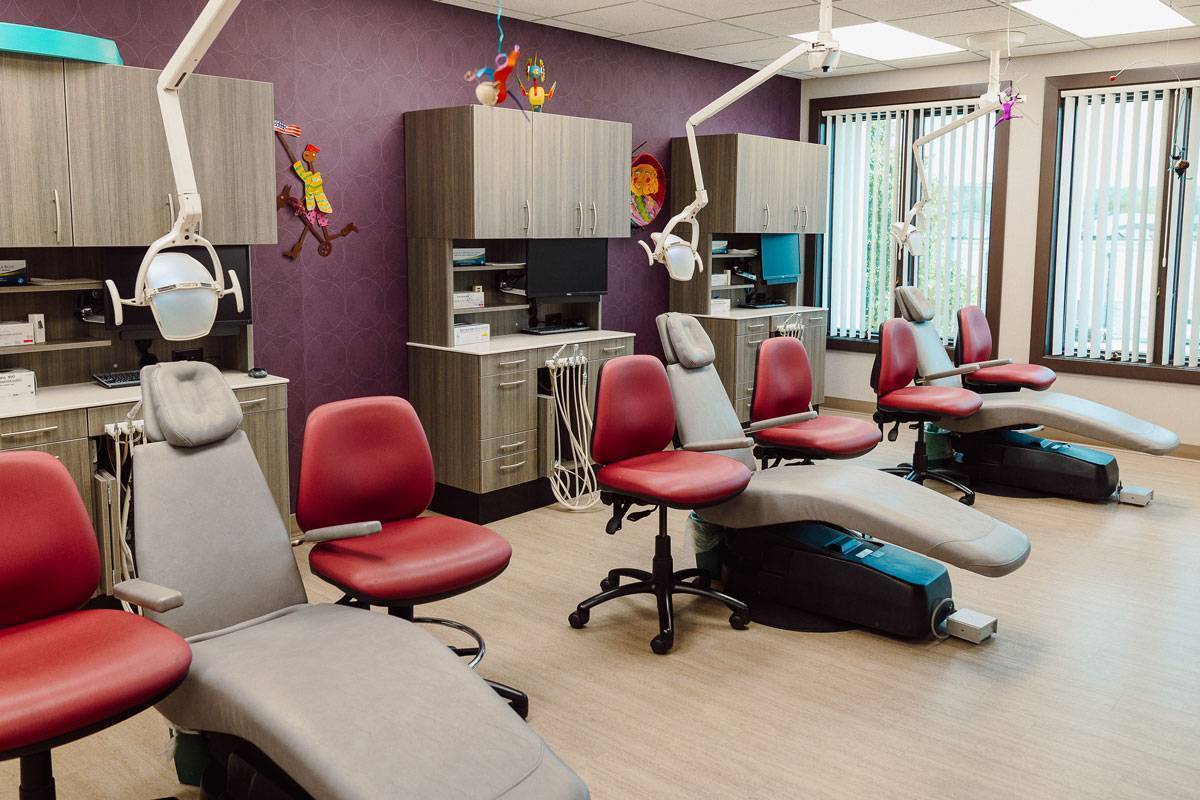
Credit: dentistryforkids.info
Reliable Resources For Further Reading
If you want to learn more about indoor air quality, check the information provided by the U.S. Environmental Protection Agency.
Frequently Asked Questions
Why Does The Dentist Office Smell Feel “clean” But Also Chemical?
Dentist offices use special disinfectants and sterilizing agents that kill germs but also have a sharp, chemical scent. Many people associate this smell with cleanliness because it signals that the space is sanitized, but the chemical notes can feel harsh or artificial.
Is The Dentist Office Smell At Home Dangerous?
In most cases, the smell is not dangerous if it comes from common cleaning products or air purifiers. However, if the source is mold, sewer gas, or overheating electronics, it could pose health or safety risks. Always investigate strong, persistent chemical odors.
How Long Will The Dentist Office Smell Last In My Home?
The duration depends on the cause. Off-gassing from new materials can last a few days to several weeks. Cleaning chemicals usually fade within hours if you ventilate well. If the smell is from mold or a leak, it will persist until the source is fixed.
Can Scented Candles Or Air Fresheners Really Make My House Smell Like A Dentist Office?
Yes. Many candles and air fresheners use mint, eucalyptus, or other essential oils found in dental products. When combined with chemical cleaners, these can easily mimic the “clinical” scent of a dentist office.
What Should I Do First If I Notice This Smell?
Start by ventilating your home. Then, walk room to room to find where the smell is strongest. Check recent changes, cleaning products, drains, and air devices. Once you have a likely cause, follow safe cleaning and removal steps. If the smell remains, consider calling a professional.
A dentist office smell in your house can be puzzling, but with a careful approach, you can identify and remove the source. Take action early, and your home will soon smell fresh and welcoming again.

Credit: greatlakestinyhome.com