
Many people choose PVC ball valves for water, irrigation, and industrial systems because they are affordable, lightweight, and resist corrosion. But if you’ve ever tried to turn a PVC ball valve and found it stiff, stuck, or almost impossible to move, you know how frustrating this can be. A ball valve should work smoothly with just a little force. When it doesn’t, there is often an underlying problem that needs attention.
This article explores why a PVC ball valve is hard to turn, how to diagnose the cause, and what you can do to fix it. You’ll learn practical solutions, maintenance tips, and how to avoid common mistakes. Whether you’re a homeowner, plumber, or facility manager, you’ll find actionable advice to keep your system running smoothly.
Understanding How Pvc Ball Valves Work
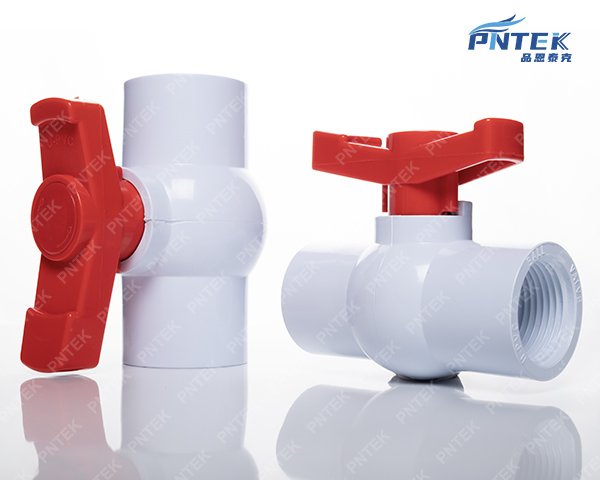
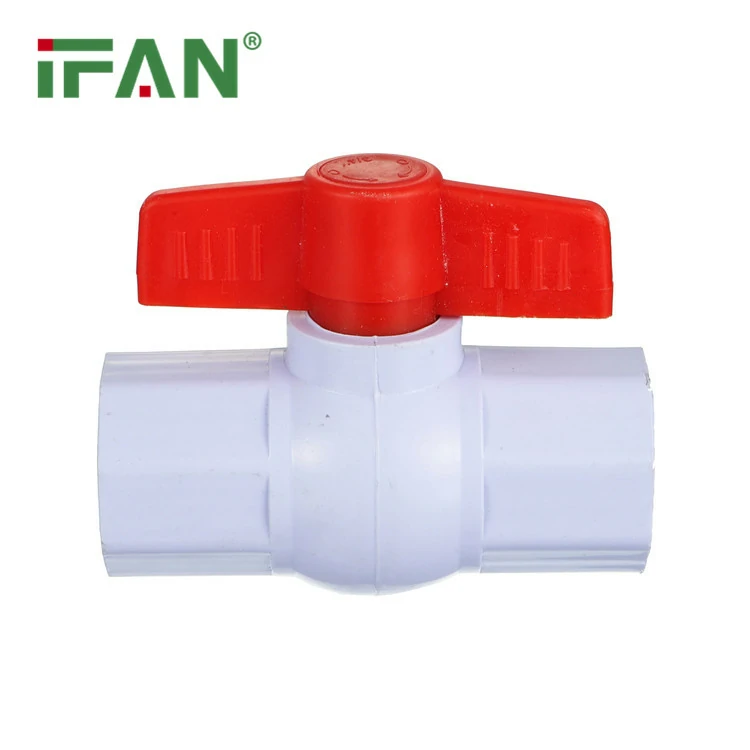
A PVC ball valve uses a round, hollow ball inside to control flow. Turning the handle rotates the ball, opening or closing the passage. The valve body and ball are made of polyvinyl chloride (PVC), a strong plastic that resists chemicals and rust.
Ball valves are popular because:
- They provide a tight seal when closed.
- They’re easy to operate (quarter-turn).
- They last a long time with minimal care.
But when something goes wrong, the handle can become very difficult to move, making simple tasks complicated and leading to leaks or system failures.
Common Causes: Why Is Your Pvc Ball Valve Hard To Turn?
A ball valve that is hard to turn doesn’t have just one cause. Here are the most frequent reasons:
1. Debris Or Sediment Inside The Valve
Water and other fluids often carry sand, dirt, or small particles. These can build up inside the valve, especially if the system has not been flushed or cleaned for a long time. When debris collects around the ball, it creates friction, making the handle stiff.
2. Chemical Damage
Some chemicals used in pools, factories, or water treatment plants can slowly degrade PVC. The result? The ball or seals inside the valve can swell, warp, or become rough. This increases resistance and makes turning hard.
3. Lack Of Lubrication
Ball valves need a smooth, slippery surface to work well. PVC valves often use rubber or plastic seals that can dry out, especially in hot or dry environments. Without proper lubrication, the surfaces stick together, causing the valve to seize.
4. Age And Wear
Over time, repeated use wears down the internal parts. Seals harden, the ball’s surface becomes scratched, and the handle mechanism can corrode. Older valves are much more likely to become stiff.
5. Improper Installation
If the valve was installed with too much force, or if the pipes are misaligned, it can squeeze or twist the valve body. This pressure can make the ball difficult to rotate.
6. Over-tightening
Many people think “tighter is better” and close the valve with too much force. This can compress the seals and deform the ball, making it harder to turn in the future.
7. Temperature Extremes
Very hot or cold temperatures can change the size and shape of PVC parts. Extreme cold can shrink parts, while heat can make them swell. Both issues make turning the valve harder.
8. Manufacturing Defects
Rarely, a new valve may have rough spots, uneven balls, or poor-quality seals straight from the factory. This can cause problems from day one.
Diagnosing The Problem: Step-by-step
Before you can fix a stiff valve, you need to understand what’s wrong. Here’s how to diagnose the issue:
- Visual Inspection: Look for cracks, leaks, or discoloration. These can signal chemical damage or age.
- Test the Handle: Try turning the handle with moderate force. Is it stuck at one point or all the way?
- Listen and Feel: A gritty or scratchy sound means debris inside. A rubbery resistance often means dried or damaged seals.
- Check Surroundings: Is the valve exposed to sun, chemicals, or freezing weather?
- Examine Piping: Misaligned or overly tight connections can warp the valve body.
- History: Was the valve recently installed or is it old? Has it been hard to turn since the beginning?
- System Pressure: High fluid pressure can press the ball against the seals, making movement harder.
Quick Comparison: Causes Vs. Symptoms
Understanding the differences between causes and symptoms can help you pinpoint the problem faster.
| Cause | Typical Symptom |
|---|---|
| Debris/Sediment | Gritty, scratchy movement; sudden stiffness |
| Chemical Damage | Swollen, rough, or sticky feel; discoloration |
| Lack of Lubrication | Sticky, rubbery resistance, especially after long periods of no use |
| Age/Wear | Stiffness increases over time; leaks may start |
| Improper Installation | Hard to turn from start; visible pipe misalignment |
| Over-Tightening | Handle hard to move after fully closing |
| Temperature Extremes | Stiffness during hot or cold weather |
| Manufacturing Defect | Always stiff; never smooth from first use |
How To Fix A Pvc Ball Valve That Is Hard To Turn
Once you know why the valve is hard to turn, you can choose the right solution. Here are practical steps for each major cause.
Fixing Debris Or Sediment
- Shut Off the System: Turn off water or fluid supply.
- Relieve Pressure: Open a nearby tap to release any trapped pressure.
- Remove the Valve (if possible): Take the valve out of the system for cleaning.
- Flush with Clean Water: Run water through the valve to remove loose particles.
- Use a Soft Brush: Gently clean inside with a brush or cloth. Never use metal tools, which can scratch the PVC.
- Reinstall and Test: Put the valve back and check for smooth operation.
Dealing With Chemical Damage
If the valve is swollen, discolored, or rough, it may be time to replace it. PVC cannot recover from serious chemical damage. Always check that your valve is rated for the chemicals in your system.
- Replace with a chemical-resistant valve if needed.
- Check chemical compatibility charts before buying a new valve.
Restoring Lubrication
You can sometimes fix a sticky valve by adding a food-grade silicone lubricant:
- Turn off the system and relieve pressure.
- Remove the handle and carefully open the valve body if possible.
- Apply a small amount of lubricant to the ball and seals.
- Reassemble and test movement.
Never use petroleum-based lubricants, as they can damage PVC and seals.
Addressing Age And Wear
If the valve is very old, worn, or leaking, replacement is usually best. Modern PVC ball valves are inexpensive and reliable. If you must keep the old valve, lubricate and clean as described above, but watch for leaks.
Correcting Installation Errors
If pipes are misaligned or over-tightened:
- Loosen pipe fittings and realign everything.
- Use proper supports to reduce stress on the valve.
- Never use excessive force when tightening.
Handling Over-tightening
If you’ve been closing the valve too hard, stop. Only a gentle, firm turn is needed. If the valve is now permanently stiff, try lubricating it, but be prepared to replace it if there’s lasting damage.
Managing Temperature Problems
If the valve gets stiff in extreme weather:
- Insulate pipes and valves to avoid rapid temperature changes.
- For outdoor use, select valves designed for your climate.
Replacing A Defective Valve
If you suspect a manufacturing problem, replace the valve. Keep the receipt and warranty, and consider buying from a reputable supplier next time.
Preventive Maintenance: Keeping Your Pvc Ball Valve Moving Smoothly
Many ball valve problems can be avoided with simple care:
- Operate regularly: Open and close valves at least once a month.
- Flush system: Remove dirt and sediment from pipes before and after installation.
- Lubricate annually: Add a small amount of silicone lubricant to keep seals soft.
- Protect from sun and chemicals: Use covers or shields in harsh environments.
- Check for leaks: Inspect valves and pipes for moisture or drips.
A little attention now can prevent big problems later.
Credit: www.pntekplast.com
When To Repair And When To Replace
Sometimes, cleaning or lubricating will solve the problem. But in other cases, replacement is smarter and safer. Here’s a quick guide:
| Condition | Repair | Replace |
|---|---|---|
| Minor debris or lack of lubrication | ✔️ | |
| Serious chemical or age damage | ✔️ | |
| Small leaks, worn seals | ✔️ (sometimes) | ✔️ (if severe) |
| Cracked or swollen valve body | ✔️ | |
| Always stiff (from new) | ✔️ | |
| After over-tightening damage | ✔️ (try first) | ✔️ (if no improvement) |
Choosing The Right Replacement Pvc Ball Valve
If you need a new valve, don’t just buy the cheapest one. Consider these factors:
Material Quality
Not all PVC valves are the same. Look for valves made from Schedule 40 or 80 PVC, which are stronger and last longer. Check for certified brands with good reviews.
Size And Compatibility
Measure your pipe diameter and check thread type (slip, threaded, or union). A mismatched valve can cause leaks or installation headaches.
Chemical Resistance
If your system handles anything besides plain water (like pool chemicals, fertilizers, or industrial fluids), check the valve’s compatibility. Some PVC grades and seals handle chemicals better than others.
Pressure And Temperature Ratings
Check the maximum pressure and temperature on the packaging or datasheet. Don’t exceed these limits, or your valve may fail early.
Handle Design
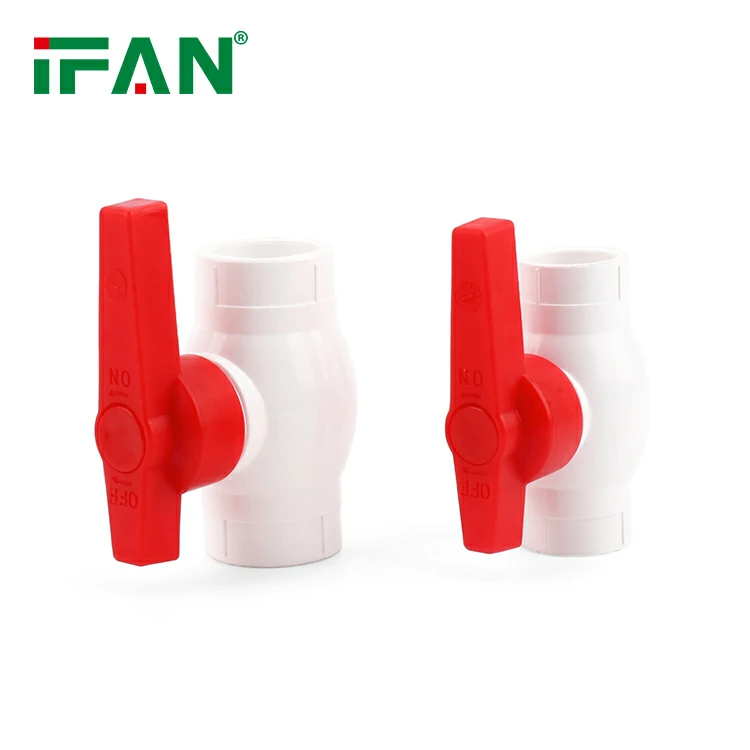
Some valves have ergonomic or locking handles for safety and comfort. These can make operation much easier, especially for older users or in industrial settings.
Brand And Warranty
A good warranty is a sign of quality. Trusted brands often provide better customer support and documentation.
Real-world Examples: Learning From Common Scenarios
Let’s look at three common situations where people struggle with a PVC ball valve that is hard to turn.
Example 1: The Garden Irrigation System
A homeowner notices that the main garden valve is increasingly stiff. After opening the valve, they find a buildup of dirt and small stones inside. Cleaning and lubricating the valve restores smooth movement. Regular monthly operation and flushing prevent future problems.
Example 2: The Pool Supply Line
A pool owner uses chlorine tablets, which over time weaken the PVC and seals. The valve becomes sticky and eventually cracks. Replacing with a chemical-resistant PVC or CPVC valve solves the problem. The owner now checks chemical compatibility before buying parts.
Example 3: The Factory Water Line
In a factory, valves are exposed to high temperatures and occasional freezing. Several valves become hard to turn during winter. Adding pipe insulation reduces temperature swings, and annual lubrication keeps valves moving freely.
Insight: In all these cases, regular inspection and matching the right valve to the system’s needs made a big difference.
Advanced Tips: What Most People Miss
- Never force a stuck valve: Using tools for extra leverage can crack the PVC, leading to leaks or sudden failure.
- Consider unions: Valves with union ends can be removed and cleaned without cutting pipes. This is useful in systems where cleaning may be needed.
- Label important valves: Marking the direction (on/off) and function helps prevent over-tightening or accidental misuse by others.
Credit: www.ifanfittings.com
Common Mistakes When Dealing With Hard-to-turn Pvc Ball Valves
Mistakes can turn a small problem into a costly repair. Here are some to avoid:
- Using petroleum grease: This damages seals and plastic.
- Ignoring the problem: Forcing a stiff valve can cause breakage.
- Mismatched replacement: Using the wrong size or type leads to leaks.
- Skipping pipe support: Unsupported pipes stress valves and cause misalignment.
- Over-tightening during installation: Hand-tight is usually enough for PVC.
How Professionals Deal With Stiff Pvc Ball Valves
Experienced plumbers and technicians follow these steps:
- Assess the system pressure before working on valves.
- Use only approved lubricants safe for PVC and potable water.
- Replace, not repair, valves showing signs of chemical or mechanical damage.
- Keep spare parts and tools handy for quick replacement.
- Document maintenance and replacements for future reference.
Credit: www.ifanfittings.com
Environmental And Safety Considerations
PVC is durable and safe when used correctly. However, improper handling can release tiny plastic particles into water or the environment. When replacing valves:
- Dispose of old valves according to local recycling rules.
- Avoid burning PVC, which releases toxic gases.
- Choose valves certified for drinking water if used in potable systems.
For more on the environmental impact of PVC, see this guide from Wikipedia.
Frequently Asked Questions
Why Is My New Pvc Ball Valve Hard To Turn?
Sometimes, manufacturing defects or debris from installation can make new valves stiff. Try flushing the system and operating the valve a few times. If it remains hard to turn, consider returning it for a replacement.
Can I Use Wd-40 Or Oil To Lubricate My Pvc Ball Valve?
No. Petroleum-based lubricants can damage plastic and seals. Always use a food-grade silicone lubricant approved for PVC.
How Often Should I Lubricate Or Maintain My Pvc Ball Valves?
Operate the valve monthly and lubricate once a year, or more often if used in harsh conditions. Regular maintenance prevents most problems.
Is It Safe To Use A Wrench Or Pliers To Turn A Stuck Pvc Ball Valve?
No. Tools can crack or deform the PVC. If the valve is stuck, relieve pressure, try cleaning and lubricating, and replace if needed.
What’s The Best Way To Avoid Hard-to-turn Pvc Ball Valves In The Future?
Buy quality valves, match them to your fluid and temperature needs, install correctly, and follow a simple maintenance schedule. Preventing problems is much easier than fixing them.
A PVC ball valve that is hard to turn is a sign that something needs your attention. With the right approach, you can fix or prevent most issues, keeping your system reliable for years. Remember, gentle handling, regular care, and choosing the right products make all the difference.