
Storing chemicals safely is more than just following rules—it’s about protecting your health, your property, and the environment. Muriatic acid is a common but highly dangerous chemical. Many people use it to clean, remove stains, or balance pool water. But storing it wrong can cause serious accidents, toxic fumes, or even fires. If you keep muriatic acid at home or in your business, you need to know the right way to store it. This article explains everything in clear, step-by-step detail—so you can stay safe, avoid costly mistakes, and make sure your muriatic acid is ready to use when you need it.
What Is Muriatic Acid?
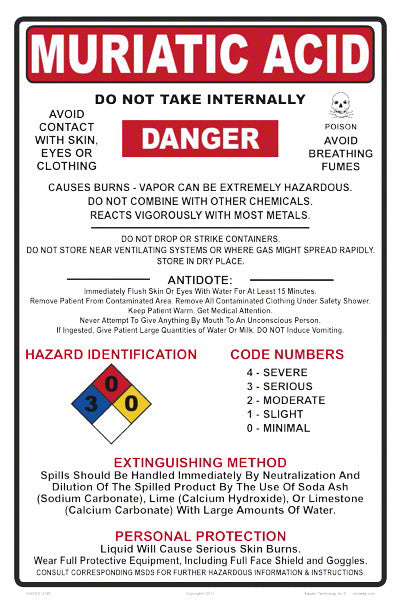
Muriatic acid is another name for hydrochloric acid. It is a strong, corrosive liquid that can dissolve many things, including rust, mineral deposits, and even some metals. The concentration in hardware stores is usually between 28% and 35%. It is colorless to pale yellow, with a sharp, choking smell.
Muriatic acid is used for:
- Cleaning concrete and masonry
- Removing stains from toilets and pools
- Adjusting the pH of swimming pools
- Treating metals
Because it is so strong, it can easily burn skin, eyes, and airways. It can also damage many materials if spilled or stored incorrectly.
Why Proper Storage Is Essential
Storing muriatic acid is not just about keeping it out of reach. This chemical can react with air, water, and many common materials. Improper storage can lead to:
- Corrosive fumes that damage metal and lungs
- Dangerous reactions with other chemicals
- Leaks that ruin property and equipment
- Risk of burns if someone touches it by mistake
A small mistake—like putting the bottle in the wrong place or using the wrong container—can cause serious harm. Some accidents may not show up right away but can cause expensive damage over time. For example, storing muriatic acid near metal tools can lead to rust, even if the cap is tightly closed.
Choosing The Right Container
The original container for muriatic acid is designed to handle its strength. Never pour it into a random bottle or jar. Here’s what you need to know:
Suitable Materials
Store muriatic acid only in containers made from:
- High-density polyethylene (HDPE)
- Glass (but only if you have no other choice)
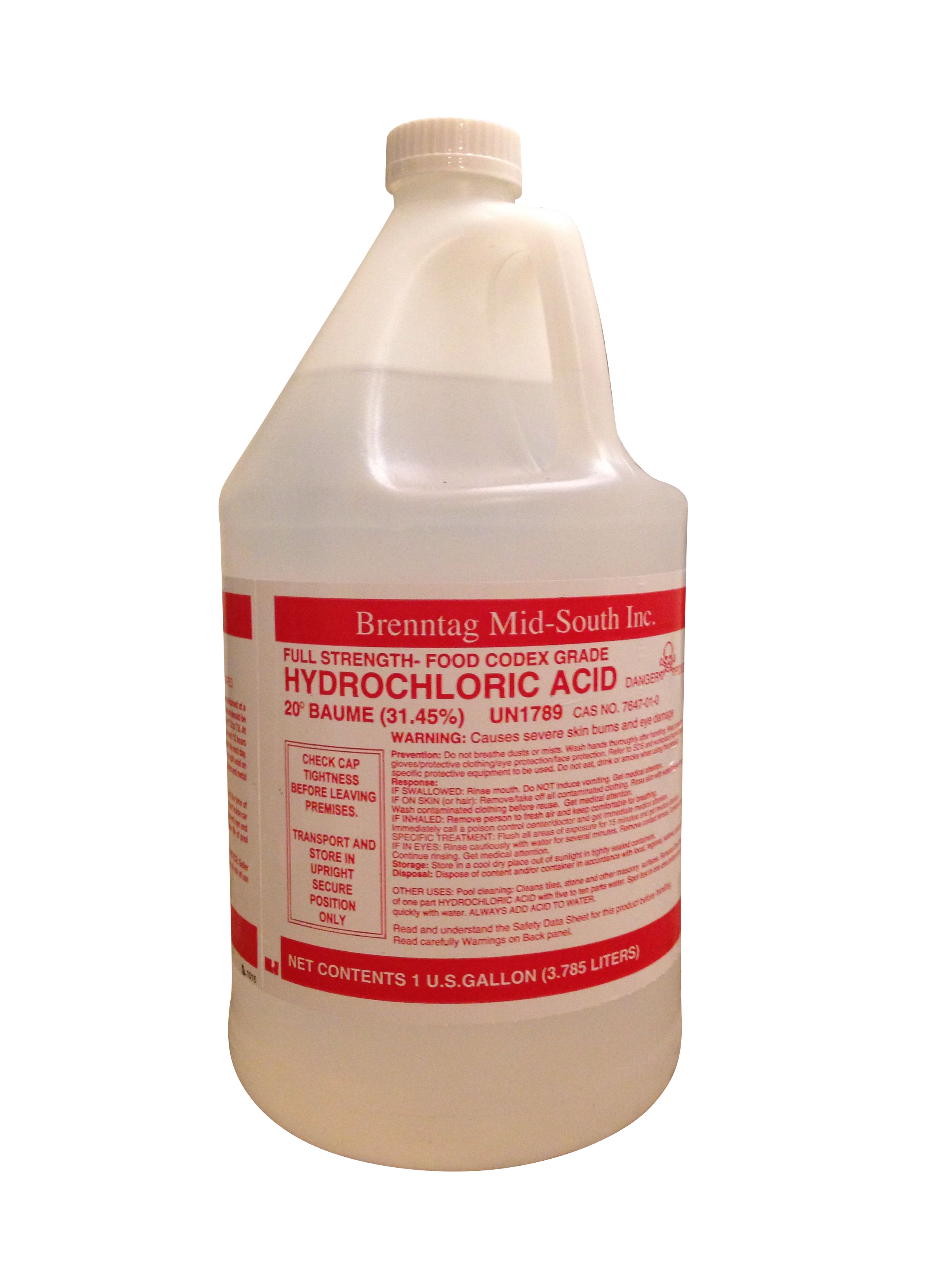
- Original, labeled plastic bottles from the supplier
Never use:
- Metal containers (it will corrode and leak)
- Thin plastic (some plastics will melt or weaken)
- Ceramic or stoneware (acid can attack glazes)
Container Size And Condition
Choose a container that:
- Is not cracked or brittle
- Is small enough to handle easily, but big enough for the amount you have
- Has a tight-fitting, acid-resistant cap
- Has a clear, readable label
Never transfer muriatic acid to a food or drink container, even if it’s well-washed. This is a common mistake that can lead to deadly accidents.
Ideal Storage Location
Where you keep muriatic acid is just as important as the container. The right location should:
- Be cool and dry
- Have good ventilation
- Be away from direct sunlight
- Be out of reach of children and pets
- Not near metal objects or electronics
A locked shed or a special chemical storage cabinet is best. Do not keep muriatic acid in living areas, under the kitchen sink, or in the bathroom.
Comparing Common Storage Locations
Here’s a quick comparison to help you decide:
| Location | Safety | Ventilation | Security | Notes |
|---|---|---|---|---|
| Garage (unlocked) | Medium | Varies | Low | Risk of child/pet access |
| Locked shed | High | Good | High | Best choice for homes |
| Basement | Low | Poor | Medium | Fumes can build up |
| Outdoor cabinet | High | Excellent | High | Must protect from rain/freeze |
Temperature And Environmental Controls
Temperature changes can affect muriatic acid. High heat increases pressure inside the bottle, which can lead to leaks or bursts. Cold weather can make plastic containers brittle.
- Ideal storage temperature: 15–25°C (59–77°F)
- Avoid freezing: If muriatic acid freezes and thaws, the container may crack.
- Avoid high heat: Do not store near water heaters, boilers, or windows.
Humidity is also important. In damp areas, the acid can pull water vapor from the air, increasing fume production. Always choose a dry place.
Safe Distance From Other Chemicals
Never keep muriatic acid near other household chemicals. It is especially dangerous near:
- Bleach (sodium hypochlorite): Mixing or even fume contact can create deadly chlorine gas.
- Ammonia: Can also produce toxic fumes.
- Organic solvents: May react violently.
- Flammable liquids: Acid can cause fires if there is a spill.
Keep at least one meter (about three feet) between muriatic acid and any other chemicals.
Labeling And Signage
Proper labeling is a legal requirement in many countries, but it is also just smart safety. Every container should clearly say:
- Muriatic Acid (Hydrochloric Acid)
- Danger: Corrosive
- Date of purchase
If you store muriatic acid in a shed or cabinet, add a sign on the door: “Chemical Storage: Hazardous Acids.” This helps firefighters or emergency workers know what is inside.
Handling And Transferring Muriatic Acid
Even if you store it perfectly, mistakes happen most often when people move or use muriatic acid. Here’s how to do it right:
- Wear proper PPE: Always use acid-resistant gloves, goggles, and a long-sleeve shirt or apron.
- Handle in a well-ventilated area: Outdoors is best. If you must work inside, open windows and use a fan.
- Never pour water into acid: Always add acid to water, never the other way around. Pouring water into acid can cause it to boil and splash.
- Use a funnel: This prevents spills and splashes.
- Work slowly: Rushing increases the chance of accidents.
- Keep a neutralizer close: Baking soda (sodium bicarbonate) can neutralize small spills.
Example Of A Safe Transfer
Suppose you need to dilute muriatic acid for cleaning bricks. Fill a large, clean plastic bucket with water first. Then, slowly pour the acid into the water, wearing gloves and goggles, and stir gently with a plastic stick.
How To Store Muriatic Acid At Home
If you use muriatic acid for pool cleaning or home maintenance, follow these home-specific tips:
- Store in the original, labeled container.
- Place it in a locked plastic bin or a high shelf in a shed.
- Keep away from fertilizer, paint, or other cleaners.
- Check the bottle every month for leaks or swelling.
- If you have children, consider a childproof lock on the storage area.
How To Store Muriatic Acid In A Business Or Industrial Setting
Businesses must follow stricter rules, including OSHA or local chemical regulations. Best practices include:
- Using a dedicated acid storage cabinet (often metal with a special lining).
- Keeping a material safety data sheet (MSDS) nearby.
- Training staff in emergency procedures.
- Storing large drums on secondary containment trays to catch leaks.
- Using ventilated chemical rooms for bulk storage.
Example: Pool Supply Store
A pool supply store may have dozens of gallons of muriatic acid. They typically keep bottles in a specially marked area, use spill pallets, and require staff to wear gloves when moving stock.
What To Do If There’s A Spill Or Leak
Even with perfect storage, accidents can happen. If you notice a spill:
- Ventilate the area: Open windows and doors.
- Keep people away: Evacuate children and pets.
- Wear protective gear: Put on gloves, goggles, and a mask.
- Neutralize: Sprinkle baking soda over the spill. Wait for fizzing to stop.
- Clean up: Use a plastic scoop and lots of water to wash the area.
- Dispose safely: Put used paper towels or rags in a sealed plastic bag and take them to a hazardous waste center.
Never try to mop up a spill with bare hands, and never pour the acid down a drain without diluting and neutralizing.
How Long Does Muriatic Acid Last?
Muriatic acid does not “expire” like food, but it can absorb moisture and lose strength over time if the cap is loose. A tightly sealed container in a cool, dry place can last for years. If the bottle looks swollen, rusty, or cracked, it’s time to dispose of it safely.

Credit: www.reddit.com
Common Mistakes To Avoid
Many accidents happen because people make simple, avoidable errors. Here are the most common mistakes:
- Storing in metal or thin plastic: This causes leaks and corrosion.
- Mixing with other chemicals: This can produce deadly gases.
- Keeping in an unlabeled or food container: This leads to poisoning.
- Leaving in direct sunlight or heat: This increases pressure and leakage risk.
- Storing near children or pets: This increases accident risk.
- Ignoring leaks or fumes: Small problems quickly become big ones.
Emergency Preparedness
No matter how careful you are, always be ready for an emergency:
- Keep a spill kit (baking soda, gloves, goggles, plastic scoop) near your storage area.
- Know the poison control number for your country.
- Post emergency instructions on the door of the storage area.
- Make sure all family members or staff know where the acid is stored and how to handle accidents.
Legal Regulations And Disposal
Storing and disposing of muriatic acid is regulated in most countries. Do not pour unused acid down the drain or throw it in the trash. Contact your local hazardous waste center for disposal instructions. Some communities have special collection days for chemicals.
Check local laws about maximum storage amounts and required safety measures. For example, in the US, OSHA requires safety data sheets and proper labeling in workplaces. Europe and many Asian countries have similar rules.
For more details, the OSHA Hazard Communication Standard provides official guidelines.
Real-world Examples And Data
To understand the risks, consider these examples:
- In 2016, a family in California stored muriatic acid in a soda bottle. A child drank it, resulting in severe burns. This tragedy shows why labeling and safe containers matter.
- A school in Texas had a chemical storage room without ventilation. Over time, muriatic acid fumes rusted the door hinges and damaged science equipment.
- According to the National Poison Data System, hydrochloric acid was involved in over 6,000 exposures in 2021. Most cases were from accidental contact or inhalation due to improper storage.
Comparing Muriatic Acid To Other Common Household Chemicals
It helps to know how muriatic acid compares in terms of storage risk:
| Chemical | Storage Risk | Best Container | Special Precautions |
|---|---|---|---|
| Muriatic Acid | Very High | HDPE, labeled plastic | Keep away from all metals, bleach |
| Bleach | Medium | Plastic | Never mix with acid |
| Ammonia | Medium | Plastic | Keep away from acids |
| Paint Thinner | High (Fire) | Metal, glass | Keep away from flames |
Practical Tips For Everyday Users
- Always buy the smallest amount you need. This reduces storage time and risk.
- Check your local pool store—they often have safe disposal options.
- Keep a written log of your chemical inventory and check it monthly.
- If you ever feel a strong smell near your storage area, investigate immediately.
- Replace old or damaged containers as soon as possible.
- Teach everyone in your home or business the basics of acid safety.
Credit: www.poolweb.com
Non-obvious Insights Most Beginners Miss
- Fumes escape even from closed bottles. Over time, muriatic acid can release invisible vapors that corrode metal shelves, tools, or even the hinges of storage cabinets. Always check for rust or white powder near the storage spot—it’s a sign fumes are leaking.
- Plastic containers can weaken over years. Even if the bottle looks fine, old plastic may become brittle, especially if exposed to sunlight or changing temperatures. Consider replacing bottles every few years, even if they are not empty.
- Secondary containment is essential for large amounts. If you store more than a liter, use a plastic tray or tub under the bottle. This catches leaks and makes cleaning up safer.
- Emergency information must be visible. If you have guests, babysitters, or new staff, they need to know that muriatic acid is present and how to react if there’s a spill.
Frequently Asked Questions
What Should I Do If I Get Muriatic Acid On My Skin?
Immediately rinse the area with plenty of running water for at least 15 minutes. Remove any contaminated clothing. Do not use creams or oils. Seek medical help if there is redness, pain, or blistering.
Can I Store Muriatic Acid Outside?
Yes, but only in a weatherproof, locked cabinet that protects it from rain, sunlight, and freezing temperatures. Make sure the cabinet is made of acid-resistant material.
How Do I Dispose Of Unused Muriatic Acid?
Never pour it down the drain or into soil. Take it to your local hazardous waste collection center. Some pool stores accept old chemicals for safe disposal.
Is Muriatic Acid Safe To Store Near Pool Equipment?
No. The fumes can corrode metal pumps, heaters, and electronic controls—even if the bottle is closed. Store it in a separate, ventilated area at least several meters away.
What Should I Do If I Smell Strong Fumes Near My Storage Area?
Ventilate the area immediately. Check containers for leaks or swelling. If you find a spill, wear protective gear and neutralize with baking soda before cleaning up. If you feel dizzy or have trouble breathing, leave the area and seek help.
Storing muriatic acid safely is a serious responsibility, but with the right steps, it is simple and manageable. Always use the correct container, choose a safe location, keep it away from other chemicals, and check your storage area regularly. By following these tips, you protect your family, your property, and the environment. When in doubt, ask your local hazardous waste center or visit trusted resources for more information. Stay safe and handle chemicals with respect—they are powerful tools, but only when used and stored the right way.
Credit: www.thepoolsupplywarehouse.com