
A permeate pump is a small device with a big job. It quietly boosts the performance of your reverse osmosis (RO) water filter system. With a good pump, you get more pure water, less waste, and faster filling. But what happens when your permeate pump goes bad? Many people miss the signs. Water flow slows down, waste increases, and sometimes, the filter just doesn’t work right. If you don’t spot the issue early, you could spend money on new filters, waste water, or even damage your system. Knowing how to tell if a permeate pump is bad can save time, money, and frustration.
This guide will walk you through everything you need to know. You’ll learn what a permeate pump does, why it’s important, and clear signs that yours might be failing. We’ll cover step-by-step checks, troubleshooting, and what to do if you need a replacement.
Along the way, you’ll pick up insights most beginners never consider. By the end, you’ll feel confident in diagnosing pump problems and keeping your RO system running smoothly.
What Is A Permeate Pump And Why Does It Matter?
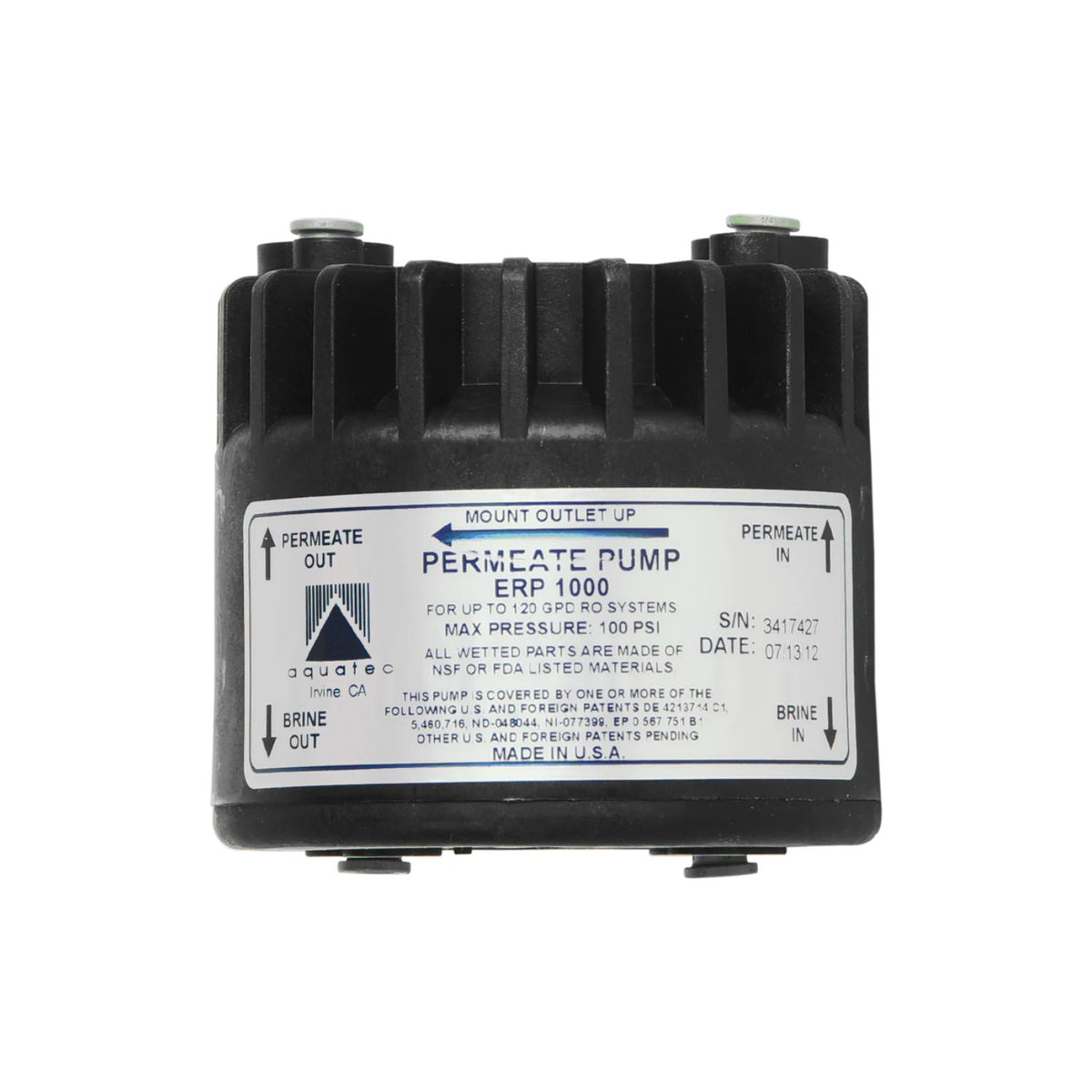
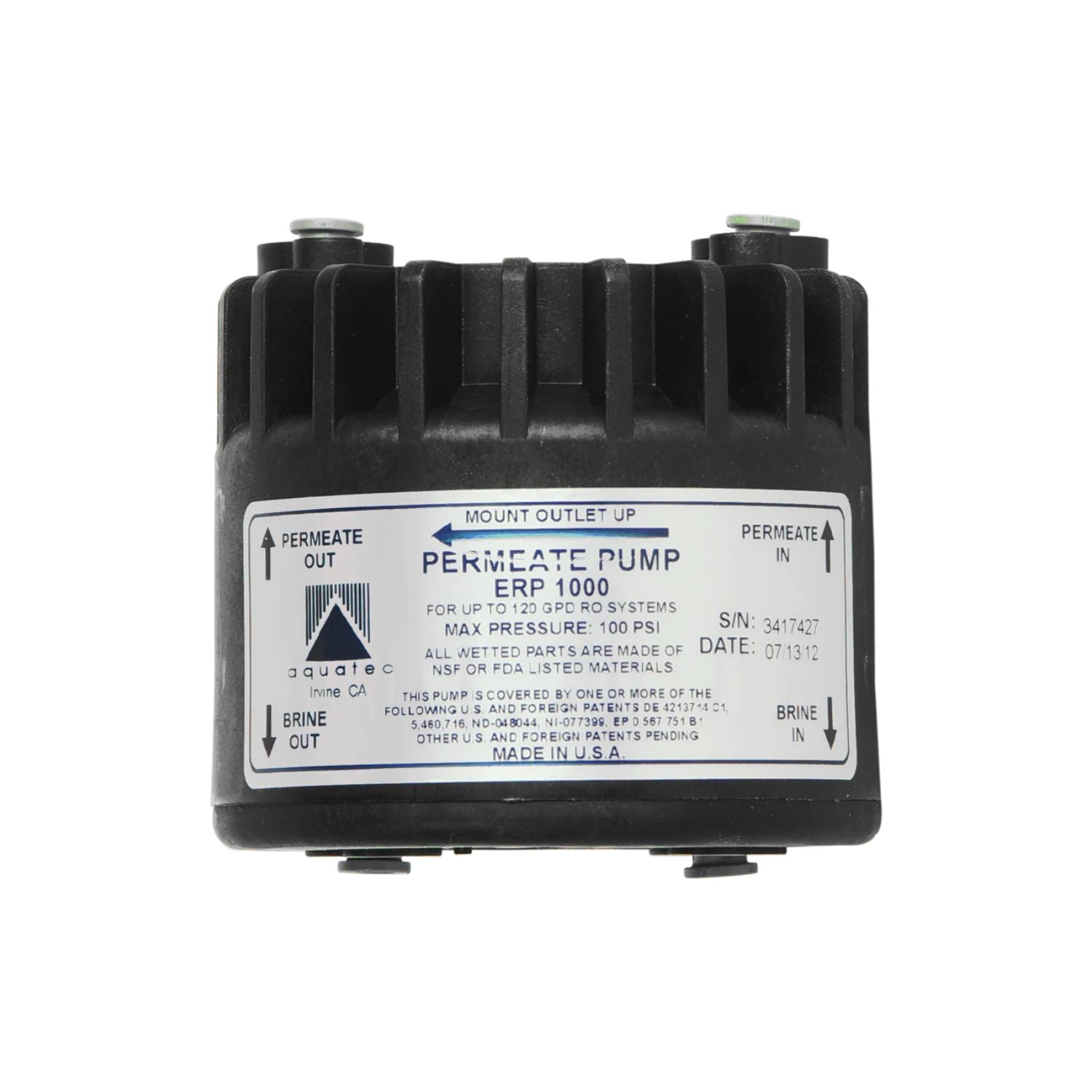
A permeate pump is a non-electric device added to many RO water filter systems. Its main job is to use the energy from the system’s waste water to push pure water (permeate) into the storage tank. This clever design reduces back pressure, which helps the system work more efficiently.
Key Benefits Of A Permeate Pump
- Increases Water Production: More pure water fills your tank in less time.
- Reduces Waste Water: Less water goes down the drain, which saves money and is better for the environment.
- Boosts System Pressure: Keeps water flowing faster and more steadily to your faucet.
- Extends Filter Life: With less back pressure, membranes and filters last longer.
If your RO system feels slow or wasteful, a good permeate pump can make a big difference. But if the pump is bad, you lose these benefits—and sometimes face new problems.
How A Permeate Pump Works In Your Ro System
To spot a bad pump, it helps to know how it fits into the system. Here’s a simple breakdown:
- Feed Water enters the RO system.
- Water is forced through the RO membrane—pure water (permeate) goes to the tank, waste (brine) goes to the drain.
- The permeate pump sits between the membrane and the storage tank.
- It uses the brine flow to push permeate into the tank, preventing pressure from slowing down production.
Without the pump, as the tank fills, pressure builds up and slows the flow. The pump keeps things moving efficiently until the tank is full.
Clear Signs Your Permeate Pump Might Be Bad
Not all RO problems mean the pump is to blame. But certain symptoms point directly to a bad permeate pump. Pay close attention to these signs:
1. Slow Tank Filling
A healthy system should fill a standard RO tank (2-4 gallons) in 2–4 hours. If it now takes much longer, your pump may not be working.
2. Increased Waste Water
A failing pump can cause the waste water ratio to climb. Normally, you want about 3-4 gallons of waste for every gallon of pure water. If you notice more water running to the drain, that’s a red flag.
3. Weak Faucet Flow
If the water from your RO faucet is a slow trickle instead of a strong stream, check the pump. Low pressure means the tank isn’t filling properly.
4. The Pump Is Silent
A permeate pump makes a soft clicking or whooshing sound as it works. If you hear nothing at all, it may be stuck or broken.
5. The Pump Is Always Running
A pump that never stops clicking (even when the tank is full) could be jammed, leaking, or unable to build pressure. This can wear out the system or waste water.
6. Water Tastes Strange
If the water tastes different, it might mean the filters or membrane are overloaded—sometimes because the pump isn’t doing its job.
7. Visible Leaks Or Moisture
Check around the pump for dampness or drips. Cracked pump housings or seals often lead to leaks, which usually mean the pump is failing.
8. Air Or Bubbles In The Faucet Water
If you see air bubbles, the pump might be letting air into the system, which it shouldn’t.
9. Short Filter Life
If you’re replacing filters or the membrane much faster than usual, a bad pump could be sending too much waste or back pressure through the system.
10. Unusual Noises
If the pump is making loud, grinding, or irregular noises, it’s likely damaged inside.
Common Mistakes When Diagnosing Permeate Pump Failure
Many people waste time and money by jumping to the wrong conclusion. Here’s what beginners often miss:
- Not Checking the Feed Pressure: Low house water pressure can look like a pump problem, but it’s not.
- Ignoring the Automatic Shut-Off Valve: This part works with the pump. If it’s bad, you’ll see similar symptoms.
- Not Testing the Membrane: A clogged or old membrane can mimic pump failure.
- Confusing Air in Lines with Pump Issues: Air can come from recent filter changes or leaks elsewhere.
- Replacing Filters Instead of Testing the Pump: New filters won’t fix a broken pump.
Credit: www.apecwater.com
Step-by-step: How To Test If A Permeate Pump Is Bad
You don’t need advanced tools to check your permeate pump. Here’s a practical guide:
1. Listen For Pump Sounds
When your RO tank is empty and filling, place your hand on the pump. You should feel gentle pulses or hear soft clicks. Total silence (when the system is working) usually means trouble.
2. Measure Tank Fill Time
- Start with an empty tank.
- Open the faucet to drain it fully.
- Close the faucet and let the system refill.
- Time how long it takes to fill. Over 4 hours for a small tank signals a problem.
3. Check Waste To Pure Water Ratio
- Collect waste water and pure water at the same time for 10 minutes.
- Measure both amounts.
- If the waste is much higher than usual (e.g., 10: 1 instead of 4:1), the pump isn’t working right.
4. Inspect For Leaks
Look closely at the pump and all connections. Even tiny leaks mean the pump is failing or installed incorrectly.
5. Observe Faucet Pressure
Open the RO faucet after the tank is full. Water should flow quickly at first, then slow after 1–2 minutes. Weak flow from the start often means pump trouble.
6. Check For Air Bubbles
Fill a clear glass with RO water. Bubbles that don’t go away after a few seconds often mean air is getting in, sometimes through a bad pump.
7. Test The Pump Directly
If you’re handy, disconnect the pump and shake it gently. If you hear loose parts or rattling, it’s probably broken inside.
How Permeate Pump Problems Affect The Whole System
A bad pump doesn’t just slow things down—it puts extra stress on your entire RO setup.
- Filters clog faster: More waste water and back pressure push dirt into filters.
- Membrane wears out: The membrane sees higher pressure, reducing its lifespan.
- Storage tank may not fill: No pressure means little or no water reaches the tank.
- Wasted water: You pay more for water that never gets used.
These hidden costs add up. Fixing the pump early prevents bigger repairs later.
Credit: www.frizzlife.com
Comparison: Symptoms Of A Bad Permeate Pump Vs Other Ro Problems
It’s easy to mix up pump failure with other issues. Here’s a quick comparison to help you spot the difference:
| Problem | Main Symptoms | Likely Cause |
|---|---|---|
| Slow tank fill, weak faucet, excess waste | Silent or noisy pump, leaks, air bubbles | Bad permeate pump |
| Slow fill, but pump works | No pump noise, low pressure at source | Low feed water pressure |
| Water tastes bad, low flow | Old filters, normal pump | Clogged filters |
| No water at all | All parts silent, tank empty | Shut-off valve or membrane problem |
Pay attention to the pump’s sounds and behavior—these are usually the best clues.
How To Troubleshoot Before Replacing The Pump
Don’t rush to buy a new pump. Sometimes, the problem is simple:
- Check Feed Water Pressure: Use a pressure gauge. Most RO systems need at least 40 psi.
- Inspect Tubing and Connections: Make sure there are no kinks or loose fittings.
- Test the Automatic Shut-Off Valve: This valve helps the pump work. If it’s stuck, replace it.
- Clean the Pump: Sometimes, debris blocks the pump. Flush it with clean water if possible.
- Check for Clogs: Remove and rinse pre-filters if they’re dirty.
If everything else works and the pump is still silent, leaking, or noisy, it’s time for a new one.
Tips For Replacing A Permeate Pump
When you decide to replace the pump, keep these practical tips in mind:
- Buy the Right Size: Match the pump to your RO system’s flow rate and tank size.
- Use Quality Fittings: Cheap parts leak quickly.
- Follow the Flow Arrows: Permeate pumps have arrows showing water direction. Install it correctly.
- Flush the System: After replacing the pump, run the system for several hours to clear out air and any debris.
- Check for Leaks: Run the system and inspect every joint for drips.
Installing a new pump can restore your system to like-new performance.
How A Bad Permeate Pump Hurts Efficiency And Costs
A hidden cost of a bad pump is wasted water and energy. Let’s break down the numbers:
- A good RO system with a pump wastes about 3–4 gallons per 1 gallon of pure water.
- A system without a working pump can waste 8–10 gallons for each pure gallon.
- If you use 10 gallons of drinking water a week, you could waste 100 gallons or more weekly if the pump is bad.
Even at low water prices, that adds up over months. In areas with expensive water or drought, the cost is much higher. Also, filters and membranes wear out faster, adding to the total cost. Fixing the pump is a smart investment.
Real-world Examples: Diagnosing Permeate Pump Failure
Many homeowners have faced mysterious RO problems—here are real examples to help you learn:
Example 1: The Silent System
A family noticed their RO water tasted fine but filled very slowly. The faucet was weak, and the tank took 7 hours to fill. They checked the pump—no sound, no vibration. Replacing the permeate pump fixed the issue in one hour. Lesson: Always check for pump noise and feel.
Example 2: The Leaky Mess
A homeowner saw water under their sink. They found a small crack in the pump’s body, causing a slow leak. While the system still worked, the leak risked mold and cabinet damage. A new pump stopped the leak and improved water flow.
Example 3: The Wasteful System
Someone tracked their water bill and saw it jump. After checking, they found the waste water line was pouring out much more than usual. The pump was stuck open, so waste kept running. Replacing the pump cut their water bill by 30% the next month.
Learning from others helps you spot problems faster and avoid costly mistakes.
Comparing Permeate Pump Performance: Good Vs Bad
To see how much difference a working pump makes, consider these numbers:
| Condition | Time to Fill (2 gal tank) | Waste:Pure Water Ratio | Faucet Flow |
|---|---|---|---|
| Good pump | 2 hours | 4:1 | Strong |
| No pump | 6 hours | 10:1 | Weak |
| Bad pump | 7 hours | 8:1 | Very weak |
A bad permeate pump dramatically reduces performance. If you see these symptoms, act quickly.
How To Prevent Permeate Pump Problems
Regular care can keep your pump working for years:
- Flush System Regularly: Run the RO faucet for a few minutes each week to keep water moving.
- Change Filters on Time: Follow the schedule for pre-filters and the membrane.
- Inspect for Leaks: Check under the sink monthly for moisture or drips.
- Use Clean Feed Water: If your water is very hard or dirty, consider a pre-filter before the RO system.
- Listen for Strange Noises: New sounds often warn of trouble.
- Check Pressure Yearly: Use a gauge to spot falling feed pressure before it affects the pump.
These simple steps add years to your system and keep water quality high.
When To Call A Professional
Sometimes, pump problems are tricky. If you:
- Can’t identify the issue after basic checks
- See water damage or major leaks
- Need to cut pipes or work with wiring
- Are unsure about installing a new pump
…it’s wise to call a certified plumber or RO technician. They can quickly find and fix the problem, often saving you money and hassle.
Non-obvious Insights Most People Miss
- Pump Orientation Matters: Some permeate pumps only work in certain positions. If installed sideways or upside down, they may not function properly.
- Temperature Can Affect Performance: Very cold or hot water can cause the pump to expand or contract, leading to leaks or slow operation. Make sure your system is installed in a place with stable temperature.
- Not All Pumps Are Alike: There are different brands and models. Some have extra valves, others use different materials. Always read the manual for your pump.
Environmental Impact Of A Bad Permeate Pump
A leaky or stuck pump doesn’t just cost you money—it affects the environment. Every wasted gallon is water that must be treated, transported, and paid for. In areas facing drought, this is especially important. Repairing or replacing your pump is a small step with big environmental benefits.
Key Takeaways For Homeowners
- Watch for slow tank filling, high waste, leaks, and weak faucet flow.
- Listen for normal clicking or whooshing sounds.
- Regularly check for leaks and air bubbles.
- Test before replacing—sometimes it’s a simple fix.
- Prevent problems with regular maintenance.
A healthy permeate pump keeps your RO system efficient, saves water, and protects your investment.
Frequently Asked Questions
How Long Should A Permeate Pump Last?
A typical permeate pump lasts 3–5 years with normal use. Hard water, high pressure, or poor maintenance can shorten its life. Regular checks and timely filter changes help it last longer.
Can A Permeate Pump Be Repaired, Or Should I Replace It?
Most permeate pumps are sealed units. Minor leaks can sometimes be fixed with new fittings, but if the pump is silent, leaking, or stuck, replacement is usually the best option. Always check your warranty before buying a new one.
Is My Ro System Safe To Use Without A Working Permeate Pump?
Yes, your system will still work, but much less efficiently. You’ll waste more water, fill tanks slower, and may wear out filters faster. For best results, fix or replace the pump as soon as possible.
Do All Ro Systems Need A Permeate Pump?
No. Small RO units with low water use may not need one. But for most modern systems, especially with low feed pressure or high waste, a permeate pump is a smart upgrade.
Where Can I Learn More About Permeate Pumps And Ro System Maintenance?
For in-depth information, visit the Wikipedia page on reverse osmosis. You’ll find details on system design, water chemistry, and maintenance tips.
Keeping your permeate pump in good condition is key for clean, efficient water at home. With these tips, you’ll stay ahead of problems and enjoy pure water for years to come.
Credit: www.apecwater.com