
Swimming pools need regular care to stay clean, safe, and enjoyable. If you own a pool, you might wonder about pool chemicals—especially about adding calcium and stabilizer together. People often ask, “Can you add calcium and stabilizer at the same time?” The answer is not as simple as yes or no. It depends on your pool type, water chemistry, and how you add these chemicals. This guide will explain everything you need to know, from what these chemicals do, to the best ways to add them, and the possible risks if you get it wrong.
You will learn how calcium and stabilizer work, why timing and method matter, and the steps you should follow for safe and effective pool maintenance. If you want to avoid cloudy water, scaling, or wasted money, keep reading. By the end, you’ll know exactly how to handle these key pool chemicals with confidence—even if you’re a beginner.
What Is Pool Calcium And Why Does It Matter?
Calcium in pool care is usually called calcium hardness. It refers to the amount of dissolved calcium in your pool water. It’s measured in parts per million (ppm).
Why Is Calcium Important?
- Prevents corrosion: If the calcium level is too low, water becomes “hungry” for minerals and can pull calcium out of your pool surfaces or equipment.
- Prevents scaling: If the calcium is too high, it can leave white, chalky deposits (called scale) on your tiles and equipment.
- Protects pool plaster: Proper calcium levels help prevent your pool walls and floor from becoming rough or pitted.
Ideal Calcium Hardness
For most pools, the recommended range is 200–400 ppm. Concrete pools need more calcium than vinyl or fiberglass pools. If your water is too soft (low calcium), you need to add a product called calcium chloride.
Signs Of Calcium Problems
- Cloudy water: Can be from high calcium or mixing chemicals wrong.
- Rough surfaces: Low calcium can damage plaster.
- White scaling: High calcium causes deposits on waterline, ladders, or heaters.
What Is Pool Stabilizer?
Stabilizer, also known as cyanuric acid (CYA), protects your pool’s chlorine from sunlight. Without it, the sun’s UV rays quickly break down chlorine, leaving your pool unprotected.
Why Do Pools Need Stabilizer?
- Saves chlorine: Stabilizer keeps chlorine working longer.
- Prevents algae and bacteria: Helps maintain a steady chlorine level, stopping problems before they start.
- Reduces chemical costs: Less chlorine lost to sunlight means you buy and add less.
Ideal Stabilizer Levels
The recommended range is 30–50 ppm for most pools. If you have a saltwater pool, you may aim for up to 80 ppm. Too much stabilizer can make chlorine less effective, so more is not always better.
Signs Of Stabilizer Problems
- Chlorine disappears quickly: Low stabilizer.
- Hard to kill algae: High stabilizer may “lock” chlorine.
- Chlorine odor or irritation: From unbalanced chemistry.
How Calcium And Stabilizer Work Together In Pool Chemistry
Both calcium and stabilizer are important but do different jobs. Calcium protects surfaces and equipment. Stabilizer protects chlorine.
Are They Related?
- They do not directly affect each other’s level.
- Both are part of the overall water balance.
- Adjusting one does not change the other’s test result.
Indirect Connections
Adding too much of either can cause problems:
- Too much calcium can combine with high pH or alkalinity to make water cloudy.
- Too much stabilizer can make chlorine less effective, which can let algae grow and increase the need for other chemicals.
Can You Add Calcium And Stabilizer At The Same Time?
This is the key question. The quick answer is: It’s best NOT to add them at exactly the same time or in the same spot. Here’s why:
What Happens If You Add Both Together?
Calcium chloride (calcium increaser) is a salt. Cyanuric acid (stabilizer) is an acid powder or granule. When these mix directly in pool water, they can react and form a cloudy or milky solution. Sometimes, they even create precipitates—solids that fall to the pool floor. This means your chemicals are not dissolving properly, and you’re wasting money.
Manufacturer And Expert Recommendations
- Most chemical makers say to add one chemical at a time.
- Wait for one to dissolve and mix before adding another.
- This reduces the risk of cloudy water, scaling, or chemical “clumping.”
Why Not Mix Them?
The two chemicals dissolve at different speeds. If they meet in the water as solids, they can cause:
- Cloudiness
- Clumping and settling
- Ineffective results
Safe Order To Add Pool Chemicals
Proper order matters for pool chemicals. Here’s a simple, effective sequence:
- Test and adjust pH and alkalinity first.
- Add calcium hardness increaser (if needed).
- Wait until calcium is fully dissolved and circulated (usually 2–4 hours).
- Add stabilizer (cyanuric acid) using the correct method.
- Add other chemicals as needed.
Why this order? If calcium and stabilizer touch each other in their solid forms, they can cause cloudiness or deposits.
Example Schedule
- Morning: Test water, add calcium as directed.
- Afternoon: After 4+ hours, add stabilizer in a sock or skimmer.
- Evening: Add chlorine or other chemicals as needed.
How To Add Calcium To Your Pool
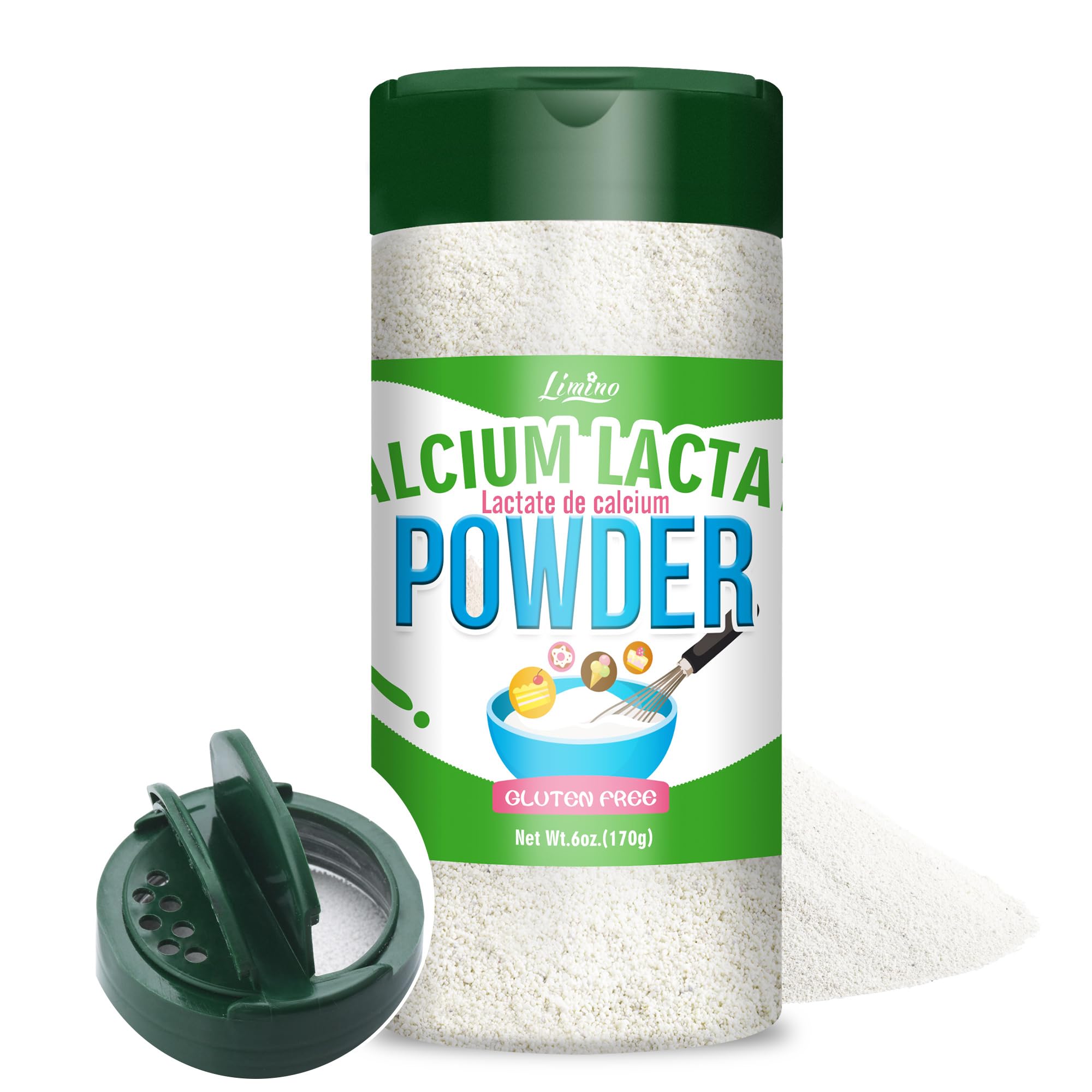
Adding calcium chloride is simple but has a few important steps.
Step-by-step Instructions
- Test your current calcium level using a reliable test kit.
- Calculate how much calcium chloride you need (read the label or use a pool calculator).
- Pre-dissolve in a bucket: Add calcium chloride to a bucket of pool water (never add water to chemical).
- Pour slowly around the pool edge with the pump running.
- Brush any undissolved material to help it dissolve.
- Let the system circulate for several hours before swimming or adding other chemicals.
Tips For Best Results
- Add calcium when the pool is not in use.
- Avoid adding near pool returns or heaters.
- Rinse any spills off pool decks right away to avoid stains.
Common Mistakes
- Adding too much at once (can cause cloudiness).
- Dumping in one spot.
- Mixing with other chemicals.
Credit: www.amazon.com
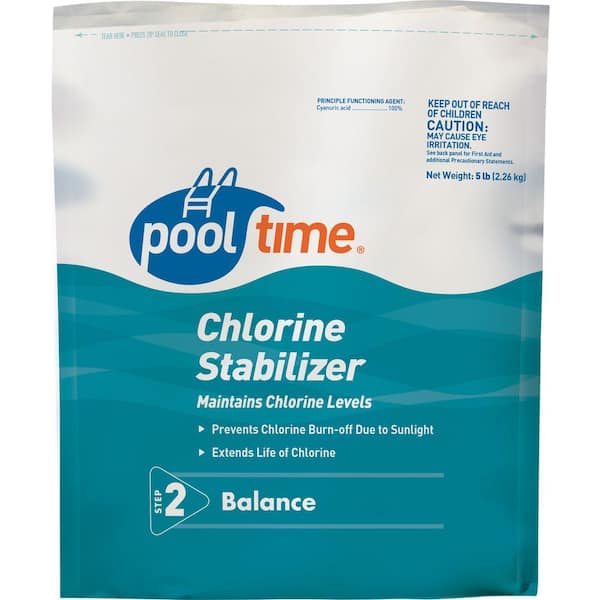
How To Add Stabilizer To Your Pool
Cyanuric acid is slow to dissolve. The way you add it matters.
Step-by-step Instructions
- Test current stabilizer level.
- Calculate the correct dose (read label instructions).
- Pre-dissolve using a sock or skimmer basket:
- Put the measured stabilizer into a clean sock or nylon stocking.
- Tie the sock and place it in the skimmer basket or hang it in front of a return jet.
- Let water run over the sock. It will slowly dissolve (can take 1–2 days).
- Keep the pump running during this time.
Do Not
- Pour granules directly into the pool (they can sink and damage surfaces).
- Add in the same spot as other chemicals.
Tips For Best Results
- Add stabilizer on a warm day (it dissolves faster).
- Do not retest for at least 48 hours—it takes time to mix.
Example
If your pool is 20,000 gallons and you need to raise stabilizer by 20 ppm:
- You’d add about 1.5 pounds of cyanuric acid (check your product label).
What Happens If You Add Calcium And Stabilizer Together?
Mistakes happen. If you’ve already added calcium and stabilizer at the same time, watch for these issues:
Possible Results
- Cloudy water: This is the most common result. The pool may look milky for hours or days.
- Settling or “clumping”: White powder or chunks on the pool floor.
- Reduced effectiveness: Some of your chemical may not dissolve, so you don’t get the full benefit.
- Scale formation: If pH and alkalinity are also high, you might see scale on surfaces.
What To Do If This Happens
- Keep the filter running to help clear the water.
- Brush any settled material.
- Retest your water after 24–48 hours.
- In most cases, the problem clears up on its own, but you may need to backwash or vacuum to waste if it’s severe.
Rare But Serious Problems
If you see stubborn scaling or damage to pool surfaces, you may need to partially drain and refill your pool.
How Long Should You Wait Between Adding Chemicals?
The “wait time” depends on your pool size, circulation, and the weather. For calcium and stabilizer, a good rule is:
- Wait 2–4 hours between adding different chemicals.
- If your pool has strong circulation, 2 hours may be enough.
- If you add a large dose, wait longer.
You don’t need to wait days—but give each chemical time to dissolve and mix before adding the next. This is especially true if you’re adding through the skimmer or in one area.
How To Test Calcium And Stabilizer Levels
Reliable testing is key to safe, balanced water.
Testing Calcium
- Use a liquid drop test kit for accuracy.
- Test monthly or after heavy rain/additions.
- Target: 200–400 ppm.
Testing Stabilizer
- Test kits for CYA are available (some test strips also work).
- Test at season start, after adding stabilizer, and monthly.
- Target: 30–50 ppm (or as directed for your pool type).
Sample Data Table: Ideal Ranges
Here’s a quick reference for pool water balance:
| Chemical | Ideal Range (ppm) | Notes |
|---|---|---|
| Calcium Hardness | 200–400 | Concrete pools need higher end |
| Stabilizer (CYA) | 30–50 | Salt pools up to 80 ppm |
| Free Chlorine | 2–4 | Always adjust for CYA level |
| pH | 7.2–7.8 | Test weekly |
What About Pre-mixed Or Multi-function Chemicals?
Some products say they “add calcium and protect chlorine” in one step. Be careful with these:
- Most are designed for small, above-ground, or spa use.
- They may not control doses of each chemical well.
- Large pools need separate control for each chemical.
If you use a combined product, read the label carefully and do not add extra calcium or stabilizer without testing.
Special Cases: Saltwater Pools, Hot Tubs, And Spas
Saltwater Pools
Saltwater pools use a chlorine generator. They need calcium and stabilizer just like regular pools, but:
- Stabilizer is even more important, since the cell works best at steady chlorine levels.
- Calcium is needed to protect the cell and surfaces.
- The same rule applies: Do not add calcium and stabilizer at the same time.
Hot Tubs And Spas
Smaller volume means chemicals are stronger. Always add one chemical at a time, with extra wait time between.
Credit: www.homedepot.com
Real-world Examples
Example 1: Cloudy Pool After Chemical Addition
A homeowner added calcium and stabilizer together in a 15,000-gallon pool. The water turned cloudy and stayed that way for 3 days. The filter caught some, but much of the calcium settled to the bottom. They had to brush and vacuum the pool, wasting time and chemicals.
Example 2: Proper Addition, No Problems
Another pool owner added calcium in the morning, waited 4 hours with the pump running, then added stabilizer in a sock. The water stayed clear, and test results were perfect.
Example 3: Commercial Pool Routine
A hotel pool uses a strict schedule: test, adjust pH, add calcium, wait, then add stabilizer. This prevents guest complaints and keeps maintenance costs down.
Common Mistakes When Adding Pool Chemicals
Many pool owners make these errors:
- Dumping chemicals together: Always space out additions.
- Pouring directly on pool floor: Can damage surfaces.
- Not brushing or circulating: Chemicals need motion to dissolve.
- Guessing on dose: Always test and calculate.
- Ignoring manufacturer instructions: Each product may have special steps.

Credit: fishtanksdirect.com
How To Fix Problems From Adding Chemicals Incorrectly
If you’ve already made a mistake, here’s what you can do:
- Cloudy water: Run the filter, brush the pool, and wait.
- Scale or deposits: Lower pH, brush surfaces, and vacuum.
- Low effectiveness: Retest, and add only what’s needed, one at a time.
- Damaged surfaces: Consult a pool professional if pitting or stains appear.
Cost And Efficiency Considerations
Wasting chemicals costs money. If you add calcium and stabilizer together and some doesn’t dissolve, you’ll need to buy more. Proper technique saves you:
- Chemical costs: Get full effect from each dose.
- Time: Less cleaning, fewer fixes.
- Equipment life: Proper balance extends pump, filter, and heater life.
Sample Cost Comparison
| Method | Chemical Used | Wasted (Est.) | Extra Cost/Month |
|---|---|---|---|
| Correct Order | 20 lbs calcium, 5 lbs stabilizer | None | $0 |
| Simultaneous Addition | 20 lbs calcium, 5 lbs stabilizer | 10% (2 lbs calcium, 0.5 lbs stabilizer) | $8–15 |
Non-obvious Insights Most Beginners Miss
- Circulation speed matters: Pools with weak pumps need longer wait times between chemicals.
- Temperature affects dissolving: Chemicals dissolve faster in warmer water. On cold days, allow extra time.
- Testing after chemical addition: Always wait at least 24 hours after adding stabilizer before retesting—otherwise, you may get a false low reading.
Expert Tips For Safe And Effective Chemical Addition
- Always keep your test kit up to date and store chemicals in a cool, dry place.
- Never mix chemicals in a bucket together—always add them separately to water.
- If you’re not sure, check with your pool supply store or a certified pool operator.
- Keep a logbook of what you add and when. This helps track what works best for your pool.
For more technical guidance, the Centers for Disease Control and Prevention offers reliable pool chemical safety tips.
Frequently Asked Questions
Can I Add Calcium And Stabilizer On The Same Day?
Yes, you can add both on the same day, but you should wait at least 2–4 hours between additions. Make sure the first chemical is fully dissolved and circulated before adding the second.
What Should I Do If The Pool Turns Cloudy After Adding Chemicals?
Keep the filter running and brush the sides and bottom of the pool. Cloudiness usually clears up within a day or two. If not, retest your water and check for high calcium, stabilizer, or pH levels.
Can I Add Calcium Chloride And Stabilizer Directly Into The Skimmer?
You can add stabilizer (in a sock) to the skimmer, but do not add calcium chloride to the skimmer as it may damage the filter or equipment. Always add calcium by pre-dissolving in a bucket and pouring around the pool edge.
Is It Safe To Swim After Adding Calcium Or Stabilizer?
Wait until the chemicals have fully dissolved and the water has circulated. This is usually 2–4 hours for calcium, and 24 hours for stabilizer. Always retest the water before swimming.
Do I Need To Test My Pool More Often If I Add Both Chemicals?
It’s a good idea to test after adding any chemical. Test calcium and stabilizer levels at least monthly, and always after making adjustments. This ensures your pool stays balanced and safe.
Pool care can feel complex, but with the right knowledge and habits, you’ll keep your water sparkling and safe. Take your time, use proper technique, and enjoy your pool with confidence.