
Many people have faced an oven that suddenly stops working. You might be baking a cake, roasting a chicken, or just heating up leftovers—then, silence. The oven won’t turn on, and none of the buttons respond. Often, the issue is a blown oven fuse. Resetting or replacing this fuse can bring your oven back to life, but it’s not always obvious how to do it safely. This guide will walk you through everything you need to know about resetting your oven fuse, whether you’re a complete beginner or have some DIY experience.
You’ll learn why fuses blow, where to find them, how to reset or replace them, and how to avoid common mistakes. I’ll also include practical tips, safety advice, and troubleshooting steps for different oven types. If you want your oven working again without calling an expensive technician, read on.
Your confidence will grow as you understand your oven better and can solve this problem yourself.
What Is An Oven Fuse And Why Does It Matter?
Before you start, it’s important to know what an oven fuse is. In simple words, a fuse is a small safety device. If too much electricity flows through the oven, the fuse breaks the circuit—this stops the oven from getting damaged or catching fire. There are usually two types of fuses in electric ovens:
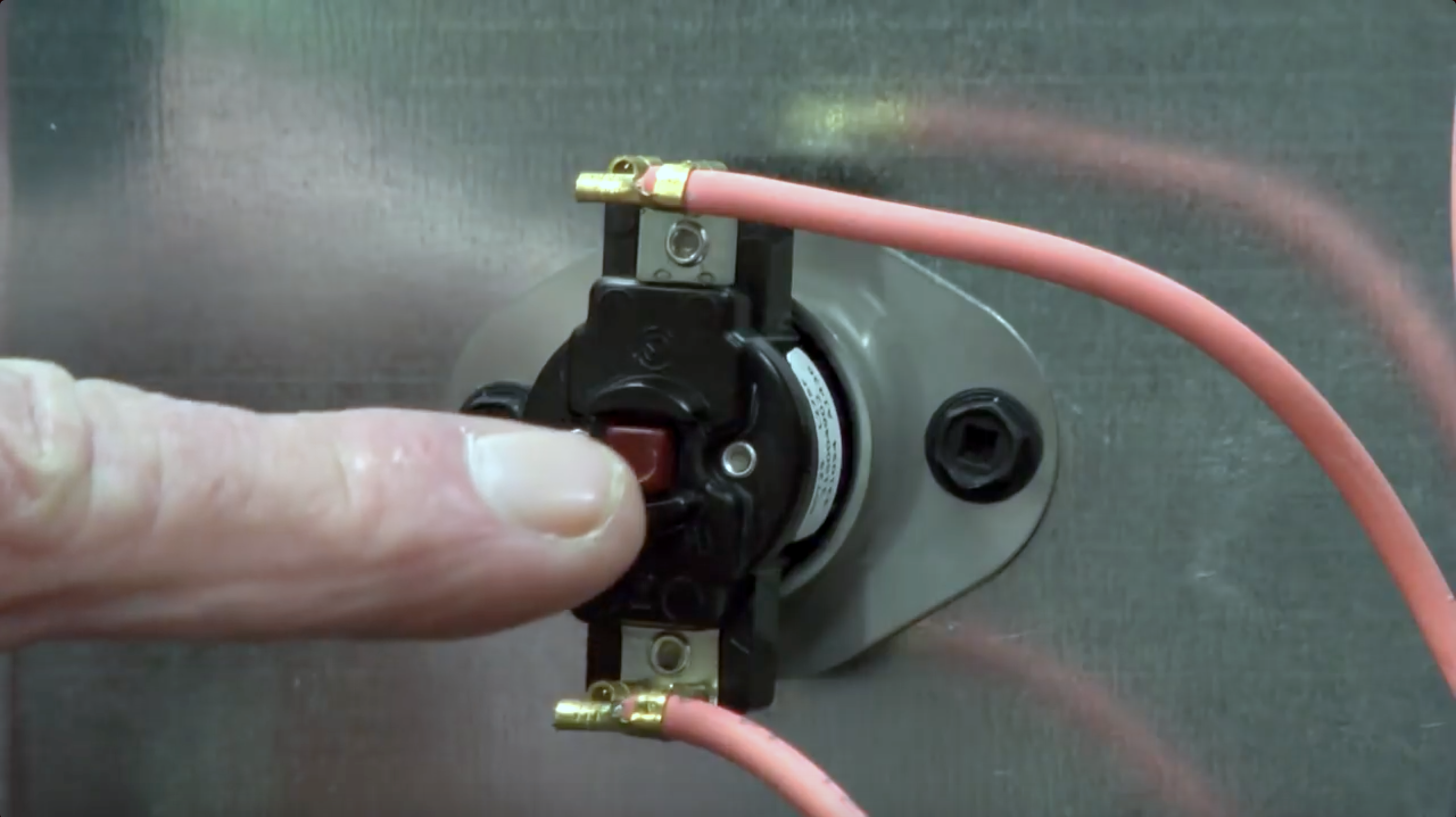
- Thermal fuse: Shuts off the oven if it gets too hot.
- Line fuse: Protects against too much electric current.
A blown fuse means the oven will not power on or may stop working in the middle of cooking. Gas ovens can also have fuses, but their role is usually related to control systems or displays.
Many people think resetting a fuse is just like flipping a switch. But in most ovens, a blown fuse must be replaced, not just reset. However, sometimes the issue is with a circuit breaker, which can be reset. Understanding the difference is important before you begin.
Reasons Why An Oven Fuse Blows
Knowing why a fuse blows can help you prevent future problems. Here are some common reasons:
- Power surge: A sudden spike in electricity can overload the fuse.
- Short circuit: Damaged wires or parts touch each other, making electricity flow where it shouldn’t.
- Overheating: If the oven gets too hot, the thermal fuse will blow.
- Faulty parts: Broken heating elements or fans can cause too much current.
- Old age: Fuses and wiring can wear out over time.
Non-obvious insight: Sometimes, using the self-cleaning feature can trigger overheating and blow the thermal fuse. Also, plugging too many appliances into the same outlet can cause issues.
Signs Your Oven Fuse Needs Resetting Or Replacement
How do you know if your oven fuse is the problem? Watch for these signs:
- Oven is completely dead—no lights, no sound.
- Display or control panel not working (on digital ovens).
- Oven heats up, then stops suddenly.
- Other functions (timer, clock) work but oven won’t heat.
- Burnt smell or visible burn marks near the control panel or inside the oven.
If the oven trips the circuit breaker often, the problem may be in your home’s wiring, not just the oven fuse.
Safety First: Precautions Before You Start
Working with electrical appliances is serious. Even if you’re just resetting a fuse, always put safety first:
- Unplug the oven or turn off the power at the circuit breaker.
- Wait for the oven to cool down completely before opening it.
- Use insulated tools—never touch wires with bare hands.
- Read your oven’s manual for model-specific instructions.
- Wear safety gloves and glasses if you’re opening panels.
Never skip these steps. Electricity can be dangerous, and even small mistakes can cause injury or fire.
Credit: www.searspartsdirect.com
Tools And Materials You’ll Need
Gather everything before you start. This saves time and helps you avoid mistakes.
Basic tools:
- Screwdriver (usually Phillips)
- Needle-nose pliers
- Flashlight (for dark spaces)
- Multimeter or continuity tester (for checking fuses)
- Replacement fuse (make sure it matches your oven’s specs)
Optional but helpful:
- Small bowl or cup (for holding screws)
- Your oven’s user manual
- Labels or tape (to mark wires)
Step-by-step Guide: Resetting Or Replacing Your Oven Fuse
Every oven is different, but the general process is similar. Here’s how to do it safely and correctly.
1. Turn Off Power
Find your oven’s plug and unplug it from the wall. If you can’t reach the plug, turn off the circuit breaker that powers the oven. Double-check—some ovens have a second hard-to-see breaker.
2. Locate The Fuse
Oven fuses are usually behind a panel at the back of the oven or inside the control panel above the door. Check your manual if you’re not sure.
- For freestanding ovens: You may need to pull the oven away from the wall.
- For built-in ovens: The fuse is often behind the top control panel.
Non-obvious insight: Some ovens have more than one fuse, especially modern or double ovens. Make sure you check all fuse locations.
3. Open The Panel
Use your screwdriver to remove the screws holding the panel in place. Keep the screws safe. Carefully lift the panel off—don’t force it.
4. Identify The Fuse
Look for a small cylinder or flat strip with metal ends. Fuses are usually held in clips or small plastic holders. Some fuses are glass; others are ceramic.
If you see any burn marks or melted plastic, take a photo (for later) and plan to replace the fuse and check for other damage.
5. Test The Fuse
Set your multimeter to continuity mode. Touch the probes to both ends of the fuse.
- If you hear a beep (or see a “0” reading), the fuse is good.
- If there’s no beep (or the display stays “1”), the fuse is blown.
If you don’t have a tester, look for a visible break inside a glass fuse or blackening.
6. Replace The Fuse
If the fuse is blown, buy a new one with the exact same rating (check the ampere and voltage numbers). Never use a higher-rated fuse—it’s unsafe.
Pull out the old fuse using pliers. Push the new fuse into the clips.
7. Close The Panel
Replace the panel and screw it back in. Make sure everything is tight.
8. Restore Power
Plug the oven back in or turn the breaker on. Test the oven. If it works, you’ve fixed the problem. If not, check for other fuses or issues.
9. Reset The Circuit Breaker (if Needed)
If your oven is still dead, check your home’s main breaker box. Find the breaker labeled “oven” or “kitchen. ” Flip it off, wait a few seconds, and flip it on again.
Tip: If the breaker keeps tripping, there’s a deeper electrical problem. Call a professional.
Where To Find Your Oven Fuse: Model Differences
Oven fuse location depends on the type and brand. Here’s a quick overview to help:
| Oven Type | Typical Fuse Location | Notes |
|---|---|---|
| Freestanding Electric | Back panel (near power cord) | May need to pull oven out |
| Built-in Wall Oven | Behind top control panel | Check for screws inside door frame |
| Double Oven | Behind control panel or inside upper oven | May have separate fuses for each oven |
| Gas Oven | Near electronic control board | Usually inside top panel |
If you can’t find your fuse, look in the user manual or search your oven’s model number online.
Resetting Vs. Replacing: What’s The Difference?
Many people ask if they can just “reset” the fuse. The answer depends on the type of fuse:
- Glass or ceramic fuses: Must be replaced if blown.
- Resettable circuit breaker: Can be flipped back on.
Older ovens use basic fuses. Newer ovens sometimes have a reset button or a small breaker near the control panel. If you see a button, push it. If not, you’ll need a new fuse.
Pro tip: Never put aluminum foil or wire in place of a fuse. This is dangerous and can cause fire.
How To Choose The Right Replacement Fuse
Choosing the wrong fuse can damage your oven or risk your safety. Here’s what to check:
- Fuse type: Glass, ceramic, or cartridge.
- Voltage: Match your oven’s rating (usually 250V for ovens).
- Ampere rating: Common ratings are 15A, 20A, or 30A. Check the old fuse or your manual.
- Size: Fuses come in different lengths and diameters.
Take the old fuse to the hardware store and match it exactly. If you’re not sure, ask the staff or check the manual.
Troubleshooting: When Resetting The Oven Fuse Doesn’t Work
Sometimes, you replace the fuse and the oven still won’t work. Here’s what you can check next:
1. Check The Power Outlet
Plug another appliance (like a toaster) into the same outlet. If it doesn’t work, the problem is with your home’s wiring.
2. Inspect The Power Cord
Look for cuts, burns, or loose connections. Damaged cords can stop power from reaching the oven.
3. Test The Oven’s Control Board
If the display or buttons don’t work, the control board could be faulty. Replacing this is more complex and may need a professional.
4. Check For Hidden Fuses
Some ovens have a second, hidden fuse near the control board or inside the oven cavity.
5. Look For Burnt Wires Or Smells
If you see melted wires or smell burning, call a technician immediately. This is a fire risk.
6. Test The Heating Elements
If your oven powers on but doesn’t heat, the issue may be a broken heating element, not the fuse.
How To Prevent Future Oven Fuse Problems
Prevention is easier (and cheaper) than repair. Here’s how to protect your oven fuses:
- Don’t overload the outlet. Only plug the oven into its own outlet.
- Avoid using the self-cleaning feature too often—it can overheat the oven.
- Keep vents clear. Dust and grease block airflow and can cause overheating.
- Schedule regular maintenance. Check wiring and connections every year.
- Replace old fuses with new ones every 5–7 years, even if they’re not blown.
Non-obvious insight: Surges from storms or power cuts can damage oven fuses. Consider using a surge protector if your area has unstable electricity.
Comparing Diy Vs. Professional Repair
Should you fix the oven fuse yourself or call a pro? Consider these factors:
| Factor | DIY Repair | Professional Repair |
|---|---|---|
| Cost | Low (just the fuse) | High (service fee + parts) |
| Time | 1–2 hours | May need to wait days |
| Safety | Safe if you follow steps | Very safe—expert does the work |
| Experience Needed | Basic DIY skills | None |
| Warranty | May void warranty | Often keeps warranty valid |
If your oven is under warranty or you’re unsure, it’s safer to call a professional. But for many people, replacing an oven fuse is a simple job with the right instructions.

Credit: www.youtube.com
Common Mistakes People Make When Resetting Oven Fuses
Avoid these errors to stay safe and avoid extra repairs:
- Not unplugging the oven—always disconnect power first.
- Using the wrong fuse—check the numbers carefully.
- Forcing open panels—can break plastic clips or wiring.
- Mixing up wires—label them before disconnecting.
- Skipping the manual—each model is different.
- Ignoring other problems—a blown fuse is often a sign of another fault.
Pro tip: If the fuse blows again after replacement, stop. There’s a deeper problem. Forcing the oven to work can cause bigger damage.
Oven Brands And Fuse Locations: Quick Reference
Every brand is a bit different. Here’s a quick guide to common brands:
| Brand | Fuse Location | Special Notes |
|---|---|---|
| GE | Behind control panel | Some have small black reset buttons |
| Whirlpool | Inside top panel | Some models have thermal and line fuses |
| Samsung | Back or control panel | Look for inline fuse holders |
| Frigidaire | Control panel or rear | Glass fuses common |
| Bosch | Inside top panel | Some models use circuit breakers |
If your model is not listed, check the manual or search the brand’s support website.
When To Call A Professional
Sometimes, DIY isn’t enough. Call a technician if:
- The oven still doesn’t work after replacing the fuse.
- You see or smell burning.
- The oven trips the breaker every time you turn it on.
- You’re not confident with electrical repairs.
- Your oven is under warranty.
Professionals have the tools and training to diagnose deeper problems. It’s better to pay for expert help than risk injury or fire.
Real-world Example: Resetting A Whirlpool Oven Fuse
Let’s look at a common scenario to make things clearer.
Anna’s oven stopped working after she used the self-clean function. She unplugged it, waited, and plugged it back in—still dead. Here’s what she did:
- Turned off the breaker to be safe.
- Opened the top panel (4 screws on her Whirlpool model).
- Found the thermal fuse—a small white cylinder clipped to the panel.
- Tested it with a multimeter—no beep, so it was blown.
- Bought a replacement (same size and rating).
- Swapped the fuse, closed the panel, turned the power back on.
- Oven worked again!
She learned to avoid self-clean unless really needed, and now checks her oven vents every few months.
Practical Tips For Success
- Take photos as you go—helps you remember where wires and parts go.
- Keep all screws and parts in a bowl so you don’t lose them.
- Label wires with tape if you disconnect them.
- Double-check fuse numbers before buying a replacement.
- Don’t rush—work slowly and carefully.
Useful Resources
If you need more details or want to see step-by-step videos, visit your oven brand’s support site or check out the helpful guides on Family Handyman.
Credit: www.hnkparts.com
Frequently Asked Questions
Why Does My Oven Keep Blowing Fuses?
Multiple fuse blows usually mean a deeper issue: faulty heating elements, damaged wiring, or control board problems. Replacing the fuse won’t fix the real cause. Have a professional check the oven if it happens more than once.
How Do I Know What Fuse My Oven Needs?
Check your oven’s manual or look at the numbers on the old fuse. These will show the type (glass, ceramic), ampere rating (like 20A), and voltage. Always match these numbers exactly for safety.
Can I Use Any Fuse As Long As It Fits?
No. Only use a fuse with the same rating and type as the original. Using the wrong fuse can cause damage, fire, or even void your warranty. Fit is not enough—specs matter.
Is It Safe To Reset An Oven Fuse By Myself?
Yes, if you follow the safety steps: unplug the oven, wear gloves, use the right tools, and replace the fuse carefully. If you’re not sure or see other problems, call a technician.
Where Can I Buy Replacement Oven Fuses?
You can buy them at hardware stores, online retailers, or appliance parts shops. Take the old fuse with you to match the size and rating, or use your model number to find the right part.
Resetting your oven fuse doesn’t have to be scary or expensive. With care, the right tools, and a little patience, you can get your oven working again and avoid future problems. Always put safety first, and don’t hesitate to call an expert if you need help.
By understanding your oven better, you’ll save money and gain confidence in your DIY skills.