
Many people who work with PVC pipes—from DIYers to professional plumbers—wonder if PVC cement will cure underwater. This question often comes up during emergency repairs or when working on irrigation, pool, or aquarium plumbing. The answer is not as simple as yes or no. Understanding how PVC cement works, what “curing” really means, and the challenges of underwater bonding will help you make the right decision for your project. In this guide, we will explore the science behind PVC cement, real-world experiences, and the practical steps you need to know if you ever need to make a repair underwater.
How Pvc Cement Works
PVC cement is not an ordinary glue. It’s a chemical solvent that softens the surfaces of PVC pipes and fittings, allowing them to fuse together. When you apply PVC cement, it temporarily melts the plastic so the two pieces can bond on a molecular level. After a few seconds, the pieces become one solid structure as the solvent evaporates and the plastic hardens again.
There are three steps in a typical PVC joint:
- Priming – Cleaning the surface with a primer to remove dirt and oils and soften the PVC.
- Applying Cement – Spreading a layer of solvent cement on the pipe and fitting.
- Joining – Pushing the pieces together and holding them for a few seconds.
The bond created by this process is usually stronger than the pipe itself. But for a perfect bond, the cement needs time to cure—to fully set and harden. Normally, this happens in air, not water.
What Does “cure” Mean For Pvc Cement?
Curing is the chemical process where the cement dries and the joint becomes strong. When you glue PVC pipes together, the joint is weak at first. Over time, the solvents evaporate, and the plastic hardens into a single piece. Full cure time depends on:
- Type of cement
- Pipe size
- Temperature
- Humidity
Manufacturers often recommend waiting 15 minutes to 2 hours before light use, and up to 24 hours for full strength. These numbers assume normal conditions—dry, room temperature air.
Underwater, everything changes.
The Challenge Of Underwater Curing
Water makes curing more complicated. PVC cement relies on evaporation of solvents. Underwater, solvents can’t evaporate easily. Instead, they may mix with the water, slowing or even stopping the curing process. Water can also cool the joint, further delaying the chemical reaction.
There are three main challenges:
- Solvent dilution – Water may wash away some cement or mix with it.
- Evaporation delay – Solvent cannot escape into water as easily as into air.
- Surface contamination – Dirt, algae, or biofilm may be present on submerged pipes.
These challenges mean normal PVC cement may not work as well underwater, and the joint may never become as strong as it would in air.
Types Of Pvc Cement: Standard Vs. Wet-dry Formulas
Not all PVC cements are the same. There are two main types:
- Standard PVC Cement – Designed for use on clean, dry pipes. Needs dry conditions for best results.
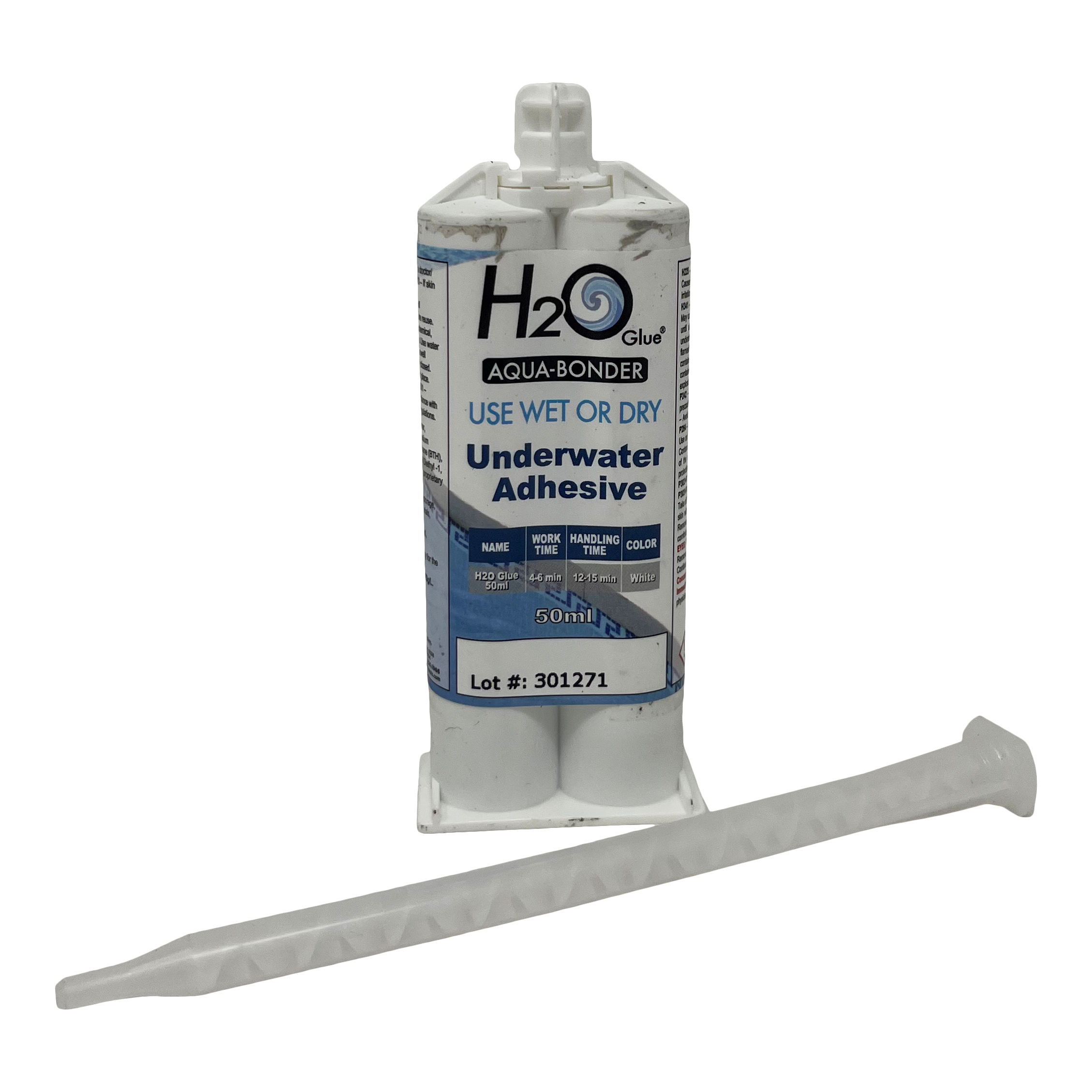
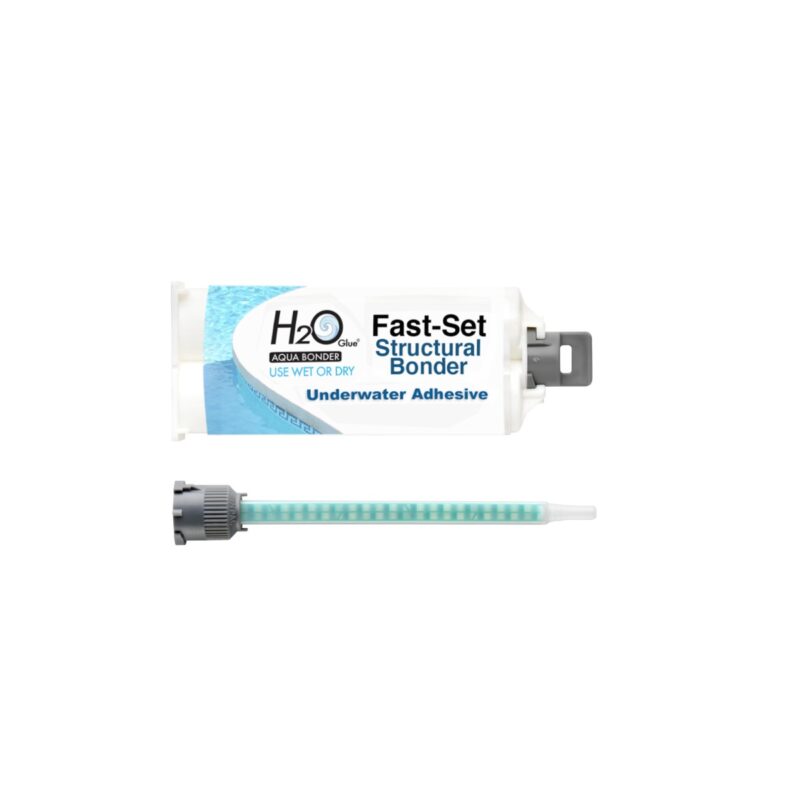
- Wet-Dry PVC Cement – Specially formulated to work on wet pipes, and sometimes even underwater.
Let’s compare them:
| Property | Standard PVC Cement | Wet-Dry PVC Cement |
|---|---|---|
| Use on dry pipes | Excellent | Good |
| Use on wet pipes | Poor | Good |
| Use underwater | Not recommended | Possible (check label) |
| Cure time in air | Fast | Medium |
| Cure time underwater | Very slow or incomplete | Slow, may not reach full strength |
Wet-dry PVC cements are more reliable for repairs when there is moisture, but even these have limits. Always read the manufacturer’s instructions.
Credit: www.chemical-concepts.com
Will Pvc Cement Cure Underwater?
The short answer: PVC cement can sometimes cure underwater, but not as well as in air. The result may be a weaker bond and a higher risk of leaks.
Here’s what happens:
- The cement may not stick as well to the wet pipe.
- The solvents evaporate slowly, so the joint takes longer to harden.
- If water is moving, it can wash away the cement before the joint sets.
- Underwater, the final strength of the bond may be much lower than normal.
Most manufacturers do NOT guarantee their standard PVC cement for underwater use. Some wet-dry cements claim they can cure underwater, but even then, the bond is often not as strong as a dry joint.
Real-world Examples And Data
People have tried using PVC cement underwater for pool, spa, or irrigation repairs. Here are some real-life situations:
- Swimming Pool Repair: Homeowners often try to fix a leaking pool pipe while the pool is full. Wet-dry PVC cement may make a quick seal, but long-term leaks are common if the water is not drained.
- Irrigation Systems: Emergency repairs are sometimes made on pipes with standing water. Even with wet-dry cement, joints may fail after months, especially under pressure.
- Aquariums: Fish tank owners sometimes use PVC cement underwater for plumbing. Most report mixed results. Some joints hold, others leak after a short time.
A study by a plumbing materials testing lab showed that underwater PVC joints made with standard cement had only 40–60% the strength of dry joints. Wet-dry cement performed better, but still did not reach full strength.
When Is It Okay To Use Pvc Cement Underwater?
There are times when using PVC cement underwater is the only option. For example, when you cannot shut off water to the system, or when making a quick emergency repair. In these cases, keep these tips in mind:
- Use wet-dry PVC cement labeled for underwater use.
- Clean the pipe as much as possible. Wipe away dirt, algae, or debris.
- Work quickly, as water can dilute cement.
- Hold the joint firmly for at least 60 seconds, longer than the usual 15 seconds.
- Do not expect full strength. Plan to redo the repair in dry conditions when possible.
Detailed Steps For Underwater Pvc Repair
If you need to make a PVC repair underwater, follow these steps for best results:
- Gather materials – Wet-dry PVC cement, primer (if allowed underwater), clean rags, replacement pipe/fitting, gloves.
- Clean the area – Use a rag or brush to scrub the pipe and fitting. Remove any slime, algae, or grit.
- Dry the surface as much as possible – Even a brief wipe can help.
- Prime (if possible) – Some wet-dry cements work with underwater primer. If not, skip this step.
- Apply cement generously – Spread a thick layer on both pipe and fitting. Water will dilute the cement, so extra coverage is helpful.
- Join the pieces – Push pipe and fitting together with a twisting motion.
- Hold tightly – Keep the joint pressed for at least 60 seconds.
- Let cure as long as possible – The longer you wait, the better. Hours or even days are better than minutes.
- Test for leaks – When possible, check the repair under pressure.
Pro tip: If you can lower the water level or temporarily stop water flow, even for a few minutes, the joint will be much stronger.
Alternatives To Pvc Cement For Underwater Repairs
Sometimes, PVC cement is not the best choice for underwater repairs. Here are some alternatives:
- Epoxy putty – Special underwater epoxy sticks can seal leaks and bond pipes. They work even on wet surfaces and harden quickly.
- Repair clamps – For small leaks, a rubber clamp or patch can stop water until a permanent fix is made.
- Mechanical couplings – Some couplings use rubber seals and metal bands to make a tight seal, even underwater.
- Flexible sealants – Silicone or polyurethane sealants can plug small holes, though they may not last as long.
Comparison of repair methods:
| Repair Method | Works Underwater? | Strength | Speed | Long-Term Reliability |
|---|---|---|---|---|
| PVC Cement | Sometimes | Medium | Fast | Fair |
| Epoxy Putty | Yes | High | Medium | Good |
| Repair Clamp | Yes | Medium | Fast | Poor to Fair |
| Mechanical Coupling | Yes | High | Medium | Excellent |
| Sealant | Yes | Low | Fast | Poor |
In many cases, using epoxy putty or a mechanical coupling will give a longer-lasting, stronger repair underwater than PVC cement.
Key Factors That Affect Underwater Curing
Several factors influence how well PVC cement cures underwater:
Temperature
Colder water slows curing. At low temperatures, the chemical reaction is slower, and solvents evaporate even more slowly.
Water Movement
Flowing water can wash cement out of the joint before it sets. Still water gives better results.
Pipe Size
Larger pipes need more cement and take longer to cure. Small-diameter pipes are easier to bond underwater.
Water Chemistry
Chlorine, salt, or minerals in the water (like in pools or the ocean) can affect the chemical reaction of the cement.
Pressure
If the pipe is under pressure, the joint is more likely to leak or fail. Always try to make repairs with the water off or pressure reduced.
Credit: www.chemical-concepts.com
Common Mistakes And How To Avoid Them
Beginners often make these mistakes when using PVC cement underwater:
- Using standard cement – Always choose wet-dry or underwater-labeled cement.
- Not cleaning surfaces – Dirt or algae will stop the cement from sticking.
- Not holding the joint long enough – Underwater, you need to hold for at least 60 seconds.
- Not using enough cement – Water dilutes the cement, so more is needed.
- Expecting a permanent fix – Underwater repairs are often temporary.
Understanding these mistakes can save you time and frustration.
How To Maximize Success With Underwater Pvc Cement
If you must use PVC cement underwater, here’s how to get the best results:
- Choose the right product. Look for “wet-dry” or “underwater” PVC cement.
- Work quickly and efficiently. Have all parts ready before starting.
- Use extra cement. Don’t be stingy—water will dilute what you apply.
- Clean and roughen surfaces. Sandpaper or a brush can help.
- Hold the joint for a long time. Be patient.
- Allow extra cure time. If possible, do not pressure test for at least 24 hours.
- Monitor the repair. Check for leaks regularly.
Can You Make A Permanent Underwater Repair?
Most experts agree that permanent PVC repairs are best made in dry conditions. Underwater PVC cement repairs are often temporary. The bond may hold for weeks or months, but eventually, leaks or failures can happen—especially in pressurized systems.
For a truly permanent repair:
- Shut off water and drain the pipe if you can.
- Clean and dry surfaces before applying cement.
- Use primer and cement according to manufacturer’s directions.
If you can’t do this, plan to monitor the joint and redo it when dry.
Manufacturer Recommendations
Here’s a look at what leading PVC cement manufacturers say:
- Oatey: Wet-dry PVC cement can be used on wet pipes and even underwater in an emergency, but it is not as strong as a dry joint. Full cure may not be possible until the pipe is dry.
- Weld-On: Wet-dry formulas can be used underwater for temporary repairs, but long-term performance is not guaranteed.
- Christy’s: Their Red Hot Blue Glue can be used on wet surfaces, but not recommended for constant underwater use.
Always check the label and technical sheet of the product you choose.
When To Call A Professional
Sometimes, a DIY repair is not enough. Call a plumber or pool professional if:
- The pipe is under high pressure.
- The repair is in a critical location (main water line, pool return).
- You have repeated leaks.
- You cannot stop the leak after one or two attempts.
A professional has the tools and experience to make a safe, lasting repair.
Safety Tips For Using Pvc Cement Underwater
PVC cement contains strong chemicals that can irritate your skin, eyes, and lungs. Underwater use adds extra risks:
- Wear gloves to protect your hands.
- Work in a well-ventilated area if possible.
- Avoid contact with fish or pets if repairing an aquarium.
- Dispose of rags and leftover cement safely.
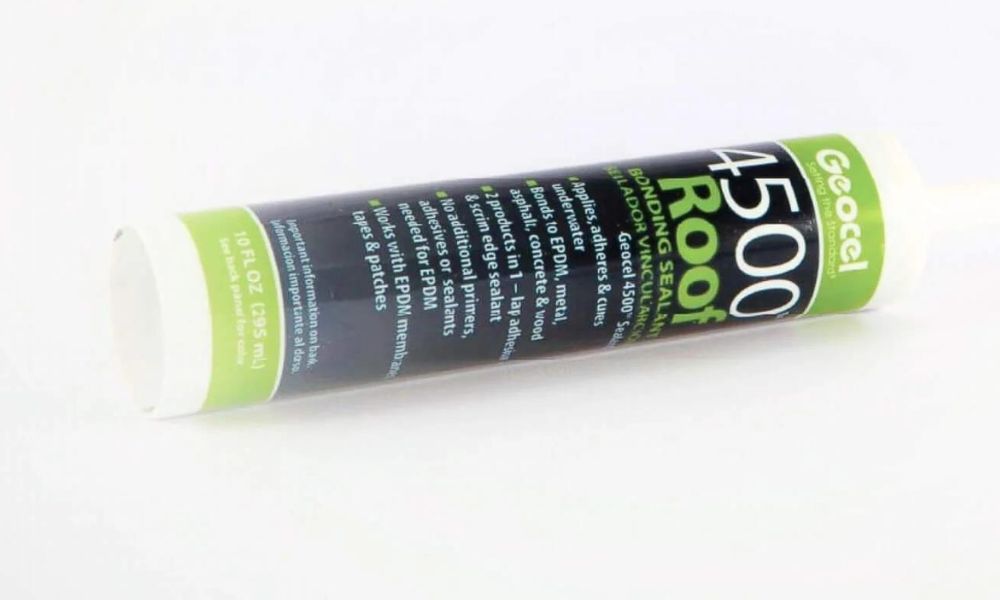
Some cements can be toxic to aquatic life, so check the label if using in a pond or aquarium.
Credit: www.festaradontech.com
Pvc Cement Vs. Other Underwater Adhesives
How does PVC cement compare to other underwater glues? Here’s a quick look:
| Adhesive Type | Best Use | Strength Underwater | Ease of Use | Price |
|---|---|---|---|---|
| PVC Cement | PVC pipes/fittings | Medium | Easy | Low |
| Epoxy Stick | Leaks, cracks (all materials) | High | Medium | Medium |
| Polyurethane Sealant | General sealing | Low | Easy | Low |
| Mechanical Clamp | Temporary fix, all materials | Medium | Easy | Medium |
Epoxy sticks are often the best choice for quick, strong underwater repairs on any material—not just PVC.
Two Non-obvious Insights Beginners Miss
- Water Chemistry Matters: Pool or saltwater can slow or even block curing. Chlorine and minerals may react with the cement, making the bond weaker. Always check if your cement is rated for pool or saltwater use.
- Surface Prep Is Key: Even underwater, spending extra time to scrub and roughen the surface of the PVC pipe makes a big difference. Most failed joints are due to poor prep, not just the glue.
Summary: Is Underwater Pvc Cement Curing Reliable?
To sum up, PVC cement can sometimes cure underwater, but the result is not as strong or reliable as a dry joint. Wet-dry cements work better, but are still best for temporary repairs. For high-pressure or critical systems, always make repairs dry if possible. For minor leaks or emergencies, underwater repairs can save the day, but keep an eye on them and plan for a permanent fix soon.
For more technical data, you can visit the Wikipedia page on polyvinyl chloride.
Frequently Asked Questions
Can I Use Regular Pvc Cement Underwater?
Regular PVC cement is not designed for underwater use. It may make a weak bond, but it’s not reliable. Always use a wet-dry or underwater-rated cement for the best results.
How Long Does Pvc Cement Take To Cure Underwater?
Underwater, PVC cement cures very slowly. The joint may feel firm after a few minutes, but real strength can take days or may never fully develop. Wait as long as possible before using the pipe, but understand the joint may always be weaker than a dry repair.
Is Wet-dry Pvc Cement Safe For Drinking Water Pipes?
Most wet-dry PVC cements are safe for potable water pipes once fully cured. Check the label for NSF or drinking water approval, and always follow cure time recommendations.
What Is The Strongest Underwater Repair Method For Pvc Pipes?
Epoxy putty or mechanical couplings usually give a stronger underwater bond than PVC cement. For a truly permanent fix, make the repair dry whenever possible.
Will Pvc Cement Work On Pipes With Flowing Water?
If water is moving through the pipe, it can wash away the cement before it sets. Try to stop or reduce flow during the repair. If you can’t, mechanical clamps or epoxy putty are better choices.
With these tips and insights, you’ll be better prepared to handle PVC pipe repairs underwater—making smart choices and avoiding common mistakes.