
Do you ever walk into your kitchen and notice a strange smell, but then it disappears as quickly as it came? Maybe you catch a whiff of something rotten, then the air clears up and you wonder if you imagined it. Kitchen odors that come and go are more common than you might think. They can be frustrating and even embarrassing, especially if guests are around. Understanding why these smells happen, how to trace the real source, and what you can do to prevent them can make your kitchen a much more pleasant place.
Many people struggle with kitchen odors that seem to vanish and return without warning. The problem isn’t just about bad smells. Persistent odors can signal hidden mold, plumbing leaks, or even pests. Ignoring them can lead to bigger issues later.
On the other hand, sometimes the culprit is harmless—like yesterday’s dinner or a forgotten piece of fruit. But how can you tell the difference, and what steps actually work to eliminate these mysterious kitchen smells for good? Let’s dive into the real causes, practical fixes, and expert tips to keep your kitchen fresh all day.
Why Kitchen Smells Come And Go
Kitchen odors rarely stay the same. Sometimes, you smell nothing in the morning, but by evening, a foul scent fills the air. This pattern can be confusing. The main reason is that kitchen smells often depend on several factors:
- Temperature and humidity: Smells get stronger with heat and moisture.
- Airflow: Odors build up when windows are closed or the fan isn’t running.
- Intermittent sources: Some smells only appear when you run water, cook, or open a cupboard.
For example, a blocked sink trap may only smell when the dishwasher drains, or a hidden piece of food under the fridge might smell worse on hot days. Understanding these triggers can help you catch the problem early.
Common Causes Of Intermittent Kitchen Odors
Not all kitchen smells are easy to find. Some come from obvious sources, while others hide in unexpected places. Here are the main causes of kitchen smells that come and go:
1. Food Waste And Spoilage
Forgotten food is a top reason for bad smells. A piece of onion skin behind the trash bin, a potato in the pantry, or a rotten lemon at the bottom of the fruit bowl can all produce strong odors.
Non-obvious insight: Even a small bit of food, like a few drops of spilled milk, can cause bad smells if it seeps into cracks or under appliances.
2. Garbage Disposal And Sink Drains
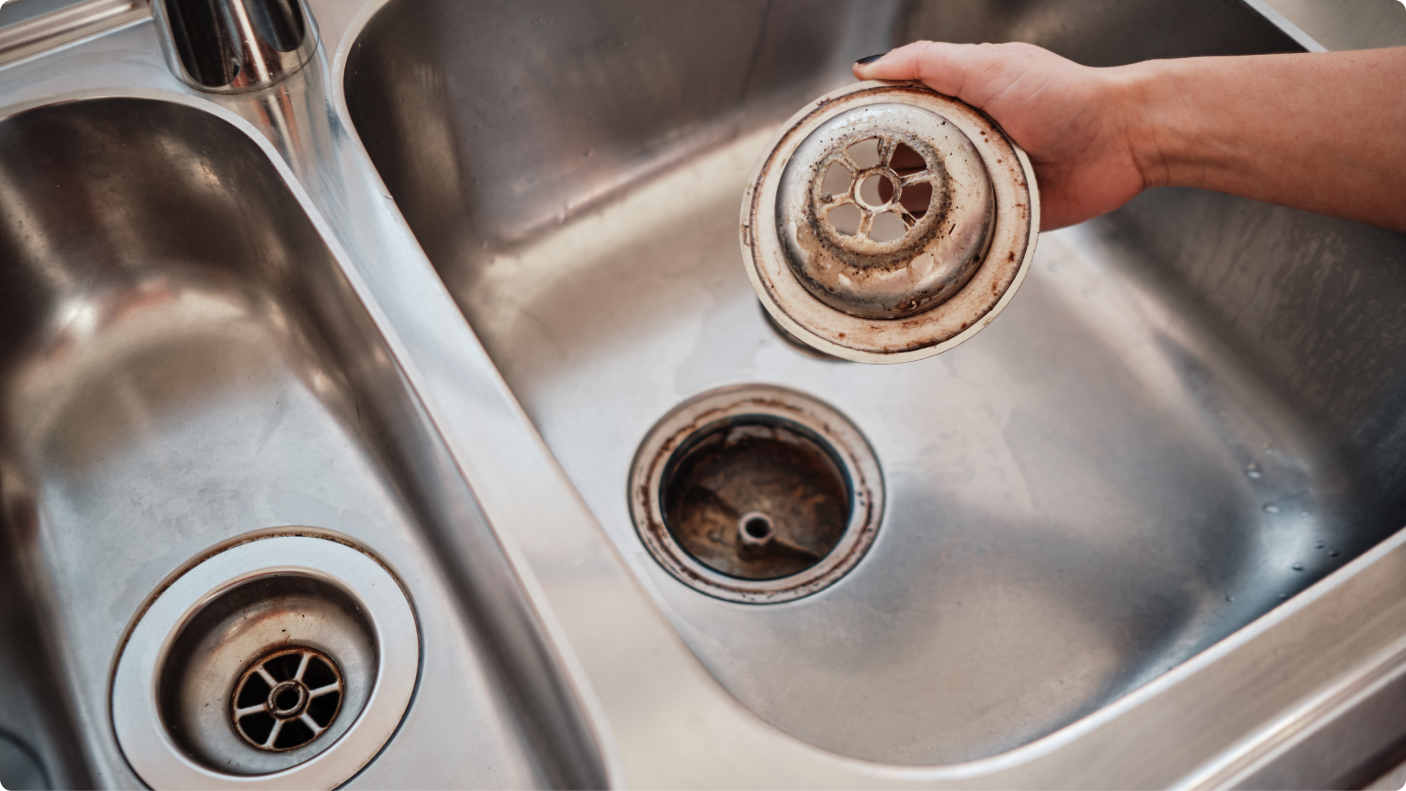
Kitchen drains and garbage disposals are magnets for odor. Food scraps, grease, and soap scum collect in the pipes, especially if you don’t run enough water after use. Sometimes, the smell is only noticeable after running the tap or dishwasher.
3. Hidden Mold And Mildew
Moisture behind walls, under sinks, or around windows creates the perfect spot for mold and mildew to grow. These fungi release musty smells that may come and go based on humidity or how recently you’ve used hot water.
Non-obvious insight: Sometimes the mold isn’t in the kitchen itself, but in the crawlspace or attic above, and the smell seeps through vents or cracks.
4. Plumbing Problems
Leaky pipes, blocked vents, or a dry P-trap can all let sewer gases into your kitchen. Often, the smell appears only at certain times—like after a bath, heavy rain, or when the dishwasher runs.
5. Cooking Residue
Cooking with strong spices, frying oil, or fish can leave odors in the air, on walls, and inside vents. These smells may fade, then return when you heat the kitchen or turn on the fan.
6. Garbage And Recycling Bins
Even if you empty your bins regularly, tiny spills or food particles can stick to the inside or under the lid. When the bin warms up, the smell gets stronger. If the lid is closed, the smell may disappear until you open it again.
7. Refrigerator Issues
A fridge can hide spoiled food, spills, or even mold inside the drip tray. Sometimes, the smell is trapped when the door is closed, but escapes when you open it or when the fridge cycles.
8. Pests And Dead Animals
Rodents, insects, or small animals can get trapped in kitchen walls or appliances. Their droppings, urine, or even their bodies after death can cause terrible odors that come and go as air currents shift.
9. Stale Air And Poor Ventilation
A kitchen without good airflow traps odors. When you open a window or turn on a fan, the smell may suddenly appear or vanish, making it hard to trace.
10. Cleaning Products And Chemicals
Some cleaning sprays or degreasers leave a lingering smell that mixes with food odors. The combination can be unpleasant and may seem to come and go as the chemicals break down.
How To Identify The Source Of Kitchen Odors
Finding the source of a kitchen odor that comes and goes can be tricky. Here’s a step-by-step method to track it down:
- Pinpoint the Time: Note when the smell appears. After cooking? When running water? Early morning? This helps narrow down causes.
- Check High-Risk Areas: Look under sinks, behind appliances, inside bins, and around windows for leaks, spills, or mold.
- Smell Test: Get close to suspect spots (e.g., drains, fridge, bin). Does the smell get stronger? If yes, you’re close.
- Isolate the Area: Close doors to other rooms and open windows in the kitchen. If the smell remains, it’s likely from inside the kitchen.
- Run Appliances: Turn on the dishwasher, garbage disposal, or exhaust fan one at a time. If the smell appears, the problem may be linked.
Practical tip: Sometimes, placing a bowl of white vinegar in different spots overnight helps. Vinegar absorbs smells and can show you where the odor is strongest in the morning.
Solutions For Kitchen Smells That Come And Go
Once you’ve found the likely source, use these solutions to tackle the problem for good:
Deep Clean All Surfaces
Wipe down counters, cupboards, and appliances with a mix of warm water and mild dish soap. Pay attention to cracks, handles, and hidden spots where crumbs collect. For stubborn stains, use a baking soda paste.
Clear Out The Refrigerator
Take everything out of your fridge. Throw away old or spoiled food. Clean shelves and drawers with a mix of water and vinegar. Don’t forget the drip tray at the bottom, which often holds smelly liquids.
Clean Sink Drains And Garbage Disposal
- Pour a half-cup of baking soda down the drain, followed by one cup of vinegar. Let it fizz for 10 minutes, then flush with hot water.
- For garbage disposals, grind ice cubes and lemon peels to clean blades and freshen the smell.
Disinfect Garbage And Recycling Bins
Wash bins with hot, soapy water. Rinse and let them dry completely. Sprinkle baking soda in the bottom to absorb future odors.
Check For Mold And Moisture
Inspect under sinks, behind fridges, and near windows for leaks or wet spots. If you find mold, clean small areas with a mix of water and bleach (1:10 ratio). For large patches, consider professional help.
Fix Plumbing Issues
If you suspect a plumbing problem (e. g. , sewer smell, slow drain), check for leaks and dry P-traps. Pour water into unused drains to refill traps, and call a plumber if the smell persists.
Improve Ventilation
Open windows when cooking, use exhaust fans, and consider installing a kitchen air purifier. Good airflow prevents smells from building up.
Set Traps For Pests
If you see signs of pests (droppings, chewed food), set traps and clean up all spills. If you suspect a dead animal in the wall, call a pest control expert.
Use Natural Deodorizers
Place bowls of baking soda, activated charcoal, or coffee grounds around the kitchen to absorb lingering smells. Simmering lemon peels or cinnamon in water for 30 minutes also helps refresh the air.
Regular Maintenance
Create a simple cleaning routine:
- Wipe counters daily.
- Clean the fridge weekly.
- Wash bins and mop floors monthly.
- Check for leaks every few months.
These habits stop smells before they start.
Quick Reference: Most Common Kitchen Odors And Solutions
The table below summarizes frequent kitchen odor sources and what usually fixes them.
| Odor Source | Typical Smell | Quick Solution |
|---|---|---|
| Rotten food | Sour, musty, strong | Check bins, fridge, under appliances |
| Drain/garbage disposal | Eggy, sewage-like | Baking soda & vinegar flush |
| Mold/mildew | Earthy, musty, damp | Find leaks, clean with bleach |
| Pests | Sharp, animal, decaying | Set traps, call pest control |
| Cooking residue | Oily, spicy, stale | Ventilate, wipe surfaces |
Preventing Future Kitchen Smells
The best way to stop kitchen smells from coming and going is to prevent them in the first place. Here’s how you can keep your kitchen fresh year-round:
Keep The Kitchen Dry
Most bad smells grow in wet places. Fix leaks quickly, wipe up spills, and use exhaust fans to reduce humidity.
Store Food Properly
Keep fruits and vegetables in the fridge or in breathable baskets. Use airtight containers for leftovers. Label and date food to avoid forgetting about it.
Regularly Empty And Clean Bins
Don’t wait until bins are full. Take out the trash and recycling often, and rinse bins weekly. Baking soda at the bottom absorbs smells.
Clean Appliances Inside And Out
Wipe down your oven, microwave, and toaster. Don’t forget the seals and trays, where food can hide. Clean the dishwasher filter monthly.
Run Water In All Drains
Even unused sinks or floor drains can dry out, letting sewer gas in. Pour a cup of water into all drains once a week.
Use Odor Absorbers
Keep a small box of baking soda in the fridge and one in the pantry. Replace every two months for best results.
Air Out The Kitchen
Open windows daily if weather allows. This keeps air fresh and prevents smells from building up.
Watch For Signs Of Pests
Seal cracks, keep food in containers, and sweep floors often to avoid attracting insects and rodents.
Choose The Right Cleaning Products
Some strong-smelling cleaners can make odors worse. Pick unscented or natural products, especially for surfaces where you prepare food.
Maintain Plumbing
Check under sinks for drips or standing water. If you smell sewage, act fast—a plumber can prevent bigger issues.
Credit: www.liquidplumr.com
Kitchen Odor Myths That Waste Your Time
When it comes to kitchen smells, not every trick you hear really works. Here are some common myths:
- Coffee grounds fix all smells: They can mask odors, but don’t remove the source.
- Fragrance sprays solve the problem: These only cover up the smell and may mix in unpleasant ways.
- Boiling vinegar gets rid of any odor: Vinegar helps, but only if you clean the source first.
- If you can’t see mold, it’s not there: Mold often hides in walls or under sinks.
Instead, always look for the root cause. Removing the source is the only way to end kitchen smells for good.
When To Call A Professional
Most kitchen odors can be fixed with simple cleaning and maintenance. But sometimes, the problem is deeper:
- You smell gas or chemicals (could signal a leak—leave the house and call for help).
- Persistent sewage smell (could be a broken pipe or vent).
- Large mold patches or water stains (may need mold removal experts).
- Signs of pests you can’t control (professional pest control is safer).
Don’t wait if you suspect a serious issue. Health and safety come first.
Data: How Common Are Kitchen Odors?
A recent survey found that:
- 68% of homeowners experience unwanted kitchen smells at least once a month.
- 42% say the odor source was hard to find.
- 33% only noticed the smell when guests pointed it out.
- The most common smells were from food waste, followed by mold and plumbing issues.
You’re not alone if you struggle with kitchen smells that come and go. Most people have the same issue at some point.
Comparison: Natural Vs. Chemical Odor Removers
Here’s a look at how natural and chemical kitchen odor solutions stack up.
| Remover Type | Effectiveness | Safety | Cost | Notes |
|---|---|---|---|---|
| Baking soda | High for most odors | Very safe | Low | Needs regular replacing |
| Activated charcoal | High | Safe | Medium | Works best in closed spaces |
| Chemical sprays | Medium (covers, not removes) | Can irritate lungs | Medium to high | May mix with kitchen smells |
| Vinegar | Good for most smells | Safe | Low | Strong scent at first |
| Enzyme cleaners | Very high (breaks down organic matter) | Safe if food-grade | High | Best for drains and tough smells |
Natural options are usually safest and cheapest for most kitchen odors. Chemical sprays may be helpful in some cases, but always read labels and use with care.

Credit: www.twilatv.org
What To Do If The Smell Comes Back
Sometimes, even after cleaning, the odor returns. Here’s what you should do:
- Check for missed spots: Look inside vents, under appliances, or behind the fridge.
- Repeat drain cleaning: Some smells need more than one treatment.
- Replace sponges and dishcloths: These often hold bacteria and odors.
- Consider an air purifier: Good for kitchens with poor ventilation or strong cooking smells.
- Ask for help: Sometimes a fresh nose (friend or neighbor) can help you find what you’re missing.
A smell that keeps coming back is a sign that the source isn’t fully gone, or that there’s a deeper issue.
How Kitchen Design Affects Odors
Believe it or not, the way your kitchen is designed can make odors better or worse. Open shelves collect dust and grease, while smooth cabinets are easier to clean. Kitchens with windows, good lighting, and powerful exhaust fans have fewer lingering smells.
If you plan to remodel, think about:
- Choosing non-porous countertop materials
- Installing a strong range hood over the stove
- Avoiding deep cracks or hard-to-clean areas
- Placing bins and compost away from heat sources
A well-designed kitchen not only looks good but also stays fresh with less effort.

Credit: twc-draincare.com
How Humidity And Weather Influence Kitchen Smells
Weather changes can make kitchen odors stronger or weaker. High humidity helps bacteria and mold grow, while hot weather speeds up food spoilage. In winter, closed windows trap smells inside.
- In summer, check for hidden spills or leaks, as they rot faster.
- In rainy seasons, dry all surfaces and watch for mold.
- In dry climates, refill P-traps to block sewer gases.
Adapting your cleaning and airing routine to the season makes a big difference.
Real-life Example: Solving A Mystery Kitchen Odor
A family noticed a bad smell in their kitchen every afternoon, but it disappeared at night. They cleaned the fridge, bins, and drains, but nothing worked. Finally, they pulled out the dishwasher and found old water pooled underneath. The leak was small, but warm afternoons caused the smell to rise.
Once they fixed the leak and cleaned the area, the odor disappeared for good.
Lesson: Sometimes, the source is hidden and only smells at certain times. Don’t be afraid to move appliances and check every corner.
Professional Tools For Odor Detection
If you’ve tried everything and still can’t find the source, professionals use special tools:
- Moisture meters to check for hidden leaks
- Borescope cameras to look inside walls
- Air quality sensors to detect mold or gas
These tools can quickly find problems that are invisible to the eye. For most homeowners, though, a careful nose and thorough cleaning are enough.
When Kitchen Smells Mean A Bigger Problem
A kitchen smell that comes and goes isn’t always just about comfort. Sometimes, it signals a health risk:
- Sewer gas can cause headaches or nausea.
- Mold spores trigger allergies and asthma.
- Decaying animals spread bacteria.
If you or your family feel unwell, or if the smell is chemical or rotten-egg-like (gas leak), get professional help right away.
Key Takeaways For A Fresh Kitchen
- Kitchen smells that come and go are common, but not normal. They always have a cause.
- The most frequent sources are food waste, drains, mold, and pests.
- Cleaning is important, but finding and fixing the real source matters most.
- Prevention—good storage, cleaning, and ventilation—stops most smells.
- If the odor is strong, persistent, or dangerous, call a professional.
Keeping your kitchen fresh isn’t just about comfort. It’s about health, safety, and peace of mind. With a little routine care and quick action when a smell appears, you can enjoy a kitchen that always smells as good as it looks.
For more on home odor solutions, see this EPA guide on household odors and mold.
Frequently Asked Questions
Why Does My Kitchen Only Smell Bad At Certain Times?
Kitchen odors often change with temperature, humidity, or airflow. For example, smells may be stronger after cooking, when running water, or on hot days. Some sources, like drains or hidden leaks, only release odors when disturbed.
How Do I Find A Kitchen Smell That Comes And Goes?
Start by noting when the smell appears. Check common spots—bins, fridge, drains, under appliances. If you can’t find it, try isolating the area by closing doors and opening windows. Sometimes, a bowl of vinegar can help pinpoint the strongest area.
Are Kitchen Smells Dangerous?
Most kitchen smells are just unpleasant, but some can be harmful. Sewer gas, mold, or chemical odors can cause health problems. If the smell is very strong, makes you feel sick, or smells like gas, seek professional help immediately.
What Is The Best Way To Prevent Kitchen Odors?
Keep your kitchen dry and clean. Store food well, empty bins often, clean drains and appliances regularly, and use good ventilation. Small habits, like wiping spills right away and checking for leaks, make a big difference.
Should I Use Air Fresheners To Mask Kitchen Smells?
Air fresheners can hide odors, but they don’t fix the problem. It’s better to find and remove the source. If you use sprays, choose unscented or natural options, and only as a temporary solution.
With these tips and a bit of regular care, you can solve the mystery of kitchen smells that come and go—and keep your home healthy and welcoming every day.