
Paint matching can feel like a science—and sometimes an art. When you need to touch up a wall, match a car’s bodywork, or restore a beloved piece of furniture, finding the right paint color is more important than most people think.
A mismatched color stands out and can even make a repair look worse than the original damage. But who actually matches paint the best? Is it a human expert with years of experience, a computer scanner, or maybe a high-end paint store?
This question matters for homeowners, auto enthusiasts, renovators, and anyone who cares about the look of their space or belongings.
Let’s dive into the world of paint matching. We’ll look at how different professionals and technologies approach the task, what makes some matches more accurate than others, and how you can get the best results for your own project. Along the way, you’ll discover insights that most beginners miss—and learn how to avoid common mistakes that lead to disappointing results.
The Science Behind Paint Matching
Paint matching is more complex than just looking at a color and guessing. Colors are made from combinations of pigments, and the surface, light, and even the age of the paint all affect how a color appears. Understanding these basics can help you see why some matches are spot-on, while others fall short.
Color matching starts with understanding the color spectrum. Most paints use three primary colors—red, yellow, and blue—or modern versions like magenta, cyan, and yellow. When these are mixed in different amounts, they create millions of possible shades. Paint manufacturers use color databases with formulas for thousands of colors, but small differences in ingredients, application, and light can change how a color looks in real life.
Metamerism is a phenomenon where two colors match under one light but look different under another. This is why a paint match may look perfect in the store, but off at home. Gloss level, surface texture, and even the age of the existing paint add more complexity.
Who Are The Main Players In Paint Matching?
When you want to match paint, you have several options. Let’s explore who does paint matching, and how their methods compare.
1. Professional Paint Stores
Many people start with their local or specialty paint store. These stores often have trained staff and advanced tools, like spectrophotometers, to analyze and mix colors.
How Paint Stores Match Paint
- Staff will usually ask for a sample (like a paint chip or even a piece of drywall).
- They scan the sample with a spectrophotometer, which “reads” the color and creates a formula.
- The store mixes a small batch, then compares it to your sample under different lights.
Advantages: Paint stores have access to large color databases and can often get very close to the original shade. Staff experience also helps—many can spot subtle differences and adjust formulas.
Limitations: Results depend on the sample’s condition (clean, flat, not faded) and the skill of the staff. Lighting in the store may not match your home, leading to surprises.
Real-world Example
If you bring a one-inch paint chip to a Sherwin-Williams or Benjamin Moore store, staff can often match it within 1–2 shades of the original. But if your wall has aged or faded, the new paint may look slightly fresher.
2. Hardware And Home Improvement Stores
Big chains like Home Depot, Lowe’s, or B&Q offer paint matching as a service. These stores use similar technology but may be less specialized.
Their Process
- Staff use a paint scanner or spectrophotometer.
- They mix the color using their in-house brands.
- You can usually get a small test sample to try at home.
Advantages: Fast and convenient. Good for standard paint colors and large projects.
Limitations: Staff may have less training. In busy stores, color adjustments may be skipped, leading to less accurate matches. Also, in-house paint quality can vary.
Practical Tip
Always test the matched color in your space before committing to gallons. Even a 99% match can look off on a big wall.
3. Automotive Paint Shops
Matching car paint is a different challenge. Automotive paint shops use their own color databases, and cars often have complex, multi-layer finishes.
The Process
- Shops reference the car’s paint code (found on a sticker in the car).
- If the code is missing or the paint is faded, they use a spectrophotometer.
- They spray test panels to check the match in daylight.
Advantages: Automotive shops are skilled at blending new paint into old, making repairs invisible. They handle metallics, pearls, and special finishes that regular stores can’t.
Limitations: Car paint fades from sun and weather, so matches sometimes need custom adjustments. Costs are higher due to the complexity.
Example
When repairing a 10-year-old car, a shop may start with the manufacturer’s code, but always fine-tunes the color to match how the original has aged.
4. Professional Color Consultants And Decorators
Some high-end projects use color consultants—experts who understand not only color theory but how colors change in real-world settings. They may mix paints by hand or direct professionals on-site.
Advantages: Best for historic restoration, museums, and art. Consultants consider lighting, surroundings, and even the “feel” of a space.
Limitations: Expensive and slow. Not practical for most home projects.
5. Mobile Paint Matching Apps And Devices
Smartphones can now scan colors using the camera, and small devices like the Nix Mini or Color Muse connect to an app to identify paint codes.
How They Work
- Place the device on the surface.
- The app scans and suggests the closest paint brand and code.
- Some apps let you compare brands or see how the color will look in your room.
Advantages: Portable, affordable, and easy for DIYers.
Limitations: Smartphone cameras aren’t always accurate, especially in poor light. Apps can only suggest existing colors, not custom blends.
Non-obvious Insight
Most apps rely on the most common brands, so they may not find a perfect match for rare or old colors.
6. Paint Manufacturers’ Official Services
Major paint companies offer color-matching services online or in-store. These may include mail-in samples or dedicated customer support.
Advantages: Access to the full range of formulas and best equipment. Good for matching discontinued or rare colors.
Limitations: May take longer, and sometimes requires a larger paint sample.
7. Independent Paint Contractors
Experienced painters often mix colors by hand, relying on years of experience. Some keep records of past jobs to help match old shades.
Advantages: Hands-on expertise, especially for small touch-ups or tricky surfaces.
Limitations: Results depend heavily on the contractor’s skill. It’s hard to guarantee exact matches without a formula.
Comparing Paint Matching Methods
To help you see the main differences, here’s a comparison of the top paint matching options:
| Method | Accuracy | Speed | Cost | Best For |
|---|---|---|---|---|
| Professional Paint Store | High | Medium | Medium | Home walls, interiors |
| Home Improvement Store | Medium | High | Low | Quick fixes, DIY |
| Automotive Shop | Very High | Medium | High | Cars, vehicles |
| Color Consultant | Very High | Low | Very High | Historic/art |
| Mobile App/Device | Low-Medium | Very High | Low | DIY, quick checks |
What Makes A Paint Match “the Best”?
Many people assume there’s a single “best” way to match paint, but the truth is, the answer depends on your project’s needs. Here are the key factors that separate a great match from a poor one.
1. Sample Quality
A clean, flat, and representative sample is essential. Painted surfaces often fade, stain, or accumulate dirt, all of which confuse scanners and the human eye. For the best results, cut a piece that shows the color in its true state, away from sunlight or moisture.
Beginner mistake: Using a sample from a sun-faded area. The new paint will look too dark or bright compared to the rest of the wall.
2. Technology And Tools
Modern spectrophotometers can read color very accurately, but their results still need human interpretation. The best matches come from a combination of technology and trained staff who can adjust the formula based on experience.
3. Lighting Conditions
Always check color matches under the same lighting as your space. Fluorescent, LED, and natural light all affect how a color appears. Some stores have “light boxes” to simulate different conditions.
Insight: Even a perfect formula can look wrong if the light is different. For example, warm white paint can look yellow in the evening but pure white in sunlight.
4. Paint Quality And Finish
Paints come in different finishes (matte, satin, gloss) and qualities. The same color in a flat finish may look different in gloss due to how it reflects light. Always match both color and finish.
5. Application Method
Brushing, rolling, or spraying can change the paint’s appearance. For the best match, use the same method as the original paint job.
6. Age And Condition Of Old Paint
Old paint often changes color over time. Professional matchers may “age” new paint by adding a tiny drop of a warmer tone or using a glaze. This subtle art is often missed by beginners.
7. Human Experience
No machine can fully replace a skilled eye. Experienced staff can spot when a formula is close but not perfect, and make small tweaks for a seamless finish.
Who Matches Paint The Best? Real-world Scenarios
Because paint matching depends on so many factors, the “best” can change depending on the situation. Here are some common scenarios and who is likely to give you the best match.
Homeowners Touching Up Interior Walls
For most people fixing a scratch or nail hole, a professional paint store is the best choice. Their staff, tools, and databases usually get you within 1–2 shades of the original. Bring a clean, flat sample and test the match at home before painting the whole wall.
Tip: If the wall is old or sun-faded, consider painting the entire wall or section instead of spot-patching.
Restoring Historic Buildings Or Art
A color consultant or restorer is the top choice. They use custom mixing, understand how colors change with age, and can recreate antique hues. This is slower and more expensive but gives the most authentic result.
Automotive Touch-ups
For cars, automotive paint shops are the clear winner. They can blend modern and vintage colors, handle complex finishes (like metallic or pearl), and make repairs invisible.
Diyers And Quick Jobs
If you need a fast, “good enough” match for a small area, home improvement stores or mobile paint devices are convenient. Just remember, these methods are less reliable for older or unusual colors.
Rental Properties Or Large Spaces
When speed matters more than perfection (like in rental units), home improvement stores offer bulk mixing and decent accuracy. For the best results, repaint an entire wall or room.
Common Paint Matching Mistakes And How To Avoid Them
Even with the best tools, mistakes can happen. Here’s what to watch for:
- Small or dirty samples: Always provide a clean sample at least the size of a quarter.
- Ignoring finish: Glossy and matte paints look different, even in the same color.
- Skipping lighting checks: Always view a test patch under your room’s lighting.
- Not blending edges: For small repairs, “feather” the new paint into the old for a seamless look.
- Expecting perfect matches for old paint: If your paint is over five years old, even the best match may stand out. Sometimes repainting a whole wall is best.
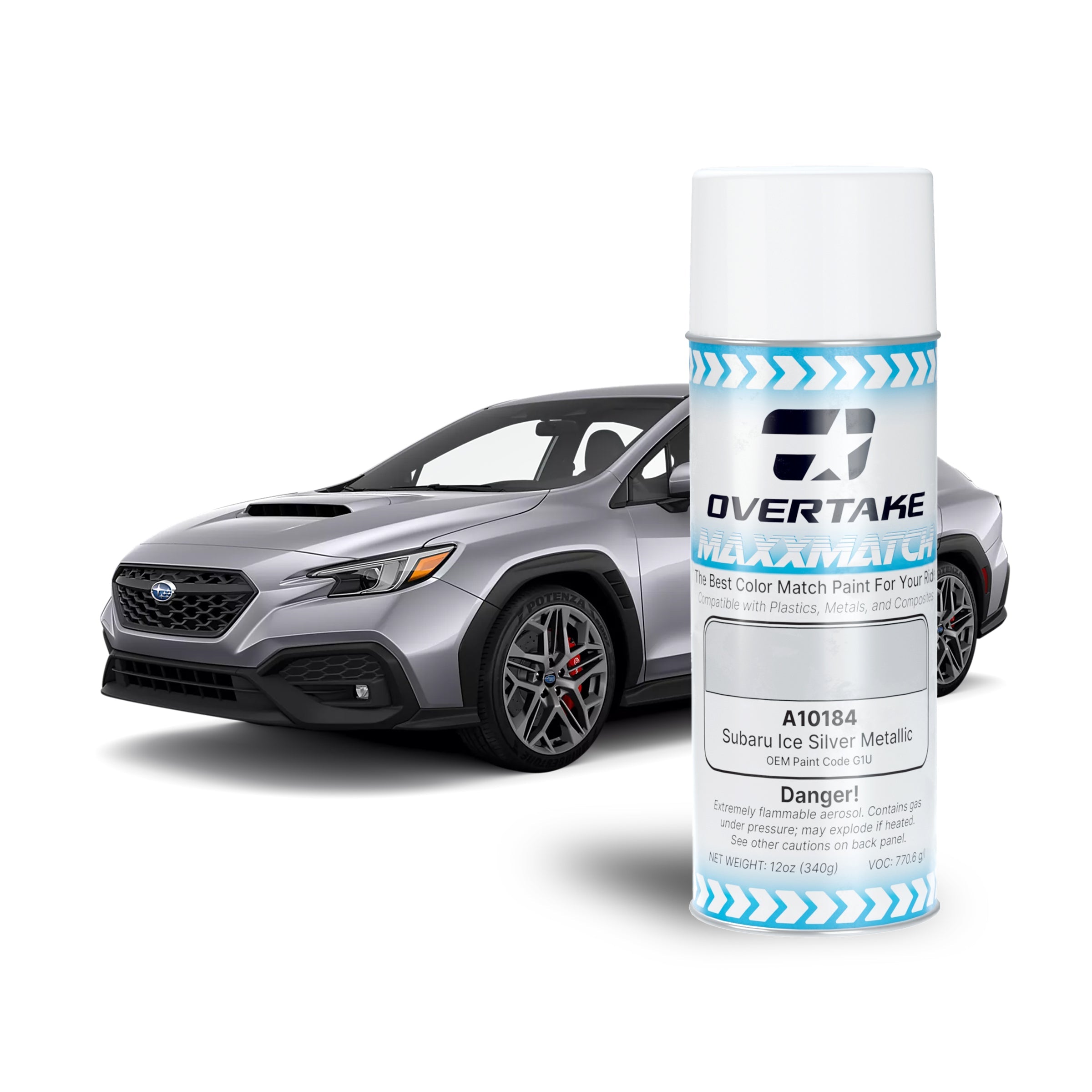
Credit: subiesupplyco.ca
Advanced Paint Matching: When Perfection Matters
Some industries require paint matches that are truly flawless. Here’s how the best in the business achieve it.
Museums And Art Restoration
Restorers use custom-mixed pigments and test matches under special lights. They study old paint formulas and sometimes use historic materials. Their work is slow and expensive but ensures the original look is preserved.
High-end Automotive Restoration
Shops use multi-layer techniques, adding tints and clear coats in thin layers. They check matches in sunlight and shade to ensure the car looks perfect from every angle.
Luxury Home Design
Top designers may commission custom paint batches, blending several colors to achieve a unique shade. They test samples on-site and adjust for furniture, flooring, and light.
The Human Factor In Paint Matching
Even as technology improves, the human eye remains a crucial part of paint matching. Some colors simply can’t be captured by machines—especially in complex finishes or aged surfaces.
Non-obvious insight: Experienced matchers often use a “secret recipe” of tiny color tweaks (like adding a drop of black or red) to get a perfect result. They know that formulas are a starting point, not the final answer.

Credit: www.myperfectcolor.com
Diy Paint Matching: Can You Do It At Home?
If you want to try matching paint yourself, here are some steps to improve your chances:
- Get the largest, cleanest sample possible. At least the size of a coin.
- Use a paint matching device. These are more accurate than the human eye but not perfect.
- Compare samples in your actual lighting. Paint a test area and check at different times of day.
- Be patient. Small adjustments (like adding a drop of a different color) can help, but always mix thoroughly and test before applying.
- Know when to call a pro. If the match really matters, professional help is often worth it.
Paint Matching In Numbers: How Accurate Are The Methods?
Studies show that professional paint stores and automotive shops achieve matches within 2–5% of the original color in most cases. Mobile apps and big-box stores are less precise, with errors of up to 10–15%, especially under unusual lighting.
Here’s a summary:
| Method | Average Accuracy | Best Use Case |
|---|---|---|
| Paint Store | 95–98% | Interiors, walls |
| Automotive Shop | 97–99% | Cars, complex finishes |
| Home Improvement Store | 85–90% | DIY, speed |
| Mobile Devices | 80–90% | Quick checks |
The Role Of Paint Brands And Quality
Not all paint brands use the same pigments or formulas. Even with a perfect match, switching brands can result in subtle differences. For the closest match:
- Use the same brand and line as the original paint, if possible.
- Match both color code and finish.
- When in doubt, ask for a sample pot and test before buying more.
Pro tip: Some brands offer “touch-up” kits for their most popular colors. These are pre-mixed to blend with common wall ages.
Future Trends: Ai And Digital Paint Matching
New technology is making paint matching even more precise. AI-powered scanners can now analyze a surface and recommend color adjustments in real time. Some companies let you upload a photo and receive a matched sample by mail.
Expert insight: While these tools are improving, they still rely on quality samples and good lighting. The human eye remains the final judge.
For more technical details, you can read about color science and paint technology on Wikipedia’s Color Matching page.
How To Choose The Best Paint Matching Option For You
To get the best result, ask yourself:
- How important is a perfect match? For a single wall, slight differences may not matter. For cars or historic sites, perfection is key.
- What is your budget and timeline? High-accuracy matches cost more and take longer.
- Can you provide a good sample? The better your sample, the better the match.
- Do you need to match finish and texture? For touch-ups, this is just as important as color.
By considering these factors, you can pick the service or method that matches paint the best for your specific situation.
Frequently Asked Questions
What Is A Spectrophotometer, And Why Does It Matter For Paint Matching?
A spectrophotometer is a tool that measures the color of a sample by analyzing how it reflects or absorbs light. This device helps paint stores and auto shops create a formula that closely matches your original color, improving accuracy compared to just using the human eye.
Can I Use My Phone To Match Paint Colors Accurately?
Smartphone apps and devices are getting better, but they still have limits. Lighting, camera quality, and the app’s database can affect results. For best accuracy, use a dedicated color matching device and always test the color in your space before committing.
Why Does My New Paint Look Different After Drying?
Paint often dries slightly darker or lighter than it looks when wet. Also, the finish (matte, satin, gloss) changes how light bounces off the surface, affecting the color’s appearance. Always let your test patch dry completely before deciding if the match is right.
Is It Possible To Match Old Or Faded Paint Exactly?
Matching old or faded paint is difficult, but professionals can get very close. Sometimes, they “age” new paint with glazes or tints. If an exact match is impossible, repainting the whole area is the most seamless solution.
How Can I Make A Small Paint Touch-up Less Noticeable?
Use a small brush, feather the edges of your repair, and match both the color and finish. Test the match in your room’s lighting, and don’t rush—patience leads to better blending.
Paint matching is part science, part skill. By knowing who matches paint the best and what makes for a great result, you can make smart choices for any project. Whether you trust a pro, use new technology, or take the DIY route, a little knowledge goes a long way toward a flawless finish.
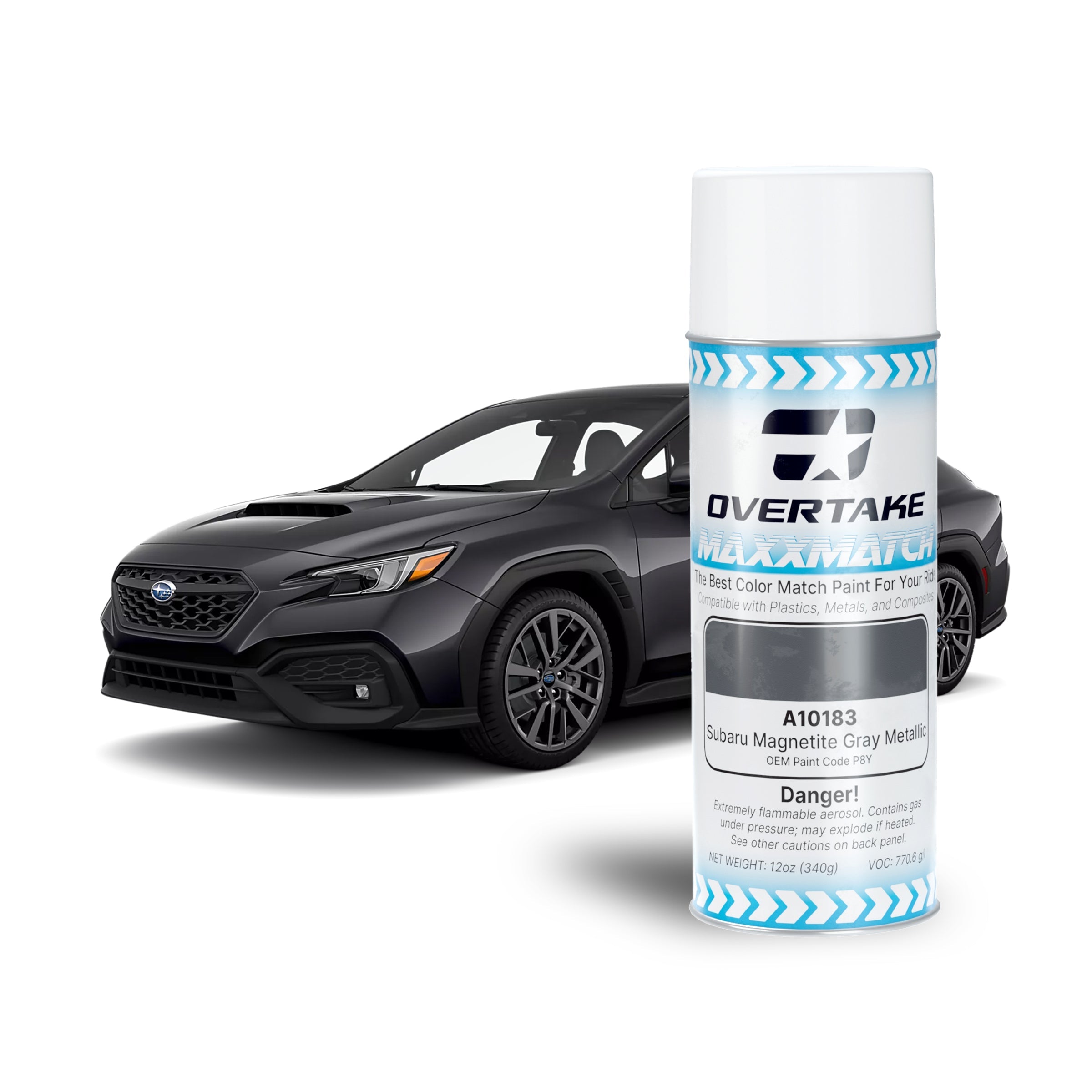
Credit: subiesupplyco.ca