
Preparing ground for a pool in your backyard is a big project. If you want a level pool, the base must be perfectly flat. Many people use a tiller for this job. But using a tiller to level ground for a pool is not as simple as running the machine over the grass. You need a plan, patience, and the right know-how to get a smooth, safe surface for your pool. This article will guide you step by step, helping you avoid mistakes that can cost you time, money, and maybe even your pool.
We’ll cover everything: choosing the right tiller, preparing the area, using the tiller, and finishing the ground so your pool sits evenly. You’ll also learn important tips most beginners miss, and see real-life examples to make each step clear. If you want to enjoy your pool for years, start with a level base—here’s how.
Why A Level Base Matters For Pools
Many people underestimate the importance of a level base. Uneven ground can cause water to push against one side of the pool. Over time, this pressure can damage the pool’s walls or liner. You might also see water spilling over one edge, making it hard to keep your pool full.
Even a small slope can cause big problems.
For above-ground pools, a level base is not just about looks. It’s about safety and making sure your pool lasts. When the weight of water is uneven, it’s easy for the pool frame to twist, bend, or even collapse. Repairing this damage is expensive. Often, you have to take the pool down and start over. That’s why leveling is the first and most important job.
Understanding Tillers: Types And Features
A tiller is a machine with rotating blades that dig into the soil. It breaks up hard ground, chops roots, and mixes in grass or weeds. There are several types of tillers, each with strengths and weaknesses.
| Tiller Type | Power Source | Best For | Common Width |
|---|---|---|---|
| Front-Tine Tiller | Gas/Electric | Small/Medium Areas | 12-18 inches |
| Rear-Tine Tiller | Gas | Large, Hard Soil | 16-24 inches |
| Mini/Cultivator | Electric/Battery | Soft, Small Patches | 6-12 inches |
Front-tine tillers are lighter and easier to handle, but they may struggle with very tough soil. Rear-tine tillers are heavier and more powerful. They dig deeper and are better for large or rocky areas. Mini tillers are good for soft soil but are too weak for most pool projects.
Key Features To Consider
- Tilling depth: Deeper tilling (6-8 inches) is best for leveling pool bases.
- Tilling width: Wider tillers cover more ground but may be harder to control.
- Adjustable handles: Make it easier to use on uneven or sloped areas.
- Counter-rotating tines: These help break hard soil more efficiently.
Choosing the right tiller depends on your yard size, soil type, and how much effort you want to spend.
Planning Your Pool Area
Before you start tilling, planning is essential. Many people rush this part, but good planning saves hours later.
Measuring And Marking
- Choose the pool location. Look for a flat, open space away from trees and underground utilities.
- Measure the pool size. Add 2-3 feet around the pool for safe access.
- Mark the area. Use stakes and string or spray paint to outline the pool and work zone.
Checking For Level
Don’t trust your eyes. Even small slopes are hard to see.
- Use a long carpenter’s level and a straight 2×4 board.
- Place the board on the ground inside your marked area. Move it around, checking for high or low spots.
- Mark any uneven spots with flags or paint.
This is a step many skip, but it’s critical for a pool that sits perfectly flat.
Dealing With Obstacles
Look for roots, large rocks, buried pipes, or wires. Remove them before you start tilling. If you find a big root or pipe, you may need to shift your pool location.
Preparing The Ground: Step-by-step
Good preparation makes tilling easier and gives better results.
1. Remove Grass And Plants
Cut the grass as short as possible. Use a flat shovel or sod cutter to remove the top layer of grass and weeds. This prevents roots from regrowing and keeps your pool base smooth.
2. Water Dry Soil
If your soil is hard and dry, water it a day before tilling. Moist soil is easier to break up and less dusty. But avoid overwatering—mud is tough for tillers.
3. Collect Tools And Safety Gear
You’ll need:
- The right tiller (see above)
- Work gloves, boots, and eye protection
- A shovel and rake for hand work
- A wheelbarrow for moving soil
Set everything out so you’re not hunting for tools later.
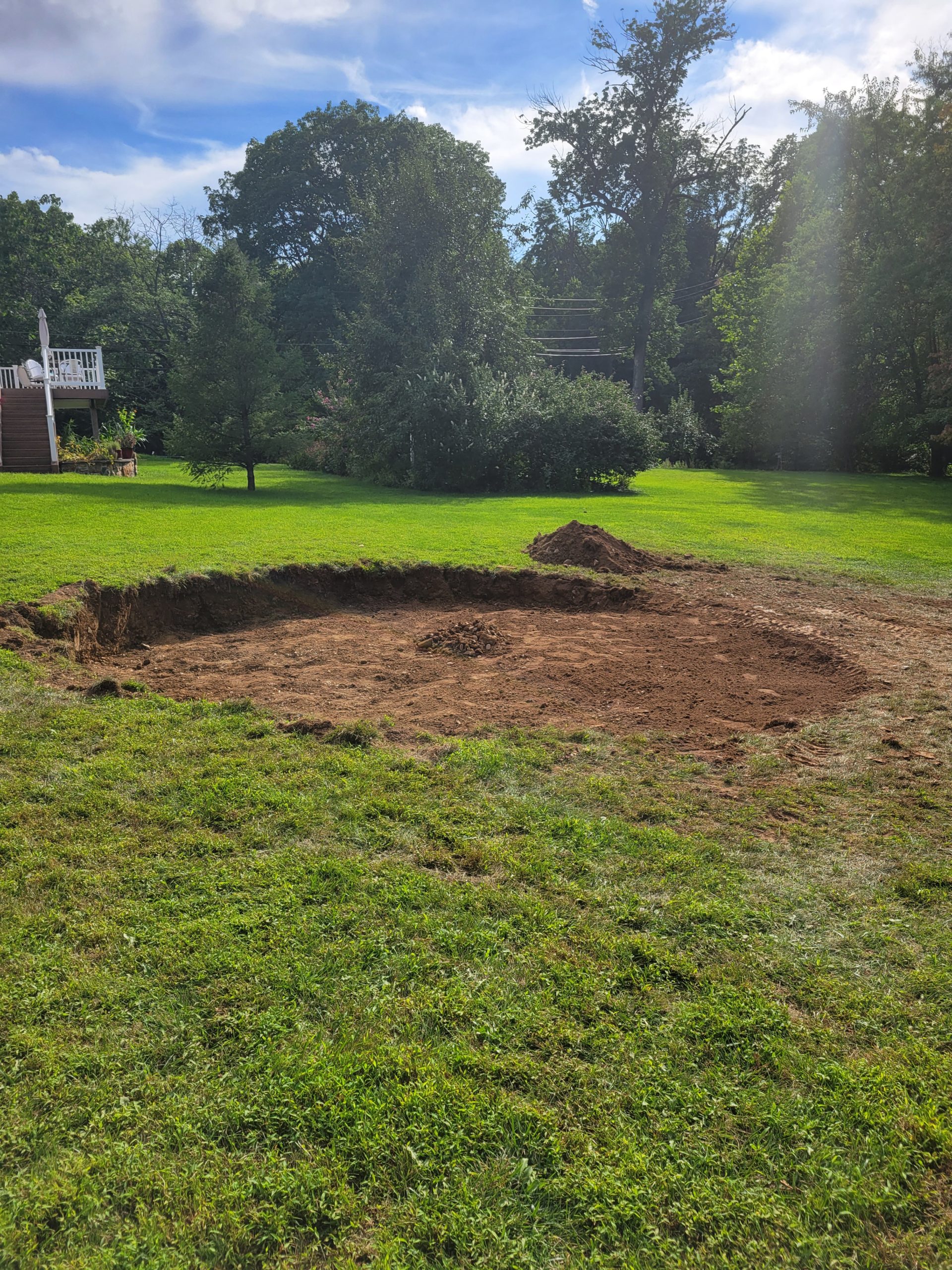
Credit: peonyst.com
Using A Tiller To Level Ground
Tilling is the heart of the process. Here’s how to use your tiller safely and effectively.
Starting The Tiller
- Read the manual to understand controls and safety.
- Check fuel or charge batteries if needed.
- Adjust the tilling depth to 6-8 inches for pools.
First Pass: Breaking Up Soil
Start at one edge of your marked area. Walk the tiller in straight lines, slightly overlapping each pass. Move slowly—let the machine do the work. Don’t force it.
Pro tip: If the tiller jumps or bounces, the soil is too hard. Go over that spot again at a shallow depth, then deeper on the next pass.
Removing Debris
As you till, stop to remove rocks, roots, or large clumps. These can damage your pool liner if left in the base.
Second Pass: Cross-tilling
After the first pass, till the area again at a right angle. This helps break up any missed hard spots and mixes soil evenly.
Checking For Level
After tilling, use your board and level again. Drag the board over the ground to find high or low spots. You want the entire area as flat as possible.
Filling Low Spots
Shovel soil from high spots into low spots. Rake it smooth, then go over the area with the tiller at a shallow setting to mix and blend the soil.
Packing The Soil
Loose soil will settle under the pool, creating dips. Use a heavy roller (you can rent one) or walk over the area to pack the soil. Add more soil to low spots as needed, then pack again.
Final Level Check
Repeat the level check with your board. Take your time. This is the last chance to fix problems before you set up the pool.
Common Mistakes And How To Avoid Them
Even experienced people make mistakes that lead to uneven pools.
- Skipping the Level Check: Trust your tools, not your eyes.
- Not Removing Grass/Roots: These can break down and cause sinking.
- Tilling Too Shallow: Pool bases need at least 6 inches of loose soil.
- Not Packing Soil: Loose soil settles, making dips.
- Ignoring Drainage: Slopes can cause water to collect under the pool, leading to rust or liner damage.
If you avoid these errors, your pool will be safer and last much longer.
Adding A Base Layer: Sand Vs. Other Materials
Many pool owners add a base layer between the soil and the pool. This gives extra cushioning and helps with leveling.
Sand
Sand is the most common choice. It’s easy to spread and pack. Use masonry or play sand—not construction sand, which may have sharp pieces.
- Spread a 2-3 inch layer over the tilled soil.
- Use a rake to level it.
- Pack it with a roller or tamper.
Crushed Stone
Some people prefer crushed stone (like limestone screenings). It packs very hard and drains water well, but it’s less comfortable under a pool.
Foam Pads
Foam pads are a new option. They are easy to install and very comfortable, but more expensive.
| Material | Cost | Comfort | Drainage |
|---|---|---|---|
| Sand | Low | Medium | Good |
| Crushed Stone | Medium | Low | Excellent |
| Foam Pad | High | High | Poor |
Non-obvious insight: If your yard has drainage problems, crushed stone is a better choice than sand. It keeps water away from the pool base.
Step-by-step Guide: Leveling Ground For A Pool With A Tiller
Let’s put everything together into a full process. This checklist makes sure you don’t miss a step.
- Choose and mark the pool area.
- Remove grass, weeds, and debris.
- Check for level and mark high/low spots.
- Water the soil lightly if very dry.
- Set tiller depth to 6-8 inches.
- Till the entire area in straight lines.
- Remove rocks, roots, and large clumps.
- Cross-till at a right angle for even mixing.
- Use a board and level to check flatness.
- Fill low spots with soil from high spots.
- Pack the soil with a roller or by walking.
- Check for level again. Repeat if needed.
- Spread 2-3 inches of sand or stone (optional).
- Rake smooth and pack again.
- Final level check before pool installation.
Tip: Spend extra time on steps 9 and 12. The more accurate your leveling, the fewer problems you’ll have later.
Safety Tips When Using A Tiller
A tiller is a powerful machine. Safety is critical, especially for beginners.
- Wear sturdy boots to protect your feet.
- Use gloves to prevent blisters.
- Wear eye protection against flying rocks or dirt.
- Keep children and pets away from the work area.
- Never adjust the tiller while it’s running.
- Take breaks—tilling is hard on your arms and back.
If you feel tired or lose control, stop and rest. Rushing leads to mistakes and injuries.
How Long Does It Take To Level Ground For A Pool?
Time depends on your yard size, soil type, and tools. Here are some general estimates:
- Small pool (12-15 ft): 1 day with 2 people
- Medium pool (18-21 ft): 1-2 days
- Large pool (24-30 ft): 2-3 days, maybe longer for rocky/hard soil
Most of the time goes into removing grass, checking for level, and packing soil—not just tilling.
Non-obvious insight: Don’t try to finish everything in one day. Let the soil settle overnight, then do a final check in the morning. This helps you catch low spots before putting up the pool.

Credit: www.youtube.com
What If My Yard Is Very Uneven?
If your yard has a big slope (more than 2-3 inches across the pool area), you have a few options:
- Excavate the high side: Remove soil until the area is level. This is hard work but safest for the pool.
- Build up the low side: Only do this with compacted gravel or stone—not just soil or sand, which can wash away.
- Hire a professional: For slopes over 6 inches, it’s often safer and faster to get help.
Never set up a pool on a slope. It’s dangerous, and most pool warranties won’t cover damage from uneven ground.
After Leveling: Preparing For Pool Installation
You’re almost ready for your pool. A few final steps will make everything smoother.
- Double-check for rocks or sharp objects. Walk the area, feeling for anything that could damage the liner.
- Install a ground cloth or tarp. This adds a layer of protection.
- Lay out all pool parts and instructions. Make sure you have everything before starting.
- Invite a helper. Pool setups are easier with two people.
Take your time with the first ring or frame layer. If this is level, the rest of the pool will follow.

Credit: www.youtube.com
Real-world Example: Leveling A 21-foot Pool
Let’s see how this works in practice. Sarah wanted a 21-foot above-ground pool. Her backyard sloped about 3 inches from one side to the other.
- She rented a rear-tine tiller and removed all the grass with a shovel.
- After tilling, she used a 10-foot 2×4 and level to check for dips.
- By moving soil from high to low spots, then packing and checking again, she leveled the area to less than ½ inch difference.
- She spread 2 inches of play sand, packed it, and checked for level once more.
- The pool went up smoothly. A year later, it’s still flat.
Lesson: The extra time spent checking and adjusting paid off. Sarah avoided common mistakes by not rushing and by using the right tools.
Maintenance Tips For A Level Pool Base
Even after installation, keep your pool base in top shape:
- Check for dips or soft spots each season. Add sand if needed.
- Watch for water pooling around the base after rain. Improve drainage if you see problems.
- Keep grass and weeds trimmed around the pool to prevent root damage.
- Inspect the liner for wear or punctures, especially after storms.
A well-leveled base makes maintenance easier and keeps your pool safe.
When To Rent Vs. Buy A Tiller
Should you rent or buy a tiller? It depends on your needs.
| Factor | Rent | Buy |
|---|---|---|
| Cost | Low (one-time) | High (investment) |
| Use frequency | One project | Many projects/year |
| Storage | Not needed | Must store machine |
| Maintenance | None | Owner’s responsibility |
If you only need a tiller for your pool, renting is cheaper and less hassle. If you garden often or have multiple projects, buying may make sense.
Troubleshooting: Fixing Problems After Leveling
Sometimes, issues appear after you set up the pool:
- Dips or soft spots: Drain the pool, lift the liner, and add more sand. Pack and level before refilling.
- Water pooling under the pool: Improve drainage around the base with gravel or a French drain.
- Grass growing through the liner: Remove the pool, kill weeds, and add a thicker sand base or ground cloth.
Early fixes are easier than waiting until a problem gets worse.
Environmental Considerations
Leveling and tilling change your yard. Be aware of the impact:
- Soil erosion: On slopes, add edging or barriers to keep soil in place.
- Water runoff: Make sure pool water drains away from your house.
- Wildlife: Tilling may disturb insects or small animals. Check the area before starting.
For more about yard safety and local rules, see EPA Greenacres.
Frequently Asked Questions
How Deep Should I Till The Ground For A Pool?
For most above-ground pools, till to a depth of 6-8 inches. This breaks up hard soil, removes roots, and makes leveling easier. If your soil is very rocky, you may need to go deeper to remove debris.
Can I Put A Pool Directly On Tilled Soil?
It’s possible, but not recommended. Add a 2-3 inch layer of sand or crushed stone over the tilled soil. This protects the pool liner and helps with leveling. Always use a ground cloth for extra protection.
What Size Tiller Do I Need For A Pool Project?
For pools up to 18 feet, a front-tine or medium rear-tine tiller is fine. For larger pools or hard soil, a heavy rear-tine tiller works best. The tiller should be at least 12-18 inches wide for efficiency.
How Do I Keep The Pool Base Level Long-term?
Pack the soil well during setup, check for dips each season, and keep water draining away from the pool. Add sand or gravel if you see settling. Avoid putting heavy objects on the pool edge, as this can cause sinking.
Is It Safe To Use A Tiller Near Utilities?
No. Always call local utility services to mark underground lines before tilling. Hitting a gas, water, or electric line is very dangerous and can be expensive to fix.
Setting up a pool is exciting, but the real fun starts with a safe, level base. Using a tiller correctly helps you enjoy your pool for many years. If you follow these steps, you’ll have a professional-quality result—without the cost.