
A strange, unpleasant smell in your home can be very frustrating, especially when you can’t find the source. If you’ve opened your kitchen, bathroom, or bedroom cabinets and noticed a strong urine odor, you are not alone. Many homeowners and renters deal with this problem, but it’s not always clear what causes it—or how to get rid of it for good. Ignoring the issue is not wise: lingering smells can signal deeper problems, like leaks, mold, or pest infestations, and may even affect your health. In this detailed guide, you’ll learn why your cabinet smells like urine, how to identify the source, and—most importantly—how to fix it effectively. You’ll also discover practical tips, expert insights, and some less obvious mistakes people often make when dealing with stubborn cabinet odors.
Common Reasons Why Cabinets Smell Like Urine
Several possible reasons could explain why a cabinet has a urine-like odor. Understanding these helps you choose the right solution.
1. Rodent Infestation
One of the most common reasons is a rodent problem. Mice and rats often seek shelter in cabinets, especially in the kitchen or bathroom. Their urine has a strong, ammonia-like scent that can linger for weeks or months.
2. Pet Accidents
If you have cats or dogs, sometimes they can have accidents near or inside cabinets. Cat urine is especially strong and hard to remove. Even small traces can smell powerful, especially in closed spaces.
3. Plumbing Leaks And Drainage Issues
Leaks under sinks can cause water to mix with dust, old food, or wood, producing a musty or urine-like smell. Broken or leaking drain pipes can also release gases that smell similar to urine.
4. Mold And Mildew
When cabinets get damp, mold and mildew can grow. Some types of mold produce odors that are very similar to urine, especially in dark, closed spaces with little airflow.
5. Chemical Cleaners And Residue
Certain cleaning products, when mixed with other chemicals or when they break down, can create a strange, urine-like odor. For example, some bleach-based products, or ammonia cleaners, may leave a lingering smell.
6. Aging Laminate Or Particle Board
Old cabinets made from particle board or laminate can break down over time, especially if they get wet. The chemicals used in these materials sometimes produce smells that are confused with urine.
7. Dead Animals Or Insects
If a small animal or a group of insects dies in or behind a cabinet, the decomposition process can create very strong, foul odors, sometimes described as “urine-like.”
8. Old Food Or Trash
Forgotten food, crumbs, or trash can rot and create unpleasant smells. Sometimes, the breakdown of organic material gives off a smell similar to urine, especially when combined with moisture.
9. Dirty Or Old Liners
Shelf liners, especially those made of fabric or foam, can absorb spills and odors over time. If they aren’t cleaned or replaced, they might develop a persistent urine-like scent.
10. Human Health Issues
In rare cases, urine smells can come from people with certain health conditions. For example, incontinence issues or medical waste stored in bathroom cabinets can add to the odor problem.
How To Identify The Source Of The Odor
Finding where the urine smell is coming from is the first—and most important—step. Here’s how you can do it systematically.
- Empty the Cabinet Completely: Take out everything—dishes, cleaners, food, towels, or personal items. This lets you check every surface.
- Smell Each Item: Sometimes, the odor is coming from a single item, like a dirty sponge, old cloth, or spilled cleaner.
- Inspect for Stains or Wet Spots: Use a flashlight to look for dark stains, wet wood, or white patches (which could be mold).
- Check for Droppings or Nests: Rodent droppings look like black rice grains. Shredded paper or fabric could be a nest.
- Look for Leaks or Water Damage: Feel the cabinet walls and floor for dampness. Check pipes and the area around them.
- Examine Shelf Liners: Lift up liners to see if they’re wet, stained, or have mold underneath.
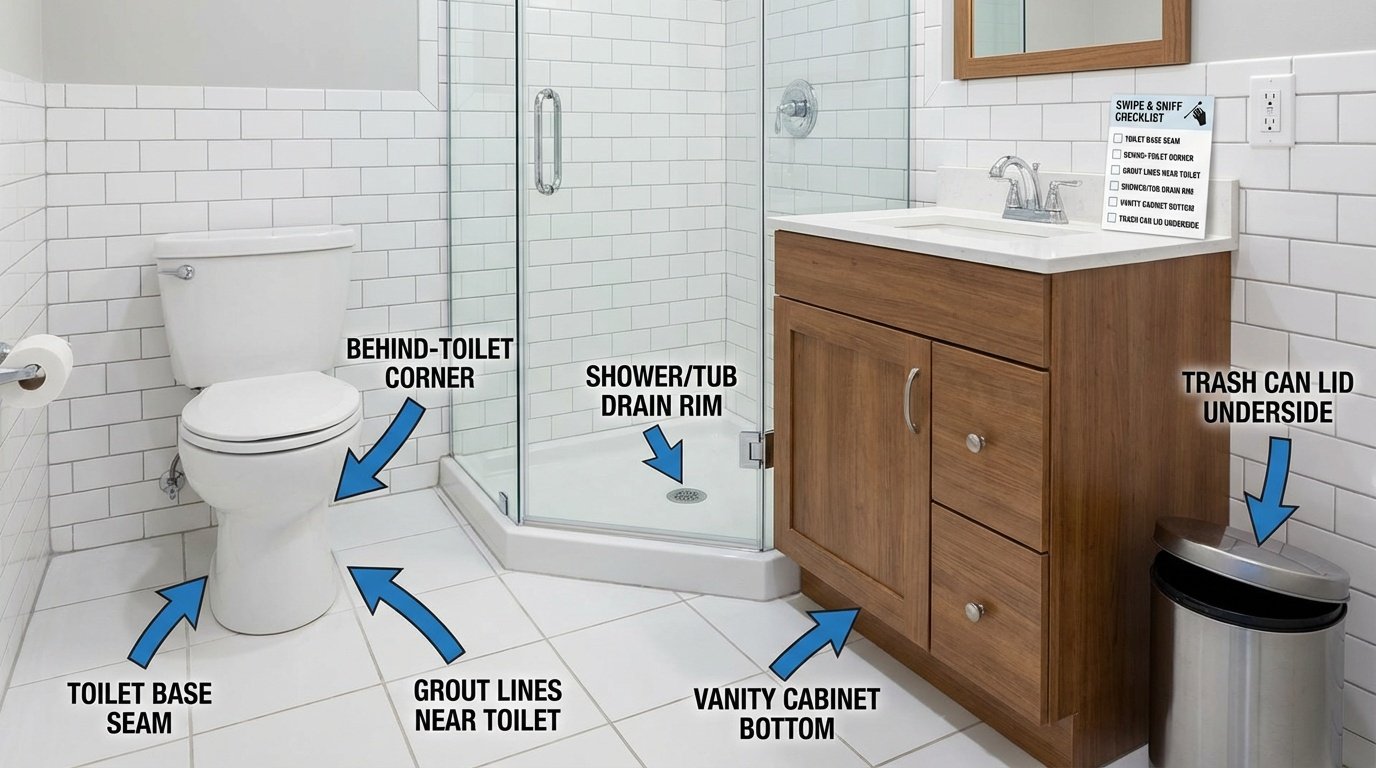
- Sniff Around the Edges: Sometimes, smells come from behind or beneath the cabinet. Smell carefully along seams and corners.
Non-obvious insight: Sometimes, the odor source is above or behind the cabinet, not inside. For example, a leak in the wall can drip down, making it seem like the cabinet is the problem.

Credit: www.amazon.com
Health Risks Of Ignoring The Problem
A persistent urine odor isn’t just unpleasant—it can also signal bigger issues and even affect your health.
- Allergic reactions: Mold and mildew can trigger allergies, asthma, and other breathing problems.
- Infection risk: Rodent urine and droppings can carry diseases, including hantavirus.
- Mental stress: Living with bad smells can make you feel anxious or embarrassed.
- Structural damage: Water leaks and rot can weaken cabinets, leading to expensive repairs.
Step-by-step Guide To Removing Urine Smell From Cabinets
Once you know the source, it’s time to remove the urine smell for good. Here’s a practical, step-by-step approach.
Step 1: Gather The Right Supplies
You’ll need:
- Rubber gloves
- Old rags or towels
- Baking soda
- White vinegar
- Enzyme cleaner (for pet or rodent urine)
- Mild dish soap
- Bucket of warm water
- Scrub brush or old toothbrush
Non-obvious insight: Enzyme cleaners break down urine at the molecular level. Regular soap only cleans the surface.
Step 2: Remove All Items And Throw Away Contaminated Stuff
Take out everything. Throw away anything with a strong smell that can’t be cleaned (like old liners or food).
Step 3: Clean Surfaces Thoroughly
- Mix warm water with a few drops of dish soap.
- Scrub all cabinet surfaces—walls, shelves, doors, hinges.
- For corners, use an old toothbrush.
Step 4: Treat The Smelly Area
- For pet or rodent urine, spray enzyme cleaner and let it sit for at least 10-15 minutes.
- For mold, spray white vinegar directly onto the spot. Leave for 30 minutes, then scrub.
- For general odors, sprinkle baking soda, let it sit overnight, then vacuum or wipe away.
Step 5: Dry Completely
Use a fan or hairdryer to dry the cabinet. Moisture leads to mold and repeat smells.
Step 6: Deodorize
Place an open box of baking soda or a bowl of activated charcoal inside the cabinet for a few days.
Step 7: Replace Liners And Return Items
Use washable, waterproof liners. Only return clean, dry items.
Step 8: Monitor For Recurrence
Check back after a week. If the smell returns, you may have missed the true source or there’s a deeper problem (like a leak).
How To Prevent Urine Smell From Returning
Prevention is easier—and cheaper—than dealing with recurring cabinet odors. Here’s what you can do:
1. Fix Leaks Fast
Check under sinks and around pipes every few months. If you see dampness or water stains, repair immediately.
2. Seal Gaps And Cracks
Mice and insects enter through small gaps. Seal holes with caulk or steel wool.
3. Clean Cabinets Regularly
Every few months, empty your cabinets and wipe down shelves. Don’t let crumbs or spills build up.
4. Use Moisture Absorbers
Products like silica gel or moisture-absorbing crystals help keep cabinets dry—especially in humid areas.
5. Store Food And Cleaners Properly
Use sealed containers for food and make sure cleaning supplies are tightly closed.
6. Replace Old Liners
Change shelf liners every year or sooner if they get wet or dirty.
7. Train Pets
If pets have access to cabinet areas, use deterrents or train them to avoid these spots.
Non-obvious insight: Even a small drip under a sink can lead to mold and odor problems, so regular checks are essential.
How To Tell The Difference: Urine Smell Vs. Other Odors
It’s easy to confuse urine smell with other common household odors. Here’s a comparison:
| Type of Odor | Common Causes | Main Clues |
|---|---|---|
| Urine-like (Ammonia) | Rodents, pets, old cleaning products | Sharp, pungent, gets stronger in closed spaces |
| Musty/Moldy | Mold, mildew, water damage | Earthy, damp, sometimes sour |
| Rotten | Food, trash, dead animals | Sour, decaying, sometimes sweet |
| Chemical | Cleaning agents, adhesives | Harsh, artificial, sometimes stings nose |
If you’re not sure, try to identify the pattern: Does the smell get worse after cleaning? Only after rain? This can give you clues.
What To Do If The Smell Won’t Go Away
Sometimes, even after a deep clean, the urine smell returns. Here are some advanced strategies:
1. Remove Cabinet Panels
If the smell is coming from inside or behind panels, you may need to remove them. Sometimes, urine or mold gets trapped in areas you can’t see.
2. Use A Blacklight
Urine glows under UV light. In a dark room, use a blacklight to spot hidden stains.
3. Call Pest Control
If you suspect a rodent problem, call a professional. DIY traps don’t always get to the root of the issue.
4. Replace Damaged Wood
Severely damaged particle board or laminate may need to be replaced. Odors can soak deep into these materials.
5. Hire A Mold Remediation Expert
If you see black or green mold and can’t remove it, hire a specialist. Some molds are dangerous to clean without protection.
Real-life Examples And Case Studies
Example 1: Kitchen Cabinet Mystery
A homeowner noticed a strong urine smell from under the kitchen sink. After removing cleaning products and trash, the odor stayed. Inspection revealed a slow leak from the drain pipe, and behind the cabinet wall, there was mouse nesting material. After fixing the pipe, sealing holes, and deep cleaning with enzyme cleaner, the smell disappeared.
Example 2: Bathroom Cabinet Surprise
A renter found a sharp odor in a bathroom cabinet. They thought it was from cleaning products, but a blacklight showed urine stains. The landlord discovered a mouse nest in the wall behind the cabinet. Professional pest removal and new paneling solved the problem.
Example 3: Pet Owner’s Problem
A cat owner noticed a recurring smell in a hallway cabinet. The culprit was a foam shelf liner that absorbed a past accident. The liner was replaced, the cabinet cleaned with enzyme spray, and the problem did not return.
Credit: wellzenx.com
Products That Really Work
Not all cleaning products are equal for urine odor removal. Here’s a comparison:
| Product Type | Best For | Notes |
|---|---|---|
| Enzyme Cleaner | Pet and rodent urine | Breaks down urine at molecular level; must let it soak in |
| Baking Soda | General odors | Safe, cheap, absorbs smells but does not kill bacteria |
| White Vinegar | Mold, mildew | Natural disinfectant, but strong scent at first |
| Activated Charcoal | Lingering smells | Absorbs odors, no residue, lasts for weeks |
Tip: Always test cleaners on a small spot first to avoid damage.
When To Call A Professional
Some situations need expert help:
- You find large amounts of mold or black stains that keep coming back.
- There is a severe rodent infestation.
- You see water damage spreading beyond the cabinet.
- All cleaning attempts fail and the smell is still strong.
Professionals have the tools and experience to solve problems you can’t reach.

Credit: www.reddit.com
How Urine Smell Affects Home Value
Persistent urine odors can make it hard to rent or sell your home. Buyers are turned off by bad smells, and inspectors often flag water damage, mold, or pest issues. Fixing the root cause not only makes your home more pleasant but also protects its value.
Statistic: According to the National Association of Realtors, odors can reduce a home’s value by up to 10%.
Myths And Mistakes People Make
Many people try “quick fixes” that only hide the problem or make it worse.
- Using air fresheners: These only cover up odors and often mix with them, creating an even stranger smell.
- Not checking for leaks: People often clean but don’t fix the water issue, so the smell returns.
- Skipping hidden areas: Smells can come from behind or under cabinets, not just inside.
- Using bleach on urine: Bleach can react with urine, making the smell stronger.
Cost Of Fixing Cabinet Urine Smells
Here’s a rough idea of what you might spend, depending on the solution:
| Solution | Estimated Cost (USD) |
|---|---|
| DIY cleaning (baking soda, vinegar) | $10 – $30 |
| Enzyme cleaner | $10 – $25 per bottle |
| Replace shelf liners | $10 – $40 |
| Minor plumbing repair | $50 – $200 |
| Pest control visit | $150 – $300 |
| Mold remediation | $500 – $2,000+ |
| Cabinet replacement | $200 – $1,000+ |
Insight: Many cases are solved with DIY cleaning for less than $30 if you act quickly.
Safe And Eco-friendly Solutions
If you want to avoid harsh chemicals, there are eco-friendly options:
- Use white vinegar, baking soda, and hot water.
- Try lemon juice for a fresh scent.
- Activated charcoal is non-toxic and safe around pets and kids.
- Avoid products with strong perfumes or unknown chemicals.
How To Keep Cabinets Fresh All Year
- Open cabinet doors for a few hours once a month to air them out.
- Keep a small dish of baking soda or charcoal inside.
- Wipe up spills immediately.
- Check for leaks after big storms or plumbing work.
Additional Resources
For more on household odor problems and their solutions, the U.S. Environmental Protection Agency offers detailed guides on mold and indoor air quality.
Frequently Asked Questions
What Causes A Urine Smell In Cabinets If I Don’t Have Pets?
Even without pets, rodents can leave urine in cabinets, or leaks can lead to mold that smells similar to urine. Sometimes, old cleaning products or decaying materials can also be the cause.
Can I Use Bleach To Remove Urine Smells From Cabinets?
It’s best to avoid bleach. Bleach can react with urine and make the smell worse. Use enzyme cleaners or vinegar instead for safer and more effective results.
How Do I Know If Mold Is Causing The Smell?
Mold often appears as black, green, or white patches. The smell is usually musty, but some molds can smell like urine. If you see spots or feel dampness, it’s likely mold.
Are Urine Smells In Cabinets Dangerous?
Yes, they can be. Rodent urine can carry disease, and mold can cause allergies or breathing problems. It’s important to find and fix the cause quickly.
How Long Does It Take To Remove The Urine Smell From Cabinets?
With the right cleaning, most urine odors can be removed in a few days. However, if the smell returns, you may need to check for deeper problems like leaks, mold, or pests.
A urine smell in your cabinet is more than just an annoyance—it’s a sign that something needs attention. By identifying the cause, cleaning thoroughly, and taking steps to prevent a return, you can keep your home fresh and healthy. If DIY efforts don’t work, don’t hesitate to call a professional.
Protecting your indoor air quality is always worth the effort.