
Swimming pools are a source of joy for families, especially during hot summer days. But owning a pool is not just about fun—it brings important safety decisions. One key question many homeowners face is whether to install a fence around the pool itself or to enclose the whole yard. Both choices offer benefits, risks, and costs. Making the right decision keeps your family safer, meets local laws, and influences the look and use of your outdoor space.
This guide dives deep into the pros and cons of both options. Whether you want to keep children and pets safe, follow rules, or boost home value, you’ll find practical advice here. We’ll compare the impact on privacy, cost, maintenance, and daily life.
You’ll also see real-world examples, learn about common mistakes, and get tips that most beginners overlook.
Why Fence Your Pool Or Yard?
Safety is the top reason for any pool barrier. Every year, thousands of children drown or suffer injuries in backyard pools. The U.S. Centers for Disease Control and Prevention reports that drowning is the leading cause of accidental death for children ages 1 to 4. A well-built fence can reduce the risk by up to 83%.
But safety isn’t the only factor. You might also need a fence to:
- Comply with local laws (most cities have strict pool fencing codes)
- Protect pets from falling in
- Keep out wildlife or trespassers
- Increase privacy
- Reduce insurance costs
- Improve property value
However, not all fences are the same. Fencing just the pool or enclosing the entire yard can make a big difference in how you use your outdoor space and how protected you really are.
Pool Fence: Key Features And Benefits
A pool fence is a barrier that surrounds only the swimming pool area. It usually sits a few feet from the water’s edge, creating a secure zone just for the pool.
Main Advantages
1. Enhanced Child Safety:
A dedicated pool fence creates a clear barrier between the water and the rest of the yard. Young children and pets can play freely elsewhere without risk.
2. Meets Most Legal Requirements:
Most cities and states require a fence around all residential pools. By fencing just the pool, you can meet these rules without enclosing your whole yard.
3. Lower Cost:
A pool fence is usually much shorter than a yard fence. This means less material and labor, making it more affordable for most families.
4. Easier to Supervise:
With a smaller area to monitor, you can keep an eye on the pool more easily. Self-closing and self-latching gates add extra security.
Types Of Pool Fences
Pool fences come in several styles and materials:
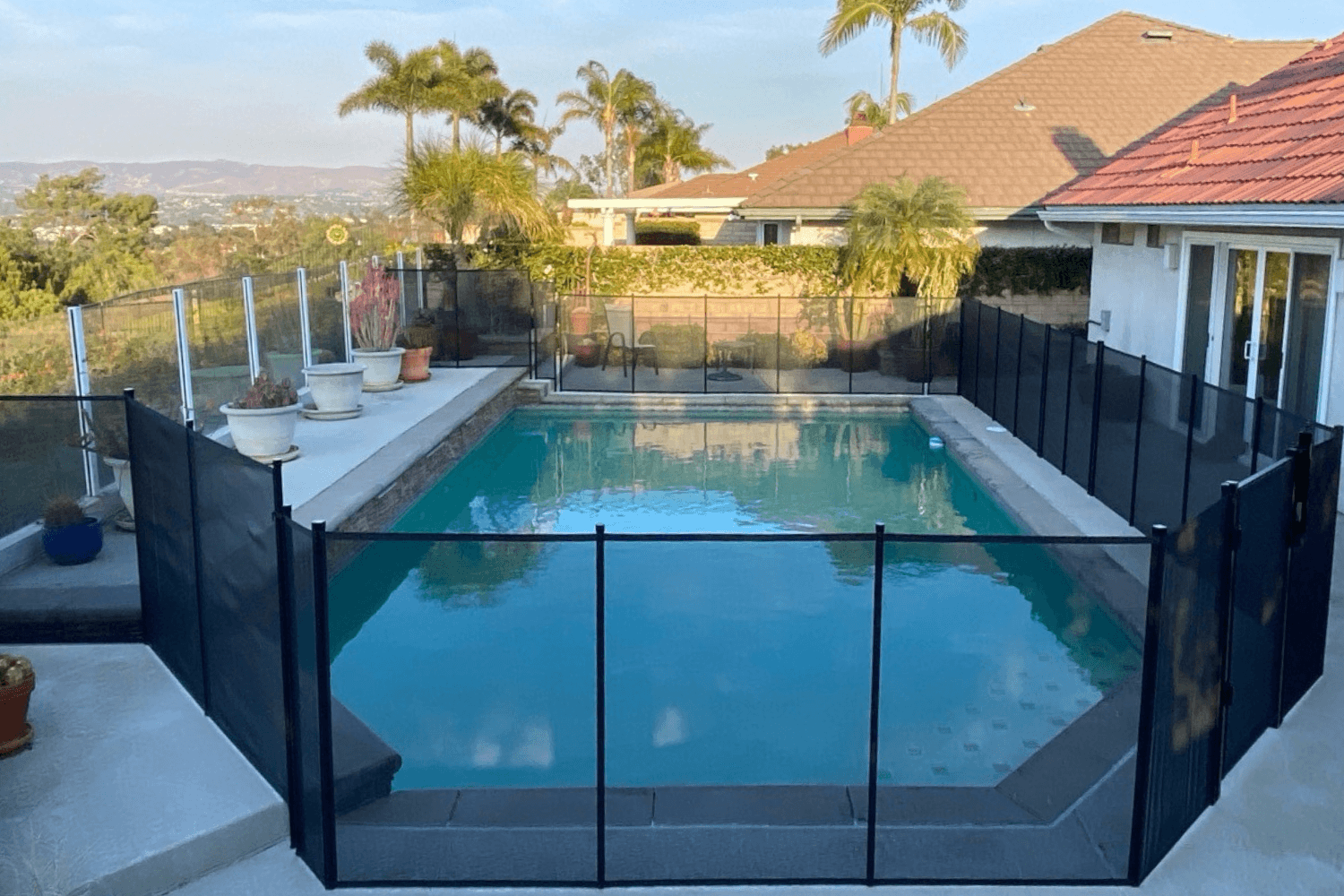
- Mesh: Lightweight, removable, and see-through. Popular for temporary or seasonal use.
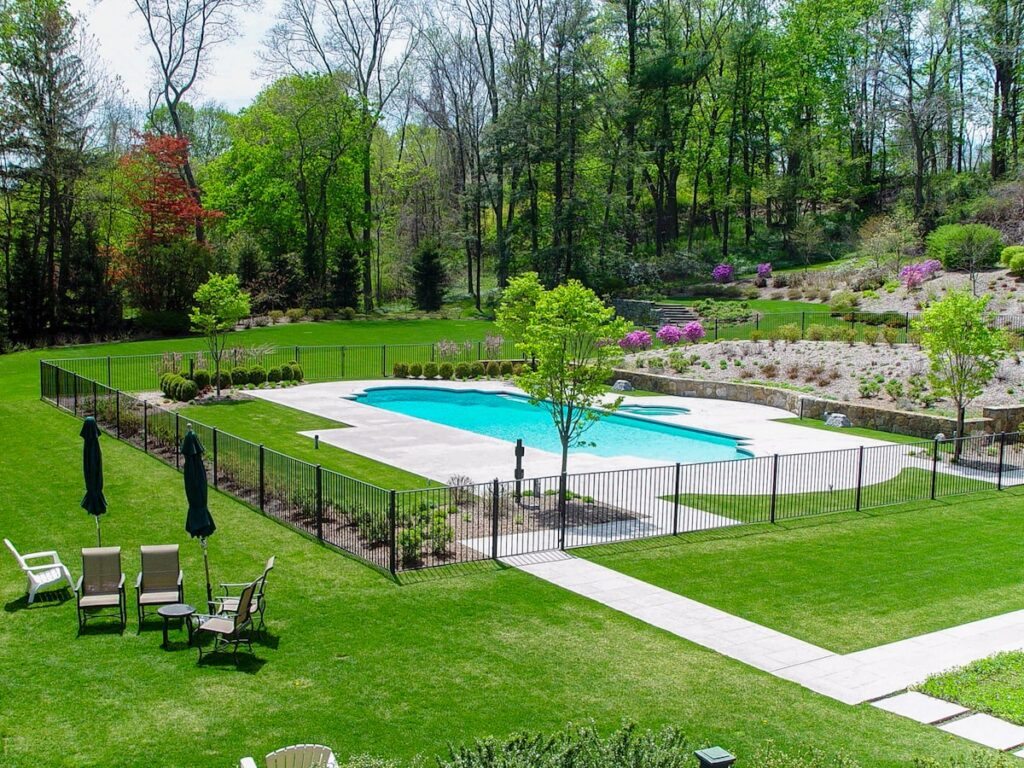
- Aluminum or Steel: Durable, rust-resistant, and low maintenance.
- Glass: Modern look, provides clear views, but higher cost.
- Wood or Vinyl: Offers privacy and can match your home’s style.
Example
Imagine a family with two small kids. They install a 4-foot tall mesh fence around their pool, with a self-latching gate. Now, their children can play in the backyard, but can’t reach the water unless an adult opens the gate.
Non-obvious Insight
Many homeowners forget to check how easy their fence is to climb. Horizontal rails, wide gaps, or nearby furniture can all make it less secure. Always choose a climb-resistant design.
Whole Yard Fence: What It Means
A whole yard fence surrounds your entire property, not just the pool. This is a common choice for pet owners, families with older kids, or anyone who wants more privacy.
Main Benefits
1. Total Perimeter Security:
A yard fence keeps children, pets, and property safe. You can let your dog outside without a leash, and kids have room to play far from traffic or strangers.
2. Increased Privacy:
Solid fences (like wood or vinyl) block the view from neighbors and passersby. This creates a private retreat for swimming, sunbathing, or relaxing.
3. Keeps Out Wildlife and Trespassers:
A full yard fence is a stronger deterrent for animals and people who shouldn’t be on your property.
4. Boosts Property Value:
A well-designed fence can make your home more attractive to buyers, especially if you live near busy roads or in crowded neighborhoods.
Types Of Yard Fences
- Wood: Classic look, strong privacy, but needs maintenance.
- Vinyl: Durable, low-maintenance, comes in many styles.
- Chain Link: Affordable and practical, but less private.
- Masonry or Stone: Maximum security and privacy, but highest cost.
Example
A family with a large dog installs a 6-foot wood fence around their yard. The fence keeps the dog in, blocks street noise, and adds a sense of safety when children play outside.
Non-obvious Insight
Many people don’t realize that a yard fence often does not meet pool safety codes by itself. Gaps under gates, climbable surfaces, or gates that don’t self-latch can still allow kids access to the pool. Always check local rules before relying on a yard fence alone.
Comparing Pool Fence Vs. Whole Yard Fence
To make a smart choice, you need to look at several factors: safety, cost, rules, privacy, and daily life. Here’s a side-by-side look.
| Factor | Pool Fence | Whole Yard Fence |
|---|---|---|
| Safety for Kids | High (direct barrier to pool) | Medium (kids may still reach pool) |
| Pet Security | Protects pool only | Protects entire yard |
| Cost | Lower (smaller area) | Higher (larger area) |
| Privacy | Little to none | High (with solid fences) |
| Legal Compliance | Usually meets pool codes | May need pool-specific upgrades |
| Appearance | Can look “caged” | Blends with property boundary |
| Maintenance | Small area, less work | Larger area, more upkeep |
Local Laws And Insurance: What You Must Know
One of the biggest mistakes homeowners make is ignoring local pool fence laws. Most places in the U.S., Canada, Australia, and Europe have strict codes for residential pools. These laws often require:
- Minimum fence height (usually 4 feet or 1.2 meters)
- Self-closing, self-latching gates
- No gaps wider than 4 inches (10 cm)
- Fence must completely surround the pool
Some cities allow a whole yard fence if it meets all pool rules. Others require a separate barrier just for the pool.
Check with your city or county before building. You may need a permit, and your insurance company might refuse coverage if your fence is not up to code. Failing to comply can also lead to fines or lawsuits if an accident occurs.
Real-world Example
In Phoenix, Arizona, a whole yard fence is legal—if it meets the pool code. But in Los Angeles, California, you must have a separate barrier around the pool, even if your yard is fenced.
Cost Breakdown: Pool Fence Vs. Whole Yard Fence
Cost is a major factor for most families. Here’s what you need to know.
Pool Fence Cost
- Mesh: $15–$30 per linear foot installed
- Aluminum or Steel: $20–$50 per linear foot
- Glass: $80–$150 per linear foot
- Wood or Vinyl: $25–$60 per linear foot
A typical pool (15×30 feet) needs about 90 feet of fencing. That’s $1,350 to $13,500 depending on material.
Whole Yard Fence Cost
- Wood: $20–$60 per linear foot
- Vinyl: $25–$70 per linear foot
- Chain Link: $10–$25 per linear foot
- Masonry: $60–$150 per linear foot
A standard yard (100×80 feet) needs about 360 feet of fencing. That’s $3,600 to $54,000.
Detailed Cost Comparison
| Fence Type | Material | Typical Cost (Total) | Coverage |
|---|---|---|---|
| Pool Fence | Mesh | $1,500–$2,700 | Pool only |
| Pool Fence | Glass | $7,200–$13,500 | Pool only |
| Whole Yard | Wood | $7,200–$21,600 | Entire yard |
| Whole Yard | Chain Link | $3,600–$9,000 | Entire yard |
Pro Tip:
Many people forget to include the cost of gates, permits, or removing old fences. Always add 10–20% extra to your budget for hidden costs.
Privacy And Aesthetics
Your choice affects how your yard looks and feels.
Pool Fence
- Mesh or glass fences are see-through, so they do not block views.
- Can feel “caged” if the pool is the main feature in your yard.
- Less privacy when swimming, especially with neighbors close by.
Whole Yard Fence
- Offers maximum privacy if you choose solid wood, vinyl, or stone.
- Can block noise and wind.
- May make the yard feel smaller if the fence is tall and close.
Visual Examples
Imagine a backyard with a clear glass pool fence—the water sparkles, and the rest of the garden is open. Now picture the same yard with a 6-foot wood fence at the property line—no one can see in, but you lose some views.
Maintenance Needs
Fence upkeep depends on the material and how much fence you have.
- Pool fence: Smaller area, so repairs, cleaning, and painting take less time and money.
- Yard fence: More surface area means higher maintenance, especially with wood (painting, sealing), or chain link (rust).
Key Insight:
Leaves, grass clippings, and debris can build up faster around a pool fence, since it’s near water and landscaping. Plan for extra cleaning during pool season.
Everyday Use And Convenience
Think about how you’ll use your outdoor space. A pool fence can make pool time more secure but may limit movement. A yard fence gives more freedom but can be less safe for small children.
Pool Fence
- Pool is locked off unless an adult opens the gate.
- Good for families with young kids or visiting children.
- May be inconvenient to walk around for gardening or entertaining.
Whole Yard Fence
- Children and pets have a larger play area.
- Easier access for parties, grilling, or yard work.
- If the pool isn’t separately fenced, you must watch kids closely.
Real-Life Tip:
Some families use both: a yard fence for privacy and a mesh pool fence for safety when young children visit.
Pet Safety And Control
If you have dogs or other pets, a yard fence can be a lifesaver. It lets them run freely without leashes or tethers. But it may not keep them out of the pool. Not all dogs are good swimmers, and some breeds are at higher risk of drowning.
- Pool fence: Keeps pets out of the water zone.
- Yard fence: Keeps pets on your property but not always out of the pool.
Example:
A family with a Labrador Retriever found their dog loved swimming but often jumped in unsupervised. They added a pool fence inside their yard fence for double security.
Impact On Insurance And Liability
Homeowners insurance companies often require a fence around pools. Some even demand self-latching gates and alarms. Failing to follow these rules can void your policy or increase your premiums.
- Pool fence: Often gives the best discounts or meets the strictest rules.
- Yard fence: May not be enough—always check with your insurer.
Non-Obvious Insight:
Some insurers offer lower rates if you add extra features like pool covers, gate alarms, or security cameras.
Resale Value And Buyer Appeal
Most buyers see a secure pool as a plus—especially families with kids. A well-maintained fence adds curb appeal and can make your home sell faster. However, a pool with no fence, or an ugly barrier, can scare buyers away.
- Modern glass or metal fences: Often boost value.
- Old or poorly maintained fences: Can lower value.
- Whole yard fences: Attract pet owners and privacy seekers.
Tip:
Think about how your fence will look in real estate photos. Clean lines and matching materials make a good impression.
Common Mistakes To Avoid
- Ignoring Local Codes: Many people build a fence, then learn it’s not legal and must be changed.
- Choosing the Cheapest Material: Low-cost fences can rust, rot, or break, costing more in the long run.
- Bad Gate Placement: A gate that’s too far from the house or pool steps can be a hassle.
- Not Planning for Maintenance: Wood fences need painting; glass needs cleaning.
- Assuming One Fence is Enough: Sometimes, you need both a pool and yard fence.
Pro Insight:
Before you buy, walk your property and imagine how you’ll use every gate, path, and fence line. This prevents surprises after installation.
Double Fence: When Both Make Sense
In some cases, the safest option is to install both a pool fence and a yard fence. This is common for:
- Families with young children and pets
- Rental properties
- Homes with large yards and landscaping
A double fence gives you privacy, safety, and legal protection. It costs more but offers peace of mind.
Example:
A home daycare near Dallas, Texas, installed a solid yard fence for privacy and a mesh pool fence for safety. This allowed children and pets to play outside, but only adults could access the pool.
How To Decide: Key Questions
Ask yourself:
- How old are your children or frequent visitors?
- Do you have pets, and do they like water?
- Is privacy important to you?
- What are your local pool fence laws?
- What’s your budget for installation and upkeep?
- Will you sell your home soon?
- Do you want the fence to match your house style?
Decision tip:
If you have toddlers or non-swimming pets, a pool fence is a must. If you want privacy and security, add a yard fence.
Pool Fence And Whole Yard Fence: Design Ideas
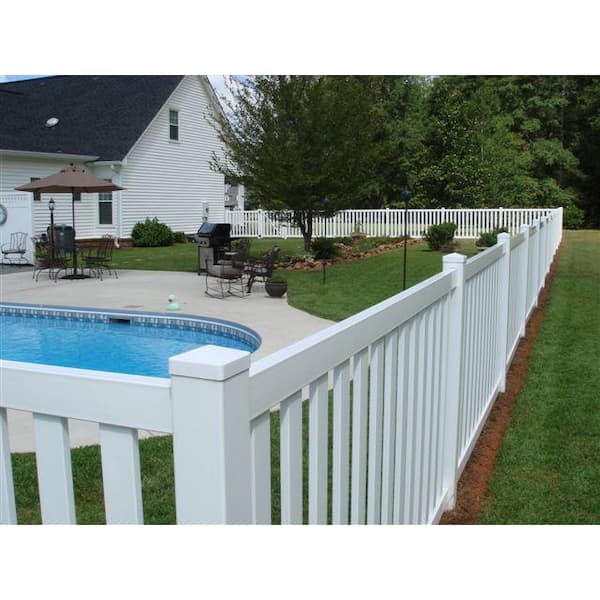
You don’t have to choose boring fences. Mix safety and style:
- Use clear glass for the pool and stained wood for the yard.
- Add climbing plants or vines to soften the look.
- Choose decorative gates or hardware to match your home.
- Use solar lights along the fence for safety at night.
Creative Insight:
If you love gardening, plant low hedges inside the pool fence for a green look without blocking the view.
Credit: www.homedepot.com
Real-world Examples
Case 1:
A family in Florida fenced just the pool with glass panels. They loved the open view, but soon added a yard fence to keep their new puppy safe.
Case 2:
In rural Ohio, a home with a large backyard used a 6-foot privacy fence for the whole yard. The owner later added a self-closing gate near the pool to meet new state laws.
Case 3:
A small property in San Diego chose only a mesh pool fence. This kept costs low and met city rules, but the owners struggled with street noise and added plants for privacy.
Step-by-step: How To Choose And Install
1. Check Local Codes:
Start with your city or county website, or call your building department.
2. Measure Your Space:
Get the length of fence needed around the pool or yard.
3. Set Your Budget:
Include material, labor, gates, and permits.
4. Pick Materials:
Decide on mesh, metal, wood, glass, or a mix.
5. Design The Layout:
Mark where gates, corners, and access points will be.
6. Hire A Pro Or Diy:
Some fences are easy to install, others need experts.
7. Inspect And Maintain:
Check gates, latches, and fence strength every season.
Tip:
Ask for references and photos from fence companies before hiring. Good installers know local codes and can help you avoid mistakes.
Credit: allsafepool.com
Pool Fencing And Safety Technology
Modern pool safety goes beyond fences. Consider:
- Alarms: Alerts when the gate opens or someone enters the water.
- Safety covers: Strong covers that lock in place.
- Cameras: Outdoor security cameras can monitor the pool area.
Note:
Technology adds protection, but never replaces a strong, legal fence.
Environmental And Neighborhood Concerns
In some areas, tall fences are banned or require neighbor approval. Check HOA rules if you live in a planned community. Some towns limit fence height (often 6 feet) or style (no barbed wire, certain colors only).
Green Tip:
Choose eco-friendly materials like recycled vinyl or sustainably harvested wood. Avoid paints and stains that can run off into the pool.
Final Thoughts
Choosing between a fence around the pool or the whole yard is not just about money or looks. It’s about safety, peace of mind, and how you want to enjoy your home. Most experts agree: for families with young children or pets, a pool fence is the best starting point. If you want privacy, security, or have a larger property, adding a yard fence makes sense.
The smartest solution is the one that fits your family’s needs, meets all laws, and matches your home’s style. Take your time to plan, budget, and ask for advice. A safe, beautiful yard is worth every effort.
For more details on pool safety and legal requirements, see the CDC’s water safety guide.
Frequently Asked Questions
Is A Pool Fence Required By Law?
In most areas, a pool fence is required by local or state law. Rules can vary—always check with your city or county before building.
Can A Whole Yard Fence Replace A Pool Fence?
Sometimes, but only if the yard fence meets all pool safety codes (height, self-latching gates, no gaps). Otherwise, you need a separate pool fence.
What’s The Best Material For A Pool Fence?
Mesh is popular for safety and low cost. Glass looks modern and keeps views clear. Metal or aluminum is strong and long-lasting. Pick what fits your needs and budget.
How High Should My Pool Fence Be?
Most codes require at least 4 feet (1.2 meters). Some areas need 5 feet or more. Always check local rules before installing.
Does A Pool Fence Increase Home Value?
Yes, a safe and well-designed pool fence can make your home more attractive, especially to families with children or pets. It also reduces legal and insurance risks.
Credit: www.garonfence.com