
Using silicone moulds in the oven is one of those kitchen skills that seems simple—until you actually try it. Many people are unsure if silicone is safe at high temperatures, how to prepare the moulds, or even how to clean them after baking. The truth is, silicone moulds can make baking easier, more creative, and less stressful—if you know how to use them properly. Whether you’re baking muffins, cakes, chocolate, or even savory items, understanding the ins and outs of silicone in the oven can make a big difference.
This guide breaks down everything you need to know: from choosing the right mould, preparing and filling it, to baking, unmoulding, cleaning, and storing. You’ll find practical advice, common mistakes to avoid, and some tips you won’t see in basic tutorials. Let’s dive in and unlock the full potential of your silicone bakeware.
What Are Silicone Moulds?
Silicone moulds are flexible, heat-resistant baking tools made from food-grade silicone. They come in many shapes and sizes—cupcake pans, loaf tins, novelty shapes, and more. Unlike metal or glass pans, silicone moulds bend and twist, making it easy to release baked goods without breaking or sticking.
Food-grade silicone is made to withstand high and low temperatures. Most moulds are safe for oven use up to 230°C (450°F), and some even higher. Always check the manufacturer’s label for the recommended temperature range.
One detail that surprises many home bakers is that silicone moulds stay cool to the touch just seconds after you take them out of the oven. This can help prevent burns, but it also means your baked goods can cool more quickly, so unmould and serve sooner if you want them warm.
Why Use Silicone Moulds?
- Non-stick surface: No need for heavy greasing or paper liners.
- Flexible and easy release: Pop out cakes and candies without damage.
- Variety of shapes: Get creative with designs that metal pans can’t offer.
- Easy to clean: Dishwasher safe and stain-resistant.
- Multipurpose: Use for baking, freezing, molding chocolate, or making ice cubes.
Another benefit is that silicone moulds are lightweight and stack easily. This saves space in your kitchen, especially if you have a collection of different shapes for special occasions. Plus, they’re almost impossible to break, unlike glass or ceramic bakeware.
How To Choose The Right Silicone Mould
Not all silicone moulds are created equal. Quality and safety matter, especially when using them in the oven.
Food-grade Silicone
Look for labels like 100% food-grade silicone. Cheaper moulds may contain fillers that can affect taste, flexibility, and safety. A simple test: twist the mould—if white streaks appear, it’s likely not pure silicone.
Food-grade silicone is odorless and tasteless, so it won’t change the flavor of your baked goods. If a new mould smells strongly of chemicals, wash it and air it out before first use. If the smell remains, it may not be true food-grade material.
Thickness And Sturdiness
High-quality silicone moulds are a bit thicker and hold their shape. Very thin moulds may bend or spill, making them tricky to handle when filled with batter.
A sturdy mould will also distribute heat more evenly, giving you better baking results. If you pinch the edge and it feels flimsy or easily creases, the mould may not last long or bake evenly.
Oven Safe Markings
Check for oven safe markings (often a small oven symbol or temperature range on the bottom). If you can’t find this, look up the product online or contact the manufacturer.
It’s worth noting that some silicone moulds are made only for crafts or freezing, not baking. Always double-check before putting a mould in the oven, especially if you bought it from a craft store or discount shop.
Size And Shape
Choose a size that fits your oven and suits your recipe. Deep moulds are better for loaf cakes; shallow ones for brownies or bars. Remember, unusual shapes may bake unevenly—plan to adjust bake times.
If you’re making layered cakes or special occasion treats, having a set of the same size is helpful for consistent results. Novelty shapes are fun, but keep in mind that very intricate designs may need extra greasing or attention to detail.
Brand Reputation
While you don’t need to buy the most expensive brand, stick to established names when possible. They’re more likely to meet safety standards and provide reliable performance.
User reviews are helpful—look for mentions of easy release, durability, and how the mould cleans up after use. If a brand is recommended by professional bakers, that’s a good sign of reliability.

Credit: www.pjbold.com
Preparing Silicone Moulds For The Oven
Even though silicone moulds are non-stick, a little preparation helps get the best results.
Washing Before First Use
Wash new silicone moulds in warm, soapy water. This removes any residue from the manufacturing process. Rinse well and dry completely.
Don’t skip this step—manufacturing dust or oils can affect your first batch. If you notice cloudy spots after washing, rinse again with hot water to remove all soap.
Light Greasing (optional But Helpful)
For many recipes, you can skip greasing. However, for first-time use or for very sticky batters (like caramel, toffee, or very moist cakes), a light brushing of oil or spray can make unmoulding easier.
A quick way is to use a pastry brush to spread a thin layer of melted butter or neutral oil. This also helps the edges of your baked goods brown more evenly, which can be tricky in silicone.
Placing The Mould
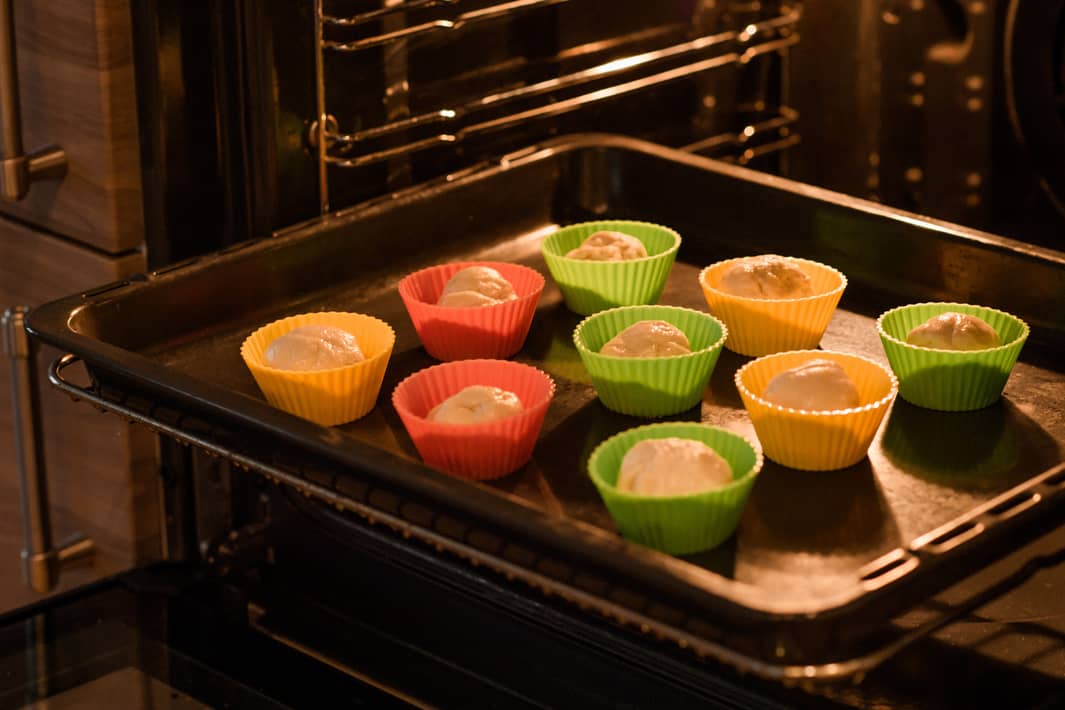
Silicone is flexible. It can sag or spill if you fill it on the countertop and try to move it. Place your mould on a baking tray or sheet pan before filling. This makes it easy to transfer in and out of the oven without accidents.
If you’re using a very large or intricate mould, you can even place parchment paper under the silicone to catch small drips or spills, making cleanup easier.
Filling And Baking With Silicone Moulds
Pouring Batter
Pour or spoon your batter into the mould. Don’t overfill—leave about 1/4 inch (about 0. 5 cm) at the top, as most baked goods rise.
Pro tip: Tap the filled mould gently on the counter (while on a tray) to remove air bubbles and level the batter.
Be careful with chunky batters that contain fruit, nuts, or chocolate chips. Spread these evenly so that every portion bakes the same way. In very detailed moulds, you can use a spoon to press batter into corners before filling the rest.
Adjusting Bake Times
Silicone doesn’t conduct heat the same way as metal. Sometimes, baked goods in silicone take a little longer to cook through. Check for doneness at the minimum time in the recipe, but don’t be surprised if you need to add 5-10 minutes.
If your baked goods look pale but feel firm, give them a few more minutes. Remember, browning is usually lighter in silicone than metal pans, so focus on texture and doneness rather than color.
Oven Placement
For even baking, place the tray in the center of the oven. Avoid placing silicone directly on open oven racks—it’s safe, but the flexible mould may bend and spill. Always use a supporting tray.
If you’re baking multiple silicone moulds at once, stagger them so air can circulate. This helps everything cook evenly and prevents soggy bottoms.
Temperature Guidelines
Most food-grade silicone moulds are safe up to 230°C (450°F). Don’t exceed this unless your mould specifically says it can. High heat can cause warping or degrade the mould over time.
Here’s a quick comparison of common bakeware temperature limits:
| Bakeware Type | Maximum Temperature | Notes |
|---|---|---|
| Silicone Mould | 230°C (450°F) | Check manufacturer’s rating |
| Metal Pan | 260°C (500°F) | Heats quickly, browns well |
| Glass Dish | 232°C (450°F) | Can shatter if temperature changes quickly |
If you plan to broil or use a grill setting, avoid using silicone moulds, as direct heat can damage them.
Removing Baked Goods From Silicone Moulds
Unmoulding is one of the best parts of using silicone—if you do it right.
Cooling First
Let your baked goods cool for at least 10-15 minutes before unmoulding. For delicate items like mini cakes or chocolates, cooling completely helps them hold their shape.
For larger items, like loaf cakes, you can loosen the edges with a soft spatula before turning out. If your cake feels stuck, give it a few more minutes to cool—patience pays off.
How To Unmould
Gently pull the sides of the mould away from the food. Push up from the bottom if needed. For items that stick, run a thin spatula or plastic knife around the edge first.
If your mould has tiny details, like flowers or stars, flex the sides outward and gently peel the mould away, rather than pulling the food out. This helps keep shapes clean and sharp.
Handling Sticky Situations
If something won’t release, put the mould in the freezer for 10 minutes. This can help solidify sticky spots and make unmoulding easier.
For chocolate or sticky candies, freezing is especially effective. After removing, let the item sit a few minutes at room temperature to avoid condensation.
Cleaning And Caring For Silicone Moulds
Proper cleaning keeps your moulds in good shape and prevents odors or residue.
Dishwasher Or Hand Wash?
Most silicone moulds are dishwasher safe. Place them on the top rack, away from heating elements. For handwashing, use warm, soapy water and a soft sponge.
Sometimes, oils from baked goods can cling to the silicone. If you see a shiny or greasy film, repeat washing or use a little baking soda as a gentle scrub.
Removing Grease And Smells
Sometimes, silicone can hold onto oily residue or odors. If this happens:
- Soak the mould in hot water with a little white vinegar.
- Scrub with baking soda paste.
- Rinse well and air dry.
Avoid using sharp tools or harsh detergents—they can damage the surface.
Drying thoroughly is essential. Any leftover moisture can encourage mold growth, especially if you store your moulds nested or rolled up.
Storing Silicone Moulds
Store silicone moulds flat or rolled up. They won’t lose their shape, but avoid folding them tightly with sharp bends, which can cause creases over time.
If you have large or novelty moulds, store them with a piece of paper towel between layers to prevent sticking and help absorb any leftover moisture.
What Can You Bake In Silicone Moulds?
The possibilities go far beyond muffins. Here are some popular uses:
- Cupcakes and muffins
- Loaf cakes and breads
- Brownies and bars
- Mini cheesecakes
- Chocolate and candy
- Ice cubes and frozen desserts
- Shaped cakes for parties
- Egg bites or mini quiches
- Jelly and gelatin treats
- Savory snacks (like baked cheese crisps)
You can also use silicone for layered desserts like panna cotta, or to make individual servings of lasagna or baked pasta. Just be sure to adjust bake times and check for doneness.
Example: Baking Muffins
Let’s say you want to bake a dozen muffins in a silicone tray.
- Wash and dry the mould. Place it on a baking tray.
- (Optional) Lightly grease each cup.
- Fill each cup 2/3 full with batter.
- Bake at 180°C (350°F) for 20-25 minutes.
- Test with a toothpick—if it comes out clean, they’re done.
- Cool for 10 minutes, then unmould.
You’ll notice muffins slide out easily, with golden edges and soft centers. If you want extra color, use a metal pan for a few minutes after unmoulding to brown the sides.
Example: Making Chocolate
- Melt chocolate, pour into clean, dry silicone shapes.
- Tap gently to remove bubbles.
- Chill in the fridge until solid.
- Pop chocolates out—no breaking or sticking.
Silicone is perfect for themed chocolates at holidays, or for making filled candies. Just make sure the mould is dry—any water will cause chocolate to seize.
Advantages And Disadvantages Of Silicone Moulds
Understanding both sides helps you decide when to use silicone versus other bakeware.
| Advantage | Disadvantage |
|---|---|
| Non-stick and flexible | May need a tray for support |
| Easy to clean | Doesn’t brown as much as metal |
| Many shapes and sizes | Can retain greasy smells if not cleaned well |
| Oven, freezer, and microwave safe | Some cheap moulds may leach chemicals if not food-grade |
Another thing to consider is that silicone doesn’t rust or chip, unlike some non-stick pans. But its flexibility means it’s not great for very runny batters or recipes where you want crisp, caramelized edges.
Credit: avalonhomeinspections.net
Common Mistakes And How To Avoid Them
Learning from other people’s mistakes can save you time and ingredients.
Overfilling The Mould
If you fill silicone cups to the top, batter will overflow as it rises. Always leave a small gap.
This is especially important for cupcakes and muffins, as overflow can stick to the tray and make unmoulding difficult.
Skipping The Tray
Trying to move a full, flexible mould without a tray leads to spills and uneven baking. Always use a baking sheet underneath.
Even if you have steady hands, hot batter can shift easily. The tray also makes it easier to rotate your mould for even baking.
Not Checking Doneness
Silicone insulates, so cakes may take longer to bake. Use a toothpick or cake tester to check the center before removing from the oven.
If you’re unsure, give your baked good an extra minute or two. Underbaked treats can collapse or stick when unmoulded.
Using High Heat
Don’t exceed the mould’s temperature rating. High heat can make the silicone warp, discolor, or even smoke.
If you need to brown the top of a dish, use a metal pan for the last few minutes, or finish under the broiler after unmoulding.
Using Sharp Tools
Never cut or scrape baked goods in the mould with knives or metal utensils. Use soft tools to avoid damage.
Even small scratches can trap grease and cause sticking over time.
Ignoring Odors
If your mould smells like the last thing you baked, clean it with vinegar and baking soda to remove lingering odors.
Storing moulds with a sachet of baking soda or coffee grounds nearby can help keep them fresh.
Choosing Low-quality Moulds
Saving money on cheap, non-food-grade silicone is risky. Low-quality moulds may melt, leach chemicals, or not release food properly.
If you notice discoloration, sticky surfaces, or a strange taste, stop using the mould.
Non-obvious Tips For Perfect Results
Many beginners miss these details, but they can make a big difference:
1. Preheat With The Mould Inside
Silicone heats up slowly. For some recipes (like cookies or thin cakes), preheating the empty mould with the oven helps food brown better and bake evenly.
This trick is especially useful for recipes where color and crispness matter.
2. Dry Moulds Completely
After washing, make sure the mould is bone dry before adding chocolate or batters. Any water will cause chocolate to seize or baked goods to stick.
If you’re in a hurry, dry the mould in a warm oven for a few minutes.
3. Avoid Strong Smells Nearby
Silicone can absorb strong kitchen odors (like garlic or onions). Store moulds away from pungent foods, and don’t use the same mould for savory and sweet items.
If you bake both sweet and savory, consider separate sets for each.
4. Use For Freezing And Baking
Silicone is freezer safe. Try making frozen desserts in the same moulds you use for baking—just be sure to clean thoroughly between uses.
Frozen yogurt bites, mini ice creams, or even fruit juice pops are easy to make and unmould.
5. Practice With A Test Batch
If you’re using a new shape or recipe, test with a small batch first. This helps you learn how your oven and the mould interact.
Take notes on bake time, browning, and release—your next batch will be perfect.
:max_bytes(150000):strip_icc()/ms-silicone-pan-getty-f19d374f8c454f71a0a1f2231bee0f94.jpg)
Credit: www.marthastewart.com
Comparing Silicone To Other Bakeware
Every material has strengths and weaknesses. Here’s a quick side-by-side look:
| Feature | Silicone Moulds | Metal Pans | Glass Dishes |
|---|---|---|---|
| Non-stick | Yes | Usually needs greasing | Sometimes non-stick |
| Easy Release | Excellent | Good | Average |
| Even Baking | Good (with tray) | Excellent | Good |
| Max Temp | 230°C (450°F) | 260°C (500°F) | 232°C (450°F) |
| Shapes | Many creative options | Mostly standard | Mostly standard |
| Cleanup | Very easy | Easy (if non-stick) | Easy |
Silicone is best for recipes where easy release and shape matter. For crisp crusts or high-heat roasting, metal pans still have an edge.
Are Silicone Moulds Safe?
Safety is a top concern for many home cooks. Research and food safety agencies agree: food-grade silicone is safe for oven use, as long as you follow the manufacturer’s guidelines. Don’t use moulds that look damaged, have a strong plastic smell, or are not labeled as food-grade.
Some people worry about chemicals leaching into food. This is unlikely with high-quality, certified silicone. For extra peace of mind, buy from reputable brands and avoid very cheap or unknown products. For more on safety, see the Wikipedia page on silicone cookware.
If you notice any discoloration, stickiness, or a change in texture, replace your mould. These are signs the silicone is breaking down.
Creative Uses For Silicone Moulds Beyond Baking
You don’t have to stop at baking! Try these ideas:
- Making soap or bath bombs: The flexibility helps with easy release.
- Molding butter or cheese: Get creative shapes for parties.
- Freezing herb cubes: Mix chopped herbs with oil or water, freeze, and pop out as needed.
- Making homemade dog treats: Safe for pet-friendly recipes.
- Craft projects: Mold clay or resin (don’t use the same mould for food after).
You can also use silicone moulds for portioning meal prep foods, like rice or mashed potatoes—just freeze, then pop out individual servings.
Frequently Asked Questions
What Temperature Can I Use Silicone Moulds In The Oven?
Most silicone moulds are safe up to 230°C (450°F). Always check your mould’s rating. Never exceed the recommended temperature, as this can damage the mould and affect your food.
Do I Need To Grease Silicone Moulds Before Baking?
Usually, you don’t need to grease them. However, for very sticky recipes or first-time use, a light coat of oil or spray can help with release. After a few uses, most moulds become even more non-stick.
Can I Put Silicone Moulds Directly On The Oven Rack?
It’s possible, but not recommended. The mould is flexible and can bend, causing spills or uneven baking. Always place silicone moulds on a sturdy baking tray for support.
How Do I Remove Strong Smells From My Silicone Moulds?
Soak the mould in hot water with white vinegar, then scrub with baking soda paste. Rinse well. Air dry completely to prevent future smells.
Are Silicone Moulds Safe For The Dishwasher?
Yes, most are top-rack dishwasher safe. Check your manufacturer’s label. For stubborn grease or smells, handwashing with warm soapy water and baking soda often works best.
Using silicone moulds in the oven can make baking easier and more fun. With the right technique, you’ll get perfect results every time—whether you’re making simple muffins or creative treats. Don’t be afraid to experiment with shapes and recipes. With a little care, your silicone moulds will last for years and open up a world of kitchen possibilities.