
Cutting onions is a common kitchen task, but the strong smell it leaves behind on your cutting board can be hard to remove. Even after washing, the onion odor often lingers, making your kitchen less inviting and affecting the taste of other foods. If you prepare fruit or bread on the same board, you might notice a faint onion taste or smell. This is a problem for many home cooks and even professional chefs. Luckily, there are proven methods to get rid of onion smells from your cutting board, keeping your kitchen fresh and your food tasting right.
This guide covers everything you need to know about removing onion smell from cutting boards. You will learn why onion odor is so persistent, what materials make a difference, and all the effective ways to clean and deodorize your board.
Along the way, you’ll find helpful tips, common mistakes to avoid, and answers to questions people often ask. By the end, you’ll feel confident that your cutting board is truly clean—no matter how many onions you slice.
Why Onion Smell Sticks To Cutting Boards
Onions contain sulfur compounds that give them their strong scent and flavor. When you cut into an onion, these compounds are released and can stick to kitchen surfaces, especially cutting boards. If your board is made of wood or bamboo, the smell can seep into small cracks and pores, making it harder to remove. Even plastic boards can hold onto odors if they have knife marks or scratches.
The main reason the smell is so persistent is that sulfur compounds are not easily washed away by water alone. They can bond with fats, oils, and proteins left on the board and become trapped in the surface material. Without the right cleaning techniques, this smell can transfer to other foods and linger for days.
Types Of Cutting Boards And Their Odor Problems
Choosing the right cutting board material can make a big difference in how easily you can remove onion smells. Here’s a look at the common materials:
| Cutting Board Material | Odor Absorption | Cleaning Difficulty |
|---|---|---|
| Wood | High | Moderate to Difficult |
| Bamboo | Medium | Moderate |
| Plastic | Low to Medium | Easy |
| Glass | Very Low | Very Easy |
| Composite | Medium | Moderate |
- Wooden boards absorb more odor because of their porous surface.
- Plastic boards are less porous but can develop deep cuts over time where smells can hide.
- Glass boards rarely hold odor but are not good for knives.
If you cut onions often, consider using a plastic or glass board for onions and a separate board for other foods.
Credit: lifetips.alibaba.com
Basic Cleaning Steps After Cutting Onions
Right after you finish cutting onions, quick action can help prevent odors from settling in.
- Rinse Immediately: Rinse the board under hot water to remove surface onion juices.
- Scrape Residue: Use a scraper or the edge of a spatula to remove any stuck bits.
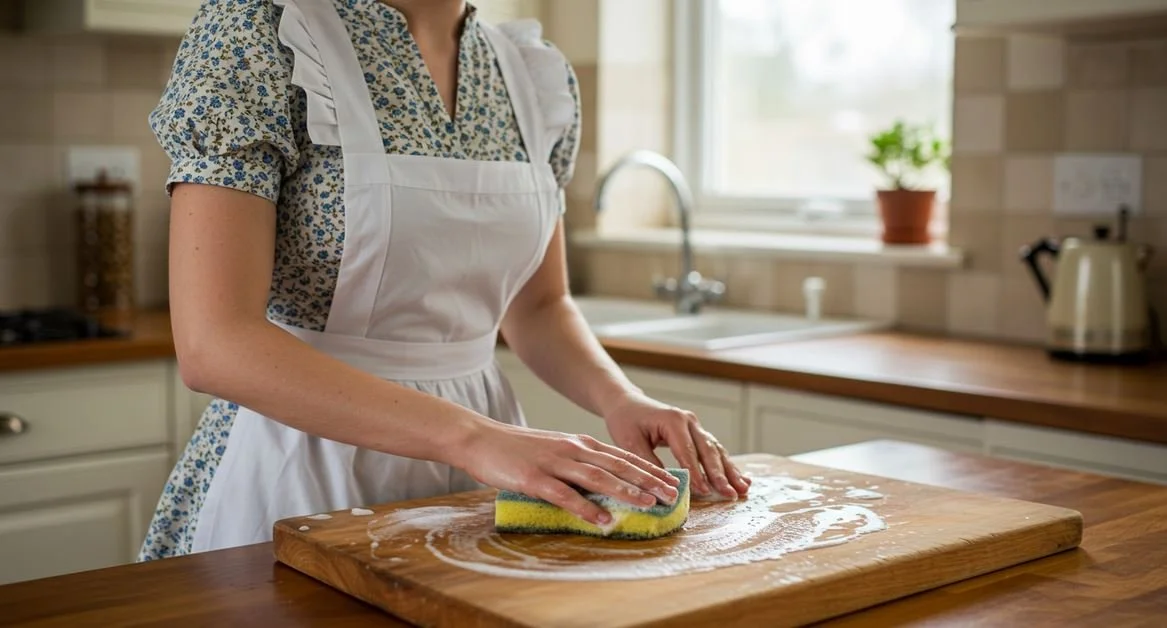
- Wash with Soap: Use a sponge and dish soap to wash the surface thoroughly.
- Dry Completely: Wipe the board dry with a clean towel. Leaving it wet can make odors worse and damage the board.
These steps remove most surface residue. However, for stubborn odors, you’ll need stronger cleaning methods.
Effective Methods To Remove Onion Smell
There are many home remedies and cleaning products that can help remove onion smell from your cutting board. Here are the most effective techniques, explained in detail.
Baking Soda Scrub
Baking soda is a natural deodorizer that reacts with odors and neutralizes them.
- Sprinkle a generous amount of baking soda onto the damp cutting board.
- Scrub the board using a damp sponge or brush, focusing on any knife grooves.
- Let the paste sit for 5-10 minutes.
- Rinse thoroughly with hot water and dry.
Baking soda is safe for all types of boards and will not damage the surface.
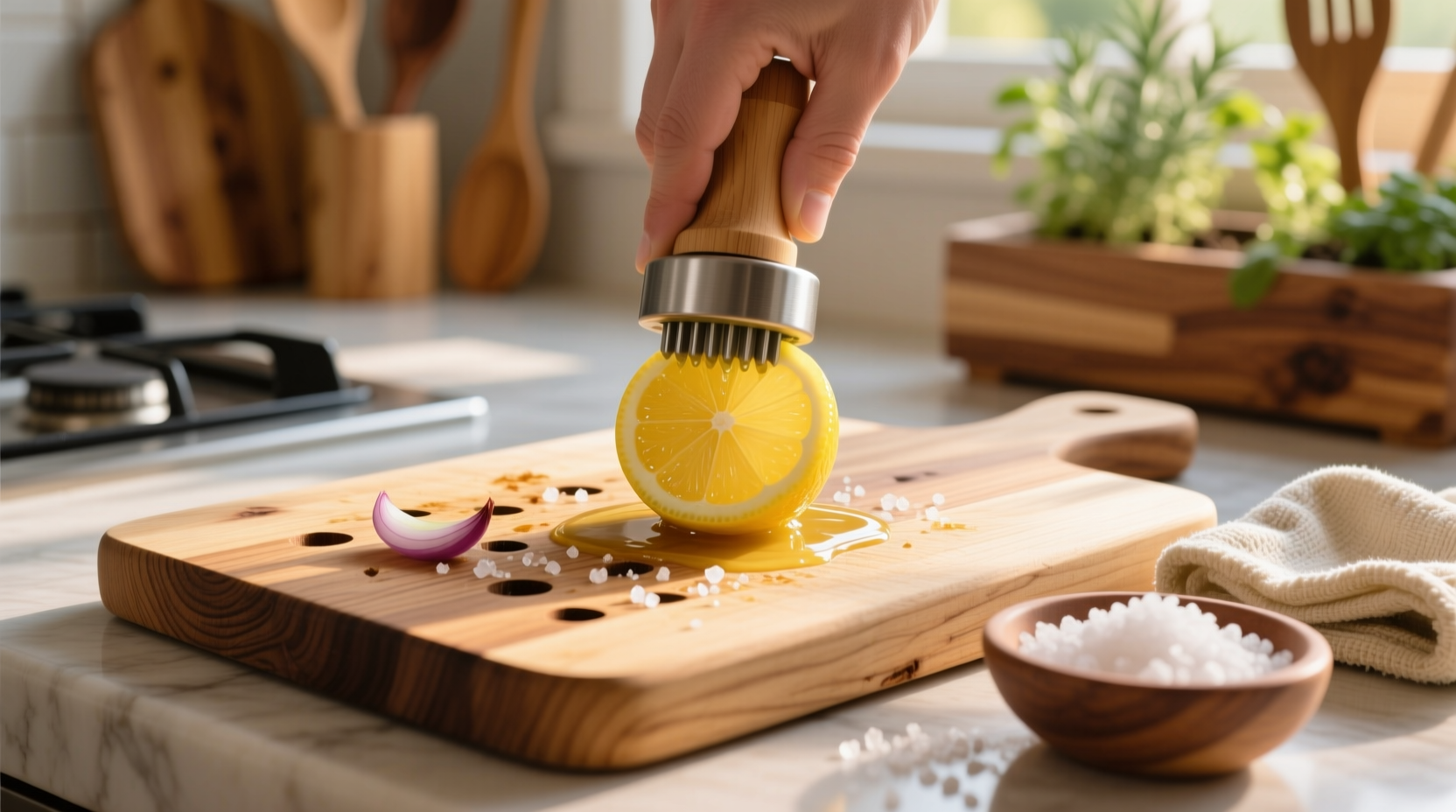
Lemon And Salt Treatment
Lemon contains citric acid, which helps break down sulfur compounds, while salt acts as a gentle abrasive.
- Sprinkle coarse salt (like kosher or sea salt) over the board.
- Cut a lemon in half and use it to scrub the board, squeezing juice as you go.
- Let the mixture sit for 5 minutes.
- Rinse with hot water and dry with a towel.
This method also leaves a fresh, clean scent behind.
Vinegar Rinse
White vinegar is acidic and can dissolve onion oils and neutralize smells.
- Pour or spray undiluted white vinegar over the cutting board.
- Spread it with a sponge and let it sit for 3-5 minutes.
- Rinse thoroughly with water and dry.
Do not soak wooden boards in vinegar for long, as it can dry out the wood.
Hydrogen Peroxide Solution
Hydrogen peroxide is a strong disinfectant and deodorizer.
- Pour 3% hydrogen peroxide (the kind from pharmacies) over the board.
- Let it bubble and sit for 2-3 minutes.
- Rinse well and dry.
This method is especially good for plastic boards but can be used on wood occasionally.
Sunlight Treatment
Sunlight helps break down organic compounds and disinfects naturally.
- Place the washed, damp board in direct sunlight for a few hours.
- Flip halfway through to expose both sides.
Sunlight can fade wooden boards over time, so do this only occasionally.
Boiling Water Pour
For plastic or glass boards, boiling water can help.
- Boil a kettle of water.
- Pour it slowly over the board in the sink.
- Scrub with a brush and rinse again.
Do not use this method on wooden boards, as it can warp or crack them.
Activated Charcoal
Activated charcoal absorbs odors better than most materials.
- Place a layer of activated charcoal powder or a charcoal packet on the board.
- Cover with a towel and let sit overnight.
- Wash and rinse the board in the morning.
This is a less common, but very effective method for tough smells.
Dish Soap With Vinegar
Combining dish soap and vinegar increases cleaning power.
- Mix a few drops of dish soap with vinegar in a small bowl.
- Use a sponge to scrub the board.
- Rinse and dry.
This method is gentle and works for daily cleaning.
Commercial Deodorizers
Some brands sell cutting board cleaning sprays or powders designed to remove food odors. Look for products that are food-safe and suitable for your board’s material. Follow the instructions on the packaging for best results.
Credit: www.karensgreencleaning.com
Deep Cleaning For Stubborn Onion Smells
Sometimes regular cleaning is not enough, especially if the smell has built up over time. In these cases, you may need to deep clean your board.
For Wooden Boards
- Create a paste of baking soda and water.
- Scrub deeply into the grain with a brush.
- Rinse and repeat with lemon and salt.
- If the smell persists, wipe with a cloth dipped in diluted vinegar (1 part vinegar to 3 parts water).
- Let dry completely, then rub with a small amount of food-grade mineral oil to protect the wood.
For Plastic Boards
- Sprinkle baking soda and spray with vinegar.
- Let bubble for 5-10 minutes.
- Scrub with a stiff brush.
- Rinse well and air dry.
Plastic boards can also be placed in the dishwasher for a high-heat cycle if the manufacturer allows it.
For Bamboo And Composite Boards
Treat these like wooden boards but avoid soaking or prolonged contact with strong acids, as bamboo can warp or split.
When To Replace Your Cutting Board
Even with the best cleaning, old boards can develop deep grooves and cracks that hold onto smells and bacteria. Here’s how to know when to replace your board:
- Deep, dark stains or odors that do not go away after cleaning.
- Visible cracks or warping.
- Mold or mildew spots.
- A rough surface that is hard to clean.
As a rule, replace plastic boards every 1-2 years if they develop deep scratches. Wooden boards can last longer with care, but should be replaced if they split or smell persistently bad.
How To Prevent Onion Smells In The Future
Prevention is just as important as cleaning. These habits can help keep your board smelling fresh.
Use Separate Boards
The most effective way to avoid onion smells is to use one board for onions and garlic and a separate board for bread, fruit, or other foods.
Clean Immediately
Don’t let onion juice sit on the board. Wash and dry your board as soon as you finish cutting.
Oil Your Wooden Board
Rub your wooden board with food-grade mineral oil every few weeks. This fills in pores and makes it harder for odors to soak in.
Avoid Soaking
Never soak wooden boards in water. This causes swelling and splits, which trap odors.
Store Boards Properly
Keep your boards upright in a dry, airy space. This prevents moisture and smells from building up.
Common Mistakes To Avoid
Even experienced cooks sometimes make mistakes that make onion smells worse. Here are a few to watch out for:
- Using hot water on wooden boards: This can warp the board.
- Soaking boards: Especially wood or bamboo, as it damages the structure.
- Not drying boards: Trapped moisture encourages smells and bacteria.
- Ignoring deep grooves: These are hard to clean and should be sanded or the board replaced.
- Mixing raw meat and vegetables: This increases the risk of cross-contamination and stubborn odors.
Data: How Effective Are Different Cleaning Methods?
Scientific studies and kitchen tests show that some methods work better than others. Here’s a comparison of odor removal efficiency for popular techniques:
| Cleaning Method | Effectiveness (1-5) | Best For |
|---|---|---|
| Baking Soda Scrub | 4 | All boards |
| Lemon & Salt | 4 | Wood, Bamboo |
| Vinegar Rinse | 3 | Plastic, Bamboo |
| Hydrogen Peroxide | 5 | Plastic, Composite |
| Sunlight | 3 | All boards |
| Activated Charcoal | 5 | Wood, Bamboo |
| Commercial Deodorizers | 4 | All boards |
This shows that hydrogen peroxide and activated charcoal are top performers for tough smells, but common household items like baking soda and lemon are also very effective.
Credit: getmorsel.com
Practical Tips For Everyday Kitchens
- If you cut onions daily, keep a small bowl of baking soda near your sink for quick cleaning.
- For persistent smells, try alternating between two methods (e.g., lemon and baking soda).
- Sand your wooden board lightly with fine sandpaper every six months to remove surface stains and odors.
- For plastic boards, replace them before deep knife grooves appear.
- Do not trust “dishwasher safe” labels for wooden boards—always wash by hand.
- For glass boards, a simple wash with soap and hot water is usually enough.
Real-world Example: Chef’s Routine
A professional chef often uses several boards throughout the day. After cutting onions, they:
- Scrape off any pieces.
- Wash with hot soapy water.
- Sprinkle baking soda and scrub.
- Rinse and dry.
- Wipe with vinegar at the end of the day.
This routine keeps their boards clean and free of cross-smells, even in a busy kitchen.
Health And Safety Considerations
Keeping your cutting board free of onion smell is not just about freshness. Onion residue can attract bacteria if not cleaned properly. Old onion juice in grooves can grow mold or other harmful microbes. Regular cleaning and proper drying are important for food safety.
If you have allergies or sensitive skin, wear gloves when using strong cleaning agents like vinegar or hydrogen peroxide.
Environmental Impact Of Cleaning Choices
Many commercial cleaners contain chemicals that may not be environmentally friendly. By using baking soda, lemon, and vinegar, you reduce your impact on the environment. These products are biodegradable and safe for most septic systems.
If you need a commercial deodorizer, look for one labeled as biodegradable and non-toxic.
When To Seek Professional Help
If your cutting board still smells after trying all these methods, and you use an expensive or heirloom board, consider taking it to a professional restorer. Some kitchenware shops offer deep cleaning or resurfacing for wooden boards.
Further Reading And Resources
For more information on safe kitchen cleaning practices, visit the CDC Food Safety page.
Frequently Asked Questions
How Often Should I Deep Clean My Cutting Board?
Deep cleaning once a month is enough for most home cooks. If you cut onions or garlic daily, consider deep cleaning every two weeks.
Is It Safe To Use Bleach On My Cutting Board?
Bleach can disinfect but is harsh on wood and bamboo. Use it only on plastic boards, and rinse very well before using the board for food again.
What Is The Best Way To Remove Onion Smell From A Wooden Cutting Board?
The most effective method is a combination of baking soda scrub, lemon and salt treatment, followed by thorough drying and oiling with food-grade mineral oil.
Can I Put My Cutting Board In The Dishwasher To Remove The Smell?
Plastic boards can usually go in the dishwasher, but wooden and bamboo boards should always be washed by hand to prevent warping and cracking.
Why Does My Cutting Board Smell Worse After Washing?
If a board is not dried thoroughly, moisture can trap odors and even lead to bacteria or mold growth. Always dry your board upright in a well-ventilated area.
Removing onion smell from your cutting board is possible with the right knowledge and a little effort. By understanding why odors linger and using proven methods, you can keep your kitchen fresh and safe for every meal. Remember, prevention and regular care are key—your nose (and your food) will thank you.