
If you own a pool, you know that keeping the water clean and clear is a constant challenge. Rust stains, brownish discoloration, and cloudy water can make your pool look uninviting, no matter how much you scrub or vacuum. One product that often comes up in pool care discussions is Iron Out. But can you use Iron Out in a pool safely and effectively? This article explores the answer, covering what Iron Out is, how it works, when it’s appropriate, the risks involved, alternative methods, and expert advice for pool owners dealing with iron and other metal stains.
Understanding Iron Out: What Is It?
Iron Out is a chemical cleaner mainly designed to remove rust and iron stains from household surfaces like toilets, bathtubs, and appliances. Its active ingredients typically include sodium hydrosulfite and sodium metabisulfite, which act as reducing agents to convert rust (iron oxide) into a soluble form that can be rinsed away. Many homeowners find Iron Out effective for removing stubborn stains from laundry, sinks, and even irrigation systems.
However, pool water chemistry is quite different from household cleaning, and using any cleaner in a pool requires careful thought. Even though Iron Out can dissolve iron stains, its impact on pool water, surfaces, and equipment deserves a closer look.
Why Iron Is A Problem In Pools
Iron gets into pool water from several sources:
- Well water: Many rural pools use well water, which often contains high iron levels.
- Corroded pipes: Old or rusty plumbing can leach iron into the pool.
- Rain or runoff: Soil and debris may introduce iron after storms.
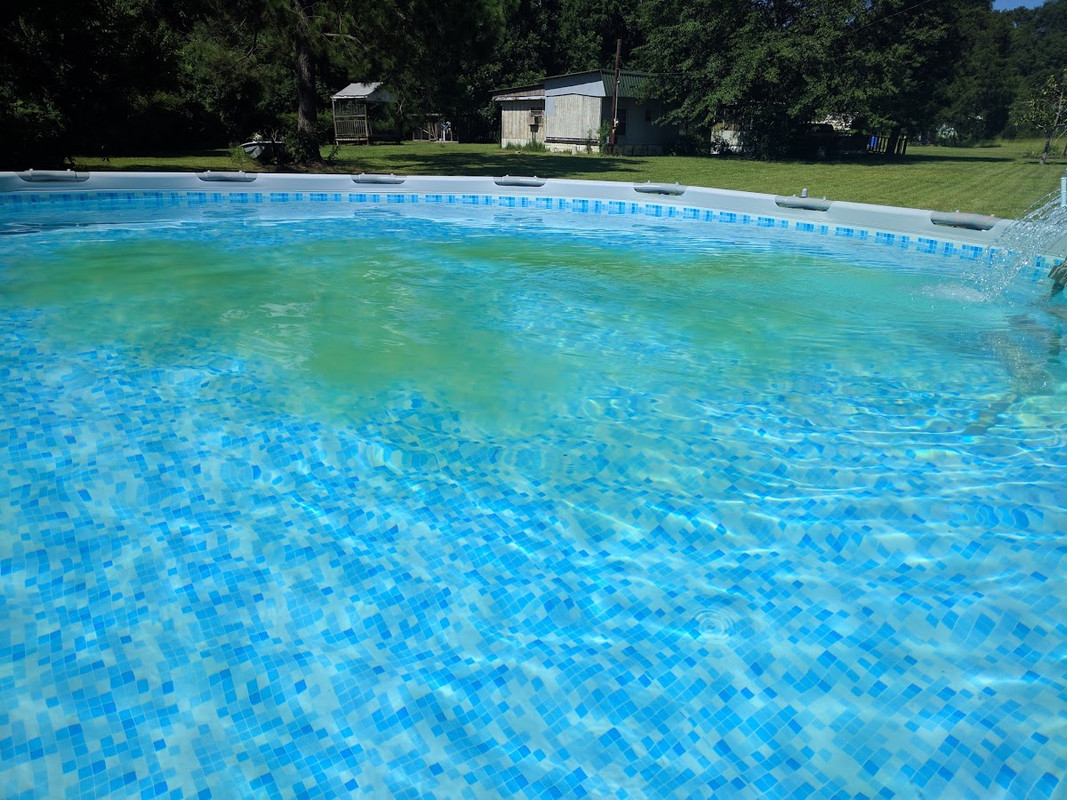
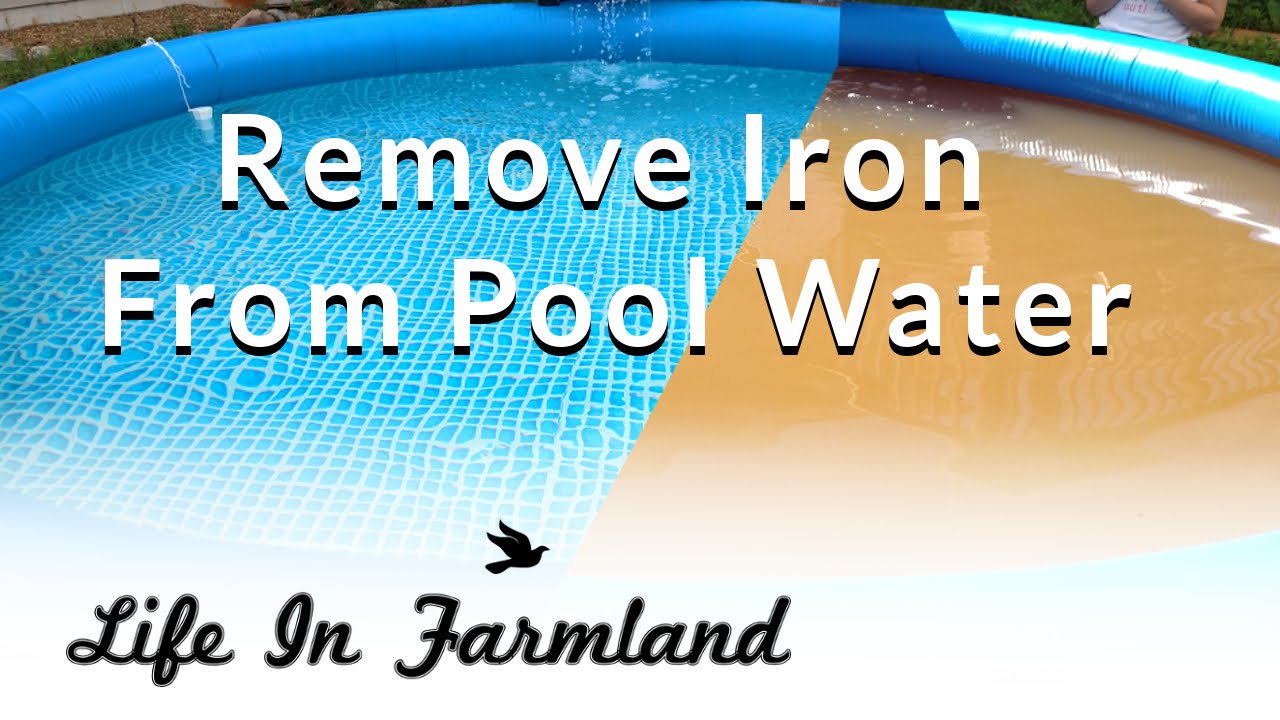
When iron is present, it reacts with chlorine or oxygen and turns into rusty brown or orange stains on the pool surface. Water may also appear yellow, green, or cloudy. These stains are not only ugly but can signal underlying water quality issues.
High iron can also clog filters, damage pool heaters, and interfere with other pool chemicals.
Iron Out In Pools: What You Need To Know
Is It Safe To Use Iron Out In A Pool?
This is the main question for pool owners. Iron Out is not officially approved for pool use by its manufacturers. It is labeled for laundry, toilets, and some household surfaces. Still, many pool owners have tried it as a last resort for iron stains. The biggest concerns are:
- Water chemistry changes: Iron Out can lower chlorine levels, change pH, and add sulfites to the water.
- Health risks: The product is not tested for swimming safety and may cause skin or eye irritation.
- Equipment damage: Strong chemicals can corrode metal parts, pool liners, or pumps if misused.
While some online sources and pool forums share stories of successful Iron Out treatments, using it in your pool means accepting some risk. If you choose to try it, you must follow strict safety steps and monitor water chemistry closely.
How Iron Out Works On Pool Stains
Iron Out’s reducing agents chemically transform insoluble iron (rust) into soluble iron, which is less likely to stain surfaces. In laundry, it helps lift iron out of fabric. In pools, it could help remove rust stains from plaster or vinyl, but it won’t remove the iron from your water unless combined with good filtration and backwashing.
Iron Out does not prevent new iron from entering the pool. If your water source has high iron, stains will return unless you treat the water itself or use a metal sequestrant.
When Should You Consider Using Iron Out?
There are only a few situations where using Iron Out in a pool might be considered:
- Heavy, stubborn iron stains: When other methods (like brushing, shocking, or using sequestrants) have failed.
- No access to pool-specific stain removers: If you cannot find products made for pools.
- Emergency cleaning: For quick stain removal before a special event.
Even in these cases, it’s better to consult a pool professional first. Many pool supply stores carry products specifically designed for iron and metal stains, which are safer and easier to use.
Credit: www.troublefreepool.com
How To Use Iron Out In A Pool (if You Decide To)
If you decide to use Iron Out despite the risks, follow these steps carefully. This guidance is not a manufacturer’s recommendation but is based on common pool owner experiences.
Step 1: Test Your Water
First, use a pool test kit to check:
- Iron level (ppm)
- PH
- Total alkalinity
- Chlorine/bromine level
Write these numbers down. If your pH is below 7. 2 or above 7. 8, adjust it to the normal range before starting.
Step 2: Turn Off The Chlorinator
Iron Out can quickly destroy chlorine. Turn off your salt cell, chlorinator, or remove chlorine tablets before starting treatment. This prevents wasting chlorine and lets Iron Out work better on stains.
Step 3: Add Iron Out
For most pools, use about 1 pound (454 grams) of Iron Out for every 10,000 gallons (37,850 liters) of water. Always follow these safety tips:
- Wear gloves and goggles.
- Pre-dissolve Iron Out in a bucket of water before adding to the pool.
- Pour the dissolved solution slowly around the pool’s edges.
- Run the pool pump to circulate water.
Step 4: Brush Stained Areas
Use a soft pool brush to gently scrub stained surfaces. Iron Out may loosen stains, but brushing helps remove them completely.
Step 5: Run The Filter
Keep the pump and filter running for 24–48 hours. Check the filter often and backwash if needed. Iron particles can clog filters quickly after treatment.
Step 6: Retest And Adjust Water
After 24 hours, retest your pool water. Iron Out lowers chlorine and may alter pH. Add chlorine and adjust chemicals back to safe swimming levels. Wait at least 24–48 hours before swimming.
Step 7: Observe The Results
If stains remain, you may repeat the process once. Do not overdose, as too much Iron Out can create new problems (like cloudy water or irritation).
Comparing Iron Out With Pool-specific Products
Using Iron Out is a shortcut some pool owners try, but is it better than using pool-specific stain removers? Here’s a direct comparison:
| Product | Designed For Pools | Stain Removal Power | Effect on Water Chemistry | Health Risk | Cost |
|---|---|---|---|---|---|
| Iron Out | No | Moderate to High | Alters pH, chlorine | Uncertain (not approved) | Low |
| Pool Metal Remover | Yes | High | Minimal impact | Low (tested for pools) | Medium |
| Ascorbic Acid | Yes | High (on stains) | Slightly lowers chlorine | Low | Medium |
You can see that pool-specific products are safer for swimmers and easier to manage. While Iron Out may be cheaper, it carries more risk and is not guaranteed to work as intended.

Credit: www.familyleisure.com
Iron Out: Risks And Side Effects
Possible Problems From Using Iron Out
- Chlorine loss: Iron Out destroys chlorine, leaving your pool unprotected against algae and bacteria.
- PH drop: The product can lower pH, making water acidic and uncomfortable for swimmers.
- Cloudy water: Too much Iron Out can make water cloudy or hazy, especially if not filtered out.
- Corrosion: Sensitive pool parts, like heaters or metal ladders, may corrode if exposed to Iron Out.
- Health risks: Skin and eye irritation are possible if you swim too soon after treatment.
What Happens If You Add Too Much?
Overdosing Iron Out can lead to:
- Strong chemical smell
- White or milky water
- Metal surface damage
If this happens, dilute the pool by draining some water and refilling with fresh water. Run the filter and check chemistry often until normal.
What To Do If You Have A Vinyl Liner
Vinyl liners can stain easily, but they also absorb chemicals. Iron Out can bleach or damage liners if applied directly or in high concentration. Always dissolve Iron Out fully and pour it slowly around the pool to avoid liner damage.
Safer Alternatives To Iron Out
There are many products made for pools that remove iron stains and prevent new ones. Here’s a look at the main alternatives:
Metal Sequestrants
These are special chemicals that bind to iron and other metals, keeping them dissolved so they can’t form stains. Brands like Jack’s Magic and ProTeam Metal Magic are designed for pools.
- Dose regularly, especially if you use well water.
- Safe for all pool types.
- Don’t remove iron but prevent stains.
Ascorbic Acid (vitamin C)
A favorite among pool owners, ascorbic acid is safe and works well on iron stains. It’s often used for spot treatments.
- Sprinkle on stains, brush, and run filter.
- May lower chlorine slightly.
- Good for small stains.
Professional Stain Removers
Products like United Chemical Stain Treat are made for pool stains and come with full instructions. They are tested for safety and effectiveness.
Pool Filter Upgrades
A sand or cartridge filter can sometimes miss fine iron particles. Adding a polymer clarifier or using a DE (diatomaceous earth) filter can help capture more iron after treatment.
Using A Pre-filter On Fill Water
A special hose filter can block iron and other metals from entering your pool when you add water, especially if you use well water.
Credit: www.youtube.com
How To Prevent Iron Problems In Your Pool
Dealing with iron stains once is enough for most pool owners. Here are proven ways to prevent future problems:
- Test fill water: If your source has iron, use a pre-filter or treat water before it enters the pool.
- Add a sequestrant regularly: Don’t wait for stains to appear. Prevent them with ongoing dosing.
- Balance pool chemistry: Keep pH, alkalinity, and chlorine at recommended levels to avoid corrosion and staining.
- Clean filters often: Iron can clog filters, so backwash or clean cartridges regularly.
- Remove debris quickly: Leaves, dirt, and organic material can introduce and trap iron.
Iron Out And Other Pool Chemicals: What To Watch For
Iron Out does not mix well with all pool chemicals. Here are some combinations to avoid:
- Chlorine: Wait until Iron Out is fully filtered out before adding chlorine. Otherwise, chlorine will be destroyed.
- Algaecides: Don’t add at the same time. Wait 24–48 hours after Iron Out treatment.
- PH adjusters: Test water after using Iron Out before adding pH up or down.
If you’re running a saltwater pool, Iron Out can damage the salt cell if not fully dissolved and circulated.
Real-world Example: Iron Out In A Residential Pool
Let’s consider a real scenario. A family in Michigan had a 20,000-gallon pool with brown stains after filling from their well. They added Iron Out (2 pounds), brushed the stains, and ran the filter nonstop for 36 hours. The stains faded, but chlorine dropped to zero, and pH fell from 7.
5 to 6. 8. They had to add soda ash to raise pH and shock the pool with chlorine to restore balance. The stains returned after three weeks due to iron in the well water.
Lesson: Iron Out removed stains temporarily but did not solve the root problem. Regular use of a pool sequestrant and a pre-filter on the hose prevented new stains.
Expert Advice For Pool Owners
- Use pool-specific products whenever possible. They are safer and designed for swimming environments.
- Test and balance water before and after any treatment. This prevents side effects and protects swimmers.
- Remove iron at the source. Treat your well water or use a pre-filter to reduce iron before it enters the pool.
- Consult a pool professional for severe stains. Some stains require acid washing or specialized tools.
- Do not swim until water chemistry is back to normal. Safety comes first.
Common Myths About Iron Out And Pools
“iron Out Is Just Like Pool Stain Remover.”
Not true. Iron Out is not tested or approved for pool use and may affect swimmers’ health or damage equipment. Pool stain removers are made for pool environments.
“you Can Swim Right After Using Iron Out.”
This is risky. Wait at least 24–48 hours, test water, and make sure chemicals are balanced before swimming.
“iron Out Prevents Future Stains.”
It only removes existing stains. Without treating the source of iron, stains will return.
Data: Pool Staining And Metal Problems
Recent surveys show that about 15–20% of residential pools in the U. S. experience metal staining each year, with iron being the leading cause. Most stains occur in pools filled with well water or located in areas with high natural metal content in the soil.
A 2022 study by the National Swimming Pool Foundation found:
- 68% of pool owners with iron stains had never used a metal sequestrant.
- 40% were unaware that their fill water contained iron.
- 12% used non-pool chemicals (like Iron Out) at least once, and 7% reported equipment or water problems afterward.
Cost Comparison: Iron Out Vs. Pool Metal Removers
Pool owners often choose Iron Out because of price. Here’s a basic cost comparison for a single treatment in a 15,000-gallon pool:
| Product | Average Price | Number of Treatments | Approx. Cost per Use |
|---|---|---|---|
| Iron Out (Household) | $12 for 2 lbs | 2 | $6 |
| Pool Metal Remover | $20 for 1 qt | 2-4 | $5–$10 |
| Ascorbic Acid | $15 for 1 lb | 2 | $7.50 |
The price difference is small when considering safety and effectiveness.
Environmental Impact Of Iron Out
Iron Out contains sulfites and other chemicals that may not be ideal for the environment. Draining pool water treated with Iron Out into gardens or storm drains is not recommended. Always check local regulations about pool water disposal.
Some pool-specific metal removers are formulated to be more environmentally friendly and break down safely in water.
Final Thoughts: Should You Use Iron Out In Your Pool?
Iron Out can remove iron stains from your pool, but it comes with risks. It is not designed for pool use and can upset water chemistry, damage equipment, and create health concerns. Safer, more effective products exist for pool owners.
If you do use Iron Out, do so carefully, monitor water chemistry, and prioritize swimmer safety.
In most cases, preventing iron stains with a metal sequestrant and proper water testing is the best choice. Treat the source of iron, not just the symptom. A clean, safe, and beautiful pool is possible with the right tools and knowledge.
For more information on pool water chemistry and metal stains, you can visit the SwimmingPool.com Water Chemistry Guide.
Frequently Asked Questions
Is Iron Out Safe For Vinyl Liner Pools?
Iron Out can damage vinyl liners if not used with caution. Always dissolve the product fully and pour it around the pool to avoid direct contact with the liner. Consider pool-specific stain removers for vinyl pools, as they are less likely to cause fading or damage.
How Long After Using Iron Out Can You Swim?
You should wait at least 24–48 hours after using Iron Out in your pool. Test the water to ensure chlorine and pH have returned to safe levels before swimming. Never swim if water chemistry is unbalanced or if the pool still smells strongly of chemicals.
Can Iron Out Be Used To Prevent Future Iron Stains?
No, Iron Out only removes existing stains. It does not prevent new iron from entering the pool. To prevent stains, use a metal sequestrant regularly and treat your water source if it contains iron.
What Are The Signs Of Too Much Iron In Pool Water?
Common signs include brown, orange, or yellow stains on the pool surface, cloudy or discolored water, and clogged filters. Water tests showing iron levels above 0. 3 ppm indicate a problem.
Are There Natural Ways To Remove Iron Stains From Pools?
Some pool owners use vitamin C (ascorbic acid) or citric acid to remove small iron stains. These methods are safer than Iron Out, but for heavy staining, pool-specific stain removers or professional help are recommended. Always test water chemistry after any treatment.