
When you’re planning a new shower or bathroom remodel, one big choice is what to put behind your tiles. Two of the most popular options are Durock and HardieBacker. Both are “cement boards” made to resist moisture, mold, and damage from water. But which one is better for shower walls? The answer isn’t as simple as picking the first board you see at the store. Each board has its own strengths, weaknesses, and installation secrets. If you get it wrong, you could face water leaks, mold, or tiles that fall off after a few years.
This guide will help you understand the real differences between Durock and HardieBacker. We’ll look at their materials, performance, installation, cost, and how they stand up over time. You’ll find advice for DIYers and pros, plus tips to avoid common mistakes.
By the end, you’ll know which cement board works best for your shower walls and how to use it right.
What Are Durock And Hardiebacker?
Before comparing, let’s understand what these products are.
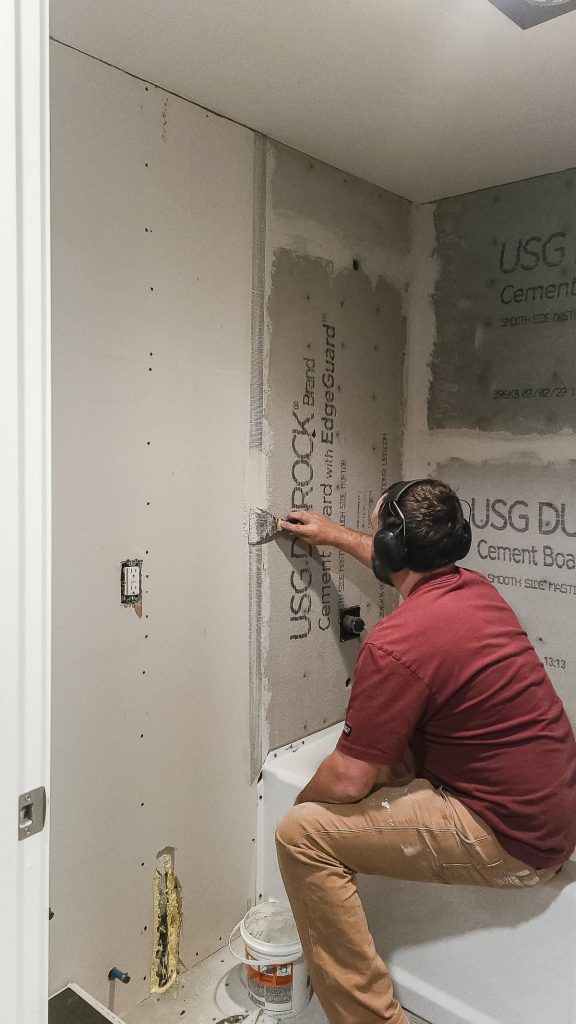
Durock is a brand of cement board made by USG. It’s made mostly from Portland cement, sand, and a fiberglass mesh. The board is gray, rough, and feels very solid. It’s been used for decades in showers, floors, and as a base for tile in wet areas.
HardieBacker comes from James Hardie, a company famous for fiber-cement siding. HardieBacker is also a type of cement board, but it uses a special formula with cement, sand, and cellulose fibers. It’s lighter in color and a bit smoother than Durock.
Both boards are designed to be installed under tile in areas where water is a problem—like showers, tubs, and bathroom floors. But they are not identical.
Core Differences Between Durock And Hardiebacker
Let’s break down the key differences that matter for shower walls.
1. Material Composition
- Durock: Made from Portland cement, tiny glass fibers (fiberglass mesh), and sand.
- HardieBacker: Made from cement, sand, and cellulose (plant-based) fibers.
This difference affects how each board handles water, how easy it is to cut, and its weight.
2. Thickness And Sizes
Both products come in similar thicknesses, usually 1/4-inch and 1/2-inch. For shower walls, the standard is 1/2-inch.
- Durock: 3’ x 5’ sheets (sometimes 4’ x 8’ in some stores)
- HardieBacker: 3’ x 5’ sheets
Both are close in size, but always check your local store for exact dimensions.
3. Weight
- Durock (1/2-inch): Around 36–38 pounds per 3’ x 5’ sheet
- HardieBacker (1/2-inch): Around 43–44 pounds per 3’ x 5’ sheet
This means HardieBacker is a little heavier, but not by much. The weight difference is more noticeable when carrying many boards upstairs or working alone.
4. Surface Texture
- Durock: Rough and gritty, which helps tile stick well.
- HardieBacker: Smoother, but still good for tile adhesion.
Some tile installers like the roughness of Durock, while others find HardieBacker easier to wipe clean before tiling.
5. Cutting And Workability
- Durock: Harder to cut. You need a utility knife and score it several times, or use a carbide-tipped tool. Power tools create a lot of dust.
- HardieBacker: Easier to cut. You can score and snap with a utility knife. Less dust when cutting, which is safer indoors.
6. Water Resistance
Neither board is fully waterproof, but both are highly water-resistant.
- Durock: Water does not affect its strength or shape. It’s not damaged by getting wet, but it can absorb water if not sealed.
- HardieBacker: Resists water well, but the cellulose fibers can wick moisture. It’s less likely to break down than drywall, but not as robust as Durock if left wet for a long time.
7. Mold Resistance
- Durock: Excellent mold resistance. No paper facing, so mold has nothing to grow on.
- HardieBacker: Also very good. The cellulose fibers are treated to resist mold, but in very wet or poorly ventilated showers, Durock has a slight edge.
8. Cost
Prices change by region and store, but generally:
- Durock: $12–$15 per 3’ x 5’ sheet (1/2-inch)
- HardieBacker: $15–$18 per 3’ x 5’ sheet (1/2-inch)
Durock is usually a little cheaper per sheet.
9. Availability
Both are widely available at big box stores and tile suppliers in North America. In some regions, one may be easier to find than the other.
Performance In Shower Walls: Side-by-side
To help you see the most important points at a glance, here’s a direct comparison:
| Feature | Durock | HardieBacker |
|---|---|---|
| Material | Cement, fiberglass mesh | Cement, cellulose fiber |
| Waterproof? | No, but very water-resistant | No, but very water-resistant |
| Mold Resistance | Excellent | Very good |
| Cutting | Harder, dusty | Easier, less dust |
| Tile Adhesion | Excellent | Excellent |
| Price | Lower | Higher |
| Weight | Lighter | Heavier |
Which One Lasts Longer In A Shower?
Durability is a top concern for any shower wall. Both Durock and HardieBacker are made to last for decades when installed properly and protected with a waterproofing membrane or liquid waterproofing. But there are a few key points:
- Durock is completely inorganic. It does not rot or break down even if water gets behind your tiles.
- HardieBacker is also very tough but contains cellulose fibers. These are treated to resist water and mold but can slowly break down if they stay wet for months.
In most homes, you’ll never see a problem with either board. But in extreme situations, like a leak that’s ignored for a long time, Durock may survive slightly better.
Installation Process: Step By Step
The way you install cement board matters as much as which board you choose. Here’s a quick overview for both products:
- Frame Preparation: Studs must be straight, spaced 16” on center, and dry.
- Vapor Barrier (Optional): Some experts install a plastic sheet behind the cement board. Others prefer a waterproof coating on top of the board.
- Cutting Boards: Use a utility knife for HardieBacker or a carbide-tipped scoring tool for Durock. Wear a mask for dust.
- Fastening: Use corrosion-resistant screws or nails. Space fasteners every 8 inches.
- Joints: Stagger seams. Fill joints with thinset mortar and embed alkali-resistant tape.
- Waterproofing: Apply a liquid membrane (like RedGard) on the board’s surface if you want maximum protection.
- Tile Installation: After waterproofing dries, install tiles using thinset mortar.
Tips For Working With Durock
- Always use a carbide-tipped scoring tool or angle grinder for clean cuts.
- Pre-drill holes if screws crack the board.
- Don’t let Durock touch the shower pan or tub edge. Leave a 1/8” gap and fill with silicone.
Tips For Working With Hardiebacker
- Score deeply with a utility knife and snap. Use a saw for curves.
- Avoid getting HardieBacker too wet before tiling.
- Use only the brand’s own screws for best results.
Common Mistakes To Avoid
Many DIYers—and even some professionals—make errors that can cause big problems later.
- Skipping Waterproofing: Neither Durock nor HardieBacker is truly waterproof. Always use a waterproofing membrane in showers.
- Wrong Fasteners: Regular drywall screws rust. Use cement board screws or galvanized nails.
- Leaving Gaps Unsealed: Fill and tape all joints with thinset and mesh tape.
- Direct Tile Over Drywall: Never tile directly over drywall or green board in showers.
- Improper Board Orientation: Install boards vertically for walls and make sure seams are supported.
Real-world Experiences: What Contractors And Homeowners Say
Most professional tile installers have strong opinions about Durock and HardieBacker. Here’s what you’ll often hear:
- Durock fans say it’s the “gold standard” for wet areas. They like its rough texture, unbeatable durability, and the fact that it can’t rot. It’s trusted in commercial showers and steam rooms.
- HardieBacker fans mention its easier cutting, lighter color (which makes it easier to mark), and slightly smoother surface. DIYers like it for small bathrooms.
Some pros use both: Durock on the most water-exposed walls, and HardieBacker elsewhere. What almost everyone agrees on: the real key is proper waterproofing.
Safety And Health Considerations
Cutting any cement board creates dust that may contain silica. Breathing this dust can cause lung problems, especially with repeated exposure.
- Always cut boards outdoors if possible.
- Wear a good dust mask (N95 or better).
- Use a vacuum or wet saw if using power tools inside.
- Clean up dust right away.
Credit: www.makingmanzanita.com
Moisture Management: The Hidden Key To Longevity
It’s easy to focus only on the board. But what really keeps your shower safe is stopping water from reaching the wood behind the wall. No cement board is a substitute for real waterproofing.
Two Main Methods
- Membrane Behind the Board: Staple a plastic sheet or roofing felt to the studs, then install the cement board. This lets water run down the back into the tub or pan.
- Surface-Applied Waterproofing: Paint on a special liquid (like RedGard or Hydro Ban) over the cement board. This creates a barrier right under the tile.
Most modern pros prefer the second method for showers. It stops water at the surface and prevents mold behind the wall.
Cost Breakdown For A Typical Shower
Let’s estimate the cost of using each board in a standard 3’ x 5’ shower (three walls, 8 feet high):
- Area to cover: About 120 sq. Ft. (including overage)
- Sheets needed: 8 (3’ x 5’)
Durock:
- 8 sheets x $14 = $112
- Cement board screws: $20
- Mesh tape and thinset: $25
- Waterproofing (RedGard): $50
Total: $207
HardieBacker:
- 8 sheets x $16.50 = $132
- Cement board screws: $20
- Mesh tape and thinset: $25
- Waterproofing (RedGard): $50
Total: $227
The difference in board price is small compared to the total project. Labor and tile are much bigger expenses.
Environmental Impact And Sustainability
If you care about the environment, consider these points:
- Durock is 100% inorganic. It does not use wood or plant fibers, but its production creates more CO2 per pound than HardieBacker.
- HardieBacker uses recycled cellulose fibers, which is a renewable resource. The company claims it is “greener,” but it still uses cement.
Neither board is biodegradable, but both are safe to dispose of in landfills.
Special Situations: Steam Showers And High-humidity Areas
If you’re building a steam shower or spa, Durock is usually the safer choice. Steam can penetrate some waterproof coatings, and Durock’s full cement construction is less likely to break down.
For ordinary showers in well-ventilated homes, HardieBacker is perfectly fine.
When To Choose Durock For Shower Walls
- You want maximum mold resistance
- The shower will see heavy, daily use (large families, gym showers)
- You plan to use a surface waterproofing membrane
- You don’t mind extra work cutting and installing
- Price is important
When To Choose Hardiebacker For Shower Walls
- You prefer easy cutting with less dust
- The shower is in a guest bath or low-use area
- You’re a first-time DIYer and want a lighter board
- You plan to use a quality waterproofing membrane
- Slightly higher price is not a problem
Credit: www.diytileguy.com
Pros And Cons Of Each Board
Here’s a summary of the main advantages and disadvantages:
Durock
Pros:
- Very strong and durable
- Totally inorganic (no rot)
- Excellent for steam and high-moisture areas
- Slightly lower cost
Cons:
- Harder to cut, more dust
- Rougher edges (can scratch hands)
- Heavier to carry
Hardiebacker
Pros:
- Easier to cut and handle
- Cleaner edges, less likely to crumble
- Good mold resistance
- Slightly lighter in color (easy to mark)
Cons:
- Contains cellulose fibers (less ideal for constant wet)
- Slightly higher price
- Can absorb water at cut edges
Data Table: Key Performance Metrics
For those who love numbers, here’s a look at some core metrics side by side:
| Metric | Durock | HardieBacker |
|---|---|---|
| Flexural Strength | Approx. 750 psi | Approx. 900 psi |
| Water Absorption (24h) | ~8–10% | ~15–18% |
| Mold Growth (ASTM D3273) | No growth | No growth |
| Recommended Fastener Spacing | 8 in. o.c. | 8 in. o.c. |
Lesser-known Tips And Insights
Here are two non-obvious tips that many beginners miss:
- Edge Sealing Is Critical: Always coat the cut edges of either board with waterproofing. This stops water from wicking in, especially on shower benches and niches.
- Don’t Rely on Tile Grout Alone: Even with the best cement board, tile grout is not waterproof. Small cracks let water reach the board—so never skip the membrane.
Another insight: Durock can be “floated” (leveled) with thinset to fix small framing errors, but HardieBacker is less forgiving for uneven studs.
Final Thoughts: Which Should You Choose?
Both Durock and HardieBacker are excellent for shower walls when installed and waterproofed correctly. Durock wins for pure durability and mold resistance, while HardieBacker is easier for DIYers to cut and handle. The choice often comes down to your project needs, personal preference, and comfort with installation.
If you want a more technical breakdown or want to see official specs, check out USG Durock’s website.
No matter what you pick, remember: waterproofing is your best friend. The board is just the foundation. A good waterproofing job will protect your investment for many years to come.

Credit: www.reddit.com
Frequently Asked Questions
Is Durock Or Hardiebacker Better For A Shower Wall?
Both work well, but Durock is slightly better for constant moisture or steam showers, thanks to its full cement composition. HardieBacker is easier to cut and install, making it great for most home showers if you use a proper waterproofing membrane.
Can I Install Tile Directly Onto Durock Or Hardiebacker?
Yes. Both boards are designed to be tiled over. Always use thinset mortar, not mastic, for shower walls.
Do I Still Need To Waterproof Cement Board In A Shower?
Absolutely. Neither Durock nor HardieBacker is fully waterproof. Always use a membrane or liquid waterproofing for showers.
Which Is Easier For A Beginner To Install?
HardieBacker is easier to cut with a utility knife and makes less dust, which is helpful for first-time DIYers. But both need careful handling and proper fasteners.
Is Mold A Problem With Either Board?
No. Both are very mold-resistant, especially compared to drywall. Durock has a slight edge because it contains no organic material at all, but with good waterproofing, mold should not be a problem for either board.