
If you own a hot tub, you know how important it is to keep the water clean and safe. Many people ask, “Can I use liquid chlorine in my hot tub? ” It’s a simple question, but the answer is more complex than it looks.
Using the right sanitizer is key for your health, your hot tub’s life, and your wallet. Let’s explore whether liquid chlorine is a good choice for hot tubs, how it compares to other options, and what you need to know before adding any chemicals to your relaxing soak.
Understanding Chlorine: Liquid Vs. Other Forms
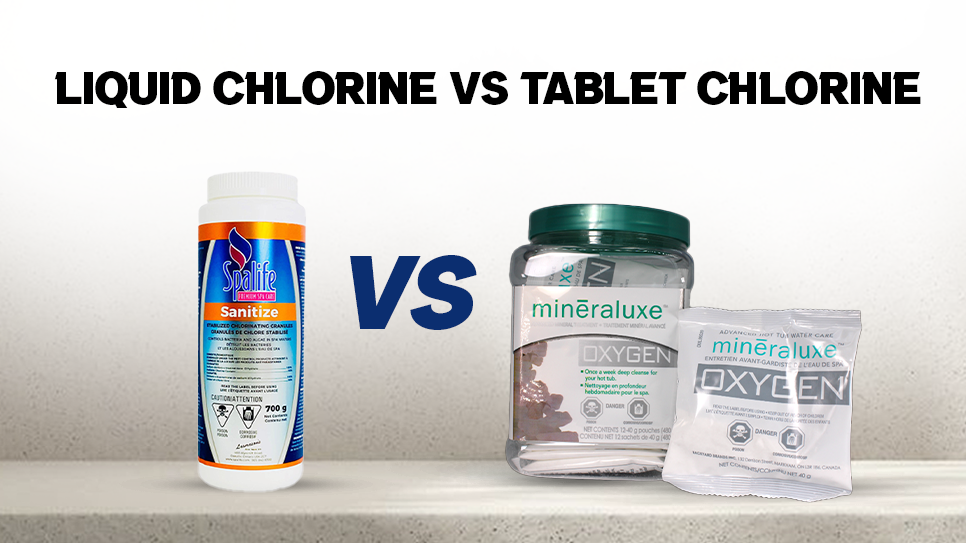
Many people think all chlorine is the same, but there are big differences. The most common types you’ll see for pools and hot tubs are liquid chlorine, chlorine granules, and chlorine tablets.
What Is Liquid Chlorine?
Liquid chlorine is a water-based solution, usually with 10-12% sodium hypochlorite. It’s strong, fast-acting, and often used for large pools. It comes in jugs and is easy to pour directly into water. Because it’s already dissolved, it works quickly.
Other Chlorine Forms
- Chlorine granules: These are dry crystals, often called “dichlor” or “trichlor.” You sprinkle them into the water. They dissolve quickly, but not instantly.
- Chlorine tablets: Hard, slow-dissolving disks that release chlorine over time. They are usually placed in a floating dispenser or feeder.
Each type acts a bit differently. That’s why you see separate products for pools and hot tubs.
Key Differences Table
Here’s a quick look at how these options compare:
| Type | Main Ingredient | Strength (%) | Use | Dissolves |
|---|---|---|---|---|
| Liquid chlorine | Sodium hypochlorite | 10-12% | Pools (large volume) | Instant |
| Granules (dichlor) | Sodium dichloroisocyanurate | 56-62% | Pools & hot tubs | Fast |
| Tablets (trichlor) | Trichloroisocyanuric acid | 90% | Pools (feeder) | Slow |
Is Liquid Chlorine Safe For Hot Tubs?
Liquid chlorine is safe for pools, but hot tubs are different. Here’s why:
High Temperature Changes Everything
Hot tubs run at 37-40°C (98-104°F). At these temperatures, liquid chlorine breaks down much faster. It gives off gas and loses power quickly. You need to add more often.
Small Water Volume
Hot tubs hold much less water than pools. A small mistake with chemicals has a bigger effect. Too much liquid chlorine can spike your sanitizer level and damage the tub or your skin.
Ph Impact
Liquid chlorine has a high pH (about 13). This can raise your hot tub’s pH, making it harder to control. High pH can cause cloudy water, scale, and reduce chlorine’s effectiveness.
Damage To Tub Parts
Some hot tub parts (like covers, pillows, jets, and seals) can wear out faster if exposed to harsh chemicals. Liquid chlorine can be rough on these materials if not used carefully.
Manufacturer Recommendations
Most hot tub makers advise against using liquid chlorine. They recommend dichlor granules instead. Using the wrong sanitizer could even void your warranty.
How Liquid Chlorine Works In Hot Tubs
If you still want to try liquid chlorine, it’s important to understand how it behaves in hot water.
Fast Action, Short Life
Liquid chlorine acts quickly. It will sanitize your water in minutes. But in hot water, it also breaks down in a few hours—much faster than granules.
Residual Chlorine
Because it disappears fast, your hot tub may not have enough residual chlorine to keep water safe between uses. You may need to add chlorine after every soak.
Dosage Is Tricky
In a small hot tub, the difference between the right dose and too much is small. Overdosing can cause strong chemical smells, skin and eye irritation, and damage to your tub.
Chlorine Demand Table
Here’s an example of how much liquid chlorine is needed for a standard 300-gallon (1136-liter) hot tub:
| Water Volume | Target Chlorine (ppm) | Liquid Chlorine (12.5%) Needed |
|---|---|---|
| 300 gallons | 3 ppm | 1.0 fl oz (30 ml) |
| 300 gallons | 5 ppm | 1.7 fl oz (50 ml) |
Most people use 3-5 ppm free chlorine for safe water. But testing is critical every time.
Pros And Cons Of Using Liquid Chlorine
Hot tub owners want the safest, easiest, and most cost-effective option. Liquid chlorine has both advantages and drawbacks.
Benefits
- Fast acting: Kills bacteria and algae quickly.
- No residue: Leaves nothing behind if used correctly.
- Easy to measure: Simple to pour and dose.
- Available: Found at pool stores and hardware shops.
Drawbacks
- Short lifespan: Breaks down rapidly in hot water.
- PH problems: Raises pH, making balancing harder.
- Hard on equipment: Can damage tub parts over time.
- Frequent dosing needed: Must add after every use.
- Not approved by many manufacturers: Can void warranty.
- Less stable: Sunlight and heat speed up breakdown.
What Most Owners Miss
Many new hot tub owners don’t realize how quickly chemicals can change in hot, small volumes. Liquid chlorine may seem cheaper, but you’ll use more, and it might cost more in the long run. Also, the need for constant testing and balancing often surprises beginners.
How To Use Liquid Chlorine In A Hot Tub (if You Must)
Some people still prefer liquid chlorine for cost or convenience. If you decide to use it, follow these steps for the safest results.
1. Test Water Before Adding
Always check your water’s pH, alkalinity, and chlorine level first. This helps prevent problems after dosing.
2. Add Liquid Chlorine Slowly
Pour the measured amount around the edge of the tub, with the pumps running. This helps mix it evenly.
3. Wait And Retest
Let the water circulate for at least 15-30 minutes. Test again before getting in. Adjust if needed.
4. Never Mix Chemicals
Do not add liquid chlorine at the same time as other sanitizers or shock products. Mixing can cause dangerous reactions.
5. Store Safely
Keep liquid chlorine in a cool, dark place away from children and pets. It loses strength if stored in heat or sunlight.
6. Watch For Irritation
If you notice itchy skin, red eyes, or a strong chemical smell, you may be using too much. Lower your dose and run the jets to help gas off any extra chlorine.
Example Dosing
For a 300-gallon hot tub, add about 1 fluid ounce (30 ml) of 12.5% liquid chlorine to raise chlorine by 3 ppm. Adjust based on your test results and how often you use the tub.
Two Hidden Risks
- Chlorine lock: If you add too much, you can create a high “combined chlorine” level, making the sanitizer less effective and causing odor. Regular shocking is needed.
- Fading covers and pillows: Over time, liquid chlorine exposure can bleach and crack vinyl or rubber parts. Use a floating cover to protect these.
Comparing Liquid Chlorine With Other Sanitizers
Choosing the right sanitizer depends on your needs, budget, and how much time you want to spend on maintenance.
Popular Hot Tub Sanitizers
- Dichlor granules (most common)
- Bromine
- Salt systems
- Biguanide (Baquacil)
How Do They Stack Up?
Here’s a simple comparison:
| Sanitizer Type | Pros | Cons |
|---|---|---|
| Liquid chlorine | Fast, cheap, available | Short-lived, pH spikes, harsh on parts |
| Dichlor granules | Stable, easy, less pH effect | More expensive, adds CYA (stabilizer) |
| Bromine | Stable in hot water, less odor | Harder to find, may irritate sensitive skin |
| Salt system | Low maintenance, soft water | Expensive upfront, needs cell replacement |
| Biguanide | No chlorine, gentle on skin | Costly, needs special products, less common |
Why Dichlor Is The Standard
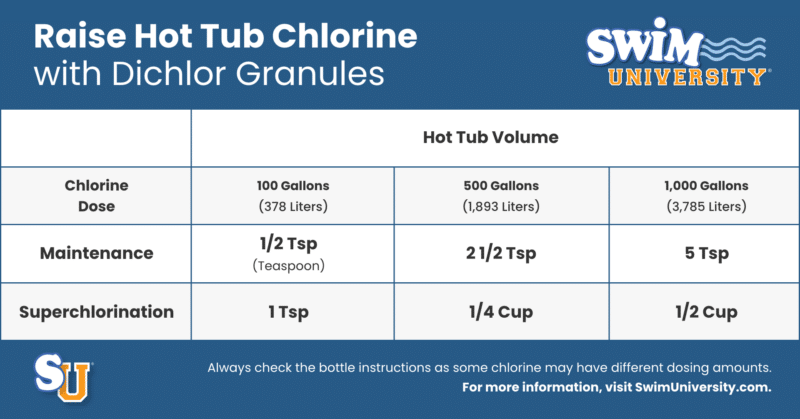
Most hot tub owners and brands choose dichlor granules because they are stable in hot water, easy to measure, and gentler on the tub. They dissolve quickly and don’t spike pH as much as liquid chlorine.
When Liquid Chlorine Might Work
Liquid chlorine can be useful for shocking the tub (giving a high dose to remove bacteria after heavy use). But for daily use, it’s usually not the first choice.
Credit: www.swimuniversity.com
How To Switch From Liquid Chlorine To Dichlor
If you’ve been using liquid chlorine and want to switch to dichlor granules, here’s what to do:
- Test all levels: Make sure pH and alkalinity are in the right range.
- Drain and refill (if possible): This removes any built-up byproducts.
- Start with dichlor: Add according to the label, aiming for 3-5 ppm.
- Monitor closely: Test daily at first, then weekly.
- Adjust as needed: Dichlor adds stabilizer (CYA), so watch those levels.
Switching is easy, but draining and refilling gives you a fresh start.
How To Maintain Water Balance With Liquid Chlorine
If you stick with liquid chlorine, you’ll need to pay close attention to your hot tub’s pH and alkalinity.
Why Ph Matters
- High pH (above 7.8): Reduces chlorine’s power, can cause scale.
- Low pH (below 7.2): Corrosive, bad for skin and equipment.
Liquid chlorine raises pH, so you may need to add pH reducer more often.
Testing Routine
- Test pH and chlorine every time you add chemicals.
- Adjust pH before adding more chlorine.
- Shock weekly to clear combined chlorine.
If you skip these steps, water can get out of balance quickly, leading to cloudy or unsafe water.
Common Mistake
Many beginners forget that liquid chlorine is much less stable in hot water. They add a dose, test right away, and think it’s enough. But by the next day, the chlorine is gone. This can lead to bacteria growth and unsafe water.
Always test before each soak—not just after adding chemicals.
Cost Comparison: Liquid Chlorine Vs. Other Options
Money matters to most hot tub owners. You might think liquid chlorine is cheaper, but let’s look closer.
Price Per Use
- Liquid chlorine: Lower price per jug, but needs frequent dosing.
- Dichlor granules: More expensive per pound, but lasts longer in hot water.
- Bromine: Pricey upfront, but steady and long-lasting.
Example Calculation
Suppose you use your hot tub three times a week. With liquid chlorine, you might need to add a dose after every soak, using up to 3-5 ounces (90-150 ml) a week. With dichlor, you might only need 1-2 doses per week.
Over a month, this adds up.
Cost Table (sample Data)
| Sanitizer | Monthly Cost | Refill Frequency |
|---|---|---|
| Liquid chlorine | $10-15 | Weekly |
| Dichlor granules | $15-20 | Every 2 weeks |
| Bromine tablets | $20-25 | Every 3 weeks |
Actual cost depends on usage, bather load, and water volume.
Long-term Effects On Your Hot Tub
Using the wrong sanitizer can shorten your hot tub’s lifespan.
Risk To Seals And Gaskets
High chlorine levels (or pH swings from liquid chlorine) can dry out rubber seals, causing leaks.
Fading And Cracking
Liquid chlorine can bleach soft items like covers, headrests, and seats.
Heater And Jet Damage
Unstable water balance is hard on metal parts. Corrosion can happen faster with liquid chlorine if not careful.
Warranty Issues
Some brands will not honor the warranty if you use unapproved chemicals. Always check your owner’s manual.
Environmental Impact
Many people forget that what goes into your hot tub often ends up in the environment when you drain it.
- Liquid chlorine breaks down quickly, but still adds chemicals to wastewater.
- Dichlor and bromine add stabilizers and other byproducts.
- Salt systems produce chlorine from salt, but brine can harm plants if drained on the lawn.
Always drain your hot tub according to local rules. Never dump water in the street or storm drains.
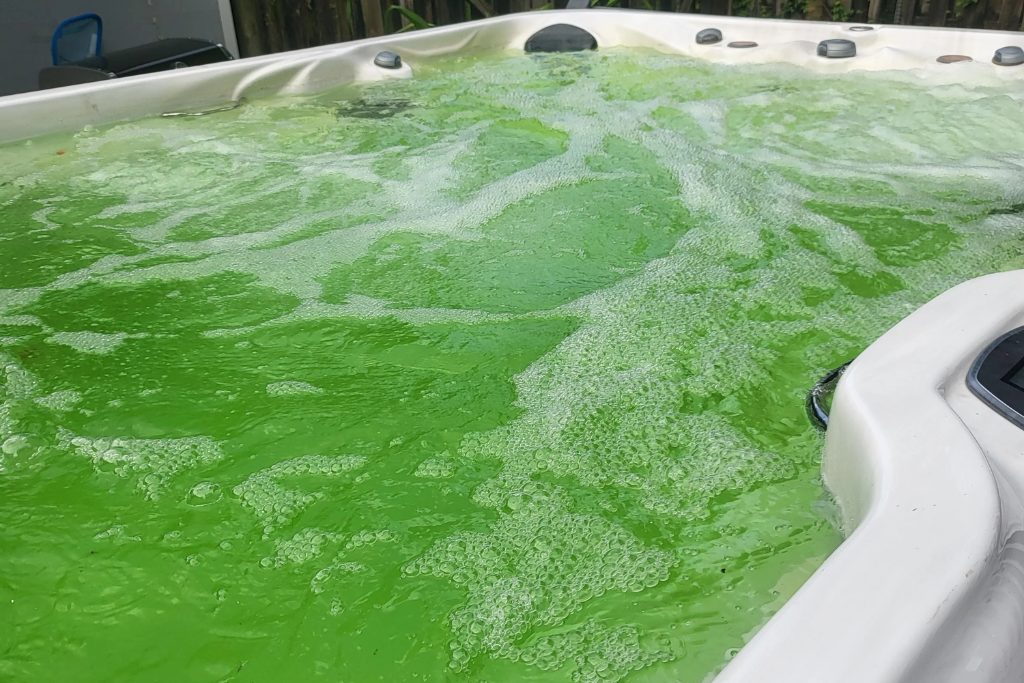
When Should You Not Use Liquid Chlorine?
Liquid chlorine is not the best choice in these cases:
- Sensitive skin or allergies: It can cause more irritation.
- Expensive hot tubs: Risk of voiding warranty or damaging parts.
- If you travel often: The short life of liquid chlorine means water can go bad if not dosed daily.
- No time to test: If you can’t test your water often, stick with more stable sanitizers.
Credit: www.frogproducts.com
Alternatives To Liquid Chlorine
If you don’t want the hassle or risks of liquid chlorine, try these:
- Dichlor granules: Best for most hot tubs. Easy, stable, and widely recommended.
- Bromine tablets: Good for high-temperature tubs, gentle on skin.
- Saltwater systems: Higher upfront cost but less chemical handling.
- Biguanide: For those allergic to chlorine or bromine, but requires a full system switch.
Ask your dealer or local pool store what works best for your model and water.
Practical Tips For Safe Hot Tub Sanitizing
- Always read labels: Never guess on chemical amounts.
- Test water before and after adding chemicals.
- Keep chemicals locked away from pets and children.
- Never mix different chlorine types. Dangerous reactions can happen.
- Change water every 3-4 months to keep things fresh.
- Rinse filters weekly. Clean filters help chemicals work better.
- Shower before soaking. Less sweat and oils means less sanitizer needed.
These habits save money and keep your hot tub safe.
Two Pro Insights Most Owners Miss
- Water temperature changes sanitizer needs. The hotter your tub, the faster chlorine breaks down. In winter, you may need more frequent dosing.
- Heavy use means more chemicals. If you have parties or use your tub daily, adjust your sanitizer routine. More people = more bacteria and sweat = more sanitizer needed.
Where To Learn More
If you want deep science on hot tub chemistry, visit the official CDC Hot Tub Disinfection Guide.
Credit: www.canadahottubparts.ca
Frequently Asked Questions
Is Liquid Chlorine The Same As Bleach?
No, but they are similar. Liquid chlorine for pools is stronger (10-12%) than regular household bleach (5-6%). Bleach can work in a pinch, but always use products meant for pools and hot tubs.
Can I Mix Liquid Chlorine With Bromine?
Never mix different sanitizers directly. Liquid chlorine and bromine can react and create dangerous gases or reduce effectiveness. Stick to one system at a time.
How Often Should I Add Liquid Chlorine To My Hot Tub?
Because liquid chlorine breaks down fast in hot water, you may need to add it after each use. Always test your water before and after adding any chemicals.
Will Using Liquid Chlorine Void My Hot Tub Warranty?
In many cases, yes. Most manufacturers recommend dichlor granules and warn against liquid chlorine. Check your owner’s manual or call your dealer before switching.
What’s The Best Way To Sanitize A Hot Tub For Beginners?
For most new owners, dichlor granules are the easiest, safest, and most reliable choice. They’re stable, easy to dose, and approved by nearly all hot tub makers.
Keeping your hot tub clean doesn’t have to be stressful. Choose the right sanitizer, test your water often, and follow your manufacturer’s advice. If you ever feel unsure, ask a pro or your dealer for help. A little care goes a long way toward safe, relaxing soaks for years to come.