
Soldering is an important skill in plumbing, HVAC, electronics, and even art projects. Many people wonder if you can solder soft copper—the flexible copper tubing commonly used in refrigeration, air conditioning, and water lines. This is a great question because soldering soft copper is not exactly the same as working with rigid copper pipes. In this article, you’ll learn everything you need to know about soldering soft copper, including the science behind it, the step-by-step process, common mistakes, and professional tips for clean, reliable joints.
Understanding Soft Copper
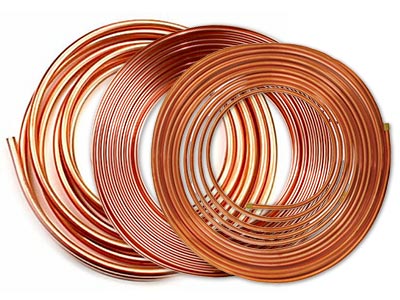
Soft copper is different from hard or rigid copper. It is annealed, meaning it has been heat-treated to make it more flexible. This flexibility allows it to be bent by hand or with simple tools without cracking or kinking. Soft copper comes in coils and is often used where bends and curves are necessary.
Where Is Soft Copper Used?
- Water supply lines (especially in older homes)
- Refrigeration and air conditioning (HVAC) systems
- Propane or natural gas lines (with proper fittings)
- Some medical gases in hospitals
Properties Of Soft Copper
- Flexible: Can be bent easily compared to rigid copper.
- Standard Sizes: Common sizes include 1/4″, 3/8″, 1/2″, and 5/8″ outer diameter.
- Annealed Structure: Makes it softer but also means it can deform if overheated.
Can You Solder Soft Copper?
Yes, you can solder soft copper. In fact, soldering is a standard method for joining soft copper tubes in plumbing and HVAC work. The process is very similar to soldering rigid copper, but there are a few important differences and risks to consider.
Why Soldering Works For Soft Copper
Soldering joins metal parts by melting a filler metal (solder) into the joint. Both soft and rigid copper are compatible with this process because copper is an excellent conductor of heat and does not oxidize quickly under the conditions used for soldering.
Key Differences: Soft Vs. Rigid Copper
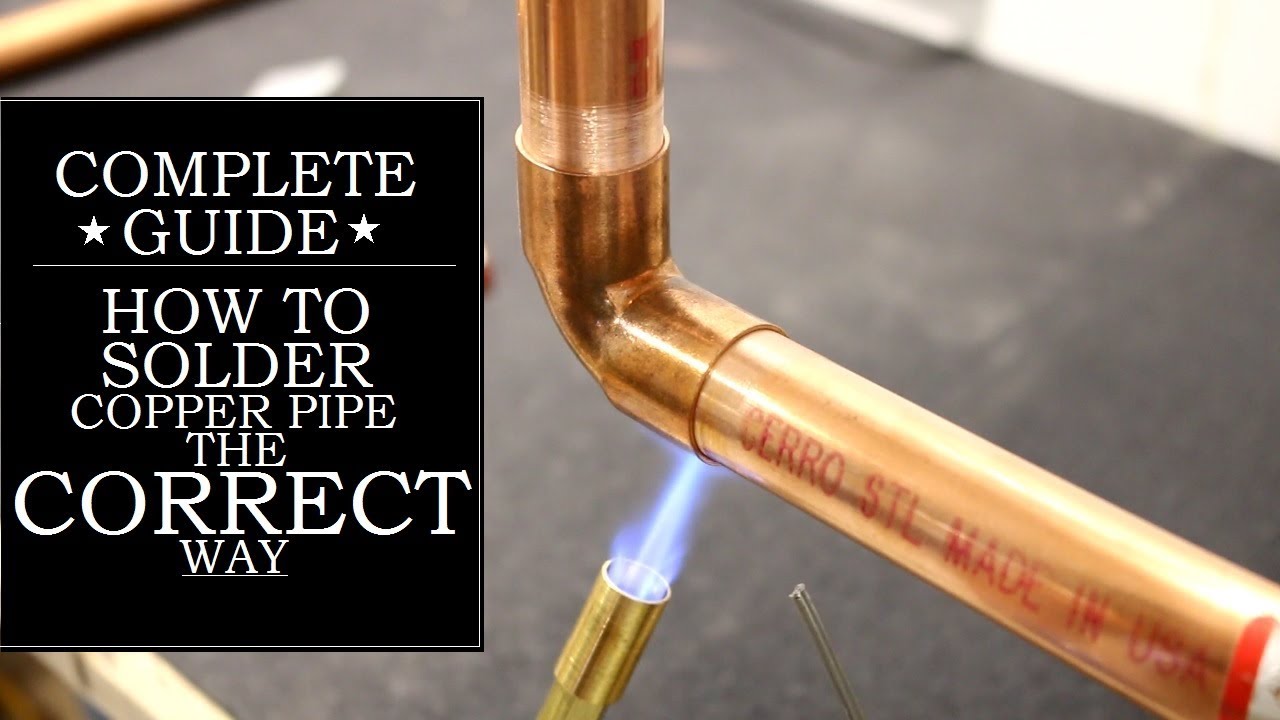
Soft copper can deform more easily under heat. If you use too much heat, the tube may collapse or develop a thin spot. Also, soft copper is sometimes made with thinner walls, especially in smaller diameters, increasing the risk of accidental damage.
Credit: www.youtube.com
Tools And Materials Needed
Before starting, gather the right tools and materials. Having the proper equipment is essential for success and safety.
Essential Tools
- Propane or MAPP gas torch: Used to heat the joint.
- Tube cutter: For clean, square cuts on copper tubing.
- Deburring tool or reamer: To remove sharp edges inside the pipe after cutting.
- Wire brush or emery cloth: For cleaning the pipe and fittings.
- Flux brush: For applying flux to the joint area.
- Heat shield: Protects nearby surfaces from torch flames.
- Fire extinguisher: Always keep nearby for safety.
Materials Needed
- Soft copper tubing: Cut to the required length.
- Copper or brass fittings: Compatible with soft copper.
- Lead-free solder: Safe for potable water lines.
- Soldering flux: Helps the solder flow and prevents oxidation.
- Wet rag: For cleaning up excess solder and cooling the joint.
Preparing Soft Copper For Soldering
Proper preparation is crucial for a strong soldered joint. Skipping steps can lead to leaks or weak connections.
Cutting And Fitting
- Use a tube cutter for a clean, square cut.
- Deburr the inside of the pipe. Burrs can cause turbulent water flow or damage to seals.
- Dry fit the pieces together to ensure they fit snugly but can be easily separated.
Cleaning
Copper must be free of dirt, grease, and oxidation for solder to bond well.
- Clean the outside of the tube and the inside of the fitting with a wire brush or emery cloth until shiny.
- Avoid touching cleaned areas with your fingers, as oils from your skin can interfere with soldering.
Applying Flux
- Use a brush to apply a thin, even layer of flux to both the outside of the pipe and the inside of the fitting.
- Flux prevents oxidation during heating and helps the solder flow evenly into the joint.
The Soldering Process: Step-by-step
Soldering soft copper is straightforward if you follow each step carefully. Here’s how to do it right:
1. Assemble The Joint
- Push the cleaned and fluxed pipe into the fitting as far as it will go.
- Rotate the pipe slightly to spread the flux evenly.
2. Apply Heat
- Use a propane or MAPP gas torch.
- Move the flame back and forth around the joint, not just in one spot.
- Heat the fitting, not the pipe, as the fitting is thicker and will conduct heat into the joint.
Pro Tip: For small-diameter soft copper (like 1/4″ or 3/8″), use a smaller flame and heat for less time. Overheating can cause the pipe to collapse.
3. Apply Solder
- Touch the solder to the joint—not directly in the flame. When the joint is hot enough, the solder will melt and be drawn into the gap by capillary action.
- Move the solder tip around the joint for even coverage.
- You’ll know you have enough solder when a thin ring of solder appears all the way around the joint.
4. Cool And Clean
- Remove the heat and wipe the joint with a wet rag to remove excess flux and cool the joint.
- Be careful not to move the joint while the solder is still liquid.
Table: Comparison Of Soldering Soft Vs. Rigid Copper
Here’s a quick look at the main differences:
| Feature | Soft Copper | Rigid Copper |
|---|---|---|
| Flexibility | Very flexible | Rigid, cannot bend by hand |
| Wall Thickness | Usually thinner | Thicker, more robust |
| Heat Tolerance | Lower, can deform easily | Higher, more forgiving |
| Common Uses | Refrigeration, water lines | House plumbing, gas lines |
| Fitting Type | Sweat or flare | Sweat |
Soft Copper Soldering: Common Problems And How To Avoid Them
Even experienced DIYers make mistakes when soldering soft copper. Here’s what to watch for:
Overheating
Soft copper has a lower tolerance for heat. Too much heat can cause the pipe to collapse, thin out, or even create a hole. Always use the smallest flame that will do the job, and remove heat as soon as the solder flows.
Poor Cleaning
Solder will not bond to dirty or oxidized copper. Always clean with a wire brush or emery cloth right before soldering.
Not Enough Flux
Flux is essential for a good bond. Without enough, the solder will not flow into the joint. Be thorough but don’t overdo it—too much flux can make a mess.
Moving The Joint Too Soon
If you move the joint before the solder cools, you can cause leaks or cracks. Hold everything steady until the joint is cool to the touch.
Using The Wrong Solder
For water lines, always use lead-free solder. Leaded solder is toxic and banned for potable water in many countries.
Fitting Too Loose Or Too Tight
If the fitting is too loose, the solder will not fill the gap and leaks may form. If it’s too tight, flux and solder cannot enter, creating a weak joint.
Table: Common Mistakes And Solutions
Here’s a summary of mistakes and how to solve them:
| Mistake | What Happens | How to Fix |
|---|---|---|
| Overheating pipe | Pipe collapse, holes | Use smaller flame, heat fitting not pipe |
| Poor cleaning | Weak joint, leaks | Clean until shiny before soldering |
| Not enough flux | Solder won’t flow | Apply thin, even flux layer |
| Moving joint early | Cracks, leaks | Hold steady until cool |
| Wrong solder | Toxic water, weak joint | Use lead-free solder for drinking water |
Soldering In Special Applications
Not all soft copper soldering is the same. Different applications have extra requirements.
Plumbing (water Lines)
Soldering soft copper for water supply requires lead-free solder and careful cleaning. Avoid overheating, as soft copper is often used in tight spots near walls and floors.
Refrigeration And Air Conditioning (hvac)
HVAC systems often use soft copper with thinner walls. These systems sometimes require silver-bearing solder (brazing alloys) for high-pressure lines, but for low-pressure joints, standard soldering is acceptable. Always check the manufacturer’s recommendations.
Gas Lines
Soft copper can be used for gas, but local codes often require flared fittings instead of soldered joints. This is because vibration or movement can weaken soldered joints over time.
Medical Gas Lines
Hospitals use soft copper for medical gases. Soldering is allowed, but the process must be extremely clean, and only approved fluxes and solders are used to prevent contamination.
When Not To Solder Soft Copper
Soldering is not always the best or allowed method for joining soft copper. Here are situations to avoid:
- High-pressure lines: Use brazing, not soldering, for refrigeration lines above 100 psi.
- Vibration-prone systems: Soldered joints can fail if the tubing moves frequently. Use flared or compression fittings.
- Aluminum or steel fittings: Never try to solder copper to aluminum or steel with standard solder; the bond will be weak or fail completely.
Credit: www.plumbingsupply.com
Alternatives To Soldering Soft Copper
There are other ways to join soft copper, each with pros and cons.
Flared Fittings
A flare fitting is made by expanding the end of the copper tube with a special tool, then tightening a nut over the flare. This method is popular in refrigeration and gas lines.
Pros:
- No heat required
- Good for vibration-prone connections
Cons:
- Requires special tools
- May leak if not tightened properly
Compression Fittings
A compression fitting uses a brass ring (ferrule) that is compressed onto the tube by tightening a nut.
Pros:
- Easy to install
- No heat needed
Cons:
- Can loosen over time
- Not always approved for underground or concealed use
Push-to-connect Fittings
These fittings snap onto the copper pipe and seal with an internal O-ring.
Pros:
- Very fast and easy
- No tools or heat required
Cons:
- More expensive
- Not always suitable for all pressures or temperatures
Table: Joining Methods For Soft Copper
A side-by-side look at the most common joining options:
| Method | Tools Needed | Best For | Weakness |
|---|---|---|---|
| Soldering | Torch, flux, solder | Water lines, low pressure | Can deform pipe if overheated |
| Flare | Flare tool, wrenches | Gas, refrigeration | Needs precision and tools |
| Compression | Wrenches | Temporary or test setups | Can loosen, not for all codes |
| Push-to-connect | None | Quick fixes, DIY | Expensive, not for all pressures |
Tips For Perfect Soldered Joints On Soft Copper
Here are some valuable tips, including insights many beginners miss:
- Pre-bend before soldering: Always bend your soft copper to its final shape before you solder. Bending after soldering can crack the joint or break the seal.
- Heat sink trick: Clamp a wet rag or use a heat sink paste a few inches from your joint. This protects nearby fittings or valves from heat damage.
- Use the right torch tip: For small-diameter soft copper, use a fine-tip torch for better control. Large flames can overheat the pipe quickly.
- Check for leaks with air, not water: After soldering, use compressed air and soapy water to check for leaks, especially in refrigeration lines. Water can cause corrosion inside the pipe if not dried properly.
- Inspect inside the pipe: Look for excess solder that might drip inside the pipe and block water flow. Too much solder can create a “solder icicle” that restricts the line.
- Practice on scrap pieces: If you’re new, practice soldering on extra pieces of soft copper to learn how quickly the pipe heats up compared to rigid copper.
Safety Considerations
Soldering involves heat and chemicals, so safety is very important.
- Ventilation: Work in a well-ventilated area to avoid inhaling flux fumes.
- Eye protection: Wear safety glasses to prevent burns from solder splashes.
- Fire safety: Keep a fire extinguisher nearby and use a heat shield to protect walls or wood framing.
- Proper disposal: Clean up flux and solder drips, especially if working around drinking water lines.
The Science Behind Soldering Copper
Copper’s high thermal conductivity means it heats up and cools down quickly. The key to a strong joint is heating the fitting and the pipe evenly so the solder melts and is drawn into the gap by capillary action. If only the pipe or only the fitting is hot, the solder will not flow properly, leading to weak joints.
Flux is a chemical cleaner and flow aid. It keeps the copper from oxidizing while hot and helps the solder stick to the metal. Always use flux approved for your application—especially for drinking water.
Non-obvious insight: The annealed structure of soft copper can change if you overheat it. Over time, repeated heating can harden the copper near the joints, making it more likely to crack if bent later. That’s why you should always bend soft copper to shape before soldering.
How Professionals Get Leak-free Joints Every Time
- They clean and flux carefully.
- They use just enough heat—never too much.
- They keep the joint steady until fully cool.
- They check their work with pressure or leak tests.
- They know local codes and follow them (especially for gas or medical lines).
Even experienced pros sometimes have a joint leak. The best fix is to remove the fitting, clean everything, and try again. Reheating a bad joint often makes things worse.
When To Call A Professional
If you are not confident with a torch, or if you’re working on critical systems like gas lines, medical gases, or high-pressure refrigeration, it’s best to call a licensed plumber or HVAC technician. Mistakes can be dangerous or costly. Local building codes may require a pro for certain jobs.
For more on plumbing codes and copper pipe safety, see the Wikipedia soldering article.
Frequently Asked Questions
Can You Solder Soft Copper To Brass Fittings?
Yes, you can solder soft copper to brass fittings as long as you use the right flux and solder. Clean both surfaces well, apply flux to each, and heat the joint evenly. Brass and copper bond well with standard lead-free solder.
Is It Better To Flare Or Solder Soft Copper?
It depends on the application. Flaring is preferred for gas and refrigeration lines because it handles vibration better and is often required by code. Soldering is common for water lines and low-pressure systems. Always check local codes before deciding.
Can You Use A Regular Propane Torch For Soft Copper?
A regular propane torch works for most soft copper soldering tasks. For larger pipes or colder environments, a MAPP gas torch heats faster. Use a small flame for small-diameter copper to avoid overheating.
What Is The Best Solder For Soft Copper Pipes?
Use lead-free solder for any drinking water or plumbing lines. For refrigeration, you may need a silver-bearing solder or brazing alloy for high-pressure sections. Always match the solder to your application and check codes.
How Do You Fix A Soft Copper Joint That Leaks?
If a soldered joint leaks, it’s best to remove the fitting, clean both parts thoroughly, apply fresh flux, and resolder. Reheating and adding more solder without cleaning rarely works. Check for cracks or damage—if the pipe is deformed, cut out the bad section and start fresh.

Credit: www.amazon.com
Final Thoughts
Soldering soft copper is a valuable skill that almost anyone can learn with practice and patience. Whether you’re repairing a water line, installing a refrigerator, or working on an art project, understanding the differences between soft and rigid copper is essential.
Take time to prepare, use the right materials, and never rush the job. If you follow the steps above and avoid common mistakes, you’ll get clean, strong, and leak-free joints every time. And when in doubt—especially with critical systems—never hesitate to call a professional.
With the right approach, soft copper soldering is safe, reliable, and a great addition to your DIY toolkit.