
If you own a pool, you want clear, blue water that feels inviting. But sometimes, you look down and see brown dust on the bottom of your pool. This sight can be confusing and frustrating. You vacuum it up, but the dust often comes back. Many pool owners wonder: what causes this brown dust, and how can you get rid of it for good?
This guide will help you understand every detail about brown dust in pools. We’ll explore what it is, why it shows up, how to fix the problem, and how to prevent it from returning. You’ll also find practical tips, real-world examples, and answers to common questions.
Whether you’re a new pool owner or have been maintaining pools for years, you’ll find clear advice to keep your pool looking its best.
What Is Brown Dust On The Bottom Of A Pool?
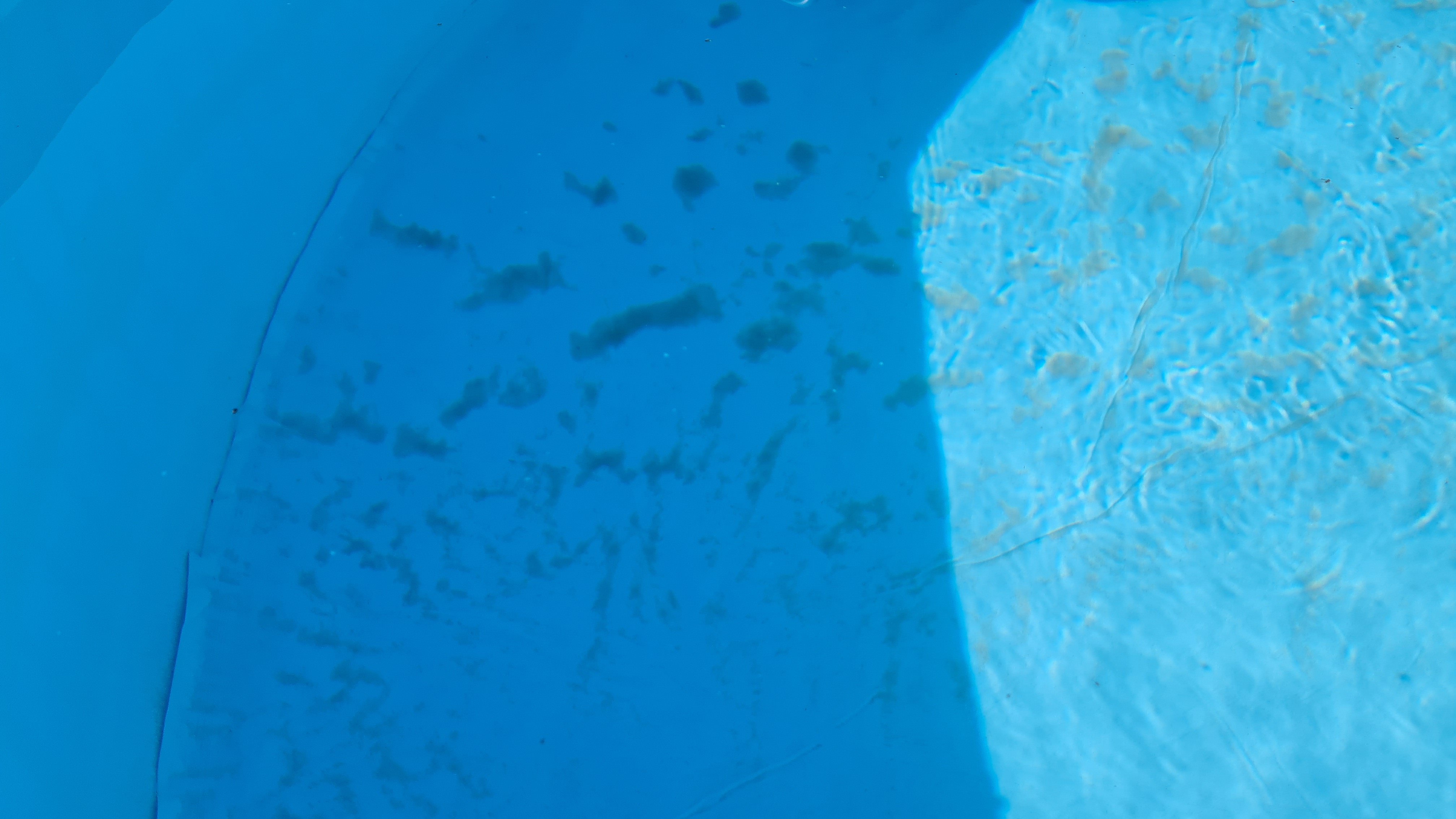
Brown dust on the pool floor is a thin layer of fine brown particles that settle after the water has been still for a while. It often appears overnight or after a few hours without swimming. This dust can be easily stirred up by swimming or brushing, making the water cloudy.
This issue is not just about looks. Brown dust can signal deeper problems with your pool’s health. It may be algae, dirt, rust, or even dead organic matter. Knowing the true cause is the first step toward a clear pool.
Different Types Of Brown Dust
Not all brown dust is the same. Here are some of the most common types:
- Mustard algae: A yellow-brown algae that grows in shady parts of the pool.
- Dirt or silt: Fine soil particles blown in by wind or carried in by rain.
- Rust: From corroded metal parts or iron in your water source.
- Dead organic matter: Leaves, pollen, or insects that break down into dust.
- Pool chemical residue: Sometimes, leftover chemicals can settle as brown particles.
Each type needs a different solution. That’s why accurate identification is so important.
Main Causes Of Brown Dust On The Pool Floor
Understanding why brown dust forms helps you fix the problem at its source. Here are the main causes:
1. Mustard Algae
Mustard algae is a common cause of brown dust. It looks yellow-brown and is often found in shaded areas, on pool walls, or on the floor. Unlike green algae, mustard algae feels powdery and easily brushes away, but it comes back quickly if not treated.
Mustard algae can survive in pool equipment and swimsuits. It’s resistant to normal chlorine levels and often needs a special treatment. Many pool owners mistake it for dirt, so it is often ignored.
2. Dirt And Silt
Pools that are close to gardens, dirt roads, or construction areas often collect dirt and silt. Wind, rain, or even feet can bring fine soil into the water. This dust settles quickly and is sometimes mistaken for algae.
Dirt usually feels gritty when you rub it between your fingers, while algae feels slimy. The difference is important for treatment.
3. Rust Or Metals
If you have rusty pool parts—like ladders, screws, or even metal pipes—rust particles can fall into the pool and settle as brown dust. Water with high iron content (often from wells) can also cause brown stains and dust.
Rust stains don’t brush away easily. They may need a special cleaner or metal sequestrant to remove them.
4. Organic Debris
Leaves, pollen, and insects that fall into the pool can break down into brown dust over time. Pools surrounded by trees see this problem more often, especially in fall or after storms.
This debris not only makes the pool look dirty but can feed algae growth if not cleaned up quickly.
5. Pool Chemical Residue
Sometimes, leftover or improperly mixed pool chemicals can settle as brown dust. This is less common but can happen if you pour chemicals directly into the water instead of diluting first.
Improper chemical use can also damage pool surfaces or equipment, leading to more dust.
Credit: www.reddit.com
How To Identify The Type Of Brown Dust
Before you clean, you need to know what you’re dealing with. Here are some simple ways to identify the cause:
Visual Inspection
- Mustard algae: Yellow-brown, powdery, forms in shady spots, brushes away easily, returns quickly.
- Dirt or silt: Light brown, gritty texture, found near pool edges, doesn’t grow or spread.
- Rust: Reddish-brown, may have streaks or stains, harder to brush off.
- Organic debris: Darker brown, may be mixed with bits of leaves or insects, found after storms.
- Chemical residue: Can be patchy, may cause irritation, appears after adding chemicals.
The White Towel Test
Brush some of the dust into a white towel. If it stains yellow-brown, it’s likely mustard algae. If it’s gritty and doesn’t stain, it’s probably dirt.
Water Testing
Test your water for iron, copper, or other metals. High levels suggest rust or metal dust. Check chlorine and pH levels, too—low chlorine makes algae more likely.
Location And Timing
- Dust that comes back quickly after cleaning is usually algae.
- Dust that appears after wind or rain is usually dirt or organic matter.
- Dust near metal fixtures may be rust.
How To Remove Brown Dust From The Pool
Once you know the cause, you can choose the right cleaning method. Here’s how to remove each type:
Removing Mustard Algae
Mustard algae is stubborn. Here’s what to do:
- Brush the pool: Use a stiff pool brush on all surfaces, especially corners and shady spots.
- Shock the pool: Use a high dose of chlorine or an algae killer. Follow package instructions—usually 2-3 times the normal shock amount.
- Vacuum to waste: Don’t use the filter. Set your vacuum to “waste” so the algae doesn’t cycle back into the pool.
- Clean equipment: Wash swimsuits, nets, and brushes in a bleach solution.
- Run the pump: Keep it running for 24-48 hours.
- Test and balance water: Adjust pH and chlorine levels.
Repeat if the dust returns. Mustard algae can hide in filters and equipment.
Removing Dirt And Silt
Dirt is easier but still annoying. Here’s how to get rid of it:
- Brush the pool: Loosen the dust from surfaces.
- Vacuum to waste or filter: If your filter is strong, vacuum as normal. For very fine silt, use “waste” mode if possible.
- Backwash the filter: Clean your filter after vacuuming.
- Use a clarifier: Pool clarifiers clump fine particles so the filter can catch them.
- Check landscaping: Add barriers or ground cover to reduce blowing dirt.
Removing Rust Or Metal Dust
If metals are the problem:
- Test for metals: Use a pool test kit for iron and copper.
- Use a metal sequestrant: This binds metals so they don’t stain surfaces.
- Vacuum the pool: Remove visible dust.
- Check fixtures: Replace rusty parts.
- Shock if needed: If you see algae too.
Removing Organic Debris
If leaves and pollen are the source:
- Skim and net debris: Remove large pieces daily.
- Brush and vacuum: Get rid of fine particles.
- Clean the filter: Organic matter can clog filters.
- Shock the pool: Kills any bacteria or algae.
Removing Chemical Residue
- Dilute chemicals before adding: Always mix in a bucket first.
- Brush and vacuum: Remove settled particles.
- Check water chemistry: Make sure levels are balanced.
Example: Removing Mustard Algae Step-by-step
Here’s a real-world example for mustard algae:
- Test water: PH should be 7.2–7.6, chlorine at least 2 ppm.
- Brush all surfaces, including steps and behind ladders.
- Shock with triple the normal chlorine.
- Vacuum to waste the next morning.
- Clean pool toys and suits in bleach water.
- Run the filter 48 hours.
- Retest and adjust chemicals.
If you skip the cleaning of equipment or don’t shock enough, the algae will return.
Preventing Brown Dust From Returning
Prevention saves you time and money. Here’s how to keep your pool dust-free:
Keep Water Balanced
Test your water weekly. Maintain:
- PH: 7.2–7.6
- Chlorine: 1–3 ppm
- Alkalinity: 80–120 ppm
- Calcium hardness: 200–400 ppm
Balanced water stops algae and prevents damage to surfaces.
Regular Brushing And Vacuuming
Brush pool walls and floor at least once a week. Vacuum as needed, especially after storms.
Use A Pool Cover
Covers keep out dirt, leaves, and pollen. Use them when the pool is not in use.
Clean Filters Often
A dirty filter can’t trap fine dust. Backwash sand or DE filters every 1–2 weeks. Clean cartridge filters monthly.
Control Landscaping
Plant grass or ground cover around the pool. Avoid bare soil or mulch that can blow in.
Check Equipment For Rust
Inspect ladders, screws, and other metal parts. Replace rusty items and use stainless steel when possible.
Shock The Pool Regularly
Shocking kills hidden algae and bacteria. Do it after heavy use, storms, or every 2–4 weeks as a routine.
Wash Pool Accessories
Algae can cling to floats, toys, and swimsuits. Rinse them after use, especially if you had an algae outbreak.
Use Clarifiers And Sequestrants
Add a pool clarifier if you notice cloudy water or fine dust. Use metal sequestrants if your water has iron or copper.
Common Pool Owner Mistakes (and How To Avoid Them)
Most brown dust problems can be avoided with good habits. Here are mistakes to watch for:
- Ignoring small patches of dust: Algae grows fast. Treat early.
- Vacuuming to the filter instead of waste: For algae, always vacuum to waste.
- Skipping brushing: Algae and dust stick to surfaces and can’t always be vacuumed.
- Not testing water often: Water can look clean but still be unbalanced.
- Adding chemicals incorrectly: Always dilute and add slowly.
- Cleaning only after problems appear: Preventive cleaning is easier than fixing an outbreak.
- Not cleaning pool accessories and equipment: These can reintroduce algae or dust.
- Letting landscaping erode: Bare soil near the pool is a constant source of dust.
- Not using a pool cover: Covers stop most debris before it enters the water.
Comparing Brown Dust Causes And Solutions
Here’s a quick comparison to help you match the problem with the right fix:
| Cause | Appearance | Best Removal Method | Prevention Tip |
|---|---|---|---|
| Mustard Algae | Yellow-brown, powdery | Shock, brush, vacuum to waste | Keep chlorine high, wash gear |
| Dirt/Silt | Light brown, gritty | Brush, vacuum, clarifier | Cover pool, plant grass |
| Rust/Metals | Reddish-brown, stains | Sequestrant, replace parts | Test water, use stainless steel |
| Organic Debris | Dark brown, bits visible | Skim, vacuum, shock | Skim daily, cover pool |
| Chemical Residue | Patchy, after chemical use | Brush, vacuum, balance water | Dilute chemicals first |
Advanced Tips: When Brown Dust Keeps Coming Back
Sometimes, even with good cleaning, brown dust returns. Here are advanced tips most beginners miss:
1. Deep Clean The Filter System
If you’ve had mustard algae or lots of dust, your filter may be contaminated. Take apart cartridge filters and clean with a filter cleaner. For sand or DE filters, do a deep backwash or change the media if it’s old.
2. Check For Hidden “dead Spots”
Some pools have areas with poor water flow—under steps, behind ladders, in corners. These spots collect dust and algae. Brush these areas more often and aim return jets to improve circulation.
3. Test Source Water
If you refill your pool from a well or river, test the water for iron and other metals before adding. Use a pre-filter if needed.
4. Inspect Pool Surfaces
Rough, pitted pool walls or floors trap dust and algae. Repair damaged surfaces and keep them smooth.
5. Monitor For Water Leaks
A small leak can draw in dirt from outside, especially with an underground pool. Check your water level and inspect for wet spots around the pool.
Data Table: Brown Dust Problems By Pool Type
Different pools face different risks. Here’s a look at which pools are most likely to see brown dust:
| Pool Type | Common Brown Dust Source | Difficulty to Remove |
|---|---|---|
| Inground, Concrete | Mustard algae, dirt, rust | Medium |
| Above-ground, Vinyl | Organic debris, silt | Easy |
| Fiberglass | Dirt, metal stains | Easy |
| Saltwater | Algae, metal stains | Medium |
| Heated Pools | Algae, organic debris | Hard |
Practical Examples: Real Pool Owner Stories
Example 1: Mustard Algae Battle
A family in Texas noticed yellow-brown dust returning every week, even after vacuuming. They realized it was mustard algae. After shocking the pool three times the normal dose, brushing daily, and cleaning all toys and gear, the algae stayed away. They also increased weekly chlorine and now check water chemistry twice a week.
Example 2: Dirt From Windy Weather
A pool in Arizona, close to a dirt road, had constant brown dust. The owner added a pool cover, planted grass around the fence, and used a clarifier after each storm. They also vacuumed twice a week instead of once.
The dust problem dropped by 80%.
Example 3: Metal Stains From Well Water
A rural homeowner filled their pool with well water and saw brown dust and stains. A water test showed high iron levels. They started using a metal sequestrant and installed a filter for their fill water. The stains faded, and dust stopped forming.

Credit: www.reddit.com
When To Call A Professional
Most brown dust problems can be handled yourself. But call a pool professional if:
- Dust returns no matter what you do
- You see rust stains that won’t come off
- Water tests show very high metals or other unsafe levels
- Your filter system needs expert repair
A professional can do detailed water testing, inspect for leaks, and recommend solutions for stubborn problems.
Latest Research: Pool Dust And Water Quality
Recent studies show that fine dust in pools can bring in bacteria and nutrients that help algae grow. Regular cleaning is important not just for looks, but for health. Mustard algae, in particular, can survive in low light and low chlorine, so routine shock and cleaning are necessary. For more, see this CDC residential pool guide.
Credit: www.poolspaforum.com
Frequently Asked Questions
What Is The Most Common Cause Of Brown Dust In Pools?
The most common cause is mustard algae, especially in sunny climates. Dirt and silt are also frequent sources, especially in windy or rural areas.
Can Brown Dust Harm Swimmers?
Most brown dust is not dangerous, but mustard algae can cause skin irritation. Dust from dirt may carry bacteria if not cleaned up. Keep water well balanced to stay safe.
Will A Robotic Pool Cleaner Remove Brown Dust?
Some robotic cleaners can pick up fine dust, but for algae, manual vacuuming to waste is better. Robotic cleaners are best for dirt and silt, but may miss very fine particles.
How Often Should I Shock My Pool To Prevent Brown Dust?
Shock the pool every 2–4 weeks, or after storms, heavy use, or if you see signs of algae. Regular shocking stops dust from returning.
Why Does Brown Dust Keep Coming Back After Vacuuming?
If dust returns quickly, it’s usually algae or a filter problem. Make sure to shock the pool, clean the filter deeply, and wash all pool gear. Also, check for poor circulation or dead spots in your pool.
Keeping your pool clear of brown dust takes attention, but with the right steps, you can enjoy clean, sparkling water all season. By understanding the causes and following smart maintenance, you’ll avoid most problems and keep your pool safe and beautiful.