
R, gentle on skin, but not compatible with chlorine or bromine and can be more expensive.
- Ozone or UV Systems: These are supplemental systems. They reduce the need for chemical sanitizers but do not fully replace them. You will still need to add some chlorine or bromine to keep your hot tub safe.
Each alternative comes with its own maintenance routine, cost, and learning curve. For example, bromine tablets are slower to dissolve and require a feeder or floating dispenser, but they maintain a more stable sanitizer level at high temperatures. Saltwater systems give a “softer” feel to the water, which many users prefer, but the upfront cost for equipment is higher.
Ozone and UV systems help break down contaminants and reduce chemical use, but you’ll need to keep the generator running and replace bulbs or parts as needed.
If you’re curious about how these options might work for your situation, talk to your hot tub dealer or check trusted resources like the [Centers for Disease Control and Prevention’s Pool Chemistry Guidelines](https://www.cdc.gov/healthywater/swimming/residential/disinfection-testing.html) for more information.
Troubleshooting Common Problems With Liquid Chlorine
Even with careful dosing, things can go wrong. Here’s how to handle common issues:
Cloudy Water
This is often caused by high pH or inadequate chlorine. Test and adjust both levels. If water is still cloudy, check your filter and clean or replace it if needed. Sometimes, tiny particles are suspended in the water. A clarifier can help, but the real fix is almost always better water balance.
Strong Chlorine Smell
Many people think a strong smell means too much chlorine, but it’s usually the opposite. That odor comes from chloramines—compounds formed when chlorine reacts with contaminants. The solution is to “shock” the hot tub by adding a higher dose of chlorine to break down these compounds. Make sure to ventilate the area while doing this.
Itchy Skin Or Red Eyes
This can be due to high chlorine, high pH, or chloramines. Always test before soaking. If levels are high, wait and retest. If you’re sensitive, try showering before entering the hot tub to reduce body oils and lotions, which use up chlorine.
Scaling Or White Buildup
This is a sign of high pH, high calcium, or both. Use a pH decreaser and adjust calcium hardness with a specialized product. Wipe away any buildup gently to avoid scratching surfaces.
Low Chlorine Even After Adding
If your chlorine level drops quickly, you may have high organic contamination or high bather load. Shock the tub, clean the filter, and reduce use until levels stabilize. Sometimes, old or weak chlorine is the culprit—make sure you’re using fresh liquid.
Tips For Making Liquid Chlorine Work In Your Hot Tub
A few smart habits can make using liquid chlorine easier and safer:
- Add chlorine at night: Sunlight breaks down chlorine fast, even indoors if there are windows. Adding it after sunset means it lasts longer.
- Use a measuring cup: Don’t guess—measure every dose.
- Log your readings: Keep a simple notebook by your hot tub and track pH, chlorine, and other levels. You’ll spot trends and solve problems faster.
- Clean your filter regularly: Dirty filters stress your sanitizer and lead to cloudy water.
- Drain and refill every 3-4 months: All hot tubs need fresh water eventually. Draining removes buildup of minerals, stabilizers, and contaminants that chemicals can’t fix.
- Start with dichlor: Some experts recommend using dichlor for the first few weeks after a refill to add a little CYA for stability, then switching to liquid chlorine. This hybrid approach gives you the best of both worlds—just don’t let CYA climb too high.

Credit: www.amazon.com
Why Water Testing Is More Important With Liquid Chlorine
When using liquid chlorine, small mistakes can have a big impact. For example, an extra ounce in a small spa can push chlorine levels too high, making the water unsafe. Or, if you miss a day of testing, chlorine could fall too low, letting bacteria grow.
Investing in a good water test kit is one of the smartest decisions you can make. Look for one that tests free chlorine, pH, alkalinity, and calcium hardness. Digital testers are available, but high-quality drop kits are often more accurate for home users.
Testing should become part of your routine—test before each soak, and at least two to three times a week even if you’re not using the hot tub.
The Real-world Experience Of Hot Tub Owners
Many experienced hot tub owners share their stories on forums and social media. Some say liquid chlorine is a great money-saver, especially if you’re comfortable with water chemistry and frequent testing. Others report frustration with rapid pH swings, cloudy water, or damage to covers and surfaces from overuse.
Beginners often find granular dichlor or bromine tablets easier to manage.
One non-obvious insight is that your local tap water quality matters. If your fill water is high in minerals (hard water), you’ll need to pay extra attention to calcium levels and scaling. If it’s very soft, you may need to add calcium to avoid corrosion.
Always test your source water before filling or refilling your spa.
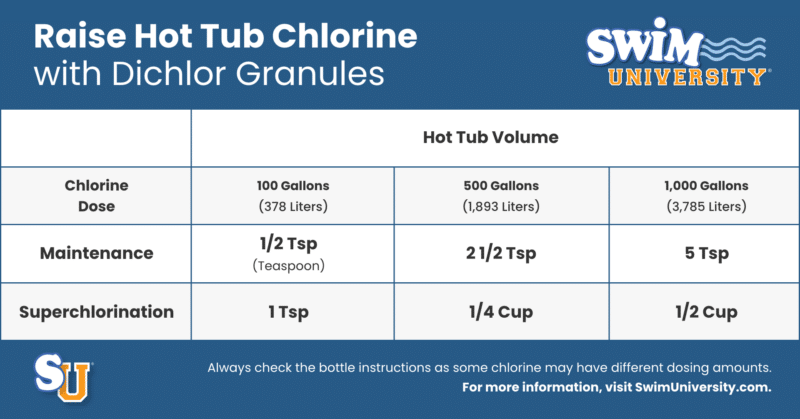
Another tip: the more people use your hot tub, the more sanitizer you’ll need. Hosting a party? Plan to shock the water afterward and clean the filter more often.
Credit: www.swimuniversity.com
What About “household Bleach”?
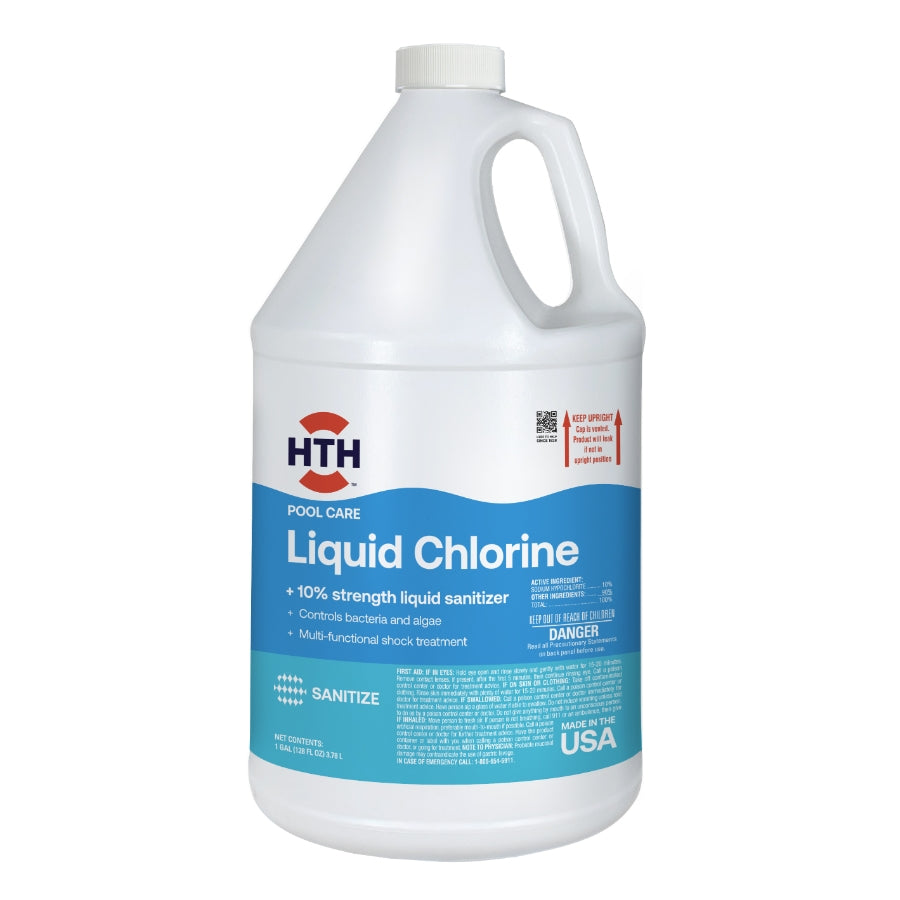
Some people ask if they can use regular household bleach instead of pool-grade liquid chlorine. Technically, yes—if it’s plain, unscented, and doesn’t contain “splashless” additives or fragrances. However, household bleach is weaker (about 5-6% sodium hypochlorite) compared to pool liquid chlorine (10-12%), so you’ll need to use more to get the same effect.
Double-check the label before using, and adjust your dosing.
Final Thoughts: Is Liquid Chlorine Right For Your Hot Tub?
Liquid chlorine can be used in hot tubs, but it’s not the easiest or most beginner-friendly option. If you’re detail-oriented, willing to test your water often, and want to avoid cyanuric acid buildup, it can work well. For most people, especially new hot tub owners, dichlor or bromine is simpler and less risky.
Always read your hot tub manual and follow manufacturer recommendations. Remember, a little time spent learning about water chemistry means a lot more time relaxing in safe, sparkling water.
For continued learning, reputable sites like the [CDC’s Healthy Swimming page](https://www.cdc.gov/healthywater/swimming/index.html) offer tips on hot tub safety and maintenance.
In the end, the best sanitizer is the one you can manage confidently and safely. With the right routine, your hot tub will stay a safe, soothing escape for years to come.
Credit: hthpools.com