
If you live in a rural area or depend on a private water supply, a well pump is the heart of your water system. When the power goes out, so does your access to water—unless you have a backup plan.
Connecting a generator to your well pump is a practical way to keep water flowing during outages. But doing it safely and correctly requires more than just plugging in a few wires. This guide will walk you through everything you need to know, from understanding your well pump’s requirements to choosing the right generator, wiring methods, and safety steps.
Even if you’re not an electrician, you’ll finish this article with a clear path to reliable water during any blackout.
Why Connect A Generator To Your Well Pump?
A well pump is vital for homes off the city water grid. When storms or grid failures cut power, your well pump stops working. That means no water for drinking, toilets, showers, or livestock. For some, this is more than just inconvenient—it can be dangerous.
A generator offers a reliable backup. Instead of waiting for power companies to restore service, you can power your well pump, keep your home functioning, and protect your water supply. But connecting a generator to a well pump isn’t as simple as plugging in a lamp.
Each pump and generator setup is unique, and safety is always the top concern.
Understanding Your Well Pump And Power Needs
Before you start, you need to know what you’re working with. Not all well pumps are the same, and not every generator can power every pump.
Types Of Well Pumps
Most homes use one of three main types:
- Submersible pump: Located deep inside the well, usually below water level. Common in deeper wells (over 25 feet).
- Jet pump: Sits above ground, used for shallow wells. May be single or double drop.
- Convertible jet pump: Can be used for both shallow and deep wells.
Each type has different power requirements and wiring setups.
Determining Power Requirements
You must know your pump’s horsepower (HP) and voltage. Look for a label on the pump or check your installation manual. Most residential pumps are:
- 1/2 HP to 1 HP
- 120V or 240V
The starting wattage is often 2–3 times the running wattage. For example, a 1 HP pump may need 2000–2500 watts to start but only 1000–1500 watts to run.
Example Power Needs
| Pump Size | Voltage | Starting Watts | Running Watts |
|---|---|---|---|
| 1/2 HP | 120V | 1400 | 700 |
| 3/4 HP | 240V | 2100 | 1000 |
| 1 HP | 240V | 2500 | 1200 |
Non-obvious insight: Many beginners forget to include the extra power needed for pump startup. Always choose a generator that can handle both starting and running wattage.
Choosing The Right Generator
Not all generators are created equal. Picking the wrong size or type can damage your well pump or leave you without water.
Sizing Your Generator
Calculate the total wattage your pump requires (starting and running). Add 20% extra capacity for safety and to power any additional essential devices.
Example: If your well pump needs 2000 starting watts and 1000 running watts, choose a generator with at least 2500 running watts.
Portable Vs. Standby Generators
- Portable generators are moved into position and started manually. Cheaper and flexible but require setup each time.
- Standby generators are permanently installed. They switch on automatically during an outage. More expensive but convenient and safer.
Fuel Types
Most generators run on gasoline, propane, or diesel. Propane is cleaner and stores longer, but gasoline is more widely available.
Generator Features To Consider
- 120V/240V outlets: Make sure your generator matches your pump’s voltage.
- Transfer switch compatibility: Essential for safe connection.
- Surge protection: Protects pump from voltage spikes.
- Noise level: Quieter units are better for residential use.
Tip: A generator that’s too small can stall or damage both the generator and your pump.
Safety Precautions Before You Start
Working with electricity and water is dangerous. Improper connections can lead to shock, fire, or generator damage. Take these steps before starting:
- Turn off all power at the main breaker panel before connecting anything.
- Read the manuals for both your generator and well pump.
- Use proper extension cords rated for outdoor use and the correct amperage.
- Never backfeed power into your home. This is illegal and can kill utility workers.
- Install a transfer switch if you plan to connect the generator to your home wiring.
- Keep generators outside and away from windows to prevent carbon monoxide poisoning.
Non-obvious insight: Many people forget that well pump wiring is often buried or hidden. Always trace the wiring path before making changes.
Methods To Connect A Generator To A Well Pump
There are two common ways to connect a generator to a well pump:
- Direct connection (manual plug-in)
- Using a transfer switch
Each has its own steps, pros, and cons.
Direct Connection (manual Plug-in)
This is the simplest method, suitable for short-term emergencies and portable generators.
What You Need
- Heavy-duty outdoor extension cord (correct amperage and voltage)
- Generator with compatible outlet
- Knowledge of your pump’s plug type (some are hardwired and need an outlet installed)
Steps
- Turn off power at your main breaker.
- Locate your well pump’s power source. If it’s hardwired, you may need to install a power inlet box.
- Plug one end of the extension cord into the generator, the other into the power inlet or outlet for the pump.
- Start the generator.
- Turn on the well pump.
Important: If your pump is hardwired (no plug), do not simply cut wires and add a plug. This can be unsafe and may violate local codes.
Pros And Cons
| Pros | Cons |
|---|---|
| Quick and simple | Manual setup every time |
| No installation cost | Not for long-term use |
| Good for emergencies | Can be unsafe if done wrong |
Tip: Mark your extension cords and generator outlets for easy identification during emergencies.
Using A Transfer Switch
A transfer switch is a small electrical panel installed near your main breaker. It lets you safely switch your well pump (and other circuits) from utility power to generator power.
Why Use A Transfer Switch?
- Safe: Prevents backfeeding and protects utility workers.
- Convenient: One switch powers multiple circuits, including your well pump.
- Required by code: In many areas, it’s the only legal way to connect a generator to home wiring.
Types Of Transfer Switches
- Manual transfer switch: You flip the switch by hand.
- Automatic transfer switch: Switches automatically when power fails (used with standby generators).
What You Need
- Transfer switch (sized for your pump and any other essential loads)
- Power inlet box (to connect the generator)
- Heavy-duty cable (generator to inlet box)
- Electrician (for installation unless you are experienced and local code allows DIY)
Steps
- Turn off main power and all circuits at the breaker panel.
- Mount the transfer switch next to your main panel.
- Connect the well pump circuit (and any others you want to power) to the transfer switch, following the instructions.
- Install the power inlet box on an outside wall.
- Run cable from the inlet box to the transfer switch.
- When the power goes out, plug the generator into the inlet box, start it, and flip the transfer switch.
- Your well pump will now run on generator power.
Warning: Always follow local electrical codes. Improper installation can cause fire or electrocution.
Pros And Cons
| Pros | Cons |
|---|---|
| Safest method | Higher cost |
| Legal in most areas | Requires installation |
| Powers multiple circuits | Not portable (fixed setup) |
Tip: If you’re not comfortable working with electrical panels, hire a licensed electrician.
Step-by-step Guide: Connecting A Generator To Your Well Pump
Let’s break down the process for both methods. Choose the one that fits your needs and skills.
Method 1: Direct Connection (portable Generator)
- Check your generator’s capacity. Make sure it matches or exceeds your pump’s starting and running wattage.
- Shut off the main breaker. This prevents backfeeding.
- Locate the well pump’s power cord or wiring. If it’s hardwired, you may need a qualified electrician to install an outlet or inlet box.
- Use a heavy-duty extension cord. Plug one end into the generator, the other into the pump’s outlet or inlet.
- Start the generator. Let it run for a minute.
- Switch on the well pump. Water should begin flowing.
- Monitor operation. Check for overheating, unusual noises, or surges.
Example: In many rural homes, the well pump is hardwired. An electrician can install an outdoor-rated inlet box for safe generator connection.
Method 2: Transfer Switch Setup
- Buy a transfer switch kit rated for your generator and loads.
- Hire an electrician if you’re not experienced. Installation includes:
- Mounting the switch next to your main panel
- Running wiring from the transfer switch to essential circuits (including the well pump)
- Installing a power inlet box outside
- When the power fails:
- Plug the generator into the inlet box
- Start the generator
- Flip the transfer switch to ‘generator’
- Turn on the well pump circuit
- Monitor the generator and pump during use.
Non-obvious insight: Transfer switches can power other essentials—like refrigerators or heaters—along with the well pump. Plan your loads carefully to avoid overloading the generator.
Wiring Considerations And Diagrams
Understanding how the wiring works helps you communicate with your electrician or troubleshoot problems.
Basic Wiring Diagram For Well Pump With Generator
Below is a simplified wiring flow:
- Main breaker panel
- Transfer switch (connected to both panel and generator inlet)
- Well pump circuit breaker
- Well pump wiring
When the generator is connected and the transfer switch is flipped, power flows from the generator to the well pump, bypassing the utility line.
Common Wiring Issues
- Undersized wires can cause overheating or voltage drop.
- Wrong voltage (e.g., connecting 120V generator to a 240V pump) can damage the pump.
- Loose connections increase fire risk.
Tip: Use wires rated for outdoor/underground use if running a new line to a power inlet box.
Grounding And Bonding
Proper grounding is critical for safety. A generator must be grounded to prevent shock or fire risks.
- Portable generators: Usually grounded through the frame; connect a ground rod if local code requires.
- Standby generators: Must be bonded to the house’s grounding system.
Always check your local electrical codes or ask an electrician.
Non-obvious insight: Some generators have a floating neutral, which changes grounding needs. Check your manual.
Testing Your Setup
Don’t wait for an emergency—test your system after installation.
- Simulate a power outage: Turn off the main breaker.
- Connect and start the generator.
- Switch over circuits: Make sure the well pump starts and runs smoothly.
- Check water flow: Run taps and monitor pressure.
- Listen for odd noises or surges.
Regular testing (every few months) keeps the system reliable and ready.
Troubleshooting Common Problems
Even with careful setup, things can go wrong. Here are some issues and solutions:
- Pump won’t start: Check generator fuel, extension cord connection, and breaker switches.
- Pump starts but stops: Your generator may be too small or overloaded.
- Low water pressure: Possible voltage drop; check wire size and cord length.
- Lights flicker or surge: Pump starting current is too high for generator; upgrade generator or install soft-start device.
- Generator stalls: Overload or faulty pump.
If problems persist, call a professional. Never ignore burning smells, smoke, or frequent tripped breakers.

Credit: www.youtube.com
Maintenance Tips For Long-term Use
Keeping your generator and well pump in top shape ensures they’ll work when you need them most.
- Run the generator monthly to keep it ready.
- Change oil and filters as recommended.
- Store fuel safely and rotate supplies every few months.
- Inspect wiring and connections for signs of wear or corrosion.
- Test the well pump by running it on generator power twice a year.
Tip: Label generator cords, switches, and inlets for quick setup during emergencies.
Cost Considerations
How much will connecting a generator to your well pump cost? Here’s a rough breakdown:
- Portable generator: $400–$1,000 (depending on wattage)
- Transfer switch: $300–$700 (plus $300–$1,000 for installation)
- Power inlet box and wiring: $100–$500
- Electrician’s labor: $70–$150/hour
Example: For a typical 3/4 HP well pump, expect to spend $1,000–$2,500 for a safe, code-compliant setup.
Tip: DIY can save money but increases risk. Always prioritize safety.
Legal And Insurance Considerations
Improper generator connections can violate building codes or void your home insurance. Most areas require a permit for transfer switch installation.
- Check local codes before starting.
- Keep receipts and permits for insurance claims.
- Notify your insurance provider after installation.
Non-obvious insight: A generator that backfeeds into the grid can result in lawsuits or denied claims if someone is hurt.
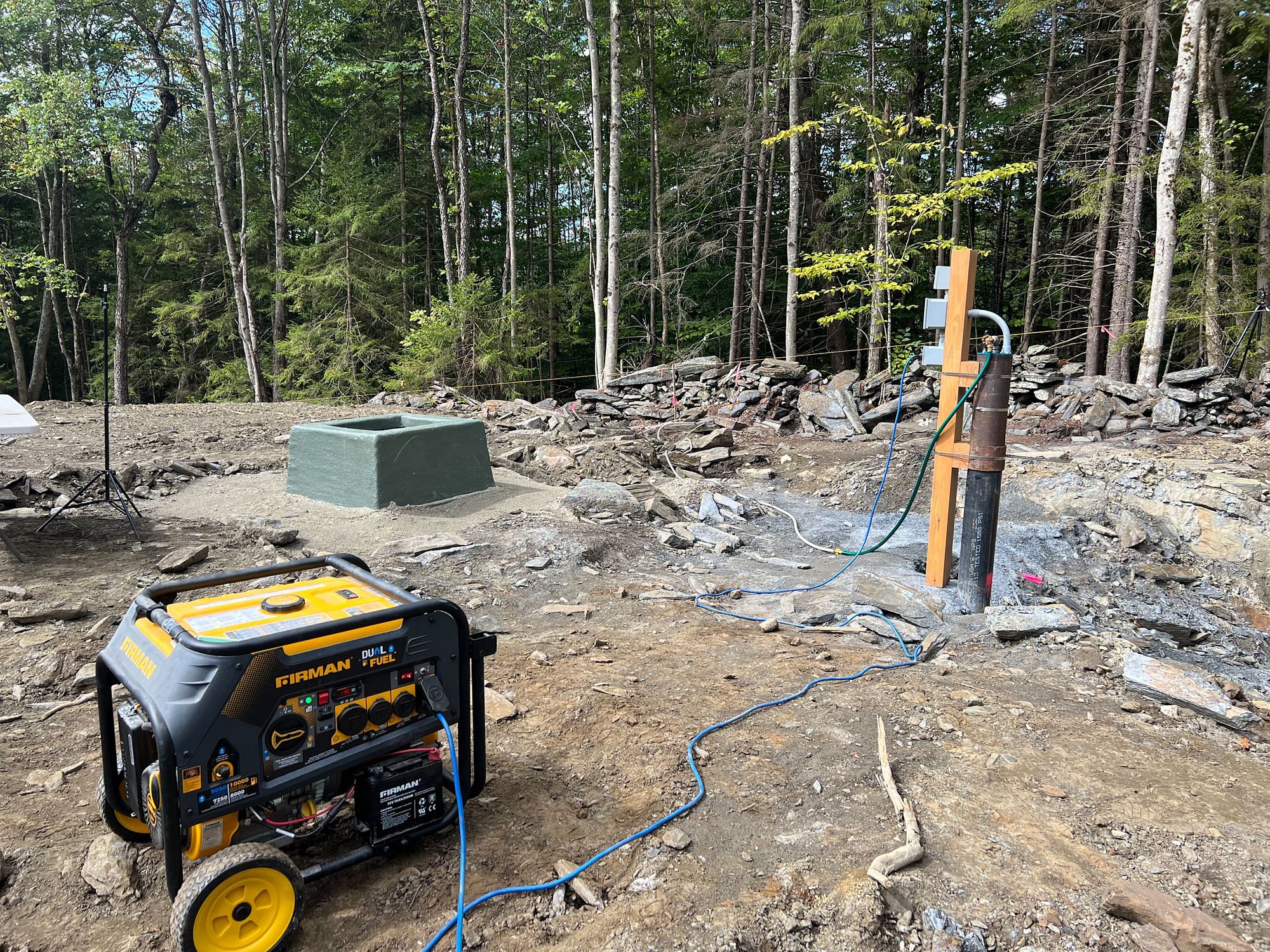
Real-life Example: Connecting A Generator In A Rural Home
Sarah lives in a rural area and depends on a well for water. After a major storm, she lost power for two days. She bought a 3500-watt portable generator and a manual transfer switch. With an electrician’s help, she wired the well pump and refrigerator to the switch.
Now, she can flip to generator power in minutes and keep water running for her family and animals.
Lesson: Good planning and professional help can turn a stressful outage into a manageable inconvenience.
Credit: www.adventurousway.com
When To Call A Professional
Connecting a generator to a well pump involves high voltage and specific code requirements. If you’re not comfortable working with electrical systems, hire a licensed electrician. They will:
- Ensure compliance with safety codes
- Size the generator and wiring correctly
- Install the transfer switch and inlet box
- Test the system for reliability
Tip: Don’t risk injury or property damage for a DIY project that’s beyond your skill set.
Resources For Further Learning
- The National Fire Protection Association (NFPA) offers guidelines on generator safety.
- Visit the Occupational Safety and Health Administration for workplace generator safety tips.

Credit: www.reddit.com
Frequently Asked Questions
How Do I Know What Size Generator I Need For My Well Pump?
Find your pump’s starting and running wattage (listed on the pump or manual). Choose a generator with enough power for startup, not just running. Always add 20% extra capacity for safety.
Can I Plug My Well Pump Directly Into A Portable Generator?
Yes, if your pump has a plug and you use the correct heavy-duty extension cord. If your pump is hardwired, you’ll need an electrician to install a power inlet or outlet.
Is A Transfer Switch Required By Law?
In most areas, yes—a transfer switch is the only legal way to connect a generator to home circuits. It prevents backfeeding, which is dangerous and illegal.
Will Running My Well Pump On A Generator Damage It?
No, as long as your generator supplies the correct voltage and enough power. Undersized or unstable generators can damage the pump motor.
Can I Power Other Appliances With The Same Generator?
Yes, but you must total the starting and running watts for all devices. Never exceed your generator’s rated capacity, or you risk overload and damage.
A reliable water supply is essential for health and comfort. Learning how to connect a generator to your well pump gives you peace of mind during outages. Whether you choose a simple plug-in method or a code-compliant transfer switch, planning and safety are key.
Don’t wait for the next storm—prepare now, and you’ll always have water when you need it most.