
Setting up an above ground pool can transform your backyard into a fun oasis. But one crucial step often gets overlooked: making sure your pool is perfectly level. A pool that isn’t level can cause water to spill, damage the liner, and even create safety risks. Many homeowners try to do this themselves, but soon realize it’s not as easy as it looks. That’s where a professional above ground pool leveling service comes in. This article will guide you through everything you need to know about these services, why they matter, what to expect, and how to choose the right provider. By the end, you’ll understand why leveling is the foundation for a safe and lasting pool.
Why Leveling Matters For Above Ground Pools
Above ground pools might look simple, but their stability depends on a flat, even base. If the ground is not level, several problems can happen. Water might collect on one side, making that part of the pool wall take more pressure. Over time, this can cause the wall to bend, buckle, or even break. The liner can wrinkle and tear, leading to expensive repairs. There is also a safety risk: a pool that leans even by a few inches can tip or collapse, especially when people are swimming.
Besides, most pool warranties require that the pool be installed on level ground. If there’s an issue and the ground is not flat, the manufacturer can refuse to cover the damage. So, hiring a professional leveling service is not just about convenience—it’s about protecting your investment and your family.
What Does An Above Ground Pool Leveling Service Do?
A pool leveling service is much more than just moving some dirt around. These professionals use special tools and proven methods to make sure your pool sits on a solid, flat base.
Here’s what the process usually involves:
1. Site Assessment
The team visits your yard, measures the area, and checks the soil type and slope. They look for obstacles like rocks, tree roots, or pipes.
2. Marking The Pool Area
They mark out the exact size and shape of your pool. This ensures the work is accurate and neat.
3. Removing Grass And Debris
All grass, plants, and debris are cleared away. This prevents rot, insects, and uneven spots under the pool.
4. Excavation
High spots are dug out and low spots are filled. Professionals use laser levels or transit levels for precision. The ground is checked from multiple angles.
5. Compacting The Soil
Loose soil is packed tightly using a plate compactor. This step is critical—soft ground can shift and create dips later.
6. Adding A Base Material
A layer of sand or crusher dust is spread evenly. This creates a soft, smooth surface that protects the pool liner.
7. Final Level Check
The team checks the entire area again. If any spot is off by more than 1 inch, they fix it. Most pros aim for less than ½ inch of difference across the whole pool.
8. Optional: Installing Pavers Or Pads
Some services offer to add concrete pavers or plastic pads under the pool legs. This gives extra support, especially for larger pools.
By following these steps, a professional service ensures your pool is stable, safe, and ready for years of use.

Credit: magnoliarealestatestl.com
Diy Leveling Vs. Professional Service
Some people think leveling a pool is a simple DIY project. They might use a shovel, a piece of wood, and a carpenter’s level. While this can work for very small pools, it’s risky for anything larger. Here’s a look at the differences:
| Aspect | DIY Leveling | Professional Service |
|---|---|---|
| Precision | Often +/- 1–2 inches | Usually within ½ inch |
| Tools | Basic (shovel, level) | Laser/transit levels, compactors |
| Effort | High physical labor | Handled by team |
| Risk of Mistakes | High, especially for beginners | Low, due to experience |
| Warranty Issues | Possible if not level | Usually covered |
Many DIYers discover that their pool is uneven after filling it with water. Fixing this requires draining the pool and starting over—a frustrating and expensive lesson. Professional services help you avoid these problems from the start.
How To Choose An Above Ground Pool Leveling Service
Finding the right service matters as much as the leveling itself. Here’s how to make a smart choice:
1. Experience And Reviews
Look for companies with at least a few years of experience. Read customer reviews online—don’t just check star ratings; read the comments for details about punctuality, professionalism, and problem-solving.
2. Proper Equipment
Ask if they use laser levels or transit levels. These tools give much more accurate results than a regular level. A good service should also have compactors and other heavy equipment.
3. Insurance And Warranties
Check if the company has insurance. This protects you if something goes wrong. Some services offer a warranty on their work—if your pool isn’t level, they will come back and fix it.
4. Clear Pricing
Get a written quote. Make sure it includes all parts of the job, such as excavation, materials, and cleanup. Beware of very low prices—these may mean shortcuts or hidden fees later.
5. Local Knowledge
A company that works in your area will know the local soil types, weather conditions, and city codes. They can spot issues that outsiders might miss.
Choosing the right team gives you peace of mind and avoids surprises during installation.

Credit: www.zillow.com
What To Expect: Step-by-step Service Process
Hiring a leveling service is straightforward, but knowing the steps can help you prepare and ask the right questions.
Step 1: Consultation And Quote
You’ll usually start with a phone call or online form. The company will ask about your pool size, brand, and site conditions. They may request photos or schedule a visit. After checking your yard, they provide a quote.
Step 2: Scheduling
Once you agree, you set a date. Most jobs take 1 to 2 days, depending on pool size and the amount of excavation needed.
Step 3: Site Preparation
On the service day, move any furniture, toys, or garden items out of the work area. The crew will take care of the rest.
Step 4: Leveling Work
The team follows the steps described earlier: measuring, clearing, digging, compacting, and checking. They’ll keep you updated and answer questions.
Step 5: Final Walkthrough
Before leaving, the team does a last check with you. This is your chance to ask about next steps, such as assembling the pool or maintaining the base.
Step 6: Aftercare
Wait at least 24 hours before installing your pool. This gives the ground time to settle. Some companies offer tips or follow-up calls to make sure you’re happy.
Factors That Affect Leveling Cost
How much does an above ground pool leveling service cost? Prices can vary widely, but these are the main factors:
1. Pool Size
Larger pools require more digging and materials, which takes more time and labor.
2. Slope And Yard Condition
If your yard has a steep slope, rocky soil, or lots of tree roots, expect to pay more. Flat, sandy yards are cheaper to prepare.
3. Access
If the crew can’t bring equipment close to the site, the job takes longer. Narrow gates, fences, or landscaping can add cost.
4. Base Material Choice
Some people choose standard sand; others prefer special pool pads, pavers, or gravel. Prices depend on your choice.
5. Location
Rates are higher in cities with a high cost of living. Rural areas may be cheaper, but travel fees can apply.
6. Extra Services
Some companies offer to assemble the pool, install fencing, or add drainage. These add to the total price.
Here’s a general range to help you plan:
| Pool Size (feet) | Typical Leveling Cost (USD) |
|---|---|
| 12–15 | $350–$600 |
| 18–21 | $600–$1,000 |
| 24–27 | $1,000–$1,800 |
| 30+ | $1,800–$3,000 |
Remember, these are ballpark numbers. Ask for a custom quote for your yard and needs.
Common Mistakes And How To Avoid Them
Even with a professional service, some common errors can happen. Knowing these can help you watch for problems and ask the right questions.
Overlooking Soil Type
Some soils hold water or shift easily. Clay can expand, while sand can wash away. A good service will check your soil and suggest the right base. Ignoring this can mean trouble later.
Not Compacting Enough
Loose ground settles over time, creating dips. Compaction is key. Don’t let a crew skip this step—it’s worth the extra time.
Ignoring Drainage
If rainwater pools under your pool, it can create mud, mold, and sinkholes. Ask about drainage—sometimes a simple gravel trench solves the problem.
Rushing The Job
Leveling takes patience. If the crew finishes in just a few hours, ask how they checked their work. Speed is not always a sign of skill.
Skipping Final Checks
Before the crew leaves, walk around the site. Use a long level or string to check flatness. Make sure you’re happy before paying the final bill.
The Role Of Site Preparation In Pool Longevity
A well-leveled pool base does more than just prevent leaks. It adds years to your pool’s life. Here’s why:
- Reduces Wear and Tear: An even base supports the liner and frame, so they don’t stretch or bend.
- Prevents Water Loss: Pools on sloped ground can lose water through uneven pressure and small leaks.
- Easier Maintenance: A flat pool is easier to clean and cover. There are no hidden dips where dirt or algae can hide.
- Safer for Swimmers: A pool that tilts can surprise swimmers, especially kids. Leveling keeps the water depth even and safe.
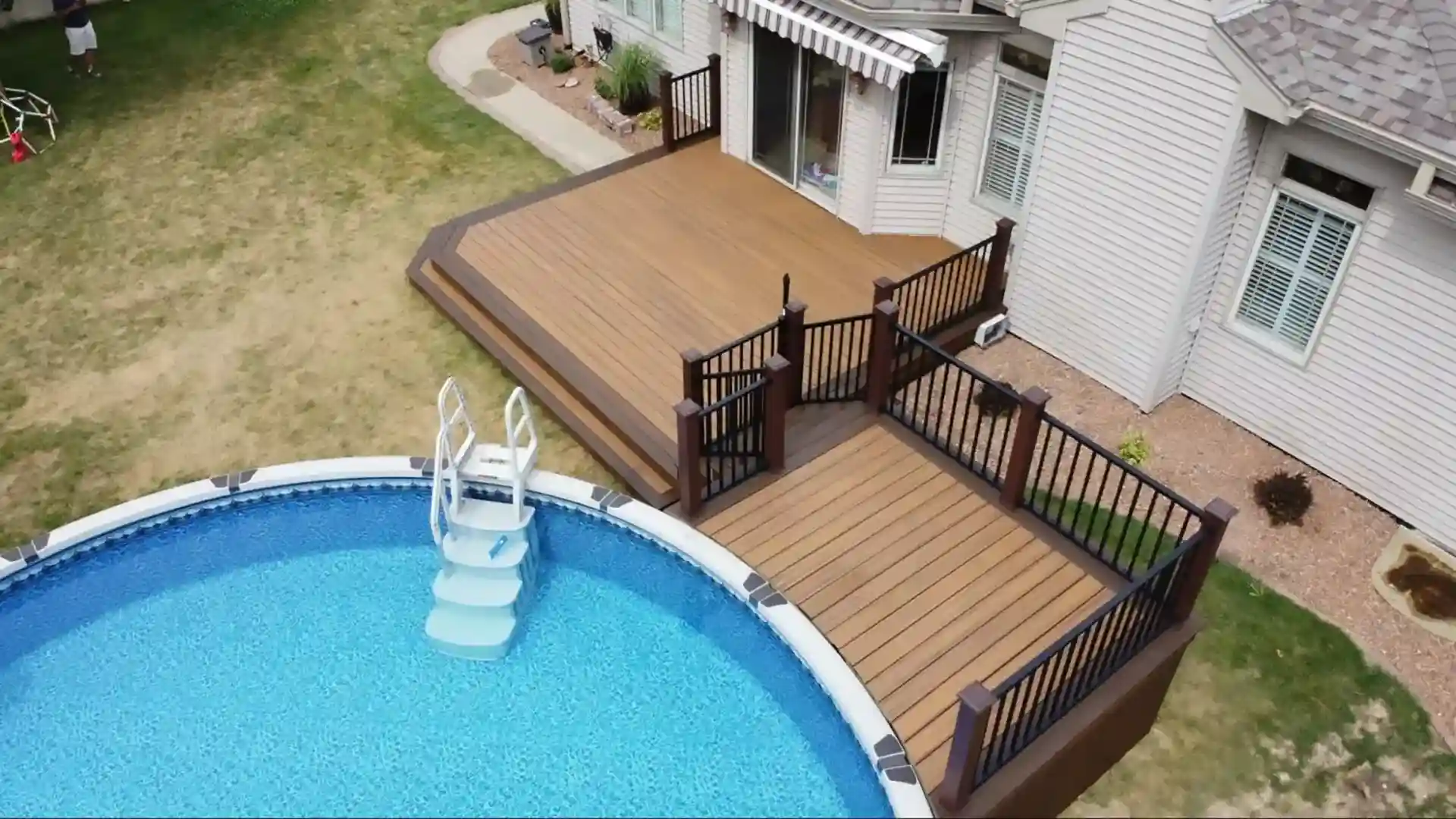
Many pool owners are surprised to learn that a small slope—just 1 inch off—can shorten a pool’s life by several years. Investing in proper leveling pays off over time.
Credit: mitchellconstructioninc.com
How Leveling Services Handle Different Pool Types
Not all above ground pools are the same. Leveling services adjust their methods for each type:
Steel Frame Pools
These are strong but heavy. The crew may add pavers under each leg to prevent sinking. The ground must be very firm, as steel can cut through soft soil.
Inflatable Ring Pools
These are lighter, but still need a flat base. Extra sand or foam padding is often used to protect the thin liner.
Resin Or Hybrid Pools
These combine metal and plastic. They need careful support at the base and around the walls. Sometimes, extra drainage is added to prevent rust.
Oval And Rectangular Pools
These shapes put more stress on the sides and corners. The leveling team must check every edge—not just the middle.
Here’s how the methods compare:
| Pool Type | Special Leveling Needs |
|---|---|
| Steel Frame | Pavers under legs, firm soil, compacted base |
| Inflatable Ring | Extra padding, smooth sand, careful liner protection |
| Resin/Hybrid | Drainage, support at joints, mixed materials |
| Oval/Rectangular | Edge checks, support at corners, reinforced base |
Tell your leveling service what type of pool you have so they can plan the best approach.
When To Hire A Leveling Service
Not every pool needs professional leveling, but many do. Here are some signs you should call the pros:
- Your yard has a slope or uneven ground.
- You find rocks, roots, or hard soil.
- The pool is larger than 12 feet across.
- You want to protect your warranty.
- You’re short on time or don’t want the heavy labor.
Even if you’re handy, a leveling service can save days of work and give you peace of mind. Most companies finish the job in less than two days.
Practical Tips For Homeowners
If you’re planning to install an above ground pool, here are practical steps to get the most from your leveling service:
1. Pick The Right Spot
Choose a location away from trees (which drop leaves and roots), power lines, and drainage ditches.
2. Clear The Area
Move garden items, toys, and furniture before the crew arrives. This saves time and lets them start right away.
3. Ask About Aftercare
Find out how long to wait before installing your pool. Some soils need extra time to settle.
4. Check For Permits
Some cities require a permit for pools. Ask your service if this applies to you.
5. Take Photos
Before and after photos can help with insurance and warranty claims.
Two extra insights beginners often miss:
- Don’t Rely on Grass: Even thick grass can rot and create soft spots under your pool. Always remove it before installing.
- Check Water Delivery: Some services will even coordinate with water delivery companies, so your pool is filled as soon as it’s ready.
Environmental Concerns And Best Practices
Leveling a pool can impact your yard’s ecosystem. Here’s how to be responsible:
- Reuse Topsoil: Ask the crew to pile removed soil in your garden or flower beds instead of dumping it.
- Avoid Chemicals: Don’t spray herbicides before leveling. Manual removal is safer for pets and kids.
- Protect Trees and Roots: Let the crew know if you want to keep certain trees or plants. They can often work around them.
Some services specialize in eco-friendly methods. If this matters to you, ask about their practices before hiring.
What To Do After Leveling Is Done
Once the base is ready, you’re almost set for summer fun. Here’s what to do next:
- Let the Ground Settle: Wait at least 24–48 hours before building the pool. If it rains, check for puddles or soft spots.
- Install a Ground Cloth: This adds extra protection under the liner and helps keep weeds out.
- Double-Check Flatness: Use a long board and level to make sure nothing shifted overnight.
- Assemble Carefully: Follow the pool instructions step by step. Don’t rush, and ask the leveling service for tips if you’re unsure.
This careful approach helps your pool last longer and keeps your family safe.
Frequently Asked Questions
What Is The Ideal Level Tolerance For Above Ground Pools?
Most experts agree that a pool should not be off by more than ½ inch across the whole diameter. Anything more can put stress on the walls and liner.
How Long Does Professional Leveling Take?
Most jobs are finished in one to two days, depending on the size of the pool and the condition of your yard. Larger or more challenging sites may take longer.
Can I Level The Pool Myself If My Yard Is Flat?
You can try, especially for small pools under 12 feet. But it’s still easy to make mistakes without professional tools. For pools larger than 12 feet, hiring a leveling service is highly recommended.
What Kind Of Base Material Is Best?
Washed masonry sand is the most common base. Some people use crusher dust or special pool pads. Your service can suggest the best option for your soil and pool type.
Are Leveling Services Covered By Pool Installers?
Some pool installers offer leveling as part of the installation. Others require you to hire a separate service. Always ask before you buy, and check if leveling is included in your quote.
For more detailed pool installation standards, you can refer to the Wikipedia Swimming Pool page.
Make Your Pool Experience Safe And Lasting
A level pool is more than just a detail—it’s the secret to a safe, long-lasting, and enjoyable backyard retreat. By understanding the value of a professional above ground pool leveling service, you’re making a smart investment in your home and family. Whether you’re planning your first pool or replacing an old one, don’t skip this crucial step. The right team, tools, and knowledge can save you money, time, and headaches for years to come. Get your base right, and your summer memories will be all about fun—not frustration.