
Plumbing surprises are never fun, especially the ones that bang and shake your pipes. One common reason for these noises is water hammer—a sudden shockwave caused when water flow stops quickly. To stop this, many homes use water hammer arrestors. But, like any device, people wonder: *How long do water hammer arrestors last?* This is not a simple question. The answer depends on several factors, including the type, quality, water conditions, and installation method.
Understanding how long your arrestor will work is important for homeowners, building managers, and even plumbers. You want to avoid sudden failures, leaks, or expensive repairs. Below, we’ll explore what affects arrestor lifespan, how to know if yours is failing, and the best steps to make sure your plumbing stays quiet and safe for years.
What Is A Water Hammer Arrestor?
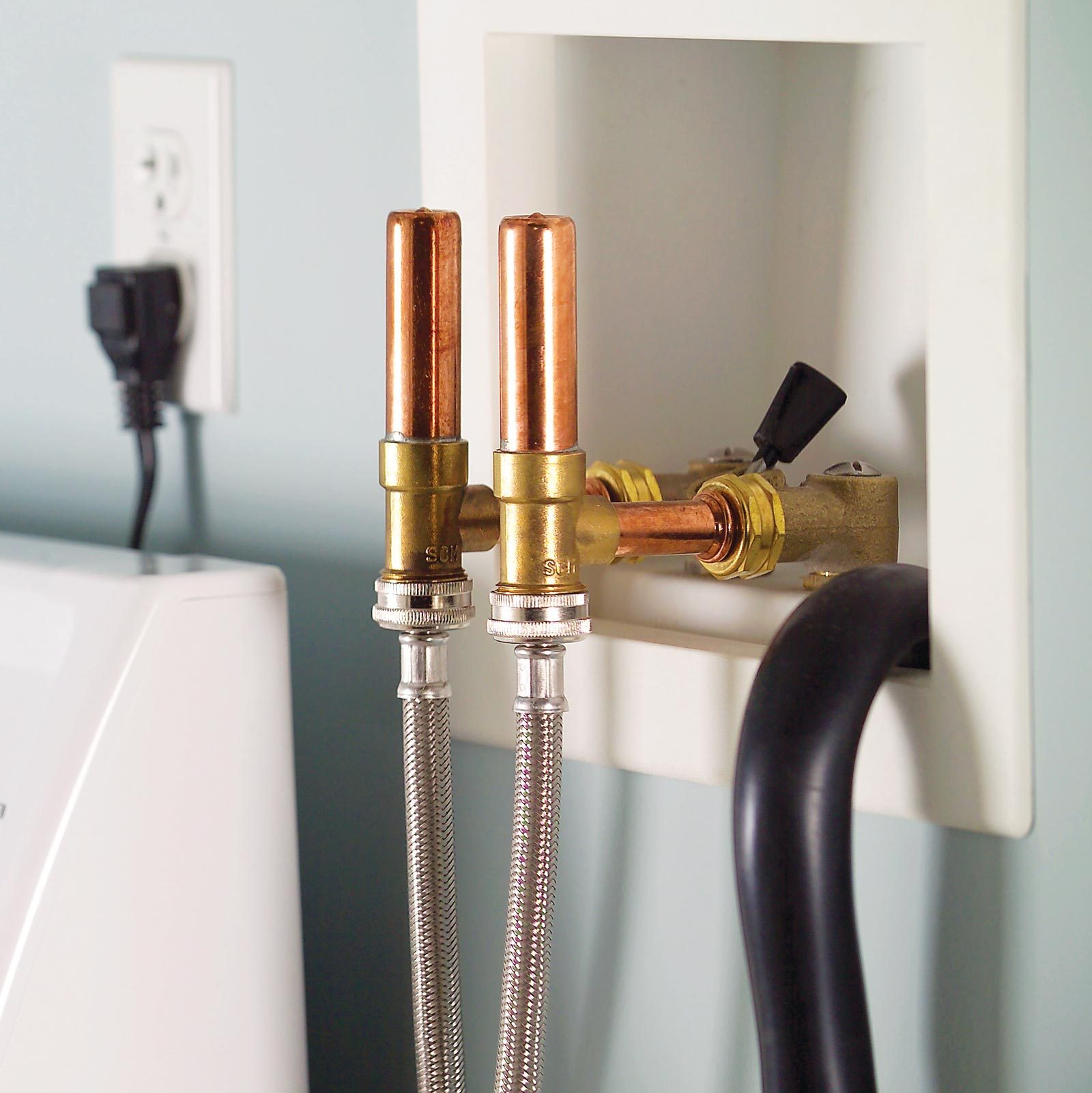
Water hammer arrestors are devices installed in plumbing systems to absorb the shock caused by fast-moving water stopping suddenly. When someone quickly turns off a tap or a washing machine finishes filling, the water’s momentum can create a loud bang known as a water hammer. An arrestor works like a cushion, using air or gas to absorb the force, keeping pipes safe and reducing noise.
Most arrestors have a sealed chamber with a piston or diaphragm that separates air from water. When pressure spikes, the piston moves, compressing the air and preventing shockwaves from shaking your pipes.
Types Of Water Hammer Arrestors
There are several kinds of water hammer arrestors. Each type has a different design, and this affects how long they last.
Piston-type Arrestors
These are the most common in homes. They use a sliding piston inside a chamber. The piston separates air and water, so the air does not mix with the water over time. This separation helps the device last longer than older air chambers.
Diaphragm-type Arrestors
Here, a flexible rubber diaphragm separates the air from the water. When pressure increases, the diaphragm flexes and absorbs the force. These are common in commercial settings and can handle higher pressures.
Mechanical Air Chambers
Older systems sometimes use simple vertical pipes (air chambers) to act as a cushion. Over time, water can fill the chamber, making it ineffective. These are rarely installed today because they need frequent maintenance.
Specialized Arrestors
Some arrestors are made for unique situations—very high pressure, corrosive water, or large industrial pipes. These may use special materials or designs and can cost much more.
Average Lifespan Of Water Hammer Arrestors
For homeowners, the big question is: how long will my arrestor work before it needs to be replaced? The answer is: it depends, but you can expect the following averages:
- Piston-type arrestors: 6 to 12 years
- Diaphragm-type arrestors: 8 to 15 years
- Mechanical air chambers: 1 to 3 years (often less, as they lose effectiveness fast)
These numbers come from manufacturer warranties, field reports, and plumbing experts. Some devices last longer, especially if installed perfectly and used in clean water. Others may fail sooner in harsh conditions.
Example Comparison
To help visualize, here’s a comparison of average lifespans:
| Arrestor Type | Average Lifespan | Common Use |
|---|---|---|
| Piston-Type | 6-12 years | Homes, apartments |
| Diaphragm-Type | 8-15 years | Commercial, large buildings |
| Mechanical Air Chamber | 1-3 years | Older homes, rarely new installs |
Factors That Affect Lifespan
Many people are surprised to learn that arrestors do not always last as long as expected. Several things can shorten or lengthen their life:
1. Water Quality
Hard water, which contains lots of minerals, can cause scaling inside the arrestor. Over time, minerals build up, making the piston or diaphragm stick, or causing leaks. Water with lots of sand, rust, or other particles can also cause wear.
2. Water Pressure
Plumbing systems with high or fluctuating pressure create more stress on the arrestor. If your home often sees pressure spikes (over 80 psi), the arrestor will work harder and wear out faster. Using a pressure regulator helps.
3. Frequency Of Use
If you have many appliances that shut water off quickly (dishwashers, washing machines, auto-closing faucets), your arrestor will cycle more often. More cycles mean faster wear and a shorter lifespan.
4. Installation Quality
If an arrestor is installed at the wrong angle, in the wrong spot, or without proper supports, it can fail early. Poor soldering or threading can also cause leaks.
5. Arrestor Size
Using the wrong size arrestor for your pipe or pressure needs leads to early failure. An undersized arrestor works harder than it should.
6. Material Quality
Some brands use better materials—like stainless steel or high-grade brass—which last longer than cheaper metals or plastic. Always check the brand’s reputation and reviews.
7. Temperature Extremes
In places with freezing winters or very hot water, materials can expand and contract, stressing seals and causing leaks or failures sooner.
8. Lack Of Maintenance
While most modern arrestors need little maintenance, checking your system for leaks, corrosion, or pressure problems can catch small issues before they lead to failure.
Credit: www.familyhandyman.com
Signs That A Water Hammer Arrestor Is Failing
Many people do not notice a failing arrestor until it’s too late. Here are signs to watch for:
- Banging or knocking sounds return, especially after years of quiet pipes.
- Leaks near the arrestor body or at pipe joints.
- Visible corrosion or rust on the arrestor surface.
- Reduced shock absorption—you feel vibration in pipes when turning off water quickly.
- Moisture or water stains around the device, especially on walls or floors.
- Sudden changes in water pressure after using appliances.
If you see these signs, it’s best to have a plumber check the system. Continuing to use a failed arrestor can damage pipes and appliances.
How To Extend The Life Of A Water Hammer Arrestor
If you want your arrestor to last as long as possible, follow these practical tips:
Use A Pressure Regulator
Install a pressure regulator on your main water line if your home’s pressure is above 80 psi. This reduces the strain on all plumbing devices, including arrestors.
Choose Quality Brands
While cheaper arrestors might save money upfront, they often fail sooner. Research brands with good warranties and reviews. A well-made brass or stainless steel arrestor can last years longer.
Maintain Water Quality
If you have hard water, consider a water softener. This will help all plumbing parts, not just arrestors. Flush your pipes once a year to remove debris.
Correct Sizing And Placement
Make sure the arrestor matches your pipe size and is installed at the right spot (close to fast-closing valves). If unsure, ask a licensed plumber to check your system.
Inspect Regularly
Check your arrestor during routine plumbing checks. Look for leaks, rust, or odd noises. If you rent, ask your landlord or maintenance staff to include this in their inspection routine.
Replace When Needed
Don’t wait for failure. If your arrestor is over 10 years old, or you notice any warning signs, replace it before it causes bigger problems.
What Happens When An Arrestor Fails?
If a water hammer arrestor fails, you may face:
- Loud banging in pipes, sometimes strong enough to shake walls.
- Leaks that can cause water damage to floors, walls, or nearby electrical systems.
- Pipe bursts if the repeated shockwaves weaken joints over time.
- Reduced appliance lifespan—washing machines, dishwashers, and water heaters can wear out faster.
A failed arrestor is not just annoying. In some cases, insurance will not cover water damage if lack of maintenance is proven.
When Should You Replace A Water Hammer Arrestor?
There is no single rule, but smart homeowners and building managers follow these guidelines:
- Every 8-12 years for piston-type arrestors, even if there are no problems.
- Every 10-15 years for diaphragm-type units, or sooner in harsh water conditions.
- Immediately if you notice leaks, corrosion, or the return of water hammer noises.
- After major plumbing work, such as pipe replacement, as debris can damage old arrestors.
Replacing early is much cheaper than repairing water damage or broken pipes.
Diy Vs. Professional Replacement
Some handy homeowners can replace a water hammer arrestor themselves, especially if the device has a threaded connection. Here are some points to consider:
- Threaded arrestors can often be unscrewed and replaced with simple tools.
- Soldered or hard-piped arrestors require special skills—mistakes can cause leaks or code violations.
- Warranty: Professional installation may be required for warranty support.
If you are not sure about your skills, or if your plumbing system is complex, hiring a licensed plumber is the safest option.
Cost Of Replacement And Maintenance
The price to replace a water hammer arrestor varies based on:
- Arrestor size and material: Small, basic units cost $15–$40. Larger or commercial types can be $60–$200.
- Labor costs: Plumber rates vary, but expect $100–$250 for a simple replacement. Complex jobs cost more.
- Inspection fees: Some plumbers charge for a full system check.
A full replacement every 10 years costs much less than repairing water damage. For large buildings, maintenance contracts can save money in the long run.
Common Mistakes When Dealing With Water Hammer Arrestors
Many people make simple errors that shorten the life of their arrestors or cause repeated failures. Here are a few to avoid:
- Ignoring water hammer noises—these are early warning signs.
- Using the wrong size arrestor—always match the device to pipe size and water flow.
- Installing in the wrong spot—arrestors should be close to quick-closing valves or appliances.
- Skipping regular checks—don’t assume a hidden device is still working.
- Trying to fix old air chambers—modern arrestors are more reliable and require less maintenance.
- Not controlling water pressure—high pressure wears out all plumbing devices faster.
How Arrestor Lifespan Compares To Other Plumbing Devices
It helps to know how water hammer arrestors compare to other plumbing parts. Here’s a quick comparison:
| Device | Average Lifespan | Maintenance Needs |
|---|---|---|
| Water Hammer Arrestor | 6-15 years | Low |
| Pressure Regulator | 10-15 years | Low |
| Water Heater | 8-12 years | Medium |
| Dishwasher Hose | 3-5 years | Medium |
| Toilet Fill Valve | 5-7 years | Low |
As you can see, a quality water hammer arrestor lasts as long as most other plumbing devices.

Credit: parzivalplumbing.com
Real-world Examples And Data
Several studies and plumbing industry reports confirm these lifespans. For example, the Plumbing-Heating-Cooling Contractors Association notes that well-maintained piston-type arrestors last 8 to 12 years in average homes. In a survey of 100 apartment buildings, about 70% needed at least one arrestor replaced within 10 years, mostly due to hard water or high pressure.
A large commercial building in Chicago replaced its diaphragm-type arrestors every 12 years as part of regular maintenance, reducing pipe failures by 90%. This shows that preventive replacement works and saves money over time.
Innovations And Changing Standards
Modern water hammer arrestors are more reliable than old air chambers. New designs use better seals, anti-scale coatings, and more durable materials. Some even include pressure gauges or sensors to warn you before failure.
In many places, building codes now require proper arrestors near washing machines, dishwashers, and other quick-closing valves. Following code not only prevents damage but also helps with insurance claims.
The American Society of Sanitary Engineering (ASSE) sets standards for arrestors (like ASSE 1010). Devices that meet these standards are tested to survive thousands of cycles without leaking or failing. Always look for certified devices.
Two Non-obvious Insights
Many homeowners believe that if they never hear water hammer, their arrestor is still fine. In reality, some plumbing systems can mask noises, especially in large or multi-story buildings. Silent failure can lead to hidden leaks or pipe fatigue.
Another overlooked point: Replacing other plumbing parts—like a water heater or pressure valve—can send debris through the pipes, damaging an older arrestor. It’s wise to check or replace the arrestor whenever you do major plumbing upgrades.
Troubleshooting And Diagnosis
If you suspect your arrestor is failing but are not sure, try these steps:
- Test for water hammer: Rapidly close a faucet near the arrestor and listen for noise.
- Check for leaks: Wipe the arrestor and surrounding pipes dry, then check again after use.
- Feel for vibration: Place your hand on the pipe when using appliances. Excess vibration means the arrestor may not be working.
If in doubt, ask a plumber to check with specialized tools.
When An Arrestor Is Not Enough
Sometimes, even a new or working arrestor cannot fully stop water hammer. This can happen if:
- The arrestor is undersized for the water flow.
- Water pressure is too high for the device rating.
- The device is installed too far from the problem valve.
- There is air in the pipes causing extra noise.
In these cases, you may need to adjust pipe supports, install more than one arrestor, or reduce pressure.
Environmental Impact And Disposal
Old water hammer arrestors, especially those made of brass or stainless steel, can often be recycled. Do not throw them in the trash. Some local plumbing shops or recycling centers accept used devices.
If your arrestor contains rubber or other non-metal parts, separate these if possible. Check local rules for safe disposal.
How To Choose The Right Replacement
When replacing an old arrestor, consider:
- Pipe size: Match the device to your pipe’s diameter.
- Pressure rating: Choose a device rated for your system’s pressure.
- Material: Stainless steel and brass last longer than cheaper metals or plastic.
- Certification: Look for ASSE 1010 or other recognized marks.
If you have special water quality needs (like hard water), choose an arrestor with anti-scale features.
Professional Tips For Maximum Arrestor Life
- Label the installation date on your arrestor with a permanent marker. This helps track its age.
- Flush pipes after major repairs to remove debris that can damage the arrestor.
- Install pipe supports to reduce vibration and stress on the arrestor.
- Check local codes—some places require specific types or installation methods.
Additional Resources
For more technical details, you can visit the Wikipedia Water Hammer page, which explains the science and solutions for water hammer in greater depth.
Frequently Asked Questions
How Do I Know If My Water Hammer Arrestor Needs Replacing?
If you hear banging sounds, notice leaks, or see rust near the arrestor, it may be time to replace it. Arrestors over 10 years old should be replaced even without symptoms.
Can I Install A Water Hammer Arrestor Myself?
If the arrestor has a threaded connection and you are comfortable with basic plumbing, you can install it yourself. For soldered or complex systems, hire a professional to avoid leaks or code issues.
How Much Does It Cost To Replace A Water Hammer Arrestor?
A standard home arrestor costs $15–$40 for the part. Professional installation adds $100–$250, depending on the job’s complexity.
Do All Homes Need Water Hammer Arrestors?
Not all homes need them, but any system with quick-closing valves (like dishwashers or washing machines) should have arrestors installed to protect pipes and appliances.
What Is The Difference Between An Air Chamber And A Water Hammer Arrestor?
Air chambers are simple vertical pipes that cushion water shocks but can fill with water and lose effectiveness. Modern water hammer arrestors use pistons or diaphragms to keep air and water separate, lasting much longer with less maintenance.
Water hammer arrestors are small devices, but their role is huge. Taking care of them means quieter pipes, fewer repairs, and a safer home. Check yours today, and stay ahead of plumbing problems before they become disasters.
Credit: www.reddit.com