
Pool owners often want a simple, reliable way to keep their water clean and safe. Many turn to calcium hypochlorite tablets—known as cal hypo tablets—because they are strong, effective, and easy to store. But some people place these tablets in their pool skimmer, not knowing the risks or best practices. Understanding the effects, dangers, and proper use of cal hypo tablets in a skimmer is crucial for anyone who wants a clear and safe swimming pool.
This article explains everything about cal hypo tablets in skimmers. You will learn how cal hypo works, why people use it, what happens if you put it in the skimmer, and how to manage your pool safely. We’ll look at real examples, expert advice, and practical tips, so you can make smart choices for your pool.
What Are Cal Hypo Tablets?
Calcium hypochlorite, often called cal hypo, is a chemical used to disinfect pool water. It’s a white, solid compound and usually comes as granules, powder, or tablets. Cal hypo is a type of chlorine, but it’s different from liquid chlorine or stabilized chlorine tablets.
When you add cal hypo to water, it releases free chlorine, which kills bacteria, algae, and other harmful things. Cal hypo has been used in pools for decades because it:
- Is easy to store (it doesn’t degrade fast)
- Has a high chlorine content (about 65% active chlorine)
- Doesn’t add stabilizer (cyanuric acid) to your pool
Pool owners and service professionals often choose cal hypo for routine cleaning, shocking the pool, or when they want strong and fast results.
How Cal Hypo Tablets Work
Cal hypo tablets dissolve in water and release hypochlorous acid. This acid is what destroys germs and keeps the pool safe. Unlike trichlor or dichlor tablets, cal hypo does not contain cyanuric acid, so it won’t raise your pool’s stabilizer level.
Key features of cal hypo tablets include:
- Fast acting: They dissolve and start working quickly.
- Highly alkaline: They can raise your pool’s pH and calcium hardness.
- No stabilizer: Good for pools with high cyanuric acid levels.
When used correctly, cal hypo keeps water clear and destroys dangerous bacteria. But how you add these tablets to your pool makes a big difference.
The Pool Skimmer: Purpose And Function
The skimmer is a basket or opening built into the side of a pool. Its main job is to pull in surface water and catch debris before it goes to the pump and filter. The skimmer helps your pool stay clean by removing leaves, bugs, and floating dirt.
Skimmers are not chemical feeders. They are designed for water movement and debris collection—not for dissolving strong chemicals. Still, many pool owners put chlorine tablets, including cal hypo, in the skimmer basket out of habit or convenience.
Why People Put Cal Hypo Tablets In Skimmers
There are a few reasons why pool owners use the skimmer for cal hypo tablets:
- Convenience: It’s easy to drop a tablet in the basket and walk away.
- Quick Dissolving: Water flows strongly through the skimmer, helping tablets dissolve fast.
- No extra equipment: You don’t need a floating dispenser or feeder.
But just because it’s common, does not mean it’s a good idea. The effects of cal hypo in the skimmer can be serious.
What Happens When You Put Cal Hypo Tablets In The Skimmer?
Placing cal hypo tablets in the skimmer sends highly concentrated chlorine through your pool’s plumbing every time the pump runs. This can cause several problems:
- High chlorine concentration: Water passing over the tablet can become super-chlorinated, especially when the pump is off and then restarts.
- Pipe and equipment damage: Cal hypo is very alkaline and can create a harsh chemical mix that damages plastic pipes, O-rings, pump seals, and heaters over time.
- Calcium buildup: Cal hypo adds calcium to the water, and in high doses near the skimmer, this can lead to scale deposits in the pipes.
- Dangerous fumes and reactions: When water is not moving, the tablet can sit and react with other debris, releasing strong chlorine gas.
These issues can cost you money and create safety hazards.
Real-world Example
A family in Florida noticed a strong chlorine smell every time their pool pump started. After a year of putting cal hypo tablets in their skimmer, they found white, hard deposits clogging the pipes. Their pool heater failed, and repairs cost over $2,000.
This could have been avoided with the right tablet placement.
Risks Of Cal Hypo Tablets In Skimmers
Using cal hypo tablets in the skimmer is risky for both your pool and your health. Here’s why:
1. Equipment Damage
- Pump and filter: High chlorine levels can eat away at rubber seals and plastic parts.
- Heaters: Metal parts corrode much faster when exposed to concentrated chlorine.
- Pipes: Calcium deposits can block or narrow pipes, reducing water flow and straining the pump.
2. Pool Surface Damage
If your skimmer returns water directly to the pool floor, the concentrated chlorine can cause bleaching or etching of the pool surface, especially if you have a vinyl liner or plaster.
3. Safety Hazards
- Chlorine gas: If the pump stops and the tablet sits in water, chemical reactions can release dangerous chlorine fumes.
- Mixing with other chemicals: If you use trichlor or dichlor in the same skimmer, mixing with cal hypo can cause fire or explosion.
4. Poor Chlorine Distribution
When all the chlorine enters through one place, it doesn’t spread evenly. Some areas get too much, others not enough. This leaves “dead spots” where bacteria and algae can grow.
5. Voided Warranties
Many pool equipment manufacturers say not to put any tablets in the skimmer. If damage happens, your warranty may be void.
Manufacturer Recommendations And Warnings
Most cal hypo tablet packages and pool equipment manuals have clear warnings:
- “Do not place in skimmer”
- “May cause damage to pool equipment if used in skimmer”
Manufacturers recommend using a floating dispenser or dedicated chemical feeder for all chlorine tablets, especially cal hypo.
Here’s a comparison of what happens when using different tablet types in the skimmer:
| Tablet Type | Skimmer Use Safe? | Main Risks |
|---|---|---|
| Cal Hypo | No | Pipe, heater, and surface damage; calcium buildup |
| Trichlor | No | Acidic water, etching, equipment corrosion |
| Dichlor | No | High cyanuric acid, corrosion |
| Liquid Chlorine | N/A | Not used in tablet form |
This shows that no chlorine tablet is truly safe for skimmer use.
Best Practices For Using Cal Hypo Tablets
If you want to use cal hypo tablets safely and effectively, follow these steps:
- Use a floating dispenser: Place the tablet in a device that floats on the water, away from pool walls and surfaces.
- Try an automatic feeder: Some feeders are designed for cal hypo tablets, releasing chlorine slowly and evenly.
- Never mix tablets: Only use one type of chlorine at a time. Mixing cal hypo with trichlor or dichlor can be dangerous.
- Store tablets safely: Keep them in a cool, dry, well-ventilated place—away from acids and other chemicals.
- Test water often: Cal hypo can raise pH and calcium levels, so check these at least once a week.
Floating Dispenser Vs. Skimmer
Let’s look at how a floating dispenser compares to the skimmer for cal hypo:
| Method | Tablet Dissolving Rate | Equipment Risk | Chlorine Distribution |
|---|---|---|---|
| Skimmer | Very fast (when pump is on) | High | Poor (localized, uneven) |
| Floating Dispenser | Slow, even | Low | Good (spread across pool) |
A floating dispenser is the safer and smarter choice.
Cal Hypo Tablets Vs. Other Chlorine Options
Cal hypo is popular, but it’s not the only way to chlorinate a pool. Here’s how it compares to other chlorine types:
Cal Hypo
- Pros: Powerful, quick, doesn’t add cyanuric acid, long shelf life
- Cons: Raises calcium and pH, can cloud water, not safe for skimmer use
Trichlor Tablets
- Pros: Slow dissolving, easy to use in feeders, adds stabilizer
- Cons: Acidic, can lower pH too much, raises cyanuric acid over time
Dichlor
- Pros: Fast dissolving, adds stabilizer, good for shocking
- Cons: Expensive, raises cyanuric acid quickly
Liquid Chlorine
- Pros: No residue, easy to add, instant mixing
- Cons: Unstable in sun, short shelf life, needs frequent dosing
Here’s a quick comparison:
| Type | Active Chlorine (%) | Cyanuric Acid Added | Effect on pH | Effect on Calcium |
|---|---|---|---|---|
| Cal Hypo | 65-73 | No | Raises | Raises |
| Trichlor | 90 | Yes | Lowers | No effect |
| Dichlor | 56-62 | Yes | Slightly lowers | No effect |
| Liquid Chlorine | 10-12.5 | No | Raises | No effect |
Cal Hypo And Pool Chemistry: What You Need To Know
Cal hypo tablets do more than add chlorine. Each dose also adds calcium and raises the pool’s pH. Over time, this can lead to scaling (hard, white deposits) on the pool walls, floor, or equipment.
Managing Calcium Levels
- The ideal calcium hardness for pools is 200–400 ppm (parts per million).
- Cal hypo adds about 5–7 ppm calcium for every 1 ppm chlorine it delivers.
- High calcium can cause cloudy water and scaling.
- Test calcium hardness monthly and drain/dilute water if needed.
Managing Ph
- Cal hypo is alkaline. It can raise pH above 7.8 if used often.
- High pH reduces chlorine’s ability to kill germs.
- Use muriatic acid or dry acid to lower pH if it gets too high.
Water Balance Tips
- Check pH, alkalinity, and calcium at least every two weeks.
- Keep pH between 7.4 and 7.6 for best chlorine action.
- Adjust with chemicals as needed to avoid problems.
Shocking Your Pool With Cal Hypo
Cal hypo is also a common pool shock. Shocking means adding a large dose of chlorine to kill algae, bacteria, or clear cloudy water.
How To Shock Safely
- Dissolve first: For shocking, never put cal hypo tablets or granules directly in the skimmer. Dissolve in a bucket of water, then pour around the pool.
- Shock at night: Sunlight burns off chlorine. Shock after sunset for best results.
- Keep pump running: Run the pump for at least 8 hours after shocking to mix the water well.
- Don’t swim right away: Wait until chlorine drops below 5 ppm.
Common Mistakes
- Shocking during the day (wastes chlorine)
- Adding tablets to the skimmer (damages equipment)
- Not brushing pool after shocking (leaves dead algae on walls)
Real Pool Owner Experiences
Many pool owners share their stories online about using cal hypo in skimmers. Some say they had no problems at first, but damage showed up after a year or two. Others had instant issues—like white flakes in the water or a burning chlorine smell.
One owner from Texas put cal hypo tablets in his skimmer for two summers. The pool developed white “stalactite” deposits inside the skimmer and return jets. He spent hundreds on acid washing and new parts.
An experienced pool technician in California warns: “If you put cal hypo in the skimmer, it’s like pouring bleach on your pool’s heart. It works fast, but the damage is slow and costly.”
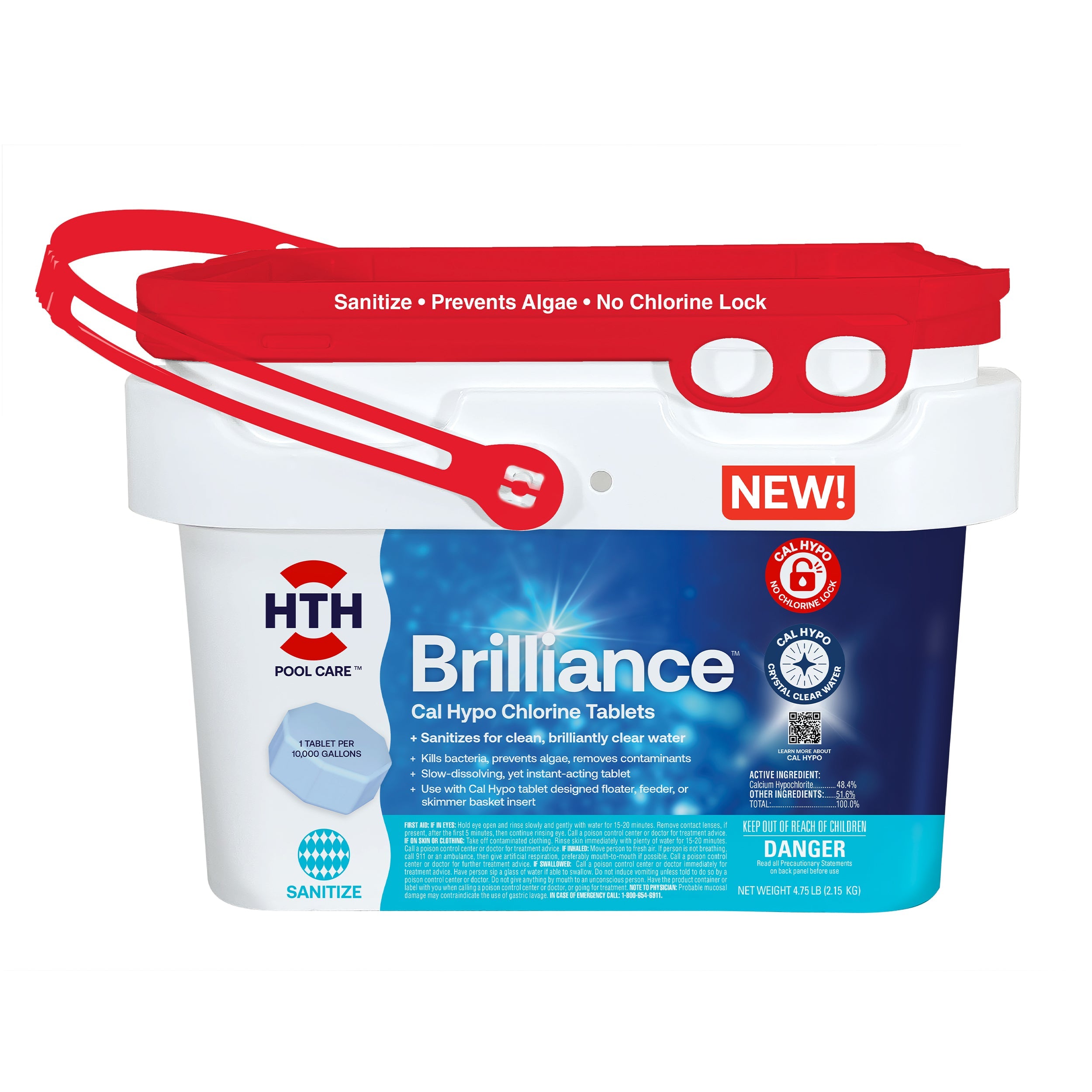
Credit: hthpools.com
Alternatives To Skimmer Use
If you want easy, safe chlorination, consider these options:
- Floating dispensers: Cheap, simple, and effective.
- Automatic feeders: More expensive, but give precise control.
- Liquid chlorine: Pour around the pool edge (never in the skimmer).
- Saltwater systems: Generate chlorine from salt, with less chemical handling.
Each method has pros and cons, but all are safer than using cal hypo tablets in the skimmer.
Environmental And Health Considerations
Cal hypo is strong, but it must be handled with care. The powder and tablets can irritate skin, eyes, and lungs. Always wear gloves and goggles when handling. Never mix with other pool chemicals.
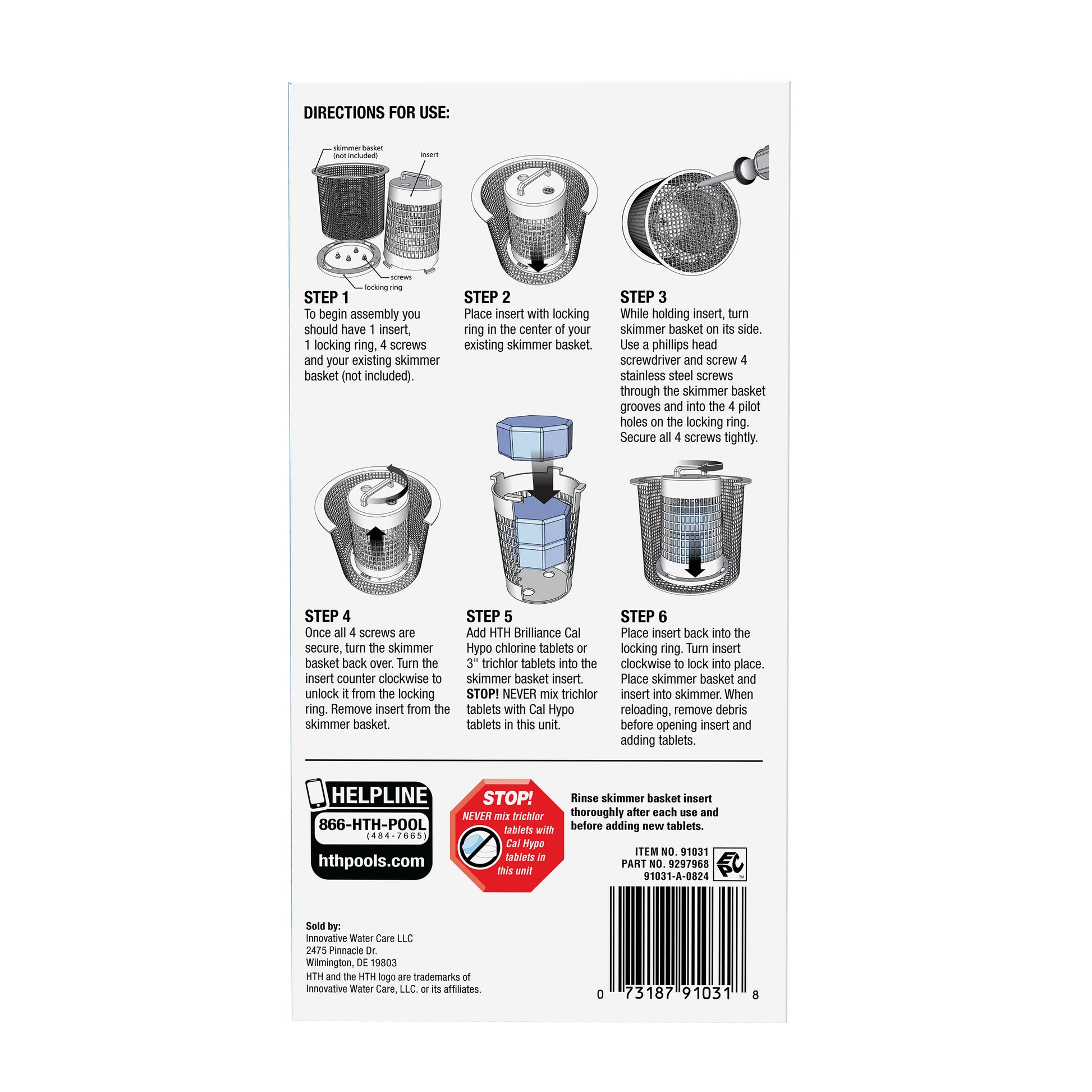
If cal hypo tablets sit in the skimmer with organic debris (like leaves), they can react and release chlorine gas—dangerous for people and pets. Also, dumping leftover cal hypo in the trash or drains can pollute the environment. Always follow disposal rules on the package.
Credit: hthpools.com
Practical Tips For Safe Cal Hypo Use
- Read instructions: Always follow the label on the cal hypo container.
- Handle with care: Wear gloves and avoid breathing dust.
- Add to water, not water to chemical: When mixing, always add cal hypo to water, never the other way around.
- Keep away from children and pets: Store high up and locked if possible.
- Don’t mix with acids or other chlorine types: This can cause fire or explosion.
What If You Already Used Cal Hypo Tablets In The Skimmer?
If you’ve put cal hypo tablets in your skimmer before, don’t panic. Here’s what to do:
- Check for scaling or deposits: Look inside the skimmer, pipes, and return jets for white buildup.
- Test water balance: Check calcium hardness and pH.
- Flush the system: Run the pump with fresh water for several hours.
- Switch to a safer method: Start using a floating dispenser or feeder right away.
- Schedule equipment checks: Have a pool pro inspect your system if you notice problems.
Catching damage early can save money in the long run.

Credit: www.amazon.com
How Pool Professionals Handle Cal Hypo
Most pool service companies avoid putting any tablets in the skimmer. Instead, they use feeders, floaters, or dissolve cal hypo for shocking. Some companies even refuse jobs if they see signs of skimmer tablet use, because of the risk of hidden damage.
A pool technician’s advice: “Spend a few dollars on a floater. It could save you thousands on equipment repairs.”
Regulatory And Safety Guidelines
The U.S. Environmental Protection Agency (EPA) and pool industry groups recommend never using cal hypo tablets in skimmers. Many state codes and pool safety guidelines say the same. For more details, see the CDC’s pool disinfection guide.
Ignoring these rules can not only damage your pool, but may also affect insurance claims and liability if someone is hurt.
Non-obvious Insights And Advanced Tips
Most beginners don’t realize:
- Cal hypo tablets dissolve much faster in the skimmer than floaters, so you actually use more product and spend more money.
- Mixing leftover cal hypo dust with organic debris (like leaves in the skimmer basket) can sometimes trigger a small fire or melting of plastic parts.
- Your pool’s pH and calcium levels can skyrocket after just a few months of using cal hypo tablets in the skimmer, even if you don’t see problems right away.
These are real risks that many new pool owners learn only after costly mistakes.
Frequently Asked Questions
Is It Ever Safe To Put Cal Hypo Tablets In The Skimmer?
No, it is not safe. The concentrated chlorine and calcium can damage pipes, equipment, and pool surfaces. Always use a floating dispenser or feeder for cal hypo tablets.
What Should I Do If I Accidentally Put A Cal Hypo Tablet In The Skimmer?
Remove the tablet as soon as possible. Run the pump to flush any residue. Check for scaling or unusual chlorine smells. Switch to a safer chlorination method right away.
How Does Cal Hypo Affect Pool Ph And Calcium?
Cal hypo raises both pH and calcium hardness. High pH can reduce chlorine effectiveness, and high calcium can cause scaling. Test water often and adjust with acid or dilution as needed.
Can I Use Cal Hypo In Vinyl Liner Or Fiberglass Pools?
Yes, but never in the skimmer. Always use a floating dispenser and avoid letting the tablet sit on the liner or surface. Cal hypo is safe for all pool types if used correctly.
Are There Any Legal Restrictions On Cal Hypo Tablet Use?
Some states and local codes restrict adding any chlorine tablets to skimmers. Always check local pool rules and follow manufacturer and EPA guidelines.
Using cal hypo tablets in the skimmer seems easy, but the risks are real and costly. By understanding how cal hypo works and following safe practices, you can keep your pool clean, clear, and safe for everyone who dives in. Smart choices today can save you repairs, money, and trouble tomorrow.