
A backyard pool is a wonderful way to relax and enjoy warm days. But when your Coleman pool starts leaking from the bottom, it can quickly turn from fun to frustration. Many pool owners face this problem, especially with above-ground pools. If you see water levels dropping or wet spots under your pool, you may have a bottom leak. This situation can cause stress, but with the right steps, you can find the cause, stop the leak, and get back to swimming safely.
Understanding why your Coleman pool might be leaking from the bottom is the first step. Some leaks are small and easy to fix. Others are more serious and may need more work or even replacement parts. In this article, you’ll learn about the common causes of bottom leaks, how to detect and locate them, and step-by-step solutions to repair your pool.
You’ll also find tips to prevent future leaks, see how Coleman pools compare to other brands when it comes to leaks, and get answers to common questions pool owners have.
If you want your pool to last for many summers, it’s important to know what to do when problems like leaks happen. This complete guide will help you handle a leaking Coleman pool with confidence and avoid mistakes that cost time and money.
Why Coleman Pools Leak From The Bottom
A leak at the bottom of your Coleman pool is often caused by one or more of the following:
- Punctures or tears in the liner from sharp objects or rough ground.
- Seam separation where the liner is joined together.
- Improper installation leading to stress on certain areas.
- Ground movement or settling that puts pressure on the liner.
- Aging liner material that has weakened over time.
- Manufacturing defects (less common, but possible).
Each cause creates different symptoms and may require different solutions. For example, a small hole from a stone under the pool is not the same as a liner seam splitting open. Understanding these differences is key to fixing the leak the right way.
Common Signs You Have A Bottom Leak
- Water level drops steadily even when the weather is not hot.
- Wet spots or mud appear under or around the pool.
- Unusual soft spots underfoot when you walk on the pool floor.
- Visible bubbles or shifting liner at the bottom.
New pool owners often mistake evaporation for a leak. But evaporation rarely causes more than 1/4 to 1/2 inch loss per day. If you lose more, it’s time to check for leaks.
How To Confirm A Leak In Your Coleman Pool
Before starting repairs, confirm that the water loss is from a leak at the bottom, not from other causes.
Step 1: Check For Evaporation
Fill a bucket with pool water, set it next to the pool, and mark the water level in both. Wait 24 hours. If both drop the same amount, it’s likely just evaporation. If the pool drops faster, you have a leak.
Step 2: Inspect Equipment And Connections
Leaks sometimes come from the pump, filter, or hoses. Check all these for drips or puddles. Tighten any loose connections. If everything here is dry, focus on the pool bottom.
Step 3: Visual Inspection
Walk around the pool. Look for damp ground, mud, or soft spots. If you see these signs near the base, the leak is likely at the bottom.
Step 4: Food Coloring Test
This is a simple but effective trick. With the pool full, gently squeeze food coloring near suspected spots at the bottom. If there’s a hole, the color will be drawn towards it.
Locating The Exact Leak Point
Finding the exact spot where your Coleman pool is leaking makes the repair much easier.
Techniques For Finding A Bottom Leak
- Underwater Inspection: Use swim goggles or a mask. Swim slowly over the pool floor, looking for small tears, bubbles, or wrinkles.
- Feeling for Soft Spots: Press the pool floor with your hand or foot. Leaks often make the ground feel softer or spongier.
- Let the Water Drop: If you can’t find the leak, let the pool water drop until it stops. The leak will be at the new water line.
- Marking Suspected Areas: If you spot a likely leak, circle it with a waterproof marker so you don’t lose track.
Non-obvious Tip
Sometimes, leaks can happen in more than one spot. Once you find one, keep looking for others. Many pool owners patch one leak, only to find the water still drops because they missed a second hole.
What Tools And Materials You Need
Before starting repairs, gather what you’ll need. Having the right tools saves time and prevents further damage.
Basic tools for most repairs:
- Vinyl pool patch kit (includes adhesive and patches)
- Scissors
- Towel or cloth to dry surfaces
- Goggles or mask
- Bucket (for the evaporation test)
- Marker (for locating the leak)
- Garden hose (for refilling)
- Pool vacuum (optional, to remove debris)
For larger tears or seam separation, you may need:
- Heavy-duty vinyl repair tape
- Replacement liner (for major damage)
- Rubber gloves (to protect hands from adhesives)
Many pool owners overlook the value of buying a high-quality patch kit. Cheaper kits often fail after a few weeks. Investing in a good kit makes your repair last longer.
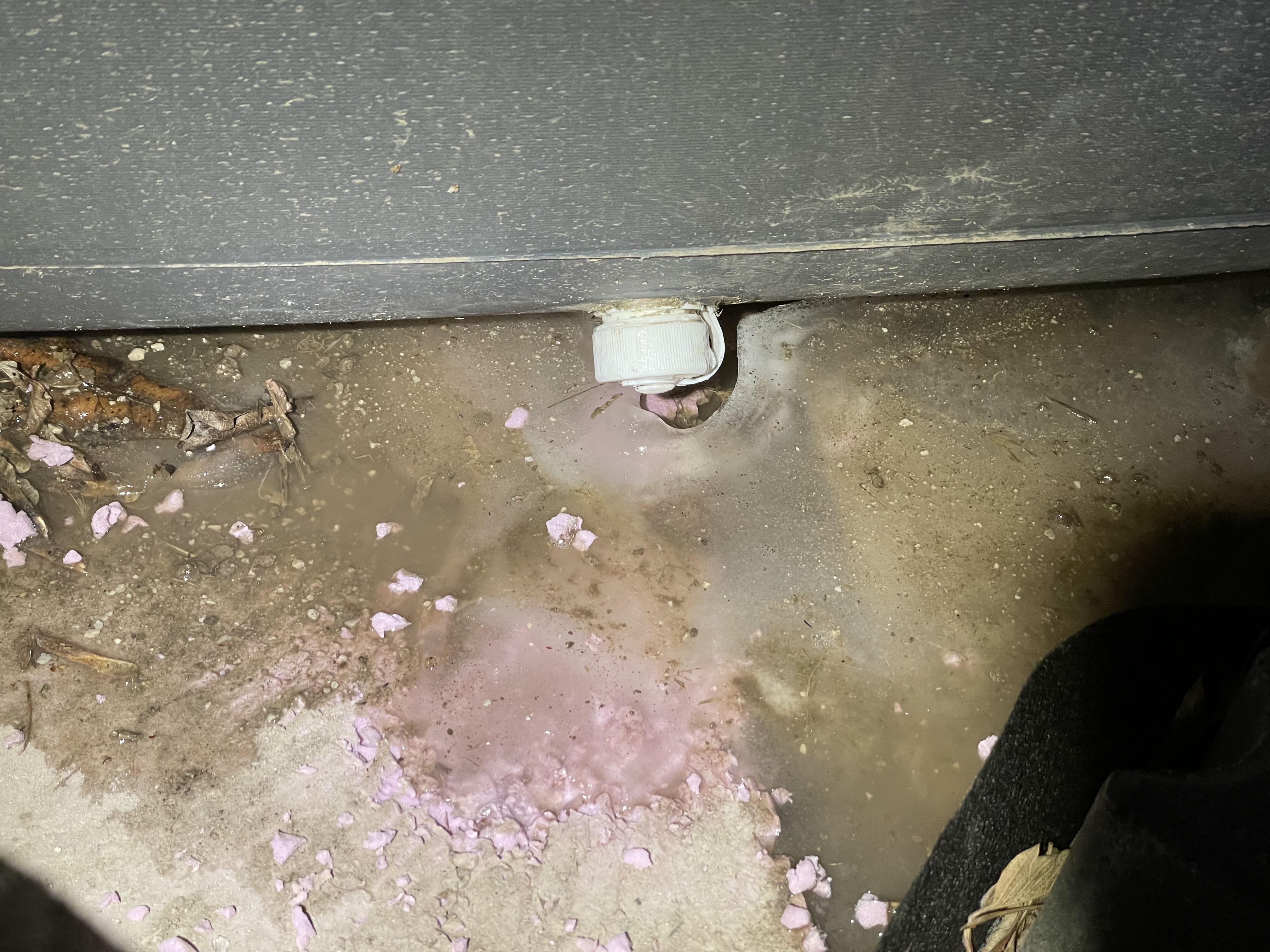
Credit: www.troublefreepool.com
Step-by-step Guide: Repairing A Coleman Pool Leaking From The Bottom
Fixing the leak depends on its size and location. Below you’ll find solutions for small punctures, larger tears, and seam splits.
Fixing Small Punctures (less Than 2 Inches)
1. Clean The Area
Remove all dirt, algae, or debris. The patch will only stick to a clean surface.
2. Cut The Patch
Use scissors to cut a patch at least 2 inches larger than the hole. Round the corners. This helps prevent peeling.
3. Apply Adhesive
If your kit has glue, spread it evenly on the patch. Some patches are self-adhesive.
4. Place The Patch Underwater
Press the patch over the hole. Start from the center and press outward to remove air bubbles.
5. Hold The Patch
Press firmly for 2-3 minutes. Use a weight if possible.
6. Wait Before Using The Pool
Follow instructions on your patch kit. Most need 24 hours to set.
Repairing Large Tears Or Seam Splits
1. Lower Water Level
Drain the pool below the tear if it’s large or at a seam.
2. Dry The Area
For the best bond, the liner should be dry. Use a towel.
3. Apply A Larger Patch
For big tears, use a patch at least 4 inches bigger than the damage.
4. Use Extra Adhesive
More glue ensures a strong seal.
5. Reinforce With Tape
After the patch, add vinyl repair tape over the top for added security.
6. Check For Leaks
Refill the pool slowly and watch for drops or new wet spots.
When To Replace The Liner
If the liner is very old (5+ years), brittle, or has many holes, patching may only be a temporary fix. In this case, replacing the liner is a better long-term solution. Weak liners are more likely to fail again.
Common Mistakes To Avoid
- Patching a dirty or wet surface (unless using underwater patches)
- Using patches that are too small
- Not pressing out air bubbles
- Skipping the drying time before swimming
Many owners rush repairs, hoping for a quick fix. Taking time with each step leads to a longer-lasting repair.
How Long Do Coleman Pool Liners Last?
The lifespan of a Coleman pool liner depends on several factors:
- Material quality: Higher-quality liners last longer.
- Installation: Correct setup prevents stress and tears.
- Maintenance: Clean, well-cared-for pools avoid sharp debris.
- Sun and chemical exposure: UV rays and harsh chemicals weaken liners.
On average, Coleman pool liners last 3 to 7 years. With careful use, some last longer. If your liner leaks often or feels thin, it may be time for a replacement.

Credit: www.reddit.com
Preventing Future Bottom Leaks
After repairing your pool, it’s smart to prevent future problems. Here’s how:
1. Prepare The Ground Properly
Before setting up your Coleman pool, remove all stones, sticks, and sharp objects. Lay a protective ground cloth or foam under the pool. This simple step prevents most punctures.
2. Avoid Dragging The Pool
Dragging or pulling the pool can stretch or tear the liner. Set it in place carefully, then fill.
3. Use A Pool Pad
Special pool pads add a layer of protection. They reduce the risk of small stones or roots causing holes.
4. Check For Sharp Objects Regularly
Inspect the area around and under your pool each year. Roots can grow and stones can shift.
5. Maintain Proper Water Chemistry
Unbalanced water can weaken liners. Test the water weekly and adjust chemicals as needed.
6. Store Properly In Off-season
If you take the pool down for winter, dry it completely and store it in a cool, dry place. Avoid folding the liner sharply.
7. Inspect After Storms
Strong storms can move debris under the pool or push the liner off its base. Always check your pool after heavy weather.
Comparing Coleman Pools To Other Brands: Leak Risk
Coleman is a popular brand, but how does it compare to others for leak risk? Here’s a look at some data.
| Brand | Average Liner Life (Years) | Common Leak Issues | Repair Kit Quality |
|---|---|---|---|
| Coleman | 3-7 | Bottom punctures, seam splits | Good |
| Intex | 2-6 | Bottom tears, seam leaks | Average |
| Bestway | 2-5 | Small punctures | Good |
| Summer Waves | 3-6 | Bottom and side tears | Good |
Coleman pools generally have thicker liners than some budget brands, but all above-ground pools are at risk if set up on rough ground.
Non-obvious insight: Many leaks are caused not by the brand but by poor ground prep or incorrect installation. Even the best liner can fail if placed on sharp rocks.
Credit: bucketofbloodsaloon.com
When To Call A Professional
Some leaks are too large or complex for a quick DIY fix:
- Severe seam separation
- Multiple leaks in different places
- Liner damage near fittings or drains
- Leaking pool frame or structure
If you are not confident, or if patches keep failing, call a local pool professional. They have special tools to detect and repair leaks. This can save time and prevent bigger problems.
Cost Comparison: Diy Vs Professional Repair
Here’s a simple comparison to help decide.
| Repair Method | Estimated Cost | Pros | Cons |
|---|---|---|---|
| DIY Patch Kit | $15 – $40 | Low cost, quick, learn new skill | May not fix large tears, needs some skill |
| Professional Repair | $100 – $300 | Expert results, warranty, saves time | Higher cost, schedule needed |
| Liner Replacement | $150 – $500+ | Fresh start, long-term solution | More expensive, time-consuming |
DIY is best for small punctures, while pros are better for larger or repeated leaks.
Real Example: Fixing A Coleman Pool Bottom Leak
Let’s look at a real situation:
Situation:
A family notices their 18-foot Coleman pool is losing water quickly. They see a muddy patch under one side.
Action:
- They check for leaks at hoses and fittings. Everything is dry.
- They do a food coloring test. The color moves toward a small hole in the liner near the bottom edge.
- Using a vinyl patch kit, they cut a round patch 3 inches wide, apply glue, and press it firmly over the hole for 3 minutes.
- They wait 24 hours, refill the pool, and check for leaks.
Result:
The leak stops. They add a ground pad under the pool the next season to prevent more holes.
Lesson:
A careful search and proper patching solved their problem without needing a new liner.
Frequently Asked Questions
How Do I Find A Leak In My Coleman Pool If The Water Is Cloudy?
Cloudy water makes it hard to see the bottom. Wait for the water to clear, or use a pool vacuum to remove debris first. If you must search right away, use your hands or feet to feel for soft or cold spots on the floor—these often show where water is escaping.
Can I Use Duct Tape To Fix A Pool Leak?
Duct tape is not a good long-term fix. It may stop a leak for a day or two, but it will not last underwater. Always use a vinyl pool patch kit made for underwater use. These are designed to hold up in water and stick to liners.
Is It Normal For Coleman Pools To Lose Some Water Each Week?
Yes, small water loss from evaporation is normal. Expect to lose 1/4 to 1/2 inch per day in hot weather. If you lose more, check for leaks. Splash-out from swimming also reduces water, but this is not a leak.
How Do I Know If I Need A New Liner Or Just A Patch?
If your liner is less than 5 years old and the leak is small, a patch is usually enough. If your liner feels brittle, has many tears, or keeps leaking after repairs, it’s safer to replace it. Patching old, weak liners is only a short-term solution.
Where Can I Find More Help For Coleman Pool Repairs?
Official Coleman manuals and pool supply stores are good resources. Online forums and guides offer advice from other pool owners. For more technical details, check the Wikipedia Swimming Pool Sanitation page.
Having a Coleman pool leaking from the bottom is stressful, but it doesn’t have to end your summer. With the right steps, you can find, fix, and prevent leaks—making your pool safe and fun for years to come. Always act quickly, use proper materials, and don’t hesitate to call a professional if you need extra help.