
Setting up an above ground pool inside a garage might sound unusual, but more people are considering it for privacy, year-round swimming, or space-saving reasons. If you’ve ever thought about taking the plunge and moving your pool indoors, the process requires careful planning, safety checks, and creative problem-solving. This guide walks you through every angle, from choosing the right pool to handling garage humidity and making sure your setup is safe and enjoyable for everyone.
Why Put An Above Ground Pool In A Garage?
Swimming at home is convenient, but outdoor pools have their downsides—weather, debris, and lack of privacy. Placing an above ground pool inside your garage could solve these problems and add some unique benefits:
- Year-round swimming: You can swim even when it rains or snows.
- Extra privacy: No neighbors watching you relax.
- Cleaner water: Less exposure to leaves, bugs, and dust.
- Safety: Easier to secure than outdoor pools, especially for homes with children or pets.
- Space efficiency: Garages often sit unused—why not make them fun?
However, bringing a pool inside isn’t as simple as moving it and filling it up. There are important factors to consider before you begin.
Is It Possible? The Main Challenges
Not every garage is ready for a pool. Here are the main things you need to think about before moving forward:
- Weight support: A garage floor must handle a lot of weight. Water is heavy—one gallon weighs about 8.34 pounds (3.78 kg), and even a small pool can add tons of pressure.
- Moisture and humidity: Pools create humidity that can damage walls, ceilings, and your home’s structure.
- Drainage: Splashing and leaks are possible, so you need a way for water to escape without harming your garage.
- Ventilation: Without fresh air, your garage can become stuffy or develop mold.
- Space limitations: You need enough room for the pool, safe walking space, and pool equipment.
- Building codes: Local rules may prevent or restrict indoor pool setups.
Ignoring these can lead to expensive repairs or even dangerous situations.
Choosing The Right Above Ground Pool
Not all above ground pools work well indoors. Look for these features:
- Size: Measure your garage carefully. Allow at least 2-3 feet (about 60-90 cm) around the pool for movement and maintenance.
- Shape: Rectangular or oval pools usually fit better in garages than round pools.
- Frame material: Steel or resin frames are strong, but make sure they won’t rust quickly in humid spaces.
- Height: Lower walls (36-48 inches / 90-120 cm) are easier to manage indoors.
- Liner durability: Go for a thick, puncture-resistant liner to prevent leaks.
Popular Above Ground Pool Types
Here’s a comparison of common pool types for indoor garage use:
| Type | Pros | Cons | Best For |
|---|---|---|---|
| Steel Frame | Very strong, long-lasting | Heavy, can rust if not treated | Permanent setup |
| Resin Frame | Resists rust, lighter weight | More expensive | Humid environments |
| Inflatable | Easy to set up, portable | Less durable, punctures easily | Temporary/seasonal use |
| Hybrid | Mix of resin and steel, balanced | Price varies | Flexible setups |
A resin frame pool is often the best choice because it handles moisture better than steel.
Preparing Your Garage
Before you buy anything, check if your garage is ready. This step is often rushed or skipped, but it’s where most problems start.
Floor Strength
Water is heavy. For example, a 12-foot (3.6 m) diameter pool, 3 feet (90 cm) deep, holds about 2,600 gallons (9,800 liters)—over 21,700 pounds (9,850 kg). Most garage floors are concrete and can hold this, but older garages or thin slabs may not. If you’re unsure, ask a local contractor or engineer.
Non-obvious insight: Don’t just check the center of the floor—pool weight is not always spread evenly. Cracks or soft spots can mean trouble.
Waterproofing
Water will spill. You need to protect your floor and walls:
- Apply a waterproof sealant on the floor and up the walls about 12 inches (30 cm).
- Use a heavy-duty pool mat under the pool to prevent liner punctures and absorb small spills.
- Consider raised edges or water barriers at the garage door to keep water inside.
Pro tip: Epoxy garage floor coatings work well for waterproofing and are easy to clean.
Drainage Planning
Even small leaks can cause damage over time. Your garage needs a way to drain water safely:
- Check if you have a floor drain—if not, you may need to install one.
- Slope the floor slightly toward the door or drain.
- Avoid blocking drainage with pool supports or mats.
Common mistake: Blocking the drain with pool legs or gear is easy to overlook.
Ventilation
Humidity rises quickly with an indoor pool. Moist air can lead to mold, rust, and musty smells. Good airflow is critical:
- Install exhaust fans to pull humid air outside.
- Open garage doors or windows when possible.
- Use a dehumidifier rated for the garage’s size.
- Consider adding vents or louvers for passive airflow.
Non-obvious insight: Even in winter, running a dehumidifier is cheaper than fixing mold damage later.
Electrical Safety
Pool pumps, lights, and heaters need power. Water and electricity are a dangerous mix:
- Hire a licensed electrician to check wiring.
- Use GFCI outlets (ground-fault circuit interrupters) near the pool.
- Keep all cords and outlets at least 5 feet (1.5 m) from the pool edge.
- Avoid running extension cords across walkways.
Pro tip: Install wall-mounted, waterproof switches for added safety.
Step-by-step Setup Guide
Ready to transform your garage? Here’s how to do it safely and efficiently.
1. Clear And Clean The Space
Remove all items from the garage. Sweep and wash the floor. Check for oil spots or chemicals—they can damage the pool liner or make surfaces slippery.
2. Inspect The Structure
Look at the floor, walls, and ceiling for cracks, leaks, or mold. Fix any issues before moving forward.
3. Apply Waterproofing
Seal the floor and lower walls. Let everything dry fully before moving to the next step.
4. Install Drainage Solutions
If you don’t have a floor drain, consider having one installed. If not possible, use a wet-vac to handle spills and be extra vigilant.
5. Plan And Install Ventilation
Install fans, dehumidifiers, or vents. This step makes a big difference in comfort and maintenance.
6. Lay Down Protective Mats
Put down a pool mat or heavy-duty tarp where the pool will sit. This protects the liner and adds a small cushion.
7. Assemble The Pool
Follow the manufacturer’s instructions carefully. Take your time—mistakes here can lead to leaks later.
8. Fill And Monitor
Fill the pool slowly, checking for leaks as you go. Watch the floor and walls for any bulges or water escape.
9. Set Up Pool Equipment
Install the pump, filter, and heater if needed. Make sure all cords and controls are out of splash range and use GFCI outlets.
10. Safety And Enjoyment
Add safety signs, a pool cover, and any toys or accessories. Make sure all users know the rules—no running, rough play, or unsupervised swimming.
Managing Humidity And Air Quality
This is one of the hardest parts of having a pool in your garage. Without good management, you’ll get condensation, mold, and a musty smell.
How To Control Humidity
- Use a large-capacity dehumidifier. Choose one rated for at least 1.5 times your garage’s volume.
- Run exhaust fans during and after pool use.
- Open doors and windows for fresh air whenever possible.
- Wipe up splashes quickly and keep the pool covered when not in use.
Data point: For every 1,000 gallons (3,785 liters) of water, expect about 1-2 gallons (3.8-7.6 liters) of evaporation per day in a closed space.
Signs Of Poor Air Quality
- Foggy windows
- Peeling paint or rust spots
- Musty smells
- Mold growth on walls or ceiling
Don’t ignore these warning signs. The sooner you act, the easier the fix.

Credit: www.endlesspools.com
Pool Maintenance In A Garage
Indoor pools require less cleaning but still need regular care:
- Check water chemistry weekly—chlorine, pH, and alkalinity.
- Vacuum the floor weekly to remove dirt and debris.
- Clean the filter as recommended by the manufacturer.
- Watch for mold—treat affected areas right away.
- Keep the pool covered when not in use to reduce evaporation.
Non-obvious insight: Indoor pools often need less chlorine than outdoor pools, but poor ventilation can make even low chlorine levels smell strong.
Safety Considerations
Safety indoors is just as important as outdoors, but the risks are different.
Electrical Hazards
- Never use electrical devices near the pool unless they’re rated for pool use.
- Keep all outlets dry and above splash level.
Slip Hazards
- Wet concrete can be very slippery. Use non-slip mats around the pool.
- Keep towels handy for drying the floor quickly.
Child And Pet Safety
- Use a pool cover with safety locks.
- Keep garage doors closed and locked.
- Never leave children unattended, even for a minute.
Fire And Chemical Safety
- Store pool chemicals in a separate, locked cabinet—never next to the pool or electrical equipment.
- Avoid using open flames or heaters near pool chemicals.
Legal And Insurance Issues
Local rules can affect your plans. Before you buy or set up anything, check:
- Building codes: Some cities ban indoor pools in garages or require special permits.
- Insurance: Tell your insurance company about your pool. You may need extra coverage.
- HOA rules: If you live in a community with a Homeowners Association, ask about restrictions.
Non-obvious insight: Failing to inform your insurer can void your home insurance if you have a pool-related accident.
Common Mistakes To Avoid
- Skipping structural checks: Don’t assume your garage can handle the weight.
- Ignoring humidity control: Mold is expensive to remove and spreads quickly.
- Poor drainage planning: Even small leaks add up.
- Improper electrical setup: Water and electricity must be managed by a pro.
- Not checking local rules: It’s better to ask now than pay fines later.
- Overfilling the garage: Leave enough room to walk safely around the pool.
- Using cheap liners or mats: These save money upfront but cost more in repairs.
Credit: www.endlesspools.com.sg
Costs And Budgeting
Putting a pool in your garage isn’t cheap, but costs vary widely. Here’s a rough breakdown:
| Item | Low Estimate (USD) | High Estimate (USD) | Notes |
|---|---|---|---|
| Above ground pool | $350 | $2,500 | Size and material affect price |
| Dehumidifier | $150 | $600 | Large units cost more |
| Floor waterproofing | $100 | $500 | DIY or pro job |
| Drainage/floor work | $0 | $2,000+ | If new drain needed |
| Electrical upgrades | $200 | $1,000 | For GFCI, wiring |
| Pool cover/mats | $75 | $400 | Safety and water loss |
| Ventilation/fans | $100 | $600 | Needed for air quality |
| Miscellaneous | $100 | $300 | Toys, testing kits, etc. |
Total: On the low end, expect to spend $1,075; on the high end, $7,900 or more, depending on your garage’s condition and how much work you do yourself.
Creative Ideas For Your Garage Pool
Once you’ve solved the basics, you can turn your pool into a truly unique space.
- Add wall murals for a fun, tropical vibe.
- Install LED lighting for evening swims.
- Set up speakers for music or relaxation sounds.
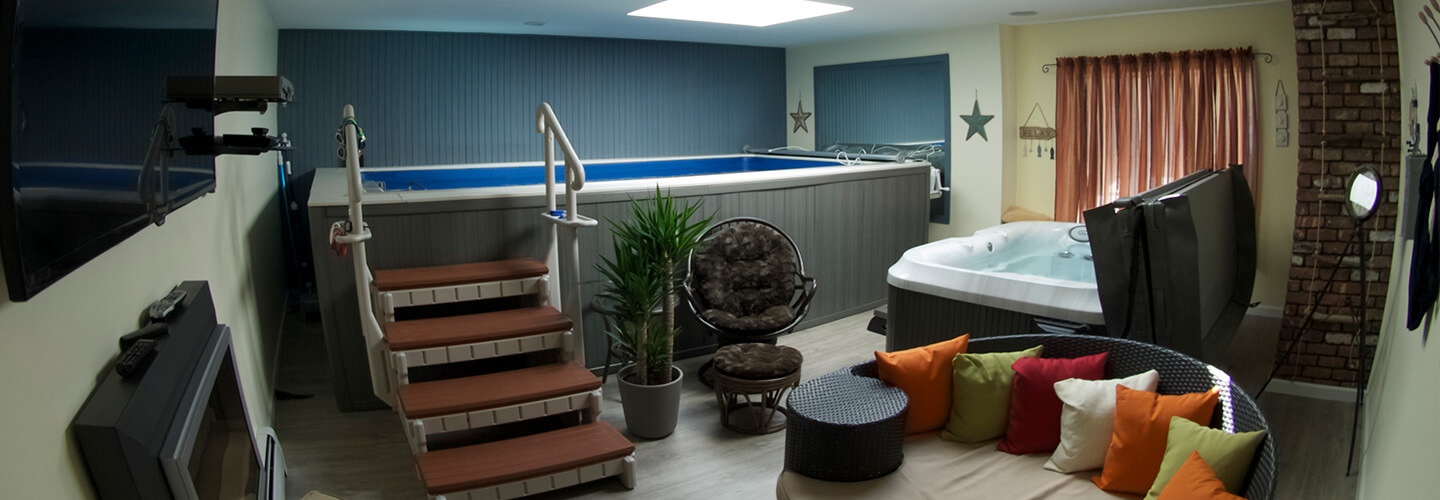
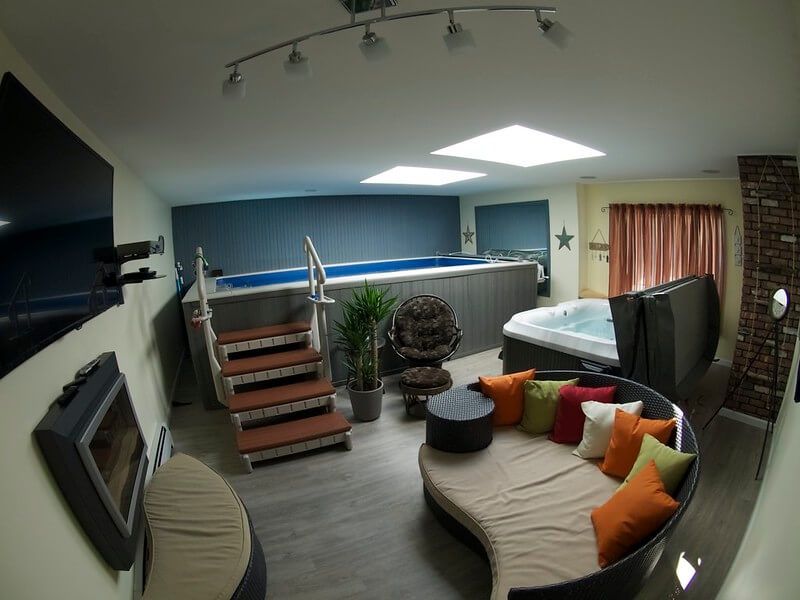
- Create a lounge area with waterproof furniture.
- Mount a TV in a dry area for watching movies while you float.
A garage pool can be more than just practical—it can become your favorite room in the house.
Credit: www.endlesspools.com
Real-world Examples
Many people have shared their indoor pool stories online. Here’s what stands out:
- One family in the Midwest turned their unused two-car garage into a year-round swim space for under $3,000, focusing on strong ventilation and a small, heated pool.
- Another homeowner regretted skipping drainage—after a small leak, they had to replace part of the garage floor.
- A DIY enthusiast used a resin frame pool and heavy-duty mats, running a dehumidifier all winter to keep mold away. Their tip: “Don’t skimp on waterproofing. It’s not worth saving a little money.”
Key lesson: The most successful projects start with careful planning and end with regular maintenance.
When Not To Try This
A pool isn’t right for every garage. If your space has:
- Major cracks or water leaks
- Very low ceilings (under 8 feet / 2.4 meters)
- Old, crumbling concrete
- No way to add ventilation
- Unwilling neighbors or HOA
It’s better to solve these problems first or consider other options.
Alternative Indoor Pool Solutions
If a full-size pool is too much, consider these alternatives:
- Swim spas: Compact, heated pools with built-in jets for swimming in place.
- Lap pools: Long, narrow pools for exercise.
- Hot tubs: Smaller, easier to manage, and great for relaxation.
- Inflatable pools: Good for kids or temporary fun—just be careful with splashing.
Each option has different needs for floor strength, ventilation, and power, but they’re usually easier to set up.
The Environmental Impact
An indoor pool uses energy for heating, filtration, and ventilation. Reduce your impact by:
- Choosing energy-efficient pumps and heaters
- Using a pool cover to reduce water evaporation
- Running fans and dehumidifiers only when needed
- Using LED lighting
Data point: A covered pool loses 50-70% less water to evaporation, saving energy and chemicals.
For more on home pool safety and environmental impact, see the CDC’s swimming resources.
Frequently Asked Questions
Can I Put Any Above Ground Pool Inside My Garage?
No, not every pool is suitable. Choose a resin or hybrid frame for better moisture resistance. Ensure the pool fits with space for maintenance and walking.
Will My Garage Floor Support The Weight Of A Full Pool?
Most modern concrete floors can, but always check for cracks, thin spots, or old concrete first. If unsure, consult a building professional.
How Do I Prevent Mold And Mildew In My Garage Pool Setup?
Use a large dehumidifier, run fans, and keep the pool covered when not in use. Clean splashes immediately and check for mold regularly.
Do I Need A Special Permit Or Insurance?
Often yes. Many cities require a permit for indoor pools, and your insurance provider must be informed. Rules vary, so check before starting.
What’s The Biggest Mistake People Make With Indoor Garage Pools?
The most common mistake is ignoring humidity and drainage. Both can lead to expensive repairs, mold, and safety problems. Plan ahead and maintain regularly.
Bringing an above ground pool inside your garage is a big project, but with smart planning, the right equipment, and ongoing care, it can become a unique and enjoyable part of your home. Pay attention to structure, safety, and air quality, and you’ll make a splash—without risking your garage or your health.