
If you own a swimming pool, you know how important it is to keep the water clean and inviting. But sometimes, you notice the water turning rusty, your walls showing brown stains, or your pool filter clogging up with orange residue. Often, the cause is iron in the pool water. This can be frustrating and even embarrassing when you want to enjoy a swim or have friends over.
Many pool owners look for a quick solution and wonder, “Can I use Iron Out in my pool?” Iron Out is a popular rust and iron stain remover, usually used in homes for toilets, sinks, and washing machines. But is it safe or effective for pool water? Or will it cause more problems than it solves?
In this article, you’ll get a complete guide on using Iron Out in your pool. You’ll learn what Iron Out is, how it works, what the risks are, and what alternatives exist. You’ll also see practical steps, expert advice, and important safety tips.
By the end, you’ll know exactly how to manage iron in your pool and make the best choice for your water, your equipment, and your swimmers.
Understanding Iron In Pool Water
Iron can enter your pool water in several ways. The most common sources are:
- Well water – Many homes use well water to fill their pools. Well water often contains high amounts of dissolved iron.
- Old pipes and pool equipment – Rusty pipes or metal parts can leach iron into the water.
- Environmental debris – Leaves, dust, and rain can introduce trace amounts of iron.
When iron is present, it usually remains invisible until it reacts with chlorine. After adding chlorine, the iron oxidizes and turns the water brown, orange, or red. This leads to stains on your pool surface and white fittings, and can clog your filters.
Even a low level of iron (as little as 0.2 ppm) can cause visible stains. The ideal level for iron in pool water is 0 ppm.
What Is Iron Out?
Iron Out is a chemical cleaning product designed to remove rust stains and iron deposits from hard surfaces. It comes in both liquid and powder forms and is widely used in households for:
- Toilets and sinks
- Dishwashers and washing machines
- Tile and grout
- Water softener systems
The active ingredient in most Iron Out products is sodium hydrosulfite. This acts as a strong reducing agent, which means it turns oxidized iron (rust) back into a soluble form that can be rinsed away.
Iron Out also contains other chemicals to help with cleaning, but it is not specifically designed for swimming pools.
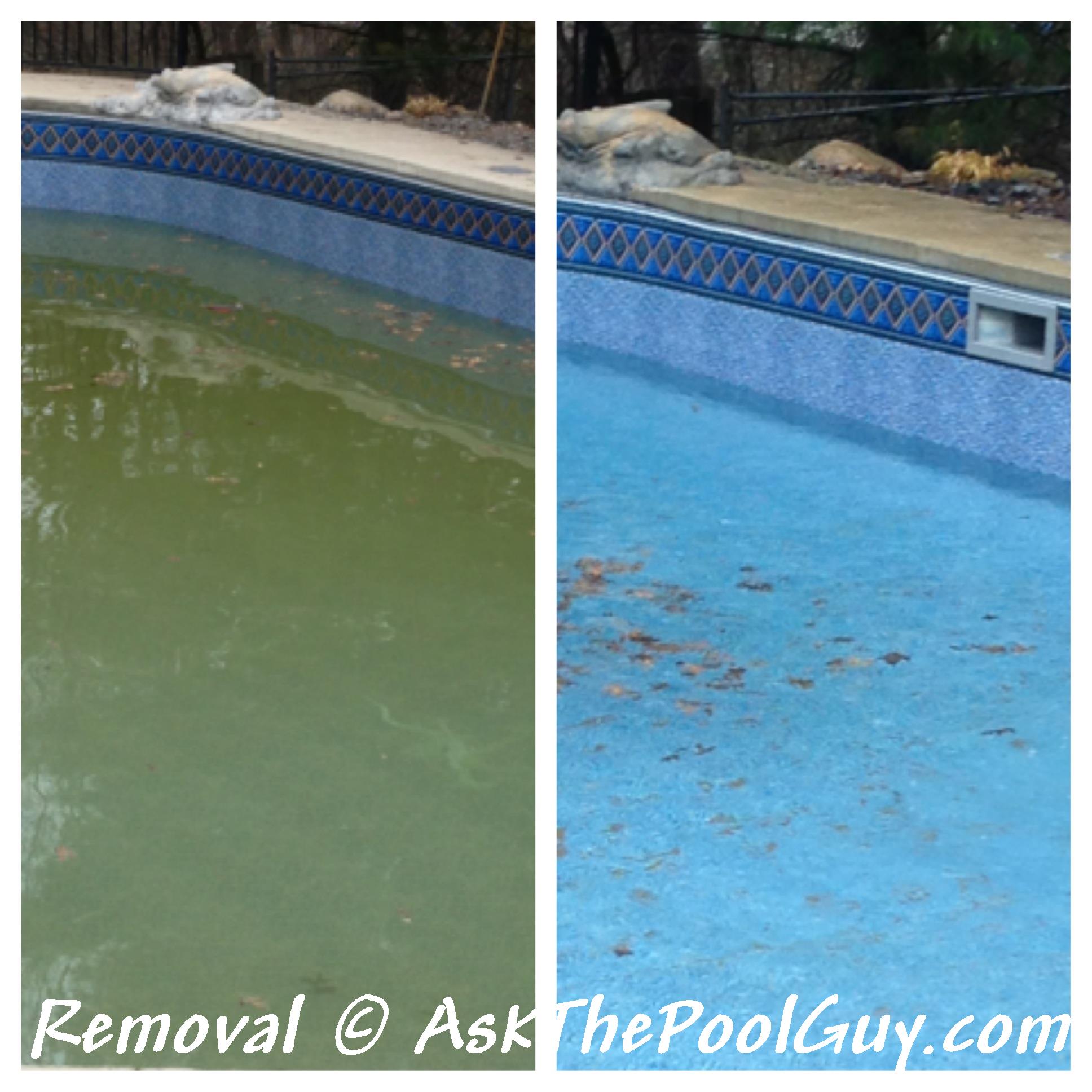
Credit: askthepoolguy.com
How Iron Out Works
When you use Iron Out, it reacts with the iron stains or rust. It breaks the bond between iron and the surface, dissolving the stain. In a washing machine, for example, you add Iron Out to the detergent compartment, run a hot cycle, and the stains disappear.
In a pool, however, things are much more complex. You’re not just cleaning a hard surface—you’re affecting thousands of gallons of water, plus the pool’s filters, pumps, and liners.
Iron Out’s main action in water is to reduce oxidized iron (the colored, solid form) back to ferrous iron (the clear, dissolved form). This can temporarily clear up the water, but it does not actually remove the iron from the pool. If you add chlorine again, the iron will oxidize once more and the stains will return.
Can You Use Iron Out In A Pool?
Let’s answer the question directly: Can you use Iron Out in your pool? Technically, you can add it to the water. But should you? There are important things to consider.
Label And Manufacturer Guidance
Iron Out is not labeled for pool use. The manufacturer, Summit Brands, does not recommend using Iron Out in swimming pools. The product is designed for household cleaning, and not tested or approved for use in large bodies of water, especially those people swim in.
Chemical Safety
Iron Out contains strong chemicals. These may:
- Lower your pool’s pH dramatically, creating acidic water
- Affect water balance, making it unsafe for swimmers
- React with chlorine and other pool chemicals, causing unpredictable effects
If not fully diluted or rinsed away, Iron Out can irritate skin, eyes, and lungs. Swimmers may be exposed to harmful residues.
Temporary Results
Iron Out does not remove iron from your pool. It only changes it from one form to another. The iron remains in the water and will return as stains and discoloration when you add more chlorine.
Pool Equipment Risks
The chemicals in Iron Out can damage pool components:
- Vinyl liners may bleach or deteriorate
- Metal parts may corrode
- Pump seals and filters may degrade faster
Manufacturers of pool equipment do not recommend Iron Out, and using it may void warranties.
Local Regulations
Pools are regulated for safety. Using non-approved chemicals can violate local health codes, especially in public or commercial pools.
Real-world Experiences With Iron Out
Some pool owners have tried using Iron Out out of desperation. Here’s what usually happens:
- The water clears up for a short time after adding Iron Out.
- The iron is still in the water, just in a different form.
- After chlorine is added, the stains and discoloration come back.
- Sometimes, the pool develops a strong chemical smell.
- Pool equipment sometimes shows signs of wear or damage after repeated use.
Experienced pool technicians recommend against using household Iron Out in pools, based on both safety and effectiveness.
What Happens When You Add Iron Out To Pool Water
If you decide to use Iron Out, here’s what to expect:
- Immediate effect: The water may become clearer as the oxidized iron dissolves.
- PH drop: The pH of your pool may fall sharply, becoming acidic.
- Chlorine loss: Iron Out reacts with chlorine, causing it to drop quickly.
- Iron remains: The total iron in the water is unchanged. If you add chlorine again, the iron re-oxidizes and stains return.
- Possible chemical reactions: Other chemicals in your pool may react, causing cloudiness, odors, or residue.
This is why Iron Out is not a true solution for iron in pool water.
Alternatives To Iron Out For Pool Iron Removal
If Iron Out isn’t ideal, what should you use instead? Here are proven methods and products for removing iron from pool water:
1. Sequestrants
Pool sequestrants are chemicals designed to bind metals like iron and prevent them from staining. They do not remove iron, but keep it dissolved so it doesn’t deposit on surfaces.
- Common brands: Jack’s Magic, Haviland, BioGuard
- Safe for pool use and swimmer health
- Must be reapplied regularly, especially after adding new water
2. Metal Filters
Some pool filters are designed to trap iron and other metals.
- Sand filters with special media can help remove iron particles.
- Portable pre-filters can be attached to your hose when filling the pool to catch iron before it enters.
3. Flocculants
Flocculants are chemicals that clump small particles, including iron, into larger masses that can be vacuumed from the pool floor.
- Used after shocking the pool to remove visible iron
- Pool must be vacuumed manually after settling
4. Ascorbic Acid (vitamin C)
Ascorbic acid is a gentle, pool-safe way to remove iron stains from pool surfaces.
- Sprinkle directly on the stain, brush gently, and stains fade in minutes
- Safe for most pools if used properly
- Must rebalance pH after use
5. Partial Water Replacement
If iron levels are very high, sometimes the best solution is to drain part of the pool and refill with water that’s lower in iron.
- Always check local water quality before refilling
- Use a pre-filter for best results
6. Professional Metal Removers
Some companies offer specialized products or services to remove iron from pool water.
- May use ion exchange, chelation, or reverse osmosis
- Safe, effective, but can be more expensive
Comparing Pool Iron Removal Methods
To see the differences, here is a comparison of common iron removal methods:
| Method | Removes Iron? | Prevents Stains? | Safe for Swimmers? | Cost |
|---|---|---|---|---|
| Iron Out | No (just changes form) | Temporarily | No* | Low |
| Sequestrant | No | Yes | Yes | Medium |
| Flocculant | Yes (with vacuuming) | Yes | Yes | Medium |
| Ascorbic Acid | No (removes stains only) | Yes | Yes | Low |
| Partial Drain & Refill | Yes | Yes | Yes | High |
| Metal Filter | Yes | Yes | Yes | Medium-High |
*Iron Out is not approved for use in swimming pools.

Credit: www.hydropuretechnologies.com
Step-by-step: Safe Iron Removal From Pools
Here’s how to properly deal with iron in your pool, without using Iron Out:
Step 1: Test Your Water
Buy a pool test kit that includes metal (iron) testing. Kits or test strips are available at pool stores. Test both your pool and your fill water.
- Iron level should be 0 ppm
- If above 0.2 ppm, take action
Step 2: Identify The Source
Is your iron coming from well water, pipes, or local water supply? If well water, consider using a pre-filter when filling the pool. If from pipes, check for corrosion and replace if necessary.
Step 3: Remove Existing Stains
For surface stains, use ascorbic acid or a commercial stain remover made for pools. Follow the label instructions. Brush gently, then balance your water.
Step 4: Add A Sequestrant
Pour a pool-approved sequestrant into the water while the pump is running. This binds the iron and keeps it from staining.
- Reapply after every major water addition and as directed
Step 5: Filter Or Floc
If iron is visible in the water, use a flocculant. Let it settle, then vacuum the debris from the pool floor.
- Clean or backwash your filter after heavy use
Step 6: Prevent Future Problems
- Use a metal pre-filter when filling with well water
- Keep pH between 7.2–7.6 to minimize iron problems
- Regularly test for metals, especially after heavy rain or new water
Iron Out Vs. Pool-safe Iron Removers
Here’s a direct comparison of Iron Out and a typical pool metal sequestrant:
| Feature | Iron Out | Pool Sequestrant |
|---|---|---|
| Labeled for Pool Use | No | Yes |
| Removes Iron from Water | No | No (binds it) |
| Prevents Stains | Temporary | Yes |
| Safe for Swimmers | No | Yes |
| Possible Equipment Damage | Yes | No |
| Regulatory Approval | No | Yes |

Credit: www.youtube.com
Common Mistakes When Dealing With Iron In Pools
Many pool owners try “quick fixes” for iron but make mistakes. Here are the most common:
- Using household chemicals – Like Iron Out, CLR, or rust removers not designed for pools. This can cause unsafe water and damage.
- Ignoring water balance – Not checking pH and chlorine after adding chemicals. Unbalanced water can cause more stains.
- Not filtering or vacuuming after treatment – Leaving iron particles in the pool allows them to settle and stain.
- Skipping pre-filtration – Filling from a well without a pre-filter introduces more iron every time.
- Overusing sequestrants – Adding too much can cloud water or cause foaming. Always follow label directions.
Practical Tips For Pool Owners
- Test your water before every treatment. Guessing leads to mistakes.
- Keep pH balanced. Iron problems get worse if water is too acidic or basic.
- Use only pool-approved chemicals. If it’s not labeled for pools, don’t use it.
- Clean your filter after treating for iron. Iron can clog cartridges and sand.
- Don’t let stains set. Fresh stains are easier to remove than old ones.
When Is Iron Out Safe To Use Near Pools?
While not for the pool water, Iron Out may be safe for cleaning pool equipment *outside* the pool, such as:
- Rust stains on concrete decks (rinse thoroughly after use)
- Metal outdoor furniture (keep away from water)
- Pool tools (rinse and dry completely before returning to the pool area)
Never allow Iron Out residue to enter the pool.
What Pool Professionals Say
Most certified pool technicians and industry groups advise against using Iron Out in pools. They recommend:
- Regular water testing
- Use of pool-specific metal removers
- Preventive steps, like pre-filters and proper water balance
The Association of Pool & Spa Professionals and other organizations do not include Iron Out on their approved chemical lists.
Health And Environmental Concerns
Iron Out contains chemicals that are not tested for swimmer safety in pool water. Swallowing or prolonged skin exposure may cause irritation. There is also the risk of harming local aquatic life if pool water containing Iron Out is drained into storm drains or natural water sources.
Always dispose of pool water responsibly and avoid introducing non-pool chemicals.
Iron Out And Pool Warranty Issues
Using chemicals not approved for pools can void warranties on:
- Vinyl liners
- Pool pumps and filters
- Heaters and automatic chlorinators
Manufacturers may refuse to repair or replace equipment damaged by improper chemicals.
The Bottom Line: Should You Use Iron Out In Your Pool?
Iron Out may seem like a quick fix for iron stains in your pool, but it is not a true solution. It does not remove iron from your water and can create safety, equipment, and health risks. The results are usually temporary, and you may end up with more problems than you started with.
For best results, use products and techniques designed for pools. Regular water testing, using sequestrants, and removing iron physically are safer, more effective, and better for your pool’s long-term health.
If you need detailed water treatment advice, consult a certified pool professional or check guidelines from trusted sources like the CDC Healthy Swimming page.
Frequently Asked Questions
Is Iron Out Safe For My Swimming Pool?
No, Iron Out is not recommended for pool water. It is not labeled for pool use, can damage pool equipment, and may create unsafe swimming conditions.
What Should I Do If I Already Used Iron Out In My Pool?
If you have already added Iron Out, do not let anyone swim until you test and rebalance your water. Raise the pH back to normal, restore chlorine levels, and run your filter continuously for 24–48 hours. Test for iron and consider a partial water change.
How Do I Remove Iron Stains From My Pool Surface?
For stains on pool walls and floors, use ascorbic acid (vitamin C) or a pool-specific stain remover. Always follow product instructions and rebalance the water after treatment.
Can I Use Iron Out To Clean Pool Equipment?
You may use Iron Out on rust stains outside the pool, such as on tools or deck furniture. Rinse thoroughly and do not let any residue enter the pool water.
What Is The Best Way To Prevent Iron Problems In My Pool?
Test your source water for iron, use a pre-filter when filling, keep your pool’s pH balanced, and use a pool-approved sequestrant regularly. Address stains early and clean your filter after treating for iron.
Keeping your pool clear of iron is not just about quick fixes—it’s about using the right products and smart prevention. With the right steps, you can enjoy sparkling, stain-free water all season long.