
When you’re planning plumbing in your home or any building, you want everything to work safely, efficiently, and last for years. One question that often comes up is whether hot and cold PEX lines can touch. You might see photos online where red and blue PEX pipes are installed side by side, sometimes even bundled together. But is this okay for your system and your water quality? Does it meet plumbing codes and best practices? Let’s dive deep into this topic, clear up confusion, and help you make smart decisions for your next plumbing project.
What Are Pex Pipes?
PEX stands for cross-linked polyethylene, a flexible, durable plastic tubing widely used for water supply lines. It comes in different colors—most commonly red for hot water, blue for cold, and sometimes white or gray for either. The color is just for identification; the material is the same.
Why is PEX so popular? It’s easy to install, resists corrosion, and handles high pressure and temperature. Plumbers and DIYers love it because you can bend it around corners and snake it through tight spaces without as many fittings as copper or CPVC.
PEX is also less likely to burst from freezing compared to rigid pipes.
But even with all these advantages, proper installation is key for long-lasting, safe plumbing. That’s why questions like “Can hot and cold PEX lines touch? ” matter more than most people think.
Why The Question Matters
At first glance, letting hot and cold PEX lines touch might not seem like a big deal. After all, both pipes are made from tough, temperature-resistant material. But there are important reasons to consider how you run your lines:
- Temperature loss or gain: If hot and cold pipes are close, heat can transfer from hot to cold, wasting energy and affecting water temperature.
- Condensation risk: Cold pipes can sweat in humid spaces, especially if warmed by nearby hot lines, which can lead to moisture problems.
- Code compliance: Building codes may have requirements about pipe spacing or insulation.
- Long-term durability: Repeated thermal cycling (hot/cold/hot/cold) can stress pipes and fittings, possibly shortening their lifespan.
Understanding these factors helps you make better choices and avoid future headaches.
What Plumbing Codes And Standards Say
Most plumbing codes, including the International Residential Code (IRC) and Uniform Plumbing Code (UPC), do not strictly prohibit hot and cold PEX lines from touching. However, they do recommend practices to reduce heat transfer and protect water quality.
Some key code points:
- Separation for insulation: Codes often require hot water lines to be insulated, especially in unconditioned spaces. If lines are touching, it’s harder to insulate them properly.
- No material incompatibility: PEX is safe to touch other PEX pipes. There’s no chemical reaction between hot and cold lines.
- Support and movement: Codes require proper support and allowance for pipe movement due to expansion and contraction.
Local codes may be stricter. Always check with your city or county building department before starting work.
How Heat Transfer Works Between Pipes
When hot and cold PEX lines touch, heat naturally moves from the hotter pipe to the cooler one. This process is called thermal conduction. While PEX is less conductive than metal pipes, some heat still transfers.
Here’s what happens:
- Hot water loses heat: The hot PEX pipe cools down faster, so your water may not be as hot at the tap.
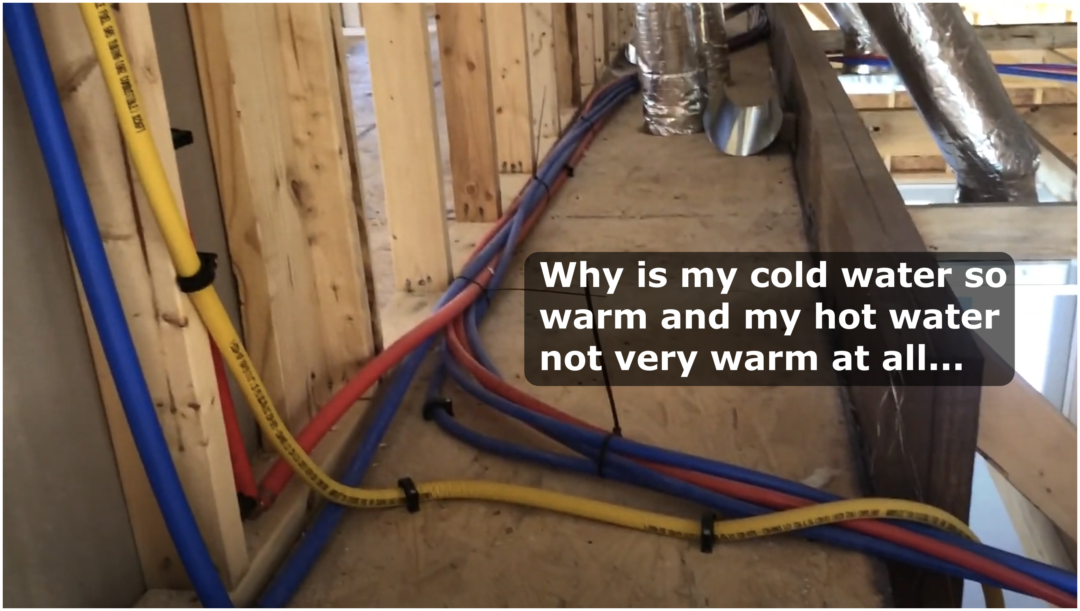
- Cold water warms up: The cold line can get warmer, especially if pipes run together for long distances. This can affect drinking water quality and taste.
- Energy waste: Your water heater works harder to maintain temperature, raising energy bills.
In most home systems, this effect is small but can add up over time, especially in large or complex plumbing layouts.

Credit: diy.stackexchange.com
Real-world Examples And Data
Let’s look at how much heat can actually transfer in typical situations.
Example 1: Short Runs In A Bathroom Wall
If hot and cold PEX lines touch for a few feet inside a bathroom wall, the heat transfer is minimal. Most homeowners won’t notice a difference in water temperature or energy use.
Example 2: Long Parallel Runs In A Basement
If hot and cold lines run side by side for 30 feet or more, especially in a cold basement, the effect is bigger. Hot water cools faster, and cold water can be less refreshing, especially in summer.
Data Comparison: Pex Vs Copper
Here’s a simple comparison to show how much less heat PEX transfers compared to copper:
| Material | Thermal Conductivity (W/m·K) | Heat Transfer Between Lines |
|---|---|---|
| Copper | ~385 | High |
| PEX | ~0.4 | Low |
This means PEX is much better at slowing down heat loss, but “low” is not the same as “zero. ”
When Is It Okay For Hot And Cold Pex Lines To Touch?
Plumbing experts generally agree it’s safe for hot and cold PEX lines to touch under certain conditions:
- Short runs: If pipes only touch for a foot or two, as in a wall or under a sink, it’s not a big concern.
- Conditioned spaces: In heated and cooled areas of the home, temperature differences are less extreme, so risk is lower.
- Properly supported: Pipes must be secured to prevent movement and abrasion.
- No code conflicts: If your local code allows it, and insulation is not required for every run.
In new construction, you’ll often see pipes bundled together for faster installation. This is considered acceptable by many building inspectors if other requirements are met.
Credit: www.reddit.com
When Should You Keep Hot And Cold Pex Lines Apart?
There are situations where you should not let hot and cold PEX lines touch or run together:
- Long parallel runs: For more than 6-10 feet, especially in unconditioned spaces like basements or crawlspaces, keep lines separated by at least a few inches.
- High-efficiency systems: If you’re trying to maximize energy savings, separation helps reduce heat loss.
- Where insulation is required: It’s hard to insulate pipes that are touching, especially in tight bundles.
- Commercial or public buildings: Some codes for commercial projects are stricter than for homes.
A good rule of thumb: If you can easily keep pipes apart, do so. If they must touch, don’t panic—but try to limit the contact.
Insulation: The Simple Solution
One of the best ways to reduce heat transfer is to insulate your hot PEX lines. Pipe insulation sleeves are cheap, easy to install, and very effective.
Benefits Of Insulating Hot Pex Lines
- Reduces heat loss: Hot water stays hotter from heater to tap.
- Saves energy: Lowers water heating bills.
- Prevents condensation: Especially on cold pipes in humid climates.
- Easier to meet code: Many codes now require hot water insulation.
Common Types Of Pipe Insulation
| Material | R-Value (per inch) | Best For |
|---|---|---|
| Foam | ~3 | Most residential use |
| Rubber | ~4 | High heat, outdoor use |
| Fiberglass | ~5 | High temp, commercial |
For most homes, foam sleeves are easy to cut and slip over PEX lines, even if the pipes touch. Just make sure the insulation wraps completely around the hot pipe.
Installation Best Practices
Proper installation can make a huge difference. Here are some expert tips to keep your plumbing efficient and long-lasting.
1. Plan Your Pipe Runs
Before installing, lay out your hot and cold lines. Try to keep them at least 2 inches apart wherever possible, especially for long runs.
2. Use Pipe Clips And Supports
Secure pipes every 32-48 inches with approved clips or hangers. This prevents rubbing and vibration, which can damage pipes over time.
3. Insulate Where Needed
Always insulate hot water lines, especially in unheated basements, crawlspaces, attics, or exterior walls. If cold pipes are at risk of condensation, insulate them too.
4. Avoid Tight Bends And Kinks
PEX is flexible, but too sharp a bend can weaken the pipe. Use manufacturer-recommended bend supports.
5. Stagger Pipe Placement When Possible
If you have to run hot and cold lines in the same stud bay, try to stagger their height or position. For example, hot at the bottom, cold at the top.
6. Don’t Over-tighten Bundles
If you must bundle pipes, don’t strap them tightly together. Allow for pipe expansion and contraction as water temperature changes.
7. Label Your Lines
Red for hot, blue for cold. This avoids mistakes during future repairs or upgrades.
Common Myths And Mistakes
Many homeowners and some DIYers believe myths about PEX installation. Let’s clear up a few.
Myth 1: Pex Pipes Can’t Touch Each Other
False. PEX pipes can touch without damage or chemical reaction. The main concern is heat transfer, not material compatibility.
Myth 2: Hot Water Will Melt Cold Pex
Not true. All PEX pipes are rated for the same temperature (usually up to 200°F/93°C), regardless of color.
Myth 3: Bundling Pipes Saves Energy
Actually, bundling hot and cold lines together increases heat loss. Separation and insulation are better for efficiency.
Mistake 1: Not Insulating Hot Lines
Skipping insulation leads to wasted energy and higher bills, especially in cold climates.
Mistake 2: Running Long Parallel Lines Without Separation
Over long distances, the effect of heat transfer grows. Keep pipes apart where you can.
Mistake 3: Ignoring Local Codes
Each city or state may have special requirements. Always check before you build.
Advanced Insights: What Most Beginners Miss
Even many experienced DIYers don’t realize these two points:
- Thermal Expansion and Noise: When hot water rushes through PEX, the pipe expands and may rub against cold lines, causing “ticking” or “popping” noises. Separation or loose-fitting insulation can stop this.
- Water Quality: When cold water lines absorb heat from hot lines, water can become “tepid,” especially at low flow rates. This may encourage bacterial growth if water sits in the pipes for long periods (like in rarely used guest bathrooms).
These subtle issues are why commercial plumbers often go the extra mile to keep lines separated and insulated, even if codes allow touching.
Case Study: Residential Vs Commercial Installation
Let’s compare how hot and cold PEX lines are treated in two common settings.
Home Renovation
In a small home, a plumber may run hot and cold lines together through a bathroom wall for a short distance. They’re clipped loosely to a stud, and the hot line is insulated. This setup is efficient, space-saving, and meets code.
Large Apartment Building
In a commercial job, pipes often run through long corridors. Here, hot and cold PEX lines are separated by several inches and each is fully insulated. This ensures compliance with stricter energy codes and prevents temperature issues for dozens of apartments.
What If You Have To Bundle Pipes?
Sometimes, space is so tight that hot and cold PEX lines must be bundled together. In this case:
- Insulate the hot line first: Slide foam insulation over the hot pipe before bundling.
- Use zip ties loosely: Secure pipes so they can move slightly as they expand and contract.
- Check for leaks: Bundled pipes can hide small leaks, so inspect joints carefully.
This is a compromise, but if done right, it’s usually safe and effective.
Cost And Efficiency: Does It Really Matter?
How much money or energy do you lose if hot and cold PEX lines touch? The answer depends on pipe length, water temperature, climate, and insulation.
A typical home may lose 2–5°F of hot water temperature over a 20–30 foot run if pipes are touching and uninsulated. Over a year, this could add a few dollars to your energy bill, but the main effect is on comfort—not huge money.
However, in large buildings or with long pipe runs, losses add up. That’s why insulation and smart layout are critical in new construction.
Inspecting And Upgrading Old Pex Systems
If you have an older PEX system and want to make it more efficient:
- Inspect visible pipes: Look in basements, utility rooms, and under sinks.
- Add insulation: Even if pipes touch, you can usually slip foam sleeves over the hot line.
- Check for signs of heat transfer: If your cold water isn’t cold, or hot water cools quickly, separation and insulation can help.
- Address condensation: If cold pipes sweat, insulate them to protect against mold and damage.
Upgrading insulation is one of the simplest, most cost-effective improvements you can make.
Regional And Climate Considerations
In warm, humid climates, condensation on cold water pipes is a bigger issue than heat loss from hot pipes. In cold climates, keeping hot water hot matters more. Adjust your strategy based on where you live.
- Hot, humid areas: Insulate cold pipes to stop sweating.
- Cold areas: Focus on hot water insulation and pipe separation where possible.
Environmental Impact
Using less energy to heat water is good for your wallet and the planet. Keeping pipes separate and insulated reduces wasted heat, saving fuel and lowering your carbon footprint.
Plumbing Pro Tips For Homeowners
Here are some practical, experience-based tips for your next project:
- Take photos before closing walls: This helps you find pipes later and avoid accidental damage.
- Keep pipes away from electrical lines: For safety and code compliance.
- Don’t run pipes in exterior walls: If possible, to avoid freezing risk.
- Label shutoff valves: So you know which valve controls which line.
Maintenance And Long-term Care
PEX is durable, but a little care goes a long way:
- Check insulation yearly: Replace if damaged or missing.
- Listen for pipe noises: Clicking or ticking can mean pipes are rubbing—check for tight spots.
- Look for signs of leaks: Small leaks can cause big damage over time, especially in hidden runs.
How Professionals Approach The Question
Master plumbers often take a balanced approach. In tight spaces or short runs, letting hot and cold PEX lines touch is fine. For long runs or efficiency-focused projects, separation and insulation are prioritized.
When in doubt, ask a local pro or building inspector. They know your climate, codes, and common problems in your area.
Summary Table: When Can Hot And Cold Pex Lines Touch?
Here’s a quick summary for easy reference:
| Situation | Can Touch? | Recommendation |
|---|---|---|
| Short runs (under 6 feet) | Yes | Insulate hot line if possible |
| Long parallel runs (over 10 feet) | Not ideal | Separate by 2+ inches, insulate |
| Conditioned spaces | Yes | Check local code |
| Unconditioned spaces | Not ideal | Separate and insulate both lines |
| Bundled for space reasons | Acceptable | Insulate hot pipe, avoid tight ties |
The Bottom Line
So, can hot and cold PEX lines touch? The answer is yes—they can, and often do, especially in modern homes. PEX is safe, flexible, and durable. But if you want the most efficient, comfortable, and code-compliant system, it’s best to keep them separated and insulate at least the hot line when possible. Think of it as a “better but not mandatory” practice.
Small improvements in your plumbing layout today can mean years of better performance, lower bills, and peace of mind. When in doubt, check with your local building department or a trusted plumber.
For more details on plumbing codes and practices, you can visit the International Code Council’s Residential Code.
Credit: garynsmith.net
Frequently Asked Questions
Can Pex Pipes Of Different Temperatures Touch Each Other Without Damage?
Yes, PEX pipes can touch each other without causing any damage. The main issue is heat transfer, not chemical compatibility or structural harm.
Will Touching Hot And Cold Pex Lines Make My Water Colder Or Warmer?
When hot and cold PEX lines touch, some heat transfers from the hot to the cold pipe. This can make hot water slightly cooler and cold water a bit warmer, especially over long pipe runs.
Is It Against Building Code To Let Hot And Cold Pex Lines Touch?
Most building codes do not strictly forbid hot and cold PEX lines from touching. However, they often recommend separating and insulating lines for better energy efficiency and to meet local requirements.
What Is The Best Way To Prevent Heat Loss In Hot Pex Lines?
The best way to prevent heat loss is to insulate hot PEX lines with foam or rubber sleeves. Keeping pipes separated also helps reduce heat transfer.
Can I Bundle Hot And Cold Pex Lines Together To Save Space?
You can bundle lines if space is tight, but it’s better to keep them separated and insulate the hot line for best results. Avoid tight bundling to allow pipes to expand and contract safely.