
Having a pool in your backyard is one of the best ways to enjoy summer, create memories, and increase your home’s value. But nothing spoils the fun faster than discovering your pool is not level. An unlevel pool not only looks bad, but it can also be dangerous, cause structural problems, and even lead to costly repairs if not fixed. Many pool owners don’t realize how common this issue is, or that it can affect both above-ground and inground pools. If you notice that the water line isn’t even, or one side looks higher than the other, it’s time to take action.
Fixing an unlevel pool is not a simple task, but with the right guidance and patience, it’s possible to restore your pool’s safety and beauty. In this article, you’ll learn everything you need to know about identifying, understanding, and fixing an unlevel pool.
Whether you’re a first-time pool owner or have had one for years, these steps and tips will help you avoid mistakes and save money. Let’s dive in to see how you can get your pool back to level and enjoy a worry-free swimming season.
Understanding Why Pools Become Unlevel
Before you begin repairs, it’s important to know what causes a pool to become unlevel. This helps you address the root problem, not just the symptoms.
Common Causes
- Improper Installation: If the pool was not installed on a perfectly level surface, it may settle unevenly over time. This is especially true for above-ground pools.
- Ground Erosion: Heavy rain, flooding, or poor drainage can wash away soil underneath or around the pool, causing it to shift.
- Tree Roots: Large tree roots growing under or near the pool can push up one side, leading to unevenness.
- Subsidence: Natural settling of the ground, especially in areas with clay soil, can cause the base to move.
- Water Leaks: Small leaks can wash away soil beneath the pool, creating cavities and dips.
How To Identify An Unlevel Pool
- Waterline Check: The easiest way is to look at where the water meets the pool wall. If it’s higher on one side, your pool is unlevel.
- Measure Drop: Use a tape measure to check the difference in water height from the top rail around the pool. A variance of more than one inch is usually a sign of trouble.
- Visual Signs: You might notice wrinkled liners, leaning walls, or pools that look slanted from a distance.
Why It’s A Problem
A pool out of level by more than 2 inches can:
- Put stress on the walls or frame
- Cause liners to pull or tear
- Make swimming uncomfortable or unsafe
- Lead to more expensive structural failures
Can You Fix An Unlevel Pool Yourself?
Not every unlevel pool requires professional help. In fact, many cases—especially small above-ground pools—can be fixed with the right tools and guidance. However, some situations, like severe ground movement or large inground pools, may need experts.
Key factors to consider:
- Amount of unevenness: If your pool is off by more than 2 inches, it’s often best to call a professional.
- Type of pool: Above-ground pools are easier to level compared to concrete or fiberglass inground pools.
- Your skills and tools: Be honest about what you can safely handle.
Non-obvious insight: Many DIY attempts fail because owners don’t address the underlying soil or drainage issues, leading the pool to shift again. Always fix the ground, not just the pool.

Credit: www.gothrasher.com
Tools And Materials You’ll Need
Fixing an unlevel pool requires some basic and sometimes advanced tools. Having the right equipment will save you time and frustration.
Basic tools:
- Long level (at least 4 feet)
- Carpenter’s level
- Measuring tape
- Shovel
- Garden hose
- Wheelbarrow
- Pool pump or siphon
Materials:
- Sand or crushed limestone
- Patio blocks or pavers (for above-ground pools)
- Ground tarp or pool pad (optional but recommended)
- Wooden stakes and string
Advanced tools (for major repairs):
- Plate compactor
- Transit level or laser level
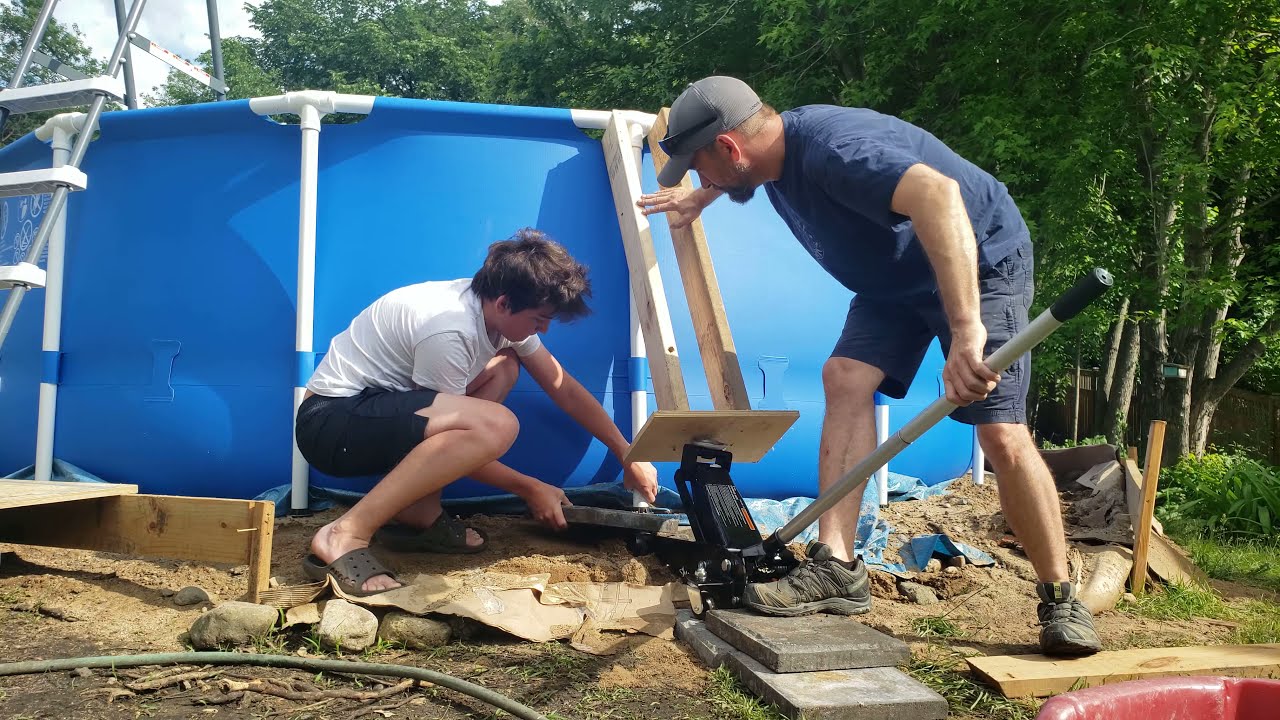
- Jack or lifting device (for above-ground pools only)
Pro tip: If you’re fixing an inground pool, you may need concrete mix, rebar, or patching materials. Always check your pool’s manufacturer guidelines.
Step-by-step Guide: How To Fix An Unlevel Above-ground Pool
Above-ground pools are popular because they’re affordable and easier to install. However, they’re also more prone to becoming unlevel over time. Here’s how to fix them safely.
1. Assess The Problem
Walk around your pool and measure the water level at several points. Mark the highest and lowest points. If the difference is under 2 inches, it may be safe to fix yourself.
2. Drain The Pool
You cannot lift or move an above-ground pool with water inside. Use a pool pump or siphon to drain the water completely. This protects your liner and frame.
Tip: Save the water if you can. Some pumps allow you to direct it into a storage tank or your garden.
3. Remove The Pool Liner (if Needed)
If your pool has a flexible liner, carefully remove it and set it aside. Liners can tear easily, so avoid dragging them over sharp objects.
4. Lift And Support The Pool Frame
Enlist help—pools are heavy! Use a jack or strong lever to gently lift the low side of the pool. Place wooden blocks, patio pavers, or bricks under the supports to keep it raised.
Insight: Don’t over-lift. Raise the pool just enough to reach level, checking with your long level at each step.
5. Add Or Remove Base Material
- If the pool is low on one side, add compacted sand or crushed limestone under the frame. Spread it evenly and tamp it down well.
- If one side is too high, remove some of the base material until it is level with the rest.
Warning: Never place the pool directly on topsoil. It shifts easily and can cause future problems.
6. Recheck Level
Use a carpenter’s level and string to check all sides. Adjust as needed before lowering the frame.
7. Replace Liner And Refill
Once the pool is perfectly level, replace the liner (if applicable). Smooth out any wrinkles. Refill the pool slowly, checking the level as you go.
8. Address The Cause
Look for drainage problems, nearby trees, or other issues that could cause the ground to move again. Fix these before finishing your project.

Credit: www.youtube.com
How To Fix An Unlevel Inground Pool
Inground pools are a bigger investment and require more caution. If you notice the pool shell is shifting or cracks are forming, call a pool professional or structural engineer. Small issues, like a sunken corner, can sometimes be fixed as described below.
1. Identify The Severity
Check if the pool is sinking, heaving, or just slightly out of level. Measure the difference at several points. Cracks or gaps in concrete are signs of a bigger problem.
2. Drain The Pool (if Needed)
Some repairs require the pool to be emptied. However, draining an inground pool can cause it to pop out of the ground in high water table areas. Always consult your pool builder or a professional first.
3. Repair Minor Settling
For small dips (under 1 inch), it might be possible to inject polyurethane foam or grout under the pool to lift it. This method, called “slab jacking,” is best done by pros, but some experienced DIYers can attempt it with the right equipment.
4. Fixing The Deck
Sometimes, it’s the pool deck, not the pool itself, that’s out of level. Concrete grinding or mud jacking can re-level patios and walkways.
5. Major Structural Issues
If the pool shell is cracked, the walls are bowing, or there is major shifting, do not attempt a DIY fix. Contact a licensed pool contractor or engineer. Structural repairs often involve excavation, steel reinforcement, and new concrete.
Non-obvious insight: Small cracks in the pool shell can be symptoms of underground water pressure or soil movement. Fixing just the crack doesn’t solve the problem.
Preventing Future Unlevel Problems
Fixing an unlevel pool is hard work. Preventing the problem is much easier and less expensive.
Site Preparation
- Always build on undisturbed, compacted soil
- Use a gravel base under inground pools
- Install a ground pad under above-ground pools to reduce erosion
- Avoid building near large trees or in low spots
Drainage Solutions
- Install French drains around the pool to direct water away
- Slope the surrounding ground to prevent water pooling
- Check gutters and downspouts—keep water away from the pool area
Regular Maintenance
- Check the pool level at the start and end of each season
- Inspect for leaks, soft spots, or shifting ground
- Address any sign of erosion or standing water immediately
Landscaping Choices
- Use mulch or gravel around the pool, not soil or bark that can wash away
- Avoid planting trees with aggressive root systems near the pool
Professional Inspection
Every few years, consider hiring a pool pro to inspect your pool and site. They can spot early warning signs and recommend simple fixes before problems get worse.
Cost Comparison: Diy Vs. Professional Repair
Many pool owners wonder if they should tackle the problem themselves or call for help. Here’s a look at the typical costs involved.
| Repair Type | DIY Cost (Approx.) | Professional Cost (Approx.) |
|---|---|---|
| Above-ground pool, minor leveling | $100–$400 | $500–$1,500 |
| Inground pool, minor foam injection | $500–$1,000 | $2,000–$5,000 |
| Major structural repairs | Not recommended | $5,000–$20,000+ |
Key factors: The biggest cost is usually labor. DIY can save money, but only if you’re confident in your skills. Mistakes can lead to even bigger expenses later.
How Level Should A Pool Be?
Many pool owners ask, “How much unlevel is too much? ” Here’s what you need to know.
| Pool Type | Acceptable Out-of-Level | Action Needed |
|---|---|---|
| Above-ground | Up to 1 inch | Monitor regularly |
| Above-ground | 1–2 inches | Consider leveling soon |
| Above-ground | Over 2 inches | Fix as soon as possible |
| Inground | Up to 1/2 inch | Monitor |
| Inground | Over 1/2 inch | Consult a pro |
Pro tip: Always err on the side of caution. Small problems can become big ones quickly, especially after heavy rain or freezing weather.
Credit: www.youtube.com
Mistakes To Avoid When Fixing An Unlevel Pool
It’s easy to make errors that end up costing more time and money. Here are the most common mistakes and how to avoid them.
- Not fixing the cause: Simply leveling the pool without addressing erosion, leaks, or drainage means the problem will return.
- Using the wrong materials: Soft soil, mulch, or loose sand will shift again. Always use compacted sand or crushed stone.
- Lifting too much at once: Trying to move the entire pool in one go can damage the frame or liner. Make small adjustments.
- Not checking level often: After each adjustment, double-check with a level. Even small errors add up.
- Ignoring professional advice: If you’re not sure, always consult a pool expert. It’s cheaper than repairing major damage later.
Non-obvious insight: Many owners forget to reset the supports or legs of above-ground pools after leveling. This creates weak points and potential collapse.
Real-world Example: Fixing A Leaning Above-ground Pool
Let’s look at a real scenario. A homeowner in Texas noticed their 24-foot above-ground pool was two inches lower on one side after a rainy spring. Here’s how they solved it:
- Drained the pool and removed the liner
- Used a long level and string to mark the correct height
- Dug out the high side and added compacted sand to the low side, tamping every two inches
- Placed new paver blocks under the legs for extra support
- Reinstalled the liner, filled the pool, and checked the level every few inches of water
Result: The pool stayed level through the next two seasons, and no further settling occurred. Addressing both the pool and the ground was key to long-term success.
When To Call A Professional
While many minor issues are DIY-friendly, call a pro if you notice:
- Cracks in the pool shell or deck
- Large shifts (over 2 inches for above-ground, 1/2 inch for inground)
- Water loss that points to a leak under the pool
- Sinking or heaving ground around the pool
A professional can use specialized tools, such as laser levels and ground-penetrating radar, to diagnose and fix the problem safely. For more technical background on pool leveling and foundation issues, you can check resources like SwimmingPool.com.
Maintenance Tips After Leveling Your Pool
Once you’ve fixed your pool, regular maintenance is key to keeping it level and safe.
- Walk around the pool after heavy rains to check for shifting or erosion
- Maintain good drainage around the pool area
- Keep trees and large plants away from the pool perimeter
- Look for new wrinkles in the liner or cracks in the shell
- Schedule yearly inspections, even if you see no problems
Pro tip: Take photos after leveling the pool. Compare them each year to spot early signs of movement.
Frequently Asked Questions
Why Is My Above-ground Pool Sinking On One Side?
This usually happens because the ground under your pool is soft or has washed away from heavy rain or poor drainage. You’ll need to fix the soil underneath and re-level the pool to stop further sinking.
Can I Fix An Unlevel Pool Without Draining It?
No, for above-ground pools, you must drain the water to safely lift or adjust the frame. Trying to move a full pool can damage the liner and structure. Inground pools may need draining for some repairs, but always check with a professional first.
How Long Does It Take To Level A Pool?
For a small above-ground pool, the job can take one or two days with help. More serious cases or inground pools may require several days, especially if you’re fixing drainage or soil problems.
Will An Unlevel Pool Collapse?
A pool that is more than 2 inches out of level is at risk of wall failure, liner tears, or even collapse. The stress on one side can weaken the frame over time, so it’s important to address the problem quickly.
What’s The Best Base Material For Leveling A Pool?
The best materials are compacted sand or crushed limestone. These provide a stable, level base that resists shifting. Avoid using plain topsoil, which settles and washes away easily.
—
A level pool is safer, lasts longer, and looks much better in your backyard. Whether you tackle the project yourself or call in the experts, understanding how to fix and prevent an unlevel pool will help you avoid costly repairs and enjoy your pool for many years.
With the right tools, careful planning, and ongoing maintenance, you can keep your pool perfectly level and ready for fun every summer.