
When you walk out to your backyard pool and see a layer of grey dust settled at the bottom, it’s frustrating. You may wonder, “Is my pool dirty? Is it dangerous? Can I fix it myself?” This is a common issue for many pool owners, but not always for the reasons you might think. Sometimes, the problem is simple, like dust blown in by the wind. Other times, it points to deeper water chemistry or equipment issues. Understanding what causes grey dust on the bottom of a pool—and how to handle it—can save you time, money, and keep your pool sparkling clean.
This guide will walk you through everything you need to know about grey dust in pools. You’ll learn what it is, why it forms, how to get rid of it, and how to stop it from coming back. Along the way, you’ll discover practical tips and solutions that even experienced pool owners often overlook.
What Is Grey Dust On The Bottom Of A Pool?
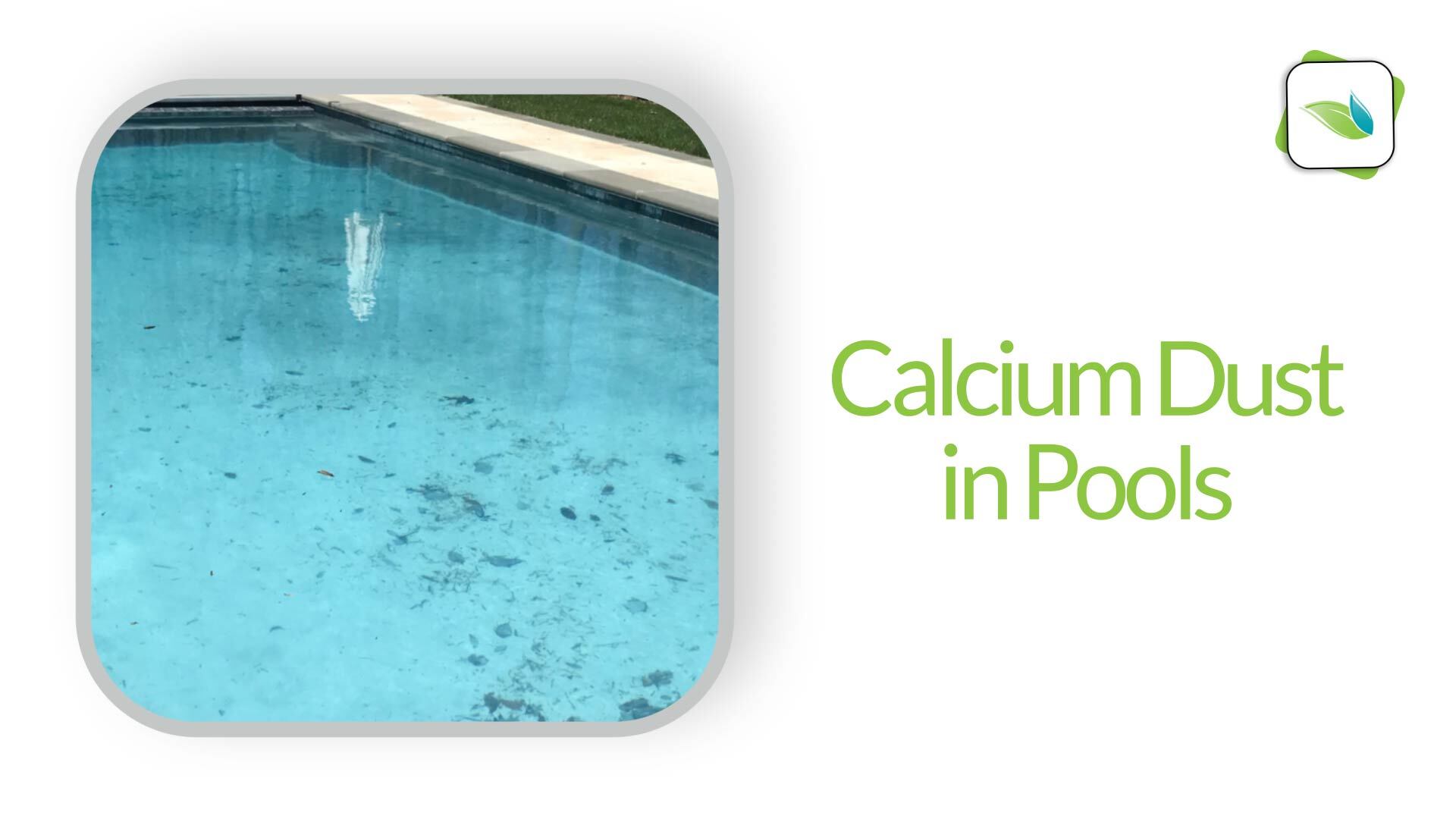
Grey dust is a loose, fine, powder-like substance that settles on the pool floor. It can look like dirt, silt, or sometimes even fine sand. When disturbed—by swimmers or by brushing—it rises into a visible cloud but quickly resettles. Unlike leaves or larger debris, grey dust is often too small to be caught by skimmers and can pass through standard pool filters.
How Grey Dust Differs From Algae
Many people confuse grey dust with algae. Algae usually has a green, yellow, or black appearance and may feel slimy. Grey dust, however, is dry, powdery, and does not cling to the pool surface in the same way. While some types of dead algae may appear grey, most “grey dust” is non-living material.
Common Descriptions From Pool Owners
- “It looks like cement dust or construction powder.”
- “When I vacuum it, it comes back the next day.”
- “It’s not sticky—just a light layer that puffs up.”
Recognizing these signs is the first step in solving the problem.
Main Causes Of Grey Dust In Pools
Understanding why grey dust appears will help you choose the best solution. Here are the most common sources:
1. Environmental Dust And Debris
Outdoor pools are natural magnets for dust, pollen, and fine soil. Wind can blow tiny particles into your pool, especially in dry climates or during construction nearby. Even if you have a pool cover, dust can sneak in when the cover is removed.
2. Dead Algae (post-treatment)
After shocking or treating your pool for algae, you might see dead algae settling as grey dust. This usually happens when the filter cannot remove all the small particles left behind.
3. Pool Plaster Deterioration
Older pools with plaster surfaces can slowly break down. Tiny plaster particles wear off, creating a fine grey dust. This is more common in pools with rough or aging surfaces.
4. Calcium Or Mineral Precipitation
High calcium hardness or changes in water chemistry can cause calcium deposits to fall out of solution and settle as a grey or white dust. This often happens after adding chemicals or when the water is over-saturated with minerals.
5. Filter Issues
If your pool filter isn’t working well—due to a damaged cartridge, worn sand, or old DE (diatomaceous earth)—it may let fine dust pass through and return to the pool. Sometimes, backwashing or filter maintenance is overdue.
6. Construction Or Landscaping Nearby
Renovations, new patios, or nearby roadwork create extra fine dust in the air. This can settle in your pool, especially if you live in a dry, windy region.
7. Swimmer-introduced Contaminants
Believe it or not, swimmers can bring in dust, sand, and even cosmetic powders from their skin, clothing, or shoes. This is more likely with pools used after visiting the beach or dusty areas.
8. Chemical Imbalances
Low sanitizer levels or unbalanced water can allow microorganisms to multiply, die, and break down into fine grey particles. Poor water chemistry can also trigger mineral precipitation.
9. Poor Circulation And “dead Spots”
If your pool has areas with little water movement, dust will settle and build up. These dead spots usually occur behind ladders, in corners, or under pool steps.
Non-obvious insight: Sometimes, grey dust is a mix of several causes. For example, environmental dust can combine with dead algae, making the problem harder to diagnose.

Credit: www.reddit.com
How To Identify The Source Of Grey Dust
Before you start treating your pool, it’s smart to figure out where the dust is coming from. Here’s how to investigate:
Inspect The Dust
Take a small sample of the dust with a spoon or turkey baster and place it on white paper. Examine:
- Color (grey, white, greenish, yellow)
- Texture (powdery, gritty, slimy)
- Smell (musty, chemical, no smell)
Test The Pool Water
Use a reliable test kit (not just test strips) to check:
- Chlorine levels
- PH
- Alkalinity
- Calcium hardness
- Cyanuric acid (stabilizer)
Unusual readings can hint at chemical causes.
Review Pool History
Ask yourself:
- When did the dust first appear?
- Was there recent algae treatment?
- Has there been recent construction or landscaping?
- When was the last filter cleaning or replacement?
Observe Pool Circulation
Watch how the water flows. Are there still spots where dust always collects? Weak jets or blocked returns often cause this.
Filter Inspection
Open your filter (with the pump off). Look for:
- Broken or worn parts
- Dirty or torn cartridges
- Old sand (should be changed every 5–7 years)
- Old DE (replace grids if damaged)
Compare To Common Scenarios
Here’s a quick reference to help match symptoms to causes:
| Symptom | Possible Cause |
|---|---|
| Grey, powdery, no smell | Environmental dust, dead algae, plaster |
| White, gritty, appears after chemical treatment | Calcium precipitation |
| Returns after vacuuming, filter pressure low | Filter issue |
| Near construction or landscaping | Airborne dust |
| Always in same corners/steps | Poor circulation |
Pro tip: Sometimes, you’ll need to combine solutions to fully solve the problem, especially if your pool has more than one cause.
Effective Ways To Remove Grey Dust From Pool Bottom
Once you’ve identified the likely cause, it’s time to act. The right method depends on the type of dust and your pool’s equipment.
1. Manual Vacuuming To Waste
Use a manual vacuum (not an automatic cleaner) and set your filter to “waste” mode. This bypasses the filter and sends dirty water directly out of the pool.
- Move slowly to avoid stirring up dust.
- Top up water lost during vacuuming.
- Repeat as needed for stubborn dust.
Non-obvious insight: If you vacuum too quickly, you’ll just cloud the water and resettle dust. Patience is key.
2. Brushing And Circulation
Brush pool walls and floor toward the main drain to help move dust into the filter. Focus on hidden areas like behind ladders and steps.
- Use a pool brush with nylon or stainless steel bristles (depending on your pool surface).
- Run the pump for at least 8–12 hours after brushing.
3. Filter Cleaning Or Replacement
If your filter is clogged or damaged, grey dust will keep coming back. Clean or replace your filter media:
- Sand filters: Backwash and add fresh sand if over 5 years old.
- Cartridge filters: Rinse with a hose; replace if worn or torn.
- DE filters: Backwash and add new DE powder; replace grids if needed.
4. Flocculants And Pool Clarifiers
Flocculants (like aluminum sulfate) clump fine particles together, making them heavy enough to settle for easy vacuuming.
- Follow label directions carefully.
- Only use if you can vacuum to waste; floc can clog filters.
- Pool clarifiers are milder and safe for regular use but work slower.
5. Addressing Dead Algae
If dead algae is the culprit:
- Shock the pool with chlorine.
- Brush and vacuum to waste.
- Run the filter continuously for 24–48 hours.
6. Balancing Pool Chemistry
Check and adjust:
- Chlorine: 1–3 ppm
- PH: 7.2–7.6
- Alkalinity: 80–120 ppm
- Calcium hardness: 200–400 ppm (for plaster pools)
Correcting chemistry can stop mineral precipitation and help filters capture dust.
7. Improving Circulation
Add or adjust return jets to create better water movement. You can also use pool circulation aids, like “pool returns” or “eyeball jets,” to direct water to problem areas.
8. Removing Construction Dust
If your pool is near a construction site:
- Keep the pool covered as much as possible.
- Increase filter running time.
- Rinse the deck and nearby surfaces before opening the pool.
9. Deep Cleaning For Plaster Dust
If you suspect plaster dust (from a new or resurfaced pool):
- Brush the pool twice daily for 2 weeks.
- Maintain balanced water chemistry.
- Vacuum as needed.
10. Regular Maintenance
Sometimes, persistent grey dust means your regular cleaning routine isn’t enough. Increase:
- Skimming and brushing frequency
- Filter backwashing or rinsing
- Water testing schedule
Credit: blog.orendatech.com
How To Prevent Grey Dust From Returning
Prevention is more effective—and less frustrating—than repeated cleaning. Here’s how to keep grey dust away:
1. Maintain Proper Water Chemistry
Test your pool water at least once per week (more often during heavy use or storms). Keep all readings in the recommended range. Balanced water prevents mineral fallout and kills algae before it becomes dust.
2. Upgrade Or Maintain Your Filter
Replace filter media on schedule:
- Sand: Every 5–7 years
- Cartridge: Every 1–2 years or as needed
- DE: Check grids yearly, replace DE powder after every backwash
Pro tip: Consider using a finer filter or adding a clarifier for pools in dusty areas.
3. Maximize Circulation
Adjust return jets to create a circular water motion. Make sure every part of your pool gets good water flow. For larger pools, consider an extra pump or robotic cleaner.
4. Use A Pool Cover
Covering your pool when not in use blocks dust, pollen, and debris—even in windy weather or during nearby construction.
5. Poolside Cleanliness
Keep decks, landscaping, and nearby areas clean and dust-free. Hose down patios regularly and trim plants that drop a lot of pollen or leaves.
6. Swimmer Hygiene
Ask guests to rinse off before entering the pool, especially after visiting the beach or dusty places. Avoid using powders or creams near the pool.
7. Monitor Weather And Construction
Be extra vigilant during dry, windy periods or nearby building projects. Increase cleaning and filter maintenance during these times.
8. Regular Brushing And Vacuuming
Don’t wait for dust to build up. Add brushing and vacuuming to your weekly routine, targeting corners, steps, and other “dead spots. ”
9. Professional Inspection
If you’ve tried everything and dust keeps returning, get a pool professional to check for hidden problems—like plumbing leaks, filter sizing, or plaster breakdown.
Comparing Solutions For Grey Dust
Choosing the right solution depends on your pool, budget, and how much time you want to spend. Here’s a quick comparison:
| Solution | Cost | Time to See Results | Best For |
|---|---|---|---|
| Manual vacuuming to waste | Low (if you have a manual vacuum) | Immediate (same day) | Small to medium dust, post-algae |
| Filter replacement/upgrade | Medium to high | 1–2 days | Old or failing filters |
| Flocculant/clarifier | Low to medium | 1–3 days | Fine dust, construction dust |
| Brushing and circulation | Low (just labor) | Several days | Dust in “dead spots” |
| Professional inspection | High | Varies | Persistent/complex dust |
What Not To Do: Common Mistakes
Even experienced pool owners make mistakes when tackling grey dust. Here’s what to avoid:
- Vacuuming too fast: This just stirs up dust and makes it harder to remove.
- Relying only on automatic cleaners: Most cannot pick up fine dust; manual vacuuming is usually needed.
- Skipping filter maintenance: A dirty or old filter cannot trap fine particles.
- Ignoring water chemistry: Poor balance encourages dust and algae problems.
- Using flocculant without vacuum-to-waste: Floc can clog filters and make the problem worse.
- Over-shocking without vacuuming: Dead algae will just settle as more grey dust.
Non-obvious insight: Repeatedly adding chemicals without addressing the root cause can create new problems, like cloudy water or scale buildup.
The Science Behind Pool Dust
Understanding a bit of pool chemistry can help you make better decisions.
How Dust Particles Behave In Water
- Particle size: Most grey dust particles are 1–50 microns—too small for standard filters.
- Suspension: Small particles stay suspended until water movement stops, then settle.
- Precipitation: Minerals fall out of solution when water becomes over-saturated (like after adding too much calcium).
Why Filters Miss Fine Dust
- Sand filters: Trap particles about 20–40 microns.
- Cartridge filters: Capture 10–20 micron particles.
- DE filters: Best for fine dust, capturing down to 2–5 microns.
If dust is smaller than your filter’s capability, it will return to the pool.
The Role Of Water Movement
Stagnant areas allow dust to settle. Good circulation keeps particles suspended so the filter can remove them.
Real-world Examples
Case 1: Suburban Pool Near Construction
A homeowner noticed grey dust every morning. Testing showed balanced water, but the problem continued. Investigation revealed a construction site two houses away. Solution: covering the pool overnight, increasing filter run time, and weekly filter cleaning. Dust was reduced by 90%.
Case 2: Plaster Pool with Aging Surface
A 15-year-old pool developed grey dust after every cleaning. The dust was fine and gritty. A pool pro found plaster deterioration. Solution: minor resurfacing and regular brushing. Dust problem stopped.
Case 3: Dead Algae After Shock
A pool owner shocked their pool after a green algae bloom. Days later, a layer of grey dust appeared. Manual vacuuming to waste, followed by filter cleaning, solved the issue.
When To Call A Professional
Sometimes, grey dust signals a bigger issue—like failing plaster, undersized filter, or hidden leaks. If you:
- Can’t remove dust after repeated efforts
- Notice plaster damage or roughness
- Have constantly cloudy water
- See filter pressure problems
…it’s wise to call in a pool professional. They have the tools and experience to diagnose and fix complicated problems.

Credit: www.reddit.com
Advanced Tips And Insights
Consider A Robotic Pool Cleaner
Some high-end robotic cleaners can pick up fine dust and improve circulation. Look for models with ultra-fine filter cartridges.
Use Pool Enzymes
Enzyme treatments can break down organic particles that contribute to dust, especially from swimmer lotions or plant debris.
Monitor For Seasonal Changes
Dust problems often get worse in spring (pollen season) or fall (dry winds). Adjust your cleaning routine during these times.
Check For Invisible Leaks
A small leak can pull in dust from the surrounding soil, especially if your pool is near a garden or unpaved area.
Maintain Deck Drains
Clogged or poorly designed deck drains can let dust wash into your pool after rain or cleaning.
Frequently Asked Questions
Why Does The Grey Dust Keep Coming Back After Vacuuming?
Grey dust often returns because the source—like environmental dust, dead algae, or a filter issue—has not been fully addressed. Manual vacuuming to waste can remove the dust, but if your filter is old, your water chemistry is unbalanced, or there’s ongoing construction nearby, the dust will quickly reappear.
Check all possible sources and fix underlying problems for lasting results.
Is Grey Dust In The Pool Dangerous For Swimmers?
Most grey dust is not harmful if it comes from environmental sources, dead algae, or pool plaster. However, if the dust is from algae or contains bacteria, it can cause skin or eye irritation, especially in sensitive individuals. Always keep your water properly sanitized and clear to ensure safety.
If you suspect the dust is from a chemical or unknown source, avoid swimming until you identify and solve the issue.
Can I Use My Automatic Pool Cleaner To Remove Grey Dust?
Most automatic pool cleaners are not designed to pick up very fine dust. They work best with larger debris like leaves or sand. For grey dust, manual vacuuming—especially to waste—is more effective. Some robotic cleaners with ultra-fine filters can help, but these are usually more expensive.
How Often Should I Clean My Filter To Prevent Grey Dust?
During a dust problem, clean your filter at least once a week. For normal maintenance, sand filters should be backwashed every 1–2 weeks, cartridge filters rinsed every 2–4 weeks (or as pressure rises), and DE filters backwashed and recharged after each cleaning.
Always follow your manufacturer’s instructions for best results.
Where Can I Find More Information On Pool Water Chemistry?
For reliable and detailed pool water chemistry guidance, you can check the CDC’s pool water disinfection and testing page. This resource provides clear steps for keeping your pool water safe and healthy.
Keeping grey dust away from your pool is possible with the right knowledge, tools, and routine. By understanding the causes, acting quickly, and staying consistent with maintenance, you’ll enjoy clear water all season long. Don’t ignore that layer of dust—it’s a clue your pool needs a little extra care.
With these insights and solutions, you can swim with confidence and pride.