
A swimming pool is the heart of many backyards, and a reliable pool heater keeps the water comfortable year-round. Hayward pool heaters are popular because they are efficient and durable. But what should you do if you see water leaking from the bottom? At first, it can feel alarming. Is it a small problem or a sign of something serious? Ignoring the leak can damage your equipment and pool area, so it’s important to act quickly.
Understanding why your Hayward pool heater is leaking helps you fix the issue and avoid bigger repairs. This guide covers everything you need to know—from common causes to step-by-step troubleshooting, repair tips, prevention, and when to call a professional. Whether you’re a new pool owner or have managed a pool for years, you’ll find practical advice here to keep your heater working well and your pool safe.
Why Is My Hayward Pool Heater Leaking Water From The Bottom?
A leak at the bottom of a Hayward pool heater can come from many sources. Sometimes, it’s a simple fix, like condensation. Other times, it points to a failing part or an installation problem. The most common causes include:
- Condensation from heating cold water
- Plumbing leaks in pipes or fittings
- Heat exchanger damage
- Internal bypass failure
- Broken pump or gasket
- Freeze damage
- Improper installation
- Clogged drain or trap
- Worn-out O-rings or seals
- Corrosion inside the heater
Let’s look at each cause in detail so you can identify what’s happening with your own heater.
Understanding Hayward Pool Heaters
Before troubleshooting, it’s helpful to know how a Hayward pool heater works. Most Hayward heaters use natural gas, propane, or electricity to warm pool water. Water enters the heater, passes through a heat exchanger, and returns to the pool at a higher temperature. The heater has sensors, valves, and a control board that manage temperature and safety.
Key components include:
- Water manifold: Directs water flow through the heater
- Heat exchanger: Where water is heated
- Bypass valve: Regulates flow and pressure
- Pump and filter connections: Move water in and out
- Condensate drain: Removes built-up moisture
Leaks usually happen where water moves or collects. With this basic understanding, you’re better prepared to find the source of the leak.
Common Causes Of Water Leaking From The Bottom
1. Condensation
Condensation is one of the most common reasons for water under a pool heater. When cold water enters a hot heat exchanger, moisture from the air can condense on the metal surface and drip down. This is especially true during the start-up in spring, after a cold night, or when heating very cold water.
Signs of condensation:
- Water only appears during heater operation
- No decrease in pool water level
- No continuous dripping when the heater is off
Condensation is usually harmless. However, if you see a lot of water every time the heater runs, it may signal that the heater is oversized or running inefficiently.
2. Plumbing Leaks
Loose or cracked pipes and fittings can cause leaks. These connections may loosen over time because of vibration, temperature changes, or poor installation. Check the following areas:
- Inlet and outlet unions
- PVC pipes connected to the heater
- Joints and elbows near the base
Plumbing leaks are often steady, not just during heater operation. If the leak is near a joint, tightening or resealing may be enough.
3. Heat Exchanger Damage
The heat exchanger is the core of the heater. It can crack from age, chemical imbalance (like too much chlorine), or freezing. A damaged heat exchanger often leaks water from the bottom, especially if the leak happens during heater operation.
Signs of heat exchanger failure:
- Continuous dripping, even when off
- Rusty or greenish water under the heater
- Loss of heating efficiency
Heat exchanger replacement is a major repair. If this is the cause, compare the cost of repair versus a new heater.
4. Internal Bypass Failure
Hayward heaters have an internal bypass valve that controls water flow through the heat exchanger. If this valve breaks, water can leak out and pool under the heater. This problem may not be obvious from the outside.
You might notice:
- Water under the heater only when the pump is running
- Lower water pressure in the pool return jets
Replacing the bypass valve usually solves this issue.
5. Broken Pump Or Gasket
The pump gasket seals the connection between the pump and heater. Over time, this rubber ring can crack or flatten, letting water escape. The pump itself may also develop leaks at seals or clamps.
Symptoms include:
- Water at the heater base, especially when the pump is running
- Air bubbles in the pool jets
Replacing a gasket is a low-cost fix, but ignoring it can lead to bigger problems.
6. Freeze Damage
If you live in a cold climate and don’t winterize your heater, frozen water can expand and crack the heat exchanger, pipes, or manifold. This often causes a sudden, heavy leak when you start the heater in spring.
Look for:
- Pool of water below the heater after winter
- Visible cracks in pipes or metal
Freeze damage is usually not covered by warranty, making prevention key.
7. Improper Installation
A poorly installed heater can leak at joints, unions, or the base. Common installation mistakes include:
- Over-tightening PVC fittings, causing cracks
- Misaligned pipes or unions
- Skipping thread sealant or using the wrong kind
If your heater is new and leaks right away, installation is the likely cause.
8. Clogged Drain Or Trap
Hayward heaters have a drain plug or trap at the bottom to remove water for maintenance or winterizing. If this drain is clogged with debris, water may back up and leak from the base.
To check:
- Remove the drain plug and clean out debris
- Make sure the area around the drain is clear
This is an easy fix but often overlooked.
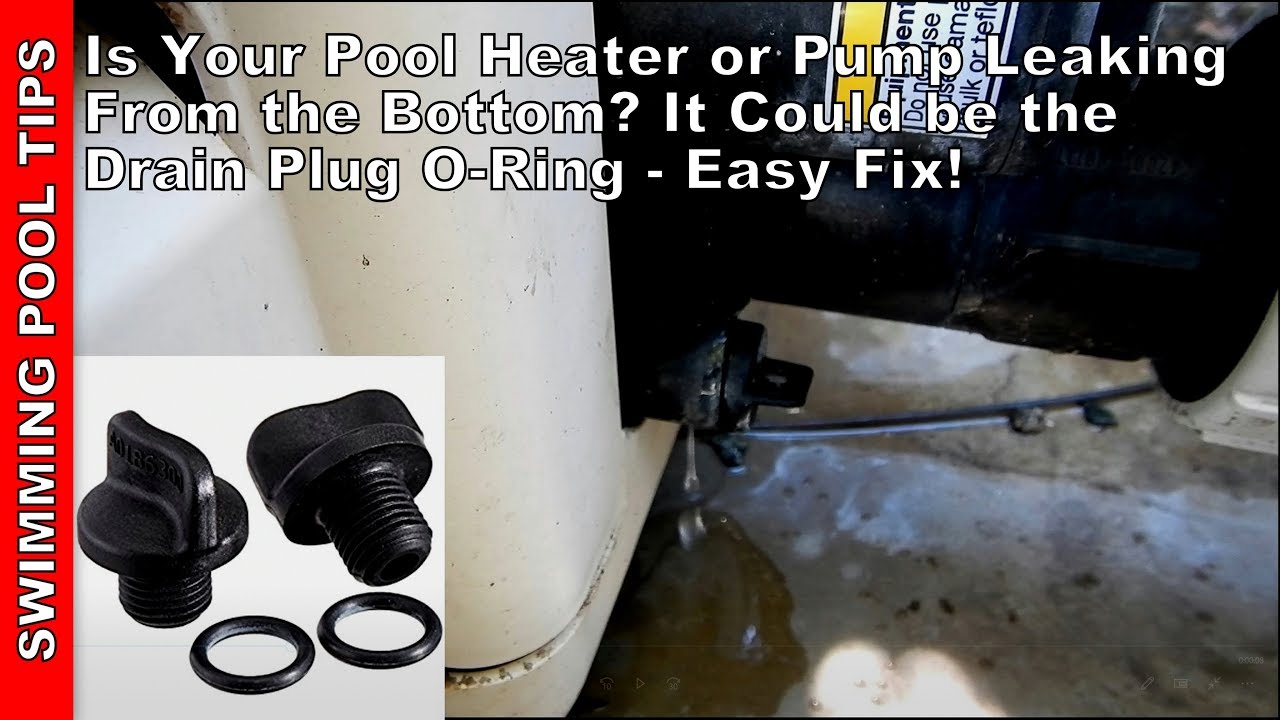
9. Worn-out O-rings Or Seals
Over time, O-rings and seals inside the heater break down from heat and chemicals. This can let water escape at joints or the heater’s base.
Watch for:
- Small, steady leaks near fittings
- Water only present during heater operation
Replacing O-rings is a simple, affordable repair.
10. Corrosion Inside The Heater
Years of exposure to pool chemicals can cause corrosion inside the heater. This eats away at metal parts, eventually creating holes that leak.
Signs of corrosion:
- Greenish or rusty water under the heater
- Flakes or powder around fittings
Corrosion is often a sign that the heater is near the end of its life.
How To Diagnose The Source Of The Leak
Fixing a Hayward pool heater leak starts with careful diagnosis. Here’s how to find the real cause:
- Turn off the heater and pump. Always start with the power off for safety.
- Dry the area around the heater. Use a towel to soak up standing water.
- Restart the pump (heater off). Watch for drips. If water appears, it’s likely a plumbing or fitting leak.
- Turn the heater on. If water appears only when heating, suspect condensation, heat exchanger, or internal parts.
- Check all visible connections. Look for wet spots, mineral deposits, or corrosion.
- Inspect the drain plug. Remove and clean if blocked.
- Feel for temperature. If the water is cold, it’s likely condensation or plumbing. Warm water points to internal heater leaks.
Pro tip: Place a dry paper towel under the heater to track exactly where water drips.
Step-by-step Troubleshooting And Fixes
Once you know the likely cause, use these steps to fix the problem or decide if you need a professional.
Step 1: Tighten And Seal Plumbing Fittings
Loose fittings are easy to fix:
- Turn off power and water.
- Hand-tighten unions and fittings.
- For threaded joints, add Teflon tape and reattach.
- Check for cracks in PVC. Replace if needed.
- Restart the pump and look for leaks.
Step 2: Clean Or Replace Drain Plug
A clogged drain plug can cause water backup:
- Remove the drain plug with a wrench.
- Clean out debris and check the rubber gasket.
- Replace if cracked or missing.
- Reinstall and check for leaks.
Step 3: Replace Worn O-rings And Gaskets
O-rings and gaskets are inexpensive but vital:
- Turn off and disconnect the heater.
- Remove unions and pull out old O-rings.
- Lubricate new O-rings with pool lube.
- Reattach and test.
Step 4: Check For Condensation
If you suspect condensation:
- Run the heater with a thermometer in the pool.
- If the leak disappears as water warms, it’s likely condensation.
- No action is needed, but monitor for changes.
Step 5: Inspect For Heat Exchanger Or Internal Leaks
For suspected internal leaks:
- Look for rusty or green water at the base.
- Open the heater case (follow manual instructions).
- Check the heat exchanger for cracks or corrosion.
- If damaged, contact a pool service technician.
Step 6: Assess For Freeze Damage
After winter:
- Look for visible cracks in metal or PVC.
- Test all heater functions.
- Freeze-damaged parts must usually be replaced. Consider full heater replacement for major cracks.
Step 7: Evaluate For Corrosion
Long-term heaters can corrode:
- Inspect all metal parts for rust, scale, or holes.
- If multiple areas are affected, heater replacement is often cheaper than repair.
When To Repair Vs. When To Replace
Not every Hayward pool heater leak means you need a new heater. Use this guide:
| Problem | Repair Cost | Time to Fix | Replace Heater? |
|---|---|---|---|
| Loose fitting or gasket | Low ($5–$40) | 30–60 min | No |
| Drain plug clogged | Low ($0–$10) | 15–30 min | No |
| Heat exchanger cracked | High ($300–$800+) | 2–4 hrs | Maybe |
| Freeze damage | High ($200–$1,000+) | 2–5 hrs | Maybe |
| Corrosion throughout | Very High | Varies | Yes |
Non-obvious insight: If your heater is over 8–10 years old and has a major leak, replacement is often more cost-effective than repair. Modern heaters are more energy efficient, saving you money over time.

Credit: www.reddit.com
Prevention: How To Stop Leaks Before They Start
Preventing leaks is always better than fixing them. Here’s what works:
- Balance pool chemicals. Keep pH, alkalinity, and chlorine within safe ranges. High or low pH corrodes metal parts quickly.
- Winterize properly. Drain the heater and blow out all water before freezing weather.
- Schedule annual maintenance. Inspect all fittings, gaskets, and the heat exchanger every year.
- Install a heater pad. Place the heater on a flat, dry surface to avoid water collecting underneath.
- Check for vibration. Secure pipes and the heater so vibration doesn’t loosen connections.
Practical tip: Always use genuine Hayward parts for repairs. Aftermarket parts may not fit or last as long, leading to more leaks.
The Hidden Dangers Of Ignoring A Leak
Even a small leak can lead to bigger problems if left unfixed. Here’s what can happen:
- Electrical hazards: Water near wires can cause shorts and dangerous shocks.
- Heater damage: Leaks can rust the internal parts, shortening the heater’s life.
- Mold and mildew: Pooling water encourages mold, which is bad for your health.
- Higher utility bills: Leaks waste heated water, making the heater run longer.
Non-obvious insight: Insurance often does not cover damage from ignored leaks. Quick action saves money and headaches.
When To Call A Pool Professional
Some leaks are easy to fix on your own, but others require an expert. Call a pool professional if:
- The leak continues after simple repairs
- You see rust, corrosion, or green water
- You hear hissing, popping, or other unusual sounds
- The heater is still under warranty (DIY repairs may void it)
- You are unsure or uncomfortable opening the heater
A professional can pressure-test the system, identify hidden leaks, and make sure repairs are safe and long-lasting.
What To Expect During A Professional Repair
If you call in a technician, here’s what happens:
- Inspection: They will visually inspect and run tests to find the leak source.
- Pressure test: They might pressurize the heater to check for internal leaks.
- Component replacement: If a part is bad, they’ll recommend repair or replacement.
- Estimate: You’ll get a cost and time estimate before work starts.
- Follow-up: Good companies test for leaks after repairs and explain what was done.
Tip: Ask for old parts back so you can confirm what was replaced.
Comparing Hayward Heater Models
Different Hayward heaters have slightly different designs. Here’s how three popular types compare for leak issues:
| Model | Common Leak Points | Typical Repair Cost | Expected Lifespan |
|---|---|---|---|
| Universal H-Series (gas) | Heat exchanger, unions, manifold | $100–$800+ | 7–12 years |
| Electric HeatPro | Fittings, O-rings, condensation tray | $50–$400 | 10–15 years |
| Summit Heat Pump | Condensate drain, internal plumbing | $50–$600 | 10–14 years |
Experience-based guide: Gas heaters are more likely to leak from the heat exchanger, while electric heat pumps often have condensation-related leaks. Knowing your model helps focus your troubleshooting.
Essential Tools And Supplies For Diy Repairs
If you want to try fixing a leak yourself, gather these basics:
- Adjustable wrench
- Channel-lock pliers
- Teflon tape
- Replacement O-rings or gaskets (for your model)
- Pool-safe silicone lubricant
- Towels or rags
- Flashlight
- Screwdriver (for heater case)
Always turn off electricity and gas before opening any pool heater.

Credit: www.reddit.com
Example Scenario: Diagnosing A Real Leak
Let’s walk through an example:
You notice water around the base of your Hayward Universal H-Series heater. Here’s what to do:
- Turn off the heater and pump.
- Dry the area.
- Run the pump (heater off). No leak appears.
- Turn on the heater. After 10 minutes, water starts dripping from the base.
- The water is warm and has a slight green tint.
Diagnosis: This is probably a small crack in the heat exchanger, possibly from corrosion. Since the heater is over 10 years old, it may be time to replace it. If the leak was only present when the pump ran (not the heater), it could be a simple plumbing leak instead.
Cost Breakdown: Diy Vs. Professional Repair
Understanding the cost helps you decide whether to repair yourself or hire help.
| Repair Type | DIY Cost | Pro Cost | Difficulty |
|---|---|---|---|
| Replace O-rings/gasket | $10–$50 | $100–$200 | Easy |
| Fix plumbing leak | $15–$100 | $150–$300 | Medium |
| Replace heat exchanger | $400–$900 (parts only) | $800–$1,500+ | Hard |
| Replace heater | – | $2,000–$4,500 | Very Hard |
Remember, DIY repairs save money but can void warranties if done incorrectly. Always consult your owner’s manual.
Credit: www.youtube.com
Environmental Impact Of A Leaking Pool Heater
A leaking heater wastes water and energy. Over weeks or months, a small leak can add up to thousands of gallons lost. It also means your heater runs longer to keep the pool warm, using more gas or electricity. This increases your utility bills and your carbon footprint.
Practical advice: Fix leaks quickly to save water, energy, and money. Consider upgrading to a high-efficiency model if your heater is old and leaking.
Final Thoughts
A Hayward pool heater leaking water from the bottom is a problem you shouldn’t ignore. Most leaks have simple causes, like loose fittings, condensation, or worn gaskets. Some, like a cracked heat exchanger or corrosion, require more serious repairs or even replacement. Understanding the common causes, using a step-by-step approach, and knowing when to call a professional can save you time, money, and stress.
Stay proactive with regular maintenance and chemical balance to avoid leaks. If you’re ever unsure, it’s better to ask an expert than risk bigger problems later. A well-maintained heater keeps your pool comfortable and safe for years to come.
For more in-depth guides on pool maintenance, visit the official Hayward Pool Products website.
Frequently Asked Questions
Why Is My Hayward Pool Heater Leaking Only When Running?
This usually means the leak is linked to water flow under pressure. Common causes include a loose fitting, a bad O-ring, or an internal part like the heat exchanger or bypass valve. If the leak stops when the pump is off, check all connections and seals first.
Can I Keep Using My Pool Heater If It’s Leaking A Little?
It’s not recommended. Even a small leak can get worse quickly, damage the heater, or cause electrical hazards. Fix the leak as soon as you notice it to avoid bigger repair bills or unsafe swimming conditions.
How Do I Tell The Difference Between Condensation And A Real Leak?
Condensation usually happens only during heater operation, especially when heating very cold water. The amount is small and stops when the heater is off. A real leak continues even when the heater is off or gets worse over time. If unsure, dry the area and watch closely during use.
What Is The Average Lifespan Of A Hayward Pool Heater?
With proper care, most Hayward pool heaters last 7–12 years (gas models) or up to 15 years (electric models). Regular maintenance and chemical balance extend heater life. Major leaks in older heaters may signal it’s time to replace rather than repair.
Does My Warranty Cover Leaks From The Bottom Of The Heater?
Warranty coverage depends on the cause. Most Hayward warranties cover manufacturer defects but not damage from freezing, poor chemical balance, or incorrect installation. Always read your warranty and contact an authorized service technician for warranty repairs.
By following these guidelines, you can solve most Hayward pool heater leaking problems quickly and keep your pool running smoothly.