
When you turn on your air conditioner (AC), you expect a fresh, cool breeze. But sometimes, when the compressor is off, an unpleasant smell fills the room. Many people notice this issue, but few know why it happens. This problem can be confusing, especially when the AC works well while cooling, but starts to smell when it stops. In this article, you’ll find a complete explanation of why this happens, how AC systems work, and what you can do to fix or prevent unwanted odors. We’ll look at both common and lesser-known causes, and share practical advice you can use right away.
How An Ac System Works: Key Points
To understand why smells occur when the compressor is off, it helps to know the basics of how an air conditioner functions. The AC system has several main parts:
- Compressor: Compresses refrigerant and moves it through the system to cool the air.
- Evaporator coil: Cools the air as warm room air passes over it.
- Condenser coil: Releases heat outside.
- Fan/blower: Circulates cooled air into the room.
- Drain pan & drain line: Collect and remove condensation.
When you set your AC to cool, the compressor turns on and off as needed. While cooling, the system draws in air, passes it over cold coils, and sends it back into the room. The compressor cycles on and off to keep the temperature stable.
But what happens when the compressor stops? Air may still move, but the coil warms up and condensation stops forming. This creates a perfect environment for certain smells.
Why Does Ac Smell When Compressor Is Off?
Many people notice that their AC smells bad only when the compressor is off, not while it’s running and cooling. Here’s why that happens:
- Moisture remains on the coils: When the compressor is on, water condenses on the evaporator coil and drains away. When it turns off, moisture can stay on the coil and inside the drain pan.
- Warm, humid air enters the system: With the compressor off, the coil temperature rises and air may flow differently, letting humidity or even odors from outside or inside the AC into the room.
- Microbial growth increases: Mold, mildew, and bacteria love warm, damp places. When the compressor stops, those conditions appear inside the AC, leading to musty or sour smells.
- Odors trapped during operation are released: While cooling, airflow may suppress certain smells. When the compressor stops, these odors can escape into your room.
Let’s look at each cause in more detail.
Moisture And Humidity: The Perfect Recipe For Smell
Air conditioning systems naturally remove moisture from the air. This is why the drain pan fills with water when the AC is running. But moisture doesn’t disappear instantly when the compressor stops. Instead, it can linger on the evaporator coils and in the pan.
How Moisture Triggers Odor
- When the compressor is off, the coil warms up.
- Leftover moisture becomes a breeding ground for mold and bacteria.
- These microbes produce gases and spores, which have strong smells.
- The AC fan may keep running, blowing these odors into your room.
Even a small amount of water can start to smell if it sits for long. Warm, humid climates make this problem much worse.
Why It’s Worse When Compressor Is Off
With the compressor running, the cold coil discourages microbial growth and helps condensation drain away. But when it’s off, the coil temperature rises, and stagnant water allows microbes to multiply quickly. This is why you often notice a smell right after the compressor shuts off.
Microbial Growth: The Hidden Enemy
The most common cause of AC odor is microbial growth. This includes:
- Mold
- Mildew
- Bacteria
These organisms thrive in the damp, dark interior of your AC unit. When the compressor is off, conditions are ideal for growth.
Health Risks Of Microbial Growth
Besides bad smells, mold and bacteria can affect your health. Breathing in these spores may cause:
- Allergies
- Headaches
- Coughing
- Eye and throat irritation
People with asthma or weakened immune systems are at higher risk. That’s why it’s important to solve the root cause, not just cover up the smell.
How Microbes Enter The Ac
- Through the air intake
- From dust and dirt drawn into the system
- Via leaks or gaps in the AC housing
Once inside, microbes stick to moist surfaces and begin to multiply.

Credit: www.reddit.com
The Role Of The Drain Pan And Drain Line
The drain pan collects water that drips from the evaporator coil. This water flows out through the drain line. If either part is clogged, cracked, or dirty, water can pool and stagnate.
Common Drain Problems That Cause Smell
- Clogged drain line: Dust, dirt, or algae can block the pipe, causing water to back up.
- Dirty drain pan: Over time, the pan collects not just water but also dirt and bacteria.
- Improper slope: If the pan or line is not angled correctly, water won’t drain and will sit inside the unit.
A full or dirty drain pan creates a musty or rotten smell, especially when the compressor cycles off and airflow stirs up the odor.
Airflow Changes When Compressor Is Off
When the compressor stops, the AC’s internal fan may keep running. This changes how air moves through the system:
- The evaporator coil is no longer cold, so it doesn’t remove moisture from the air.
- Warm air flows over damp surfaces, picking up odors and carrying them into your room.
- Without cooling, air can move in the reverse direction, bringing smells from the drain or even from outside.
This effect is stronger in systems with auto fan or ventilation-only modes, which keep the fan running even after the compressor stops.
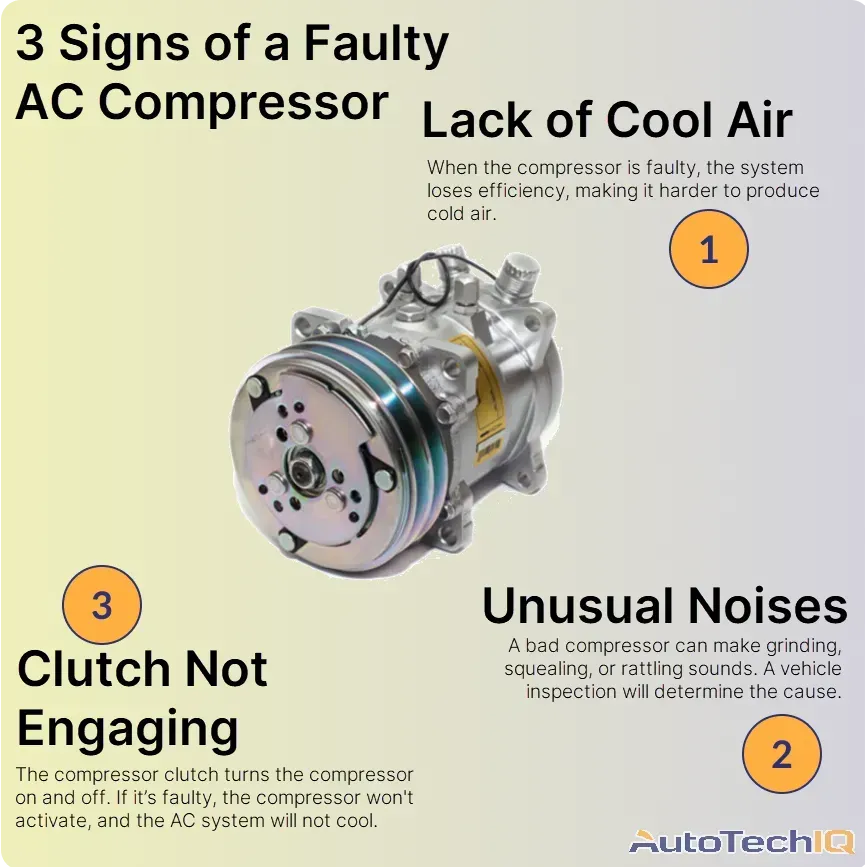
Credit: www.autotechiq.com
Common Types Of Ac Smells When Compressor Is Off
Not all AC smells are the same. Here are some of the most frequent odors and what they mean:
- Musty or moldy: Usually from mold or mildew in the coil, pan, or ducts.
- Sour or dirty sock smell: Caused by bacteria on the evaporator coil (often called “dirty sock syndrome”).
- Rotten egg or sulfur: May indicate a dead animal in the system or bacteria in stagnant water.
- Burning or chemical: Sometimes from electrical issues, but may also come from overheated dust on coils.
- Sewage smell: Usually from a blocked or damaged drain line, letting sewer gas back up into the AC.
Understanding the type of smell can help you pinpoint the problem faster.
How Different Ac Types Are Affected
Not all air conditioners are built the same. The problem of smells when the compressor is off is most common in these systems:
- Window units: Small, with limited drainage and more likely to collect moisture inside.
- Split systems: Both wall-mounted and ducted types can develop odors if drainage or airflow is poor.
- Portable ACs: Often have water tanks that need regular emptying.
Let’s compare how different systems handle moisture and odor risk.
| AC Type | Moisture Handling | Odor Risk When Compressor Off |
|---|---|---|
| Window Unit | Poor drainage, small pan | High |
| Split System | Better drainage, but can clog | Medium |
| Portable AC | Manual tank, needs emptying | High |
| Ducted Central AC | Large drain system | Medium to High |
| Evaporative Cooler | Uses water pads | Very High |
As you can see, any system that leaves water inside for long periods can produce odors, but smaller or less-ventilated units are more at risk.
Why Smell Only Appears When Compressor Is Off: A Closer Look
It might seem strange that the smell is only strong when the compressor is off. Here’s why:
- Active cooling masks odors: When the compressor is running, cold air and fast airflow suppress many smells.
- Fan mode stirs up odors: When only the fan runs, it blows air over damp, warm surfaces, releasing trapped smells.
- Temperature difference: The coil isn’t cold, so it doesn’t “trap” odors the way it does during cooling.
- Stagnant water: With no cooling, water sits still and bacteria/mold multiply quickly.
This combination means you often notice the smell right when the compressor cycles off, especially if the fan keeps running.
Non-obvious Causes That Beginners Miss
Most people focus on mold or a dirty filter, but there are other reasons your AC might smell when the compressor is off:
1. Negative Air Pressure
If your home has negative pressure (more air leaving than coming in), the AC can pull in air from unwanted sources — like a dirty crawlspace or musty attic — especially when the compressor is off and airflow is weaker.
2. Leaky Ducts
Small cracks or holes in your AC ducts may let in smells from outside, walls, or basements. When the compressor is off, pressure changes can draw these odors in.
3. Hvac Add-ons
Some systems have UV lights or air purifiers. If these are poorly maintained, they can collect dust or even cause chemical smells when the compressor is off.
4. Insulation Breakdown
Insulation inside the AC or around ducts can degrade over time, especially if it gets wet. This can create a “dirty sock” or chemical smell, worse when the system isn’t cooling.
5. Unused Drain Traps
If your AC drain connects to your home’s plumbing, a dry or unused trap may let sewer gas into the AC system. This is more noticeable when the compressor is off and airflow is lower.
How To Fix Ac Smell When Compressor Is Off
Solving AC odors is about finding and fixing the source, not just masking the smell. Here are the most effective steps:
1. Clean Or Replace The Filter
A dirty air filter is one of the easiest problems to fix. Replace or wash your filter every 1-3 months. This stops dust, bacteria, and mold from circulating.
2. Clean The Evaporator Coil
Use a coil cleaner or call a professional to remove buildup from the coil. This is where most bacteria and mold grow, especially if moisture lingers.
3. Check And Clean The Drain Pan And Line
- Remove debris from the pan.
- Flush the drain line with a mixture of hot water and vinegar or a mild bleach solution.
- Make sure the line isn’t clogged.
4. Run The Fan After Cooling
Some ACs have a “fan only” or “dry mode” that runs for a few minutes after the compressor stops. This helps dry out the coil and pan, reducing moisture and preventing microbial growth.
5. Fix Leaks And Insulation
Check for any leaks in ductwork or water lines. Replace damaged insulation to stop it from becoming a source of odor.
6. Use A Dehumidifier
In very humid climates, a separate dehumidifier can reduce moisture inside your home and your AC unit, lowering the risk of odors.
7. Professional Service
If the smell persists, call a licensed HVAC technician. They can deep-clean the system, check for hidden mold, and ensure everything drains properly.
Preventive Maintenance Tips
Stopping AC smells before they start is the best approach. Here are some tips to keep your system fresh year-round:
- Change or clean filters regularly.
- Have your AC serviced at least once a year.
- Clean the evaporator and condenser coils.
- Make sure the drain pan and line are clear.
- Use the “fan only” mode after cooling cycles.
- Seal any ductwork leaks.
- Keep the area around your AC unit clean and dry.
- Watch for signs of water leaks or excess humidity indoors.
A little maintenance goes a long way in preventing smells from returning.
Myths About Ac Smells When Compressor Is Off
There are several common myths about this problem. Let’s set the record straight:
- Myth: “A new air filter will solve any AC smell.”
- Truth: A clean filter helps, but if the coil or drain is dirty, smells will return.
- Myth: “Only old ACs have this issue.”
- Truth: Even new systems can smell if moisture isn’t managed or drains are blocked.
- Myth: “Adding an air freshener will fix it.”
- Truth: Air fresheners only mask odors. The cause must be removed.
- Myth: “It’s normal for ACs to smell after cooling.”
- Truth: Any persistent smell is a sign of a problem that needs attention.
Understanding what’s true and what’s not helps you fix the problem faster.
Comparing Ac Smell Causes: Compressor On Vs. Compressor Off
Smells can happen at any time, but the timing gives clues about the source.
| When Smell Occurs | Likely Causes | Best Solution |
|---|---|---|
| Compressor ON | Burnt dust, electrical, refrigerant leaks | Service coils, check wiring, fix leaks |
| Compressor OFF | Mold, mildew, drain issues, stagnant water | Clean coil/drain, dry out unit, improve drainage |
| Fan Only | Odors from ducts or outside, microbial growth | Check ducts, clean system, seal gaps |
Noticing when the smell appears helps you focus your troubleshooting and avoid wasted effort.

Credit: fluidairedynamics.com
How Climate And Environment Affect Ac Smell
Your local climate and living conditions play a big role in AC odor problems:
- High humidity: Increases moisture in the AC, raising the risk of mold and bacteria.
- Dusty environments: More dirt means more food for microbes inside the system.
- Poor ventilation: Stale indoor air can make smells worse.
- Nearby sources of odor: If your AC pulls air from a garage, crawlspace, or musty area, it may bring those smells inside.
If you live in a humid or rainy area, you’ll need to pay extra attention to drainage and regular cleaning.
How To Tell If The Smell Is A Serious Problem
Not all AC smells are equally serious. Here’s how to know when you need urgent help:
- Burning smell: Turn off the AC immediately and call a technician. This may mean an electrical fault.
- Rotten egg or sewage smell: Could be a gas leak or sewer backup. Ventilate the room and call a professional.
- Persistent musty smell: Indicates ongoing mold growth, which can affect your health.
- Sudden, strong odor: May mean a dead animal or major blockage inside the system.
If in doubt, always contact a licensed HVAC professional.
Diy Solutions: What Works And What Doesn’t
Many people try home remedies to get rid of AC smells, but not all are safe or effective. Here’s a quick guide:
What Works
- Vinegar solution: Flush the drain line with diluted vinegar to kill mold and bacteria.
- Mild bleach solution: Use carefully to clean the drain pan (never mix with other cleaners).
- Commercial coil cleaners: Designed for evaporator coils, these remove dirt and microbes safely.
What Doesn’t Work
- Air fresheners: Only cover up the smell, and can clog filters.
- Essential oils: May help a little, but don’t solve the root cause.
- Homemade sprays: Can damage sensitive AC parts if not used correctly.
If the problem keeps coming back, professional cleaning is the safest option.
The Role Of Ac Settings And Controls
Sometimes, your AC’s settings contribute to odor problems:
- Fan mode: Running the fan without cooling can dry out the coil, but if moisture is trapped, it may spread odors.
- Auto mode: Lets the system decide when to run the compressor and fan. If the fan runs too long after cooling, it may blow smells into your room.
- Humidity control: Some advanced ACs have this feature. Use it to reduce moisture and prevent microbial growth.
Check your owner’s manual for recommended settings to minimize smells.
When To Replace Vs. Repair Your Ac
If your AC is very old or has repeated odor problems, you may wonder if it’s time to replace it. Here are some factors to consider:
- Age: Units over 10-15 years are more likely to develop leaks and drainage problems.
- Cost of repairs: If cleaning and repairs cost more than half the price of a new unit, replacement may be smarter.
- Health concerns: If the system can’t be cleaned or you have severe allergies, a new AC with better filtration may help.
Always get a professional opinion before making a big investment.
Case Study: A Real-world Example
A family in Florida noticed a strong musty smell every time their central AC compressor turned off. They tried changing filters and cleaning vents, but the smell returned. A technician discovered the drain line was blocked with algae, causing water to back up and grow mold in the pan.
After cleaning the drain and treating the system with a disinfectant, the smell disappeared.
This shows how important it is to check all parts of your AC system, not just the obvious ones.
Expert Tips For A Fresh-smelling Ac
- Run the AC in “fan only” mode for 5-10 minutes after heavy cooling.
- Keep indoor humidity below 50% to stop mold and bacteria.
- Install a UV light in the air handler to kill microbes (ask a pro for safe options).
- Clean around your outdoor AC unit to stop debris and pests from entering.
- Use high-quality filters that capture fine dust and allergens.
Following these tips can make your AC not just cooler, but cleaner and healthier.
Where To Find More Information
For more detailed guidance on air conditioner maintenance and smell prevention, you can visit the U.S. Department of Energy’s Energy Saver Guide.
Frequently Asked Questions
Why Does My Ac Only Smell When The Compressor Is Off?
This happens because moisture stays on the coil when the compressor stops, creating a warm, damp environment for mold and bacteria to grow. The fan may blow these smells into your room, especially if the drain pan is dirty or the filter is clogged.
Is It Dangerous To Use An Ac That Smells Musty?
A musty smell often means mold or bacteria are present. Breathing in these spores can cause allergies or other health problems, especially for people with asthma. It’s best to fix the cause as soon as possible.
Can I Clean My Ac Myself To Remove The Smell?
You can do basic cleaning, like changing filters and flushing the drain line. For deep cleaning of the coil or inside the unit, it’s safer to call a professional. Some parts are hard to reach and may need special tools or chemicals.
How Often Should I Service My Ac To Prevent Smells?
Most experts recommend servicing your AC once a year. In humid or dusty areas, you may need to clean or check it more often. Always replace or wash filters every 1-3 months.
Will Running The Fan After Cooling Help Remove Smells?
Running the fan for a few minutes after the compressor stops can help dry the coil and pan, reducing moisture and preventing mold. But if there’s already a smell, cleaning may be needed first.
A fresh-smelling AC isn’t just more pleasant — it’s also healthier. By understanding the real causes behind AC smells when the compressor is off, you can solve the problem at its source and enjoy cleaner, cooler air all year round.