
A strange gas smell coming from your air vents can feel alarming and confusing. You walk into your home, notice a sharp or rotten odor, and wonder if your family is safe. Many people worry about gas leaks, health risks, or expensive repairs. But before you panic, it’s important to understand what causes these smells, how to respond, and how to prevent them in the future.
This guide explains everything you need to know if you notice a gas smell from air vents in your house. You’ll learn the possible sources, safety steps, diagnostic tips, and when to call a professional. With clear advice, you can keep your home safe and avoid common mistakes many homeowners make.
Why Does Your Air Vent Smell Like Gas?
When you smell gas from your air vents, it usually means something is wrong with your home’s heating, ventilation, or appliances. Not all “gas” smells are the same. Sometimes, the odor is not from natural gas at all. Some smells come from dust, chemicals, or other sources that mimic gas.
The most common reasons for a gas smell from vents are:
- Natural gas leak from a furnace or supply line
- Propane leak (in homes that use propane heating)
- Sewer gas entering the HVAC system
- Burning dust or debris inside the furnace
- Dead animals or mold in the ductwork
Each cause has different risks and solutions. Understanding the signs helps you take the right action quickly.
What Does A Gas Leak Smell Like?
Natural gas itself is odorless. Gas companies add a chemical called mercaptan to give it a strong, rotten egg smell. This makes leaks easier to detect. Propane is also odorized in a similar way.
If you notice:
- Rotten eggs
- Sulfur
- Skunk-like smell
- Chemical or petroleum odor
…these are all warning signs of a gas leak. Sometimes, people describe the smell as musty or metallic.
However, not every gas-like smell is a natural gas leak. Sewer gas, for example, can also smell like rotten eggs due to hydrogen sulfide.
Main Causes Of Gas Smell From Air Vents
Let’s look at the main reasons why your vents might smell like gas, and how to tell them apart.
1. Natural Gas Leak In Furnace
The most dangerous cause is a natural gas leak in your furnace or heating system. Furnaces burn natural gas to create heat. If there is a leak in the supply line or a cracked heat exchanger, gas can escape into the air ducts.
Signs:
- Gas smell strongest near the furnace or vent
- Furnace making hissing or whistling noises
- Pilot light changes color (should be blue, not yellow or orange)
- Unexplained increase in gas bills
What to do:
- Turn off the furnace immediately.
- Leave the house and call your gas company or emergency services.
2. Propane Leak
Some homes use propane instead of natural gas. Propane leaks have a similar rotten egg or skunky odor, also due to added chemicals.
Signs:
- Smell is strongest near propane furnace, tank, or vent
- Hissing sound near appliances
What to do:
- Shut off propane supply at the tank.
- Evacuate and call the propane supplier.
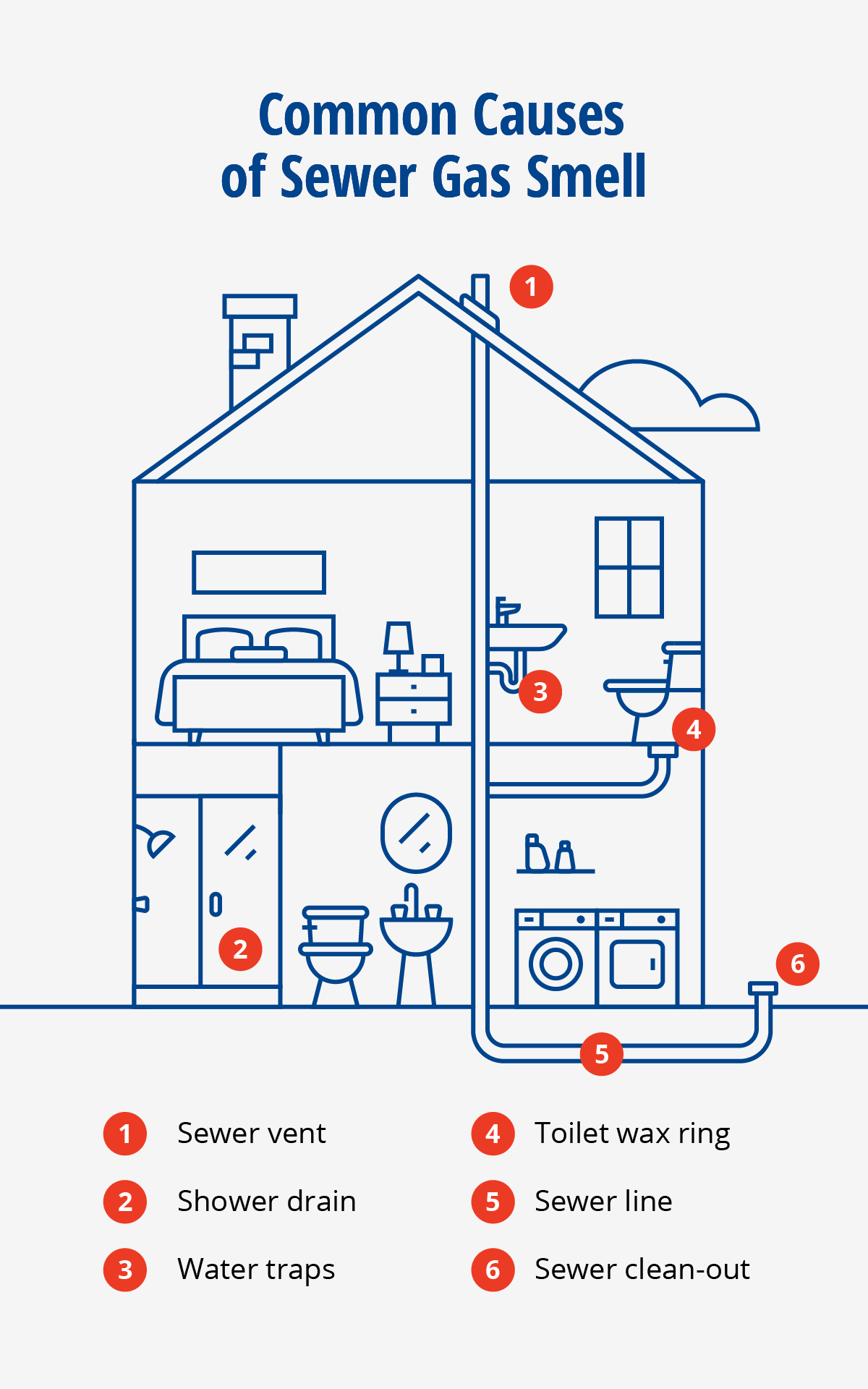
3. Sewer Gas Seepage
Sewer gas can sometimes be pulled into your HVAC system if a drain trap dries out or a vent pipe is blocked. Sewer gas includes methane and hydrogen sulfide, which also smell like rotten eggs.
Signs:
- Smell comes from vents, especially after rain or heavy use of plumbing
- Drains in home are slow or bubbling
- Smell is strongest in bathrooms, laundry rooms, or basements
What to do:
- Check all drains and pour water down unused ones to refill traps.
- If the smell continues, call a plumber.
4. Dust Or Debris Burning In Furnace
After months of no use (such as at the start of winter), dust can build up inside the furnace. When the furnace turns on, the dust burns and creates a burnt, sometimes chemical smell that can be mistaken for gas.
Signs:
- Smell appears only when heat first turns on for the season
- Goes away after a few hours
- No other symptoms of a gas leak
What to do:
- Let the system run for a while with windows open.
- If the smell does not go away, schedule a furnace cleaning.
5. Dead Animals Or Mold In Ducts
Sometimes, small animals get into ductwork and die, or mold grows in damp areas. These can create strong, unpleasant smells that may resemble gas.
Signs:
- Musty, foul, or decaying odor
- Smell is stronger in certain rooms or vents
- May notice increased allergy symptoms
What to do:
- Inspect and clean ducts.
- Remove any animals or mold with professional help.
How To Tell If The Gas Smell Is Dangerous
Not all gas smells are equally dangerous, but it’s always better to be cautious. Natural gas and propane are highly flammable and can cause explosions. Sewer gas is less likely to explode but can cause health problems.
Here’s how to decide if you have an emergency:
- Is the smell very strong and sudden?
- Leave the house immediately.
- Do you hear a hissing sound near gas lines or the furnace?
- Leave and call for help.
- Are people feeling dizzy, nauseous, or lightheaded?
- This could be gas poisoning. Get fresh air and seek medical help.
- Is the smell only there when the furnace runs for the first time?
- It may just be dust burning, but monitor closely.
If you are unsure, always treat the situation as an emergency.

Credit: www.angi.com
What To Do If You Smell Gas From Air Vents
Safety comes first. Here’s what you should do, step by step:
- Turn off the HVAC system to stop spreading the smell.
- Open windows and doors to let fresh air in.
- Do not use electrical switches or devices (they can cause sparks).
- Evacuate everyone from the house.
- Call your gas company or emergency services from a safe location.
- Do not re-enter until professionals say it is safe.
Never try to find the source of a strong gas leak yourself. Even a small spark can cause a fire or explosion.
How Professionals Detect Gas Leaks
Professionals use several tools to find the source of a gas smell:
- Electronic gas detectors that sense even tiny amounts of gas
- Soapy water test (bubbles form at leak points)
- Pressure testing of gas lines
- Inspection of furnace and heat exchanger
They also check for carbon monoxide and other dangerous gases. Regular maintenance can prevent problems before they start.

Credit: www.reddit.com
Common Mistakes When Handling Gas Smells
Many homeowners make mistakes that can be dangerous or costly. Here are some to avoid:
- Ignoring the smell or hoping it will go away on its own
- Trying to find leaks with a lighter or matches
- Turning on fans or electrical appliances near the smell
- Failing to evacuate when the smell is strong
- Skipping regular furnace and duct maintenance
Remember, gas leaks can be deadly. Always put safety first.
How To Prevent Gas Smells From Air Vents
A few simple steps can reduce the risk of gas smells in your home:
- Schedule yearly furnace inspections with a licensed technician.
- Replace furnace filters every 2–3 months.
- Keep air vents clean and free from dust.
- Check for animal entry points in your ductwork.
- Make sure all drain traps have water to block sewer gases.
- Install carbon monoxide detectors near sleeping areas and the furnace.
These steps help catch problems early and keep your indoor air safe.
Credit: rainbowrestores.com
Data: Frequency And Risk Of Gas Leaks In Homes
To understand how often gas leaks happen and their risks, see the comparison below:
| Gas Leak Type | Frequency in US Homes (%) | Main Risk | Emergency Needed? |
|---|---|---|---|
| Natural Gas Leak | ~7% | Explosion, poisoning | Yes |
| Propane Leak | ~2% | Explosion, fire | Yes |
| Sewer Gas | ~5% | Health issues | Sometimes |
| Burning Dust | ~12% | Irritation | No |
| Dead Animal/Mold | ~8% | Odor, allergies | No |
*Data is based on US home inspections and safety reports. *
Key Differences: Gas Smell, Sewer Gas, And Burning Dust
It’s easy to confuse different smells. Here’s a quick reference to help you compare common odors from vents:
| Source | Odor Description | When It Happens | Danger Level |
|---|---|---|---|
| Natural Gas/Propane | Rotten eggs, sulfur, skunk | Anytime | High |
| Sewer Gas | Rotten eggs, musty, earthy | After heavy plumbing use, rain | Medium |
| Burning Dust | Burnt, dusty, sometimes sweet | First furnace use of season | Low |
| Dead Animal/Mold | Rotting, musty, sour | Anytime, often in unused vents | Low |
This can help you tell if you need immediate help or just a cleaning.
Long-term Health Risks Of Gas Exposure
Breathing in natural gas, propane, or sewer gas can be dangerous, even at low levels. Here are some possible health effects:
- Headaches
- Nausea or vomiting
- Dizziness or confusion
- Difficulty breathing
- Fatigue
- Irritation of eyes, nose, and throat
Long-term exposure can lead to more serious problems, especially for children, elderly people, or those with asthma.
If you ever feel sick and smell gas, leave your home and get medical help right away.
Special Cases: Gas Smell From Vents In Apartments
If you live in an apartment or condo, things can be more complex. A gas leak in one unit can affect others through shared vents or walls. Here’s what to do:
- Notify your building manager or landlord immediately.
- Evacuate the building if the smell is strong.
- Do not assume someone else will report the problem.
- Ask for proof that the issue was checked and fixed.
Apartments are more likely to have older HVAC systems, which can increase the risk.
How To Talk To A Professional About Gas Smells
When you call an HVAC technician or the gas company, give clear information:
- Where is the smell strongest?
- When did you first notice it?
- Does it get worse when the furnace runs?
- Are there any strange sounds?
- Has anyone felt sick?
This helps the technician find the problem faster and keeps you safer.
How Often Should You Check For Gas Smells?
You should check for gas smells:
- At the start of every heating season
- After any furnace or duct repair
- If you hear strange noises from the furnace
- If you notice any unexplained health symptoms
Prevention is cheaper and safer than fixing a problem after it happens.
Homeowner Tips For Safe Hvac Use
Here are some advanced tips that many people overlook:
- Label your gas shut-off valves so everyone in the family knows where they are.
- Keep the area around the furnace clear of boxes or flammable materials.
- Don’t block vents with furniture or curtains.
- Ask for a heat exchanger inspection during furnace tune-ups (cracks can cause leaks).
- Learn the location of all air intakes and exhausts outside your home, and keep them clear of snow, leaves, or debris.
These steps make emergency response faster and reduce the risk of leaks.
Example: What Happens During A Professional Inspection
Let’s walk through a typical gas smell investigation:
- The technician arrives and asks you to describe the odor and where you notice it.
- They use an electronic sniffer to check the furnace, gas lines, and vents.
- If a leak is found, they may shut off the gas supply and repair or replace faulty parts.
- They check for carbon monoxide with a special meter.
- If the smell is from dust or animals, they may recommend duct cleaning.
- After repairs, they test the system to make sure the smell is gone.
This process usually takes 1–2 hours, but safety comes first.
When To Replace Vs. Repair A Furnace
Sometimes, a gas smell means your furnace is old or damaged. Here’s a quick guide to help you decide:
| Situation | Repair | Replace |
|---|---|---|
| Minor leak in gas line | ✔ | |
| Cracked heat exchanger | ✔ | |
| Furnace over 15 years old | ✔ | |
| Clogged burners or pilot issues | ✔ | |
| Repeated gas smell after repairs | ✔ |
If your furnace is old and repairs are frequent, replacement is safer and more cost-effective in the long run.
How Much Does It Cost To Fix A Gas Smell From Vents?
Costs can vary depending on the problem:
- Minor repairs (cleaning, replacing filters): $75–$200
- Gas line repair: $150–$600
- Furnace replacement: $2,500–$7,500
- Duct cleaning or animal removal: $300–$600
- Professional inspection: $80–$200
Home insurance may cover some costs if the leak caused damage. Always ask for a written estimate.
When To Call Emergency Services
Never wait if you experience:
- Very strong gas smell
- Hissing or whistling near gas lines or furnace
- Flames or sparks
- People feeling sick or dizzy
Call 911 or your local gas company right away. They have special tools and training to handle gas leaks safely.
Non-obvious Insights Most People Miss
- Mercaptan fades over time: If a small, slow gas leak occurs, the odorant can fade, making the leak harder to notice. This is called “odor fade.” That’s why regular maintenance and gas detectors are important.
- DIY repairs can void insurance: Trying to fix a gas leak or furnace problem yourself can make your home insurance invalid. Always use licensed professionals for gas repairs.
Frequently Asked Questions
Why Do My Vents Only Smell Like Gas When The Heat Is On?
This usually means the furnace or its gas line has a leak or is not burning gas completely. Sometimes, it is just dust burning off at the start of the season. If the smell is strong or lasts more than a few hours, turn off the system and call a professional.
Is A Faint Gas Smell From Vents Normal?
No, even a faint gas smell can be dangerous. Gas is flammable and toxic. Always investigate any gas smell, no matter how small. Open windows and call your gas company if you are unsure.
Can Carbon Monoxide Detectors Sense Natural Gas Leaks?
No, carbon monoxide detectors do not detect natural gas or propane. They only sense carbon monoxide, which is a byproduct of incomplete burning. For gas leaks, you need a specific natural gas detector or an electronic sniffer.
How Often Should My Furnace And Ducts Be Checked?
You should have your furnace and ducts inspected at least once a year, preferably before winter starts. This keeps your system safe and efficient, and can prevent gas smells.
Where Can I Get More Information About Gas Safety?
For more details, visit the Centers for Disease Control and Prevention (CDC) gas safety FAQ page. They have up-to-date advice on gas leaks, carbon monoxide, and home safety.
If you ever smell gas from your air vents, act quickly. Taking the right steps can protect your home and loved ones from harm. Regular maintenance, awareness, and a little caution go a long way in keeping your air clean and safe.