
A shower is one of the most used fixtures in any home. When you want to relax after a busy day, a hot shower is a blessing. But imagine this: you finish your shower, try to turn off the water, and the Pfister shower faucet won’t turn off. Water keeps flowing, and you panic. Maybe you try harder, but nothing happens. It’s not just annoying—it wastes water, increases your bill, and can damage your bathroom. Many homeowners face this problem, and it can be confusing, especially if you don’t know much about plumbing.
This article will walk you step-by-step through everything you need to know. We’ll explore why your Pfister shower faucet won’t turn off, how to fix it, what tools you need, and when to call a professional. You’ll learn common mistakes, practical tips, and even how to prevent this issue in the future. If English isn’t your first language, don’t worry: we keep explanations simple, clear, and practical.
Why Pfister Shower Faucets Won’t Turn Off
When a shower faucet won’t shut off, there’s always a reason. Understanding the cause is the first step to fixing it. Let’s look at the most common reasons:
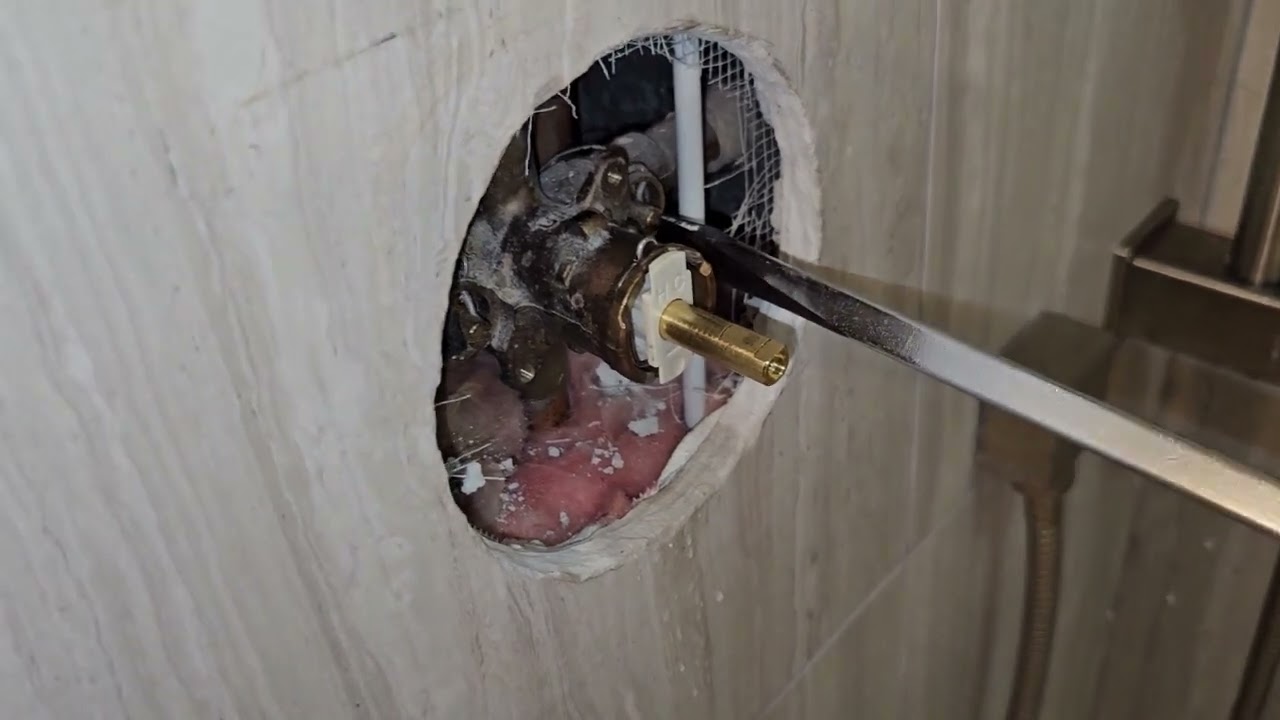
- Worn-out cartridge: Most Pfister faucets use a cartridge inside the handle. This part controls the flow and mix of hot and cold water. Over time, the cartridge can wear out, break, or get stuck, making it impossible to shut off the water.
- Damaged valve stem: The valve stem connects the handle to the cartridge. If it’s broken, bent, or loose, the handle won’t turn properly, so the water keeps flowing.
- Mineral buildup: Hard water leaves minerals inside the faucet. This buildup can block or jam the moving parts, especially in older homes. Sometimes, the handle feels stiff or won’t turn fully.
- Handle problems: The handle itself can crack, loosen, or slip on the stem. If it doesn’t grip well, you can’t turn the faucet off.
- Incorrect installation: Sometimes, a new faucet or cartridge is installed incorrectly. If parts aren’t aligned or tightened properly, the faucet won’t work as it should.
- O-ring or seal failure: Inside the faucet, rubber O-rings or seals prevent leaks. When they wear out, water can slip through, even if the handle is off.
- Broken diverter: If your shower uses a tub/shower diverter, a faulty diverter can cause water to flow even when you try to turn it off.
Each of these issues can cause the faucet to stay on. The good news: most can be fixed at home with the right guidance.
Signs You Have A Pfister Shower Faucet Problem
Not every faucet issue is obvious. Sometimes the problem starts small and grows. Here are key signs your Pfister shower faucet is failing:
- Water won’t stop: The most clear sign. You turn the handle, but water keeps coming.
- Handle feels loose or spins: If the handle doesn’t turn normally, something inside is broken or worn.
- Water leaks from behind the handle: This often means a seal or O-ring has failed.
- Difficulty turning the faucet: If you need extra force, minerals or a damaged cartridge may be to blame.
- No change in water flow: Turning the handle doesn’t change water strength. This often means the cartridge is stuck.
- Unusual noises: Grinding or squeaking sounds inside the faucet mean parts are damaged or blocked.
- Hot or cold water only: If you only get one temperature, the cartridge is likely damaged.
Recognizing these signs early can save you money and prevent bigger problems.
Credit: www.youtube.com
Immediate Steps: What To Do When Your Faucet Won’t Turn Off
When your Pfister shower faucet won’t turn off, act quickly to avoid water waste and damage.
- Turn off the main water supply: Look for the shut-off valve (usually near your water meter or in the basement). Turn it off to stop water flow.
- Open other faucets: After shutting off the main supply, open other faucets to drain water from the pipes. This reduces pressure and prevents leaks.
- Check the shower faucet handle: Try gently turning the handle again. Sometimes, pressure release lets the handle move.
- Place towels around the shower: Water may still drip. Protect your floor and walls with towels.
- Assess the issue: Look for visible damage, loose handles, or leaks. Take photos for reference.
- Decide your next step: If you’re comfortable with basic repairs, continue. If not, call a plumber.
Acting fast can prevent water from causing damage to your bathroom, walls, or floors.
Tools And Materials Needed For Fixing A Pfister Shower Faucet
Before starting repairs, gather the right tools. Using proper tools makes the job easier and safer.
- Screwdriver set: Usually Phillips and flathead.
- Adjustable wrench: For loosening nuts and bolts.
- Allen key (hex key): Many Pfister handles use hex screws.
- Plumber’s grease: Helps moving parts work smoothly.
- Replacement cartridge: Find the exact model for your Pfister faucet.
- Replacement O-rings or seals: If seals are damaged.
- Needle-nose pliers: For removing small parts.
- Bucket: To catch water.
- Towels or rags: For cleanup.
- Flashlight: Helps see inside the faucet.
- Cartridge puller: Optional, but useful for stuck cartridges.
Having everything ready avoids interruptions and mistakes.
Step-by-step Guide: Fixing A Pfister Shower Faucet That Won’t Turn Off
This guide covers the most common repair: replacing the cartridge. Even beginners can follow these steps.
Step 1: Shut Off Water Supply
Find your home’s main shut-off valve and turn it off. This stops all water flow. Open a faucet nearby to drain pipes.
Step 2: Remove The Faucet Handle
- Look for a small screw under or behind the handle.
- Use an Allen key or screwdriver to loosen the screw.
- Gently pull the handle off. If stuck, wiggle it or use a puller.
Step 3: Take Off The Trim Plate
The trim plate covers the inner faucet parts.
- Remove screws holding the plate.
- Gently pull the plate away. Set it aside.
Step 4: Access The Cartridge
- You will see the cartridge inside the valve.
- Remove any retaining clips or nuts. Use pliers or a wrench.
- Pull out the cartridge. If stuck, use a cartridge puller.
Step 5: Inspect The Cartridge And Valve
Check for:
- Cracks
- Mineral buildup
- Broken seals
If the cartridge is damaged, replace it.
Step 6: Replace The Cartridge
- Purchase the correct Pfister cartridge. Bring the old one to the store for comparison.
- Insert the new cartridge into the valve. Make sure it lines up with the notches.
- Reattach retaining clips or nuts.
Step 7: Reinstall The Trim Plate And Handle
- Place the trim plate back over the valve.
- Screw it in tightly.
- Slide the handle onto the stem.
- Tighten the handle screw.
Step 8: Turn On Water Supply And Test
- Open the main shut-off valve.
- Try turning the shower faucet on and off.
- Check for leaks and smooth operation.
If the faucet turns off correctly, the repair is complete.
Common Mistakes To Avoid
Many people make errors when fixing a faucet. Avoid these to save time and money.
- Forgetting to shut off water: This can cause flooding and damage.
- Using wrong parts: Pfister faucets need specific cartridges. Always match the model.
- Over-tightening screws: This can crack plastic parts.
- Skipping plumber’s grease: Dry parts wear out faster and can stick.
- Not cleaning mineral buildup: If you don’t clean the valve, new cartridges can jam.
- Losing small parts: Keep screws and clips organized.
- Not checking for leaks: Always test the faucet before finishing.
Most mistakes happen due to rushing or ignoring instructions.

Credit: www.youtube.com
How To Identify The Correct Pfister Cartridge
Pfister faucets use different cartridges for different models. Using the wrong cartridge will not fix the issue.
- Check the model number: Look for it on the faucet, trim plate, or owner’s manual.
- Take the old cartridge to the store: Compare it directly with new ones.
- Ask Pfister customer support: They can help you find the right part.
- Visit Pfister’s website: Their support page lists all models and compatible cartridges.
If unsure, ask a professional or use the official resources. Matching the cartridge is essential.
Table: Pfister Cartridge Types And Compatibility
Here’s a quick comparison of common Pfister cartridge types:
| Cartridge Model | Fits These Faucets | Common Problems | Replacement Cost |
|---|---|---|---|
| 974-042 | Single handle tub/shower | Leaks, won’t turn off | $25-$35 |
| 974-291 | Two-handle shower faucets | Stuck handle, hard to turn | $20-$30 |
| 974-018 | Older shower models | Dripping, slow shutoff | $18-$28 |
| 974-075 | Modern tub/shower units | Handle loose, water flows | $30-$40 |
Always check your faucet’s model before buying a cartridge.
How To Clean Mineral Buildup In Pfister Faucets
Mineral buildup is a hidden cause of faucet issues. Hard water leaves deposits inside the valve and cartridge. Here’s how to clean it:
- Remove the cartridge: Follow earlier steps.
- Soak in vinegar: Place the cartridge in a bowl of white vinegar for 30–60 minutes.
- Scrub gently: Use a soft brush to remove deposits.
- Clean the valve: Wipe inside the valve with a vinegar-soaked rag.
- Rinse well: Make sure no vinegar or minerals remain.
- Dry and reinstall: Put the cartridge back.
Cleaning once a year keeps your faucet working smoothly.
Table: Effects Of Hard Water On Shower Faucets
Compare how hard water affects Pfister faucets vs. regular faucets:
| Effect | Pfister Faucets | Regular Faucets |
|---|---|---|
| Mineral buildup | Stuck cartridge, leaks | Stiff handle, less water flow |
| Seal damage | O-ring failure, water leaks | Rubber seals crack |
| Corrosion | Metal parts rust | Valve stem rusts |
| Repair frequency | Every 2–3 years | Every 4–5 years |
If your home has hard water, clean and check your faucet regularly.
When To Call A Professional Plumber
Some repairs are simple. Others require expert help. Here’s when to call a plumber:
- You can’t identify the problem: If you’re unsure what’s wrong, a plumber can diagnose it.
- Cartridge is stuck: Sometimes the cartridge won’t come out, even with a puller.
- Valve body is damaged: If the inner valve is cracked or corroded, it needs professional repair.
- Leaks behind the wall: Water coming from behind the wall can cause serious damage.
- Multiple faucets failing: If more than one faucet doesn’t turn off, there may be a bigger plumbing issue.
Plumbers have special tools and experience. They can fix complex problems quickly.
Tips For Preventing Shower Faucet Problems
Prevention saves time and money. Here are practical tips:
- Clean your faucet regularly: Remove mineral buildup every 6–12 months.
- Use plumber’s grease: Lubricate moving parts during cleaning.
- Check for leaks: Inspect your faucet monthly for drips or loose handles.
- Replace cartridges early: Don’t wait for a full failure. Change cartridges every 3–4 years.
- Install a water softener: If your home has hard water, a softener prevents mineral deposits.
- Tighten handles gently: Don’t force or over-tighten the handle.
- Keep records: Note the model, last repair date, and cartridge type.
Many beginners skip regular cleaning or ignore small leaks. These habits lead to bigger problems.
Table: Cost Comparison—diy Vs. Professional Repair
See how costs compare:
| Repair Type | DIY Cost | Professional Cost | Time Needed |
|---|---|---|---|
| Cartridge replacement | $25–$40 | $120–$200 | 30–60 mins (DIY), 20–40 mins (Pro) |
| Valve stem repair | $15–$25 | $80–$150 | 20–40 mins (DIY), 10–20 mins (Pro) |
| Full faucet replacement | $80–$120 | $250–$400 | 2–3 hours (DIY), 1–2 hours (Pro) |
| Mineral cleaning | $5–$10 | $60–$100 | 30 mins (DIY), 15 mins (Pro) |
DIY saves money but requires careful work. Professionals charge more but finish faster and guarantee results.
Real-world Example: Fixing A Pfister Faucet
Let’s look at a real example. Maria, a homeowner, noticed her Pfister shower faucet wouldn’t turn off. She followed these steps:
- Shut off the water supply.
- Removed the handle using an Allen key.
- Took out the trim plate and found a worn cartridge.
- Bought a new cartridge (model 974-042) after comparing at the store.
- Cleaned the valve with vinegar.
- Installed the new cartridge, greased moving parts, and reassembled the faucet.
- Turned on the water and tested. The faucet worked perfectly.
Maria saved $150 by doing it herself. She learned to clean the faucet every 6 months to avoid future problems.
Non-obvious Insights Beginners Miss
- Don’t ignore small leaks: Even tiny drips mean parts are failing. Fix early to avoid big repairs.
- Always check compatibility: Not all Pfister cartridges fit every faucet. Mixing parts can cause new problems.
- Mineral cleaning matters: Many people replace cartridges but skip cleaning. Mineral buildup quickly ruins new parts.
- Handle orientation is important: When reinstalling, make sure the handle points in the correct direction. Misalignment can cause water to stay on.
- Keep warranty information: Pfister often offers lifetime warranties. Save receipts and packaging for free replacements.
Frequently Asked Questions
Why Does My Pfister Shower Faucet Keep Running After I Turn It Off?
Usually, this means the cartridge is worn or stuck. Other causes are broken valve stems, mineral buildup, or failed seals. Start by checking the cartridge and handle for damage.
Can I Fix A Pfister Shower Faucet Myself?
Yes, most repairs are simple. You need basic tools like a screwdriver, wrench, and new cartridge. Follow step-by-step guides and safety tips. If unsure, call a plumber.
How Do I Find The Right Replacement Cartridge?
Check your faucet’s model number. Look on the trim plate or in the manual. Bring the old cartridge to the hardware store for comparison, or use Pfister’s online support.
What Should I Do If The Faucet Handle Is Loose?
First, shut off the water supply. Remove the handle and check for worn screws or a damaged stem. Tighten or replace as needed. If the handle still spins, inspect the cartridge.
How Often Should I Clean Or Maintain My Shower Faucet?
Clean and check your faucet every 6–12 months. If your home has hard water, do it more often. Replace cartridges every 3–4 years, or sooner if leaks appear.
If your Pfister shower faucet won’t turn off, don’t panic. Most issues are easy to fix with the right steps. By understanding the causes, gathering the tools, and following clear instructions, you can solve the problem and keep your shower working smoothly.
Always check compatibility and clean parts to prevent future trouble. For complex repairs, don’t hesitate to call a plumber. Taking action quickly protects your home and saves money.
For more detailed guides and support, visit the official Pfister website: Pfister Faucets Support.
Understanding your shower faucet helps you stay confident and in control—no more wasted water, high bills, or stressful repairs.

Credit: www.reddit.com