
Rain can bring a sense of freshness to the outdoors, but for some homeowners, it creates a very different problem inside. If you’ve noticed a strange, urine-like smell in your house every time it rains, you’re not alone. This issue puzzles and frustrates many people. It can be embarrassing, unpleasant, and difficult to resolve if you don’t know the root cause. The scent might be mild or overpowering, and often, it seems to come out of nowhere—making your home uncomfortable just when you want to feel cozy.
Understanding why your house smells like pee when it rains is the first step toward fixing the problem. There’s more to it than just blaming pets or damp carpets. Rain can reveal hidden issues in your home’s construction, plumbing, and environment that remain unnoticed in dry weather.
Some of these problems are simple to fix, while others might require professional help. The good news is that with the right approach, you can identify the cause and take action to make your home smell fresh again.
Let’s explore the most common reasons behind this unwanted odor, how to track down the real source, and the most effective ways to eliminate the problem. Along the way, you’ll find practical tips, real-life examples, and expert advice to help you solve this odd but common household mystery.
Why Does My House Smell Like Pee When It Rains?
It’s easy to assume that a pee smell is just a result of poor cleaning or a household pet. But when this odor appears specifically during or after rainfall, the explanation is usually more complex. Moisture changes the way materials in your home interact with air, and rain can activate hidden smells that stay dormant during dry weather. Here are the most common culprits:
1. Old Pet Stains
Even if you clean up after pets, urine stains can soak deep into carpets, padding, or wooden floors. When humidity rises during rain, the moisture in the air can reactivate urine crystals, causing the smell to return. Sometimes, stains are years old and hidden under furniture or rugs, making them hard to spot.
2. Mold And Mildew
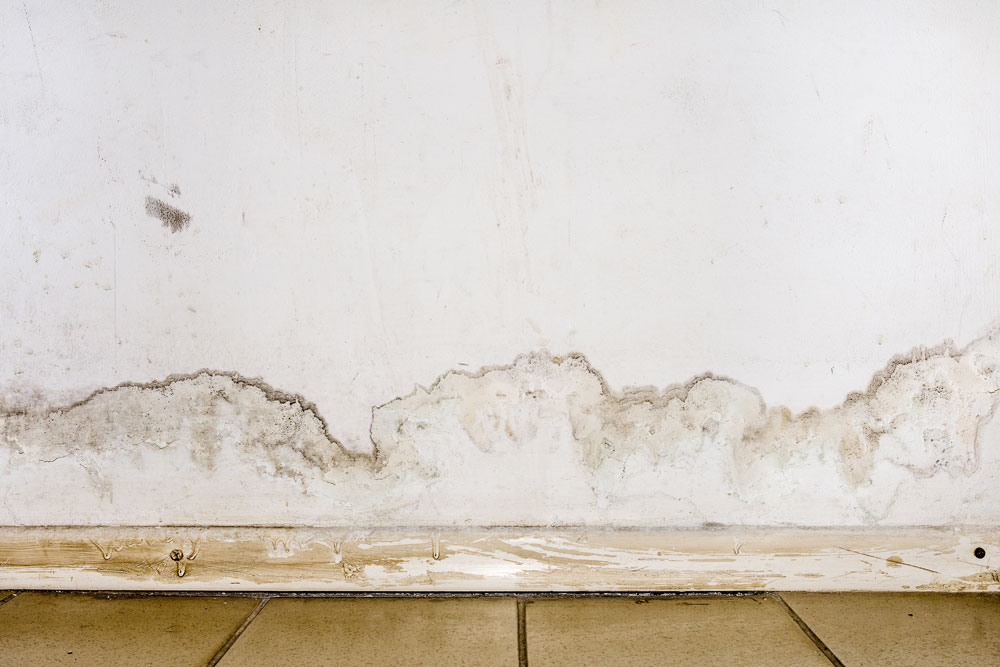
Mold and mildew thrive in damp environments. Some types, especially those growing behind walls or under floors, produce a smell similar to ammonia, which is a key component of urine. Rain increases indoor humidity, making these hidden colonies release more odor.
3. Plumbing Leaks
A leaky pipe or faulty drain can cause moisture buildup in walls or under floors. Over time, damp materials develop bacteria that create a urine-like smell, especially when rain increases the flow of water through your system.
4. Crawl Space Or Basement Issues
Crawl spaces and basements often get damp during rain. If there is poor ventilation or water pooling, organic material can break down and cause strong, unpleasant smells similar to pee. Sometimes, animals like rodents or stray cats take shelter in these areas and leave urine behind.
5. Faulty Or Old Flooring
Certain flooring materials, like old carpets or wood, can absorb organic spills or pet accidents. When rain raises humidity, these surfaces release trapped odors. Some glues or finishes used in older homes can also emit a chemical smell that resembles urine.
6. Problems With Roofing Or Attic
Leaks in your roof or attic can let water into insulation or wood. Wet insulation, especially if contaminated by rodents, can cause a strong urine scent.
7. Sewer Gas Backflow
If your sewer line or plumbing vents are blocked or damaged, rainwater can force sewer gases back into your home. These gases often contain ammonia and sulfur, leading to a pee-like odor.
8. Animal Intruders
Rain often drives small animals, like mice, rats, or raccoons, to seek shelter in attics, crawlspaces, or basements. Their urine builds up over time, and the smell becomes much more noticeable with increased humidity.
9. Houseplants Or Soil
Some indoor plants or contaminated potting soil can start to smell like ammonia when wet, especially if fertilizer or organic matter is breaking down.
10. Hvac Issues
If your heating or cooling system draws air from a damp area or has a clogged filter, it can spread odors throughout the house. During rain, increased moisture can worsen this effect.
How Rain Triggers Odors
Understanding why odors become stronger when it rains can help you track down the source. Rain increases humidity and often raises the temperature inside your home. These two factors can:
- Loosen trapped odor molecules from carpets, drywall, or wood
- Make bacteria and mold more active, causing them to release gases
- Reactivate dried urine crystals from pets or animals
Sometimes, rain changes the pressure in your plumbing system, causing gases to escape through drains or toilets. Even a small leak can become a bigger problem when the system is under stress during heavy rainfall.

Credit: www.chemdrybexarco.com
How To Identify The Source Of The Pee Smell
Finding the exact cause can be tricky. Here’s a step-by-step process to help you track down the source:
- Walk Through Each Room: Try to notice where the smell is strongest. Pay special attention to basements, closets, and rooms with carpets.
- Check Under Rugs and Furniture: Lift up carpets, rugs, and check under heavy furniture for hidden stains or damp spots.
- Inspect Plumbing Areas: Look under sinks, behind toilets, and near drains for leaks or water stains.
- Look for Mold: Check walls, corners, and ceilings for dark spots or visible mold.
- Examine Basements and Crawl Spaces: Use a flashlight to look for water pooling, rodent droppings, or damp insulation.
- Check the Attic: Look for water stains, animal nests, or wet insulation.
- Smell HVAC Vents: Turn on your system and see if the smell comes from air vents.
- Review Recent Repairs or Changes: Sometimes new building materials or recent repairs can introduce unfamiliar odors.
To help compare possible odor sources and their likely locations, here’s a simple overview:
| Source | Common Location | Smell Triggered by Rain? |
|---|---|---|
| Old Pet Stains | Carpets, wood floors, under furniture | Yes |
| Mold/Mildew | Walls, ceilings, basements, crawl spaces | Yes |
| Plumbing Leaks | Under sinks, behind walls, under floors | Yes |
| Sewer Gas | Bathrooms, laundry rooms, basements | Yes |
| Animal Intruders | Attic, crawlspace, basement | Yes |
Common Myths About Rain-activated Odors
Many homeowners make mistakes when trying to diagnose the problem. Here are some common myths and the real facts:
- “Only pets cause pee smells.”
In fact, mold, plumbing, and animals in crawlspaces are all common sources.
- “Airing out the house will fix it.”
While ventilation helps, it rarely removes the root cause.
- “New carpets or paint will solve the problem.”
Covering up odors without removing the source can make things worse.
- “It’s just temporary, so ignore it.”
Rain-activated odors are usually a sign of a bigger issue, like leaks or mold.
How To Fix A Pee Smell In Your House When It Rains
The right solution depends on the cause. Here’s how to address the most common sources:
1. Deep Clean Carpets And Floors
If you suspect pet stains, use an enzymatic cleaner designed for urine. These products break down urine crystals instead of just masking the smell. For deep stains, you may need to rent a carpet cleaner or hire a professional.
2. Treat Mold And Mildew
Mold requires moisture control. Clean visible mold with a mix of water and detergent, or a specialized mold cleaner. For large infestations, call a mold remediation expert. Make sure to fix leaks and increase ventilation to prevent mold from returning.
3. Repair Leaks
If you find a plumbing leak, fix it right away. This might mean tightening connections, replacing pipes, or even opening up walls. For roof or attic leaks, patch the roof and replace wet insulation.
4. Improve Drainage And Ventilation
Ensure your basement or crawl space stays dry by repairing cracks, using a dehumidifier, and installing proper drainage outside your home. Good ventilation helps keep odors from building up.
5. Remove Animal Nests
If animals have invaded your attic or crawl space, remove them safely (hire a professional if needed), clean up droppings and urine, and seal entry points to prevent them from returning.
6. Check And Clean Hvac System
Replace air filters and clean ducts if you suspect your HVAC system is spreading odors. Make sure there’s no moisture buildup near the system.
7. Address Sewer Gas Problems
If you notice a sewer-like smell, check that all drain traps have water in them. Dried-out traps can allow sewer gases to enter your home. If you suspect a blocked vent or serious sewer issue, call a plumber.
8. Replace Damaged Materials
Sometimes, the only way to get rid of deep odors is to replace carpet, padding, drywall, or insulation. This is often necessary if materials have been soaked by water or contaminated by urine.
9. Clean Or Replace Contaminated Soil And Plants
If indoor plants are the cause, remove contaminated soil, wash the pots, and use fresh, high-quality soil. Avoid overwatering, which can cause mold and ammonia smells.
10. Use Odor Neutralizers
Once the source is removed, use odor neutralizers like activated charcoal, baking soda, or commercial air purifiers to help clear lingering smells.
Non-obvious Insights Beginners Miss
Many homeowners miss two critical facts:
- Humidity can reactivate old, dry stains. Even if you cleaned a pet accident long ago, the crystals left behind can produce strong odors when exposed to moisture. This is why the smell appears only during rain or humid days.
- Some sewer gas leaks are seasonal. During heavy rain, water in the ground can push gases through tiny gaps in your plumbing or foundation. If you only notice the smell after a big storm, this could be the hidden cause.
How To Prevent Future Rain-activated Odors
Prevention is always better than cure. Here are the most effective ways to keep your home smelling fresh, no matter the weather:
- Fix leaks quickly: Address any plumbing or roof leak as soon as you notice it.
- Improve ventilation: Use exhaust fans in bathrooms and kitchens, and consider a dehumidifier in basements.
- Clean regularly: Deep clean carpets and floors at least twice a year.
- Seal entry points: Block potential entry for rodents or other animals.
- Maintain your HVAC: Replace filters and have your system inspected regularly.
- Check your drainage: Make sure water flows away from your foundation during storms.
- Monitor humidity levels: Keep indoor humidity below 60% to discourage mold and odors.
When To Call A Professional
Some problems are too big or risky to handle alone. Contact a licensed professional if:
- The smell is strong and you can’t find the source
- You find visible mold covering a large area
- Plumbing or sewer issues are suspected
- You have repeated animal intrusions
- You notice signs of water damage in walls or ceilings
Professional help can save time, prevent health problems, and protect your home’s value.

Credit: www.reddit.com
The Health Risks Of Ignoring The Smell
It’s tempting to just ignore the issue, especially if the smell disappears once the rain stops. But hidden water damage, mold, or sewer gas leaks can pose serious health risks. Mold spores and bacteria can trigger allergies, asthma, and even infections. Sewer gas contains dangerous chemicals like hydrogen sulfide and methane, which are harmful with long-term exposure.
Prolonged dampness can also damage your home’s structure, leading to expensive repairs. Acting quickly is not only more comfortable but also protects your family’s health and your property investment.
Real-life Example: How One Homeowner Solved The Mystery
A family in the Midwest noticed a strong urine smell every time it rained heavily. At first, they blamed their aging dog, but cleaning carpets made no difference. After inspecting the basement, they found water pooling in a corner. A closer look revealed a broken drain pipe and mold growing on the back side of the basement wall. With professional help, they repaired the pipe, removed the mold, and installed a dehumidifier. The smell disappeared for good.
This example shows the importance of looking beyond the obvious and checking areas that are usually out of sight.
Data: How Common Is This Problem?
Rain-activated odors are more widespread than people think. According to a survey by the National Association of Home Inspectors:
- 24% of homeowners reported noticing unusual odors during or after rain.
- Of those, 45% found the source was hidden water damage or mold.
- 32% traced the smell to old pet stains reactivated by humidity.
This data shows that even if you don’t have pets, you’re not immune to rain-activated odors.
Here’s a comparison of common odor sources and their solutions:
| Odor Source | DIY Solution | Professional Help Needed? |
|---|---|---|
| Old Pet Stains | Enzymatic cleaner, deep clean carpets | No, unless stains are deep |
| Mold/Mildew | Small area: Clean with mold remover | Yes, for large infestations |
| Plumbing Leaks | Fix minor leaks | Yes, if inside walls or extensive |
| Sewer Gas | Check traps, simple vent fixes | Yes, for system-wide issues |
| Animal Intruders | Remove small nests, clean up | Yes, for infestations or large animals |
Mistakes To Avoid
Solving odor problems can be tricky, and some common mistakes can make things worse:
- Masking the smell with air fresheners: This only hides the problem temporarily.
- Ignoring small leaks: Even minor leaks can lead to major mold and odor issues over time.
- Using the wrong cleaning products: Regular cleaners may not break down urine crystals or mold toxins.
- Skipping professional help: Trying to tackle large mold problems or complicated plumbing yourself can be dangerous and ineffective.
Always address the root cause, not just the symptoms.
Helpful Resources
If you want to read more about home odors and indoor air quality, the U.S. Environmental Protection Agency has a useful guide:
epa Indoor Air Quality
Frequently Asked Questions
Why Does My House Only Smell Like Pee During Rain, Not All The Time?
Rain increases humidity and sometimes brings water into contact with hidden stains, mold, or leaks. This extra moisture “activates” trapped odors that are not noticeable when it’s dry.
How Do I Tell If The Smell Is From Pet Urine Or Something Else?
If you don’t have pets, suspect mold, plumbing leaks, or animal intruders. Even if you do have pets, look for other signs like water damage, visible mold, or new stains in unusual places.
Can Rain-activated Odors Be Dangerous To My Health?
Yes. Mold spores, sewer gas, and bacteria from hidden leaks can cause allergies, respiratory issues, or more serious problems if left untreated.
Will Replacing My Carpet Solve The Problem?
Only if the carpet is the source. If the smell comes from below the carpet, in the padding or subfloor, you’ll need to address those areas as well. Always identify the true source before replacing materials.
Who Should I Call For Help If I Can’t Find The Source?
A home inspector, plumber, or mold remediation specialist can help. If you suspect animal intrusion, a pest control expert is best. For complex problems, a combination of professionals may be needed.
—
Rain should make your home feel cozy, not uncomfortable. By understanding why your house smells like pee when it rains, you can take smart steps to find the source and keep your living space fresh, safe, and welcoming. Don’t settle for temporary fixes—tackle the root cause, and enjoy your home in any weather.
Credit: www.icecleaning.co.uk