
Switching your cat to a covered litter box can seem simple, but many owners are surprised by how tricky it can be. Cats are creatures of habit, and even small changes to their bathroom routine can stress them out. Some cats love the privacy of a covered box, while others may feel trapped or anxious. If you want to make this transition smooth, you need more than just a new box—you need a plan, patience, and a little cat psychology. In this guide, you’ll find expert advice, practical steps, and real-world examples to help your cat adjust quickly and happily.
Why Use A Covered Litter Box?
Covered litter boxes are popular with many cat owners, but it’s important to understand both the benefits and the possible drawbacks before making the switch.
Benefits
- Odor Control: The lid helps keep smells inside the box, making your home fresher.
- Privacy: Many cats prefer to do their business in a private space, just like people.
- Less Mess: The cover helps contain litter scatter, urine spray, and prevents dogs or small children from digging in the box.
- Visual Appeal: A covered box hides waste, which many owners find more attractive.
Possible Drawbacks
- Limited Space: Some covered boxes are too small for larger cats, making them uncomfortable.
- Ventilation: Odors can build up inside if not cleaned often, which may stop your cat from using it.
- Access Issues: Senior cats or those with mobility problems may find it harder to enter.
- Stress: Some cats feel trapped or anxious, especially if bullied by other pets.
Understanding these factors will help you decide if a covered litter box is right for your cat and prepare for any challenges.
How Cats React To Litter Box Changes
Cats are both curious and cautious. Any change to their toilet area can cause confusion or refusal to use the box. Some cats adapt quickly, but many need time and encouragement.
Common Cat Reactions
- Curiosity: Some cats will explore the new box right away.
- Cautious Avoidance: Others may sniff but not enter for several days.
- Stress Signs: Hiding, meowing, or accidents outside the box are all possible.
- Aggression: Rare, but possible, especially in multi-cat homes if one cat guards the box.
Why Cats Resist Covered Litter Boxes
Many cats dislike sudden changes. A covered box feels different—it looks, smells, and echoes differently. The doorway can also feel like a trap. Understanding this helps you move at your cat’s pace.
Non-obvious insight: If your cat has been startled in the litter box before (by a loud noise or another pet), a covered box can make them feel even more vulnerable. Think about your home environment before switching.
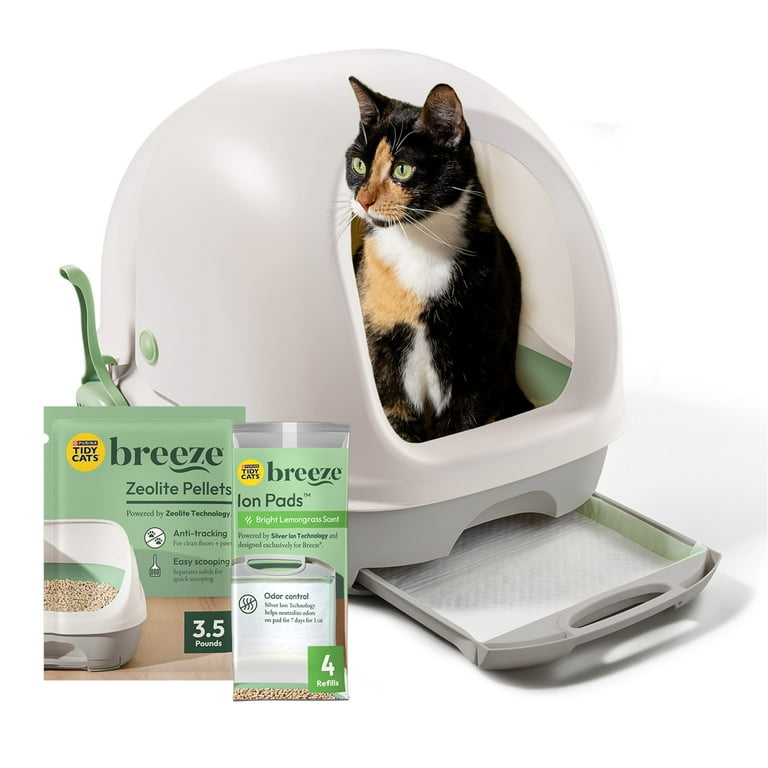
Credit: www.walmart.com
Preparing For The Transition
Before you bring home a new litter box, take a few steps to set yourself and your cat up for success.
Choosing The Right Covered Litter Box
Not all covered boxes are the same. Some have swinging doors, some are tall, some are roomy.
| Feature | Why It Matters | Best For |
|---|---|---|
| Size | Cat needs space to turn around and dig | Large or active cats |
| Entry Height | Low entry is easier for older cats | Seniors, kittens, small cats |
| Removable Door | Some cats hate swinging doors | All cats (start without door) |
| Easy to Clean | Smooth surfaces, removable lid | All owners |
Tip: Buy a box that is at least 1.5 times the length of your cat from nose to tail. Bigger is usually better.
Prepare The Litter Area
- Clean the litter area thoroughly to remove any old odors.
- Place the new box close to the old one, not in a new room.
- Have the same type and amount of litter your cat already uses.
Timing The Transition
- Choose a quiet day—avoid times with guests, renovations, or new pets.
- Make sure you have enough time to observe your cat during the first days.
Step-by-step: Transitioning Your Cat
Patience and consistency are key. Most cats need a few days to a few weeks to adjust.
Step 1: Introduce The Covered Box Slowly
Start by placing the covered box next to your cat’s old open box. Leave the lid off at first, so it feels familiar. Fill it with the same litter your cat knows and likes.
Non-obvious insight: Cats often rely on scent to accept a new box. If possible, move some soiled litter (not too much) from the old box to the new one. The familiar smell signals “this is my bathroom.”
Step 2: Let Your Cat Explore
Give your cat time to sniff and check out the box. Do not force them inside. Some will use it right away; others will ignore it for a day or two.
- Reward curiosity with treats or gentle praise.
- If your cat is nervous, play with them near the new box to create positive associations.
Step 3: Gradually Add The Cover
Once your cat is using the new box without the lid, put the cover on—but leave any swinging door off for now. This step is critical. The sudden addition of a lid can make the box feel like a trap if not done carefully.
- Watch for signs of stress (scratching at the sides, refusing to enter, yowling).
- If your cat stops using the box, remove the cover and try again after a few days.
Step 4: Remove The Old Litter Box
After your cat uses the new covered box for at least a week with no problems, you can take away the old box. Do this at a time when you can observe your cat for accidents, just in case.
Pro tip: For multi-cat homes, never remove all old boxes at once. Leave at least one open box in another spot for a few more weeks.
Step 5: Add The Door (optional)
If your covered box has a swinging door, add it only after your cat is completely comfortable. Many cats never like the door and do better without it. If you want to try, watch closely for any refusal to use the box.
- If your cat bats at or avoids the door, remove it.
- Some cats can be trained to use it with treats and patience, but it’s not necessary for most homes.

Credit: saudimadad.com
Troubleshooting Common Problems
Even with careful steps, some cats will resist. Here’s how to solve the most frequent issues.
Cat Refuses To Enter The Covered Box
- Check the size—is it big enough?
- Remove the swinging door (if there is one).
- Make sure the box is clean and doesn’t smell strongly of plastic or cleaning products.
- Try leaving the cover off and repeating the introduction.
Cat Urinates Or Defecates Outside The Box
- Clean all accidents thoroughly with an enzyme cleaner to remove odor.
- Go back a step—uncover the box, move it to the old location, or try a different type.
- Stress or medical issues can cause accidents. If it continues, see your vet.
Odors Build Up
Covered boxes trap smells. Scoop at least twice a day and change all litter weekly. Wash the box with unscented soap every two weeks.
Data point: According to a study published in the Journal of Feline Medicine and Surgery, cats are more likely to use a box that is scooped daily. Odor is a top reason for litter box avoidance.
Cat Scratches At The Door Or Lid
This often means your cat feels trapped or wants more light. Try removing the door, or choose a box with a clear lid for more visibility.
Experience-based tip: Some cats prefer boxes with two exits, so they never feel cornered. If you have a multi-cat home, consider this feature to reduce litter box bullying.
Understanding Your Cat’s Behavior
Sometimes, the problem isn’t the box—it’s the environment or your cat’s personality.
Cats With Anxiety Or Trauma
Cats who have been bullied near the box, or startled while inside, may never accept a covered box. The closed space can feel unsafe. For these cats, an open box is usually best.
Multi-cat Homes
Competition for bathroom space can cause problems. Always have one box per cat, plus one extra, in different locations. Some cats will claim a box as their own; others will avoid using a box if another cat is nearby.
Senior Cats And Mobility Issues
Older cats, overweight cats, or those with arthritis may have trouble entering a box with a high edge or narrow door. Choose a box with a low entry and make sure the floor isn’t slippery.

Credit: www.uahpet.com
Comparing Covered And Uncovered Litter Boxes
For many owners, the choice comes down to cleanliness, cat preference, and odor control. Here’s a quick comparison:
| Feature | Covered Box | Uncovered Box |
|---|---|---|
| Odor Containment | Better | Worse |
| Cat Privacy | More | Less |
| Litter Scatter | Less | More |
| Ease of Cleaning | Harder (lid in the way) | Easier |
| Cat Acceptance | Sometimes lower | Usually higher |
Mistakes To Avoid
Many owners make the same errors when switching to a covered litter box. Avoid these common pitfalls:
- Switching too quickly: Sudden changes can scare your cat and cause litter box refusal.
- Wrong box size: Too small, and your cat won’t feel comfortable.
- Forcing your cat: Never push your cat into the box or trap them inside.
- Ignoring your cat’s signals: If your cat stops using the box, listen to what they’re telling you.
- Neglecting cleanliness: Covered boxes need scooping at least once a day.
- Not enough boxes: In multi-cat homes, always provide extra boxes.
Practical tip: If you travel or move to a new home, wait until your cat is settled before making any changes to the litter box.
How To Keep The Covered Box Cat-friendly
After your cat is using the box, you still need to keep it welcoming.
Cleaning And Maintenance
- Scoop solid waste and clumps at least once a day.
- Wash the box and lid with unscented soap and water every two weeks.
- Change all litter once a week.
- Check for cracks or sharp edges inside the box.
Monitoring Cat Behavior
Watch for these warning signs:
- Your cat spends less time in the box.
- Scratches at the lid or door.
- Urinates or defecates outside the box.
- Stops covering waste.
These could mean your cat is unhappy. Make changes right away.
Rotating Litter Types (if Needed)
Some cats are sensitive to smells or textures. If your cat seems unhappy, try a different litter (clumping, non-clumping, crystal, or natural). Always change slowly, mixing old and new litter for a week.
Real-world Examples
Here are some typical scenarios owners face:
Case 1: Maria’s cat, Luna, refused to use her new covered box. Maria realized the box was too small for Luna to turn around comfortably. She bought a larger box and let Luna use it without a lid for a week. Luna began using it, and Maria added the cover later with no problems.
Case 2: Alex had two cats, and after switching to a covered box, one cat started urinating on the rug. Alex added a second open box in another room. The problem stopped, showing that not all cats like the same type.
Case 3: Leah’s senior cat had trouble climbing into a covered box with a high entry. She replaced it with a box that had a lower entry and no swinging door. Her cat quickly adapted.
When A Covered Box Is Not The Best Choice
Not all cats will accept a covered box. If your cat continues to avoid it, or has accidents, it’s better to go back to an open box. Your cat’s health and comfort matter more than aesthetics.
Situations where a covered box may not work:
- Cats with a history of litter box problems
- Multi-cat homes with bullying issues
- Cats with mobility problems or arthritis
- Very large breeds (like Maine Coons) if the box is too small
Always listen to your cat—they will tell you what they need.
Additional Insights For Success
Hidden insight: Sometimes, the transition fails because of things you cannot see or smell. Cats can detect faint chemical odors from new plastic. Wash new boxes with plain water and let them air out for a few days before use.
Another tip: Placing a soft mat in front of the box can help catch any litter tracked out and make the area more comfortable for your cat.
Resource: For more on cat behavior and litter box health, see this helpful ASPCA resource.
Frequently Asked Questions
Why Won’t My Cat Use A Covered Litter Box?
Some cats dislike the enclosed space, poor ventilation, or the swinging door. Others may feel trapped if they have had negative experiences before. Try removing the lid, using a larger box, or going back to an open box if problems continue.
How Long Does It Take For A Cat To Adjust To A Covered Litter Box?
Most cats adjust within a few days to a few weeks. Move slowly and watch for signs of stress. If your cat still won’t use the box after two weeks, reconsider the change.
Should I Use The Swinging Door On The Covered Box?
Many cats dislike the swinging door. Start with the door off and only add it after your cat is comfortable. If your cat refuses, it’s fine to leave the door off permanently.
How Do I Keep A Covered Litter Box From Smelling?
Scoop at least once a day, change litter weekly, and wash the box every two weeks. Use unscented litter and avoid strong cleaning products. Good ventilation also helps keep odors down.
What If My Multi-cat Home Has Litter Box Problems?
Always provide one box per cat, plus one extra, in different locations. Some cats may never share a covered box. Watch for bullying and be ready to add open boxes if needed.
Making the switch to a covered litter box can make your home cleaner and your cat happier—if you do it right. Pay attention to your cat’s needs and behav